Termites in the House: How to Detect and Eliminate Them Fast
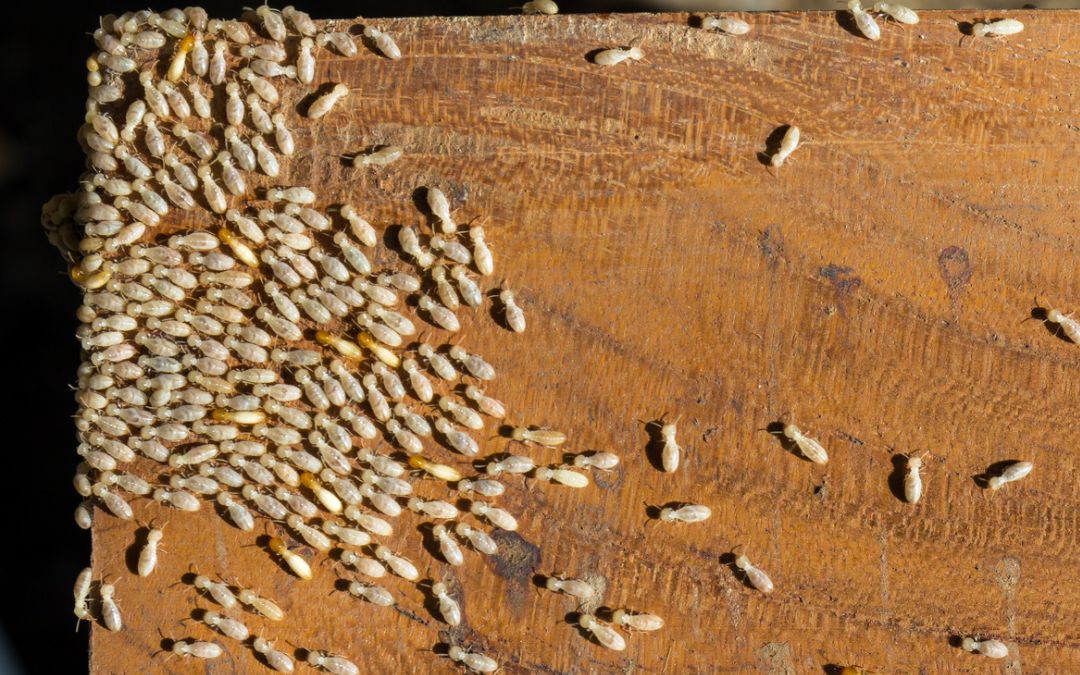
Termites in the house can cause serious damage. They chew through wood and weaken structures.
Imagine coming home to find your wooden furniture or walls crumbling. It’s a nightmare, right? Termites are tiny pests, yet they can create big problems for homeowners. These insects feed on wood, making them a threat to any wooden structure in your home.
If not dealt with quickly, they can cause costly repairs. Knowing how to identify and manage termites is crucial. This blog will help you understand the signs of termite infestation and what steps you can take to protect your home. Stay tuned to keep your house safe and sound from these destructive pests.
Signs Of Termite Infestation
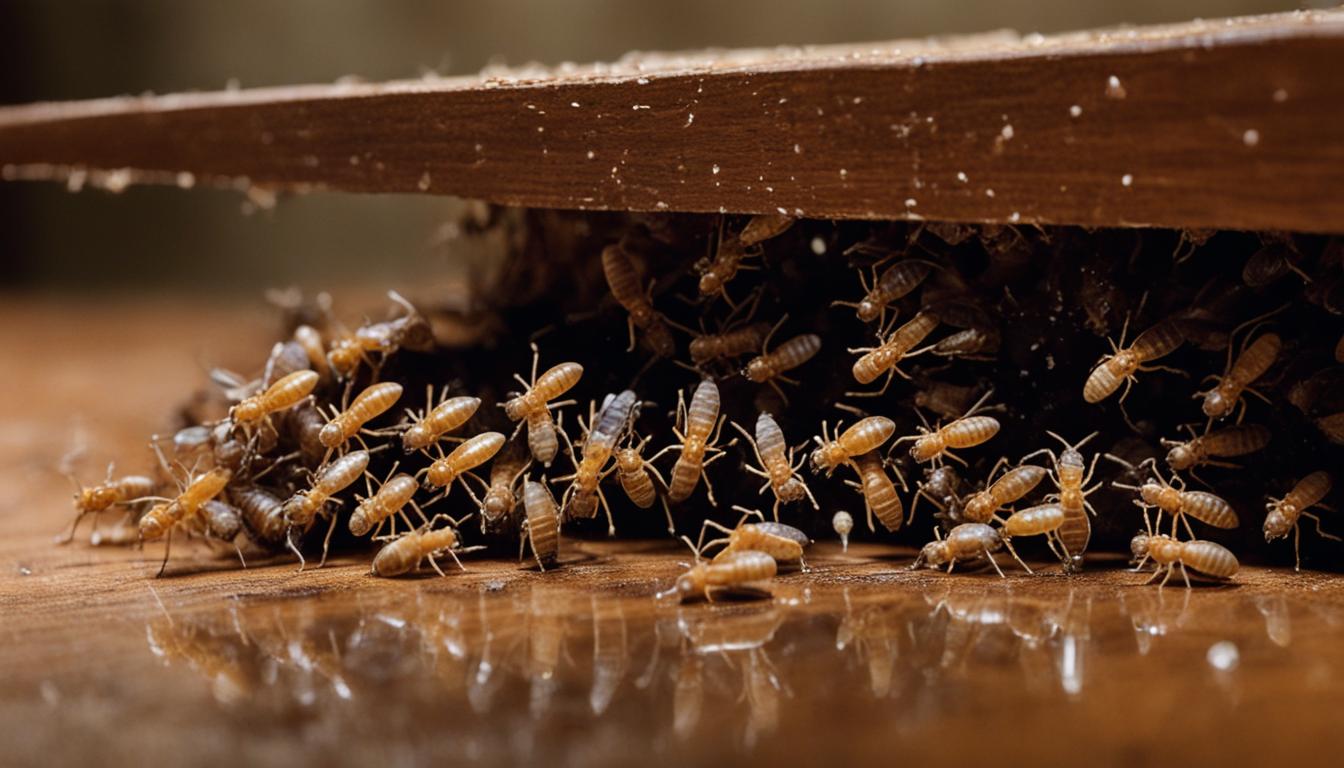
Termites are silent destroyers. They cause damage without being noticed. Identifying their presence early can save your home. Here are some key signs to watch for.
Common Indicators
- Wood damage: Hollow-sounding wood is a major sign.
- Discarded wings: Winged termites leave behind their wings.
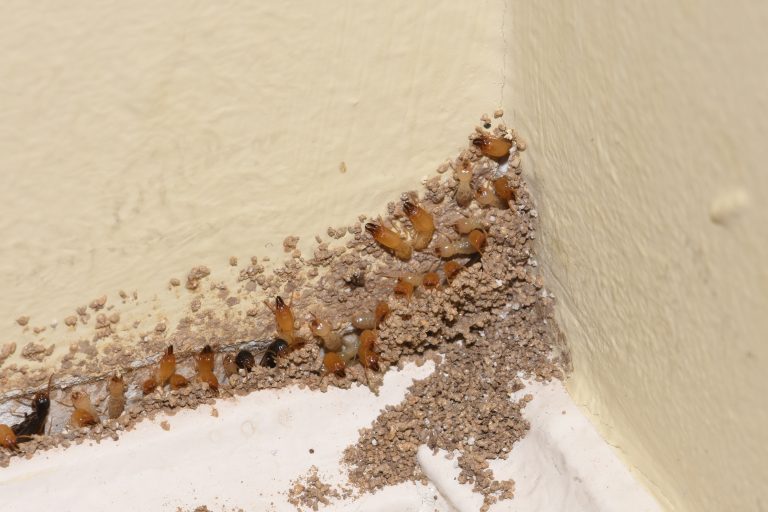
- Frass: Termite droppings look like tiny wood pellets.
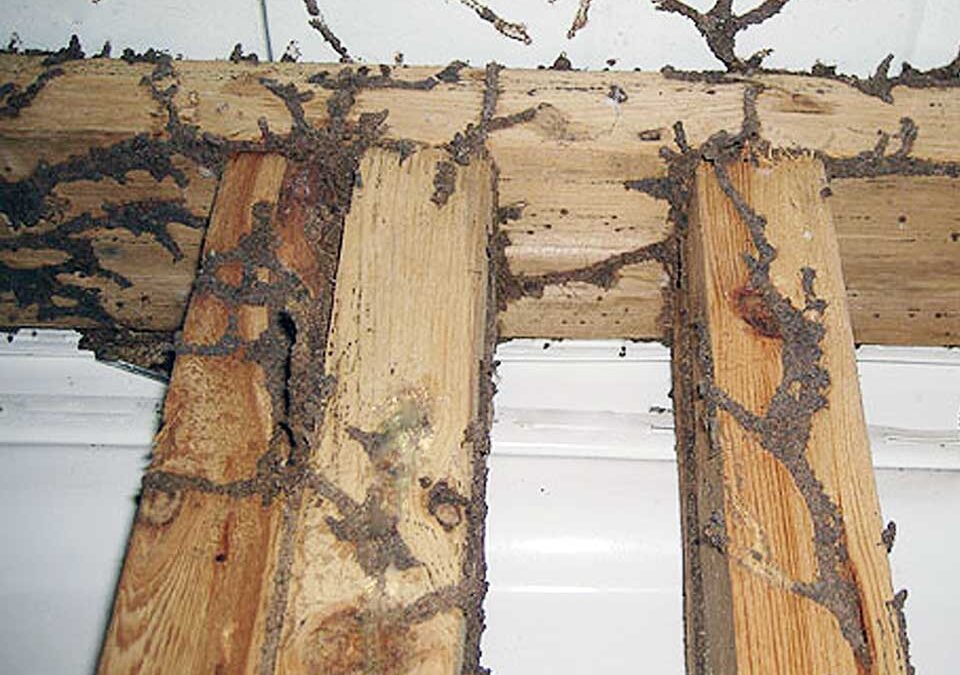
- Mud tubes: Termites build these for protection.
Subtle Signs
- Blisters in wood flooring: Termites damage wood from below.
- Peeling paint: Looks like water damage but could be termites.
- Pinholes in drywall: Small holes may indicate termites.
- Noises: Clicking sounds in walls could be termites.
Always stay alert. Early detection prevents extensive damage. Call a professional if you see any signs.
Credit: www.actiontermitecontrol.com
Types Of Termites
Termites can wreak havoc on your home if not controlled. They come in different types, each with unique characteristics. Knowing these types helps in identifying and dealing with them effectively.
Subterranean Termites
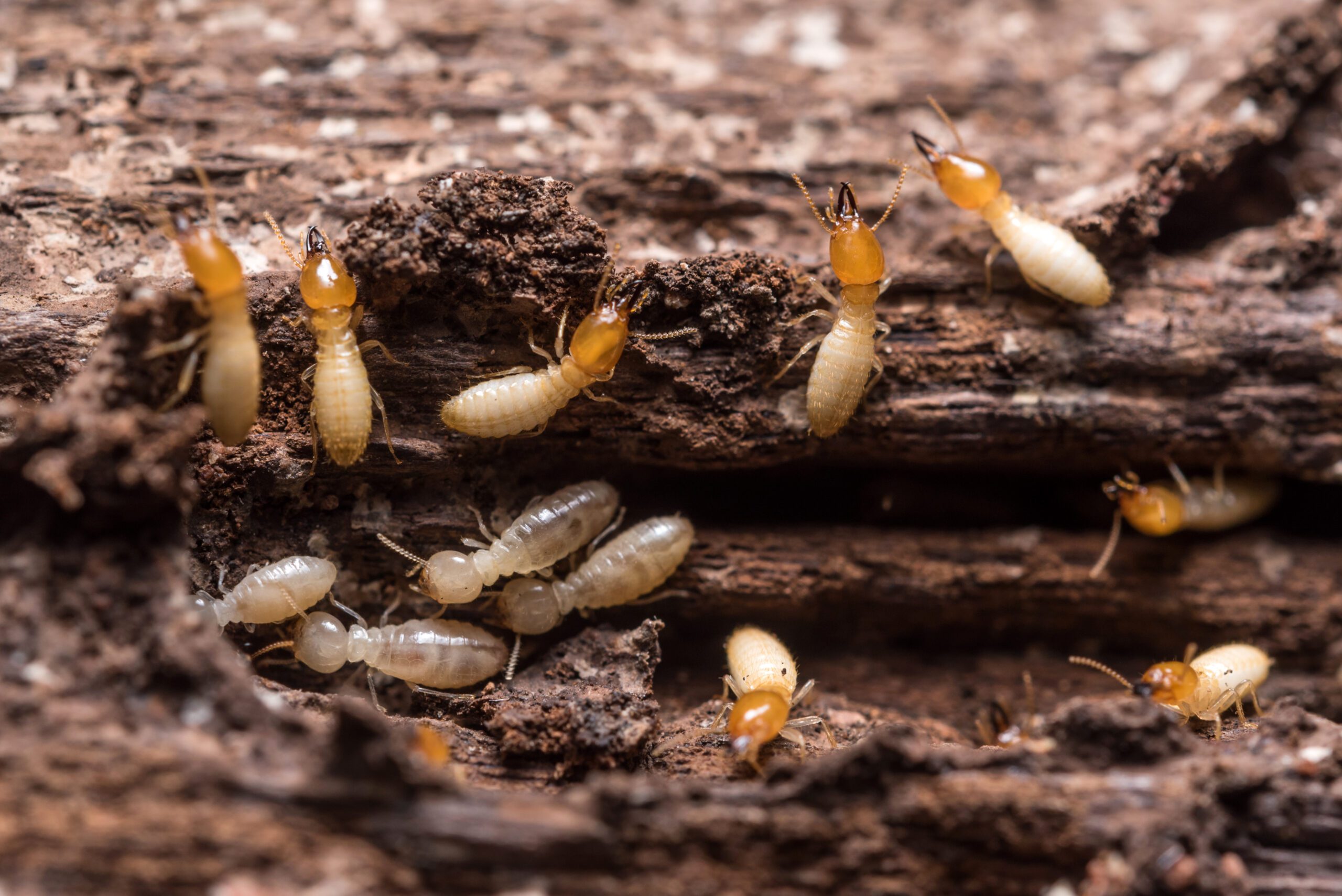
Subterranean termites live in soil and build mud tubes. These tubes protect them as they travel to find wood. They are the most common type of termite. They cause significant damage to homes. Their colonies can have millions of members. They prefer moist environments. To spot them, look for mud tubes around your foundation.
Drywood Termites
Drywood termites do not need soil to survive. They live in dry wood and are often found in attics. They can infest furniture and wooden structures. These termites create small, dry pellets as waste. You might find these pellets near infested areas. Drywood termite colonies are smaller than subterranean ones. They can still cause severe damage over time.
Termite Damage
Termites are silent destroyers. They can cause significant damage to your home. Understanding the types of damage they cause helps in prevention and early detection.
Structural Damage
Termites can weaken the structure of your home. They eat wood from the inside out. This can make beams, floors, and walls brittle. If left unchecked, this damage can compromise your home’s safety.
Look for hollow-sounding wood. This can be a sign of termite activity. You may also notice sagging floors or ceilings. These are serious indicators of structural damage.
| Signs of Structural Damage | Description |
|---|---|
| Hollow-sounding wood | Termites eat wood, making it sound hollow. |
| Sagging floors or ceilings | Termites weaken the structure, causing sagging. |
Cosmetic Damage
Termites also cause cosmetic damage. They can ruin the appearance of your home. This includes damage to paint, wallpaper, and wooden furniture.
Look for bubbling or peeling paint. This can indicate termites. You may also find small holes in your walls. These are entry points for termites.
- Bubbling or peeling paint
- Small holes in walls
- Damaged wooden furniture
Cosmetic damage may seem minor. But it can lead to bigger problems. Addressing it early can save you money.
DIY Detection Methods
Termites in the house can cause significant damage if left unchecked. Detecting them early can save you time and money. DIY detection methods can help you identify termite activity before it becomes a major issue. This section covers essential tools and techniques for termite inspection.
Inspection Tools
Having the right tools can make termite detection easier. A flashlight is essential for inspecting dark areas. A screwdriver can help probe wood for damage. A moisture meter can detect high moisture levels, which attract termites. A magnifying glass can help spot small termite signs. These tools will aid in thorough inspections.
Techniques
Knowing where to look is crucial. Check for mud tubes along the foundation of your house. Tap wooden structures and listen for hollow sounds. Examine wood for small holes or damaged areas. Look for discarded wings near windows and doors. Use your flashlight to inspect basements and crawl spaces. Regular inspections can help catch termite activity early.
Professional Inspection
Termites can cause significant damage to your home. A professional inspection is crucial to address the problem early. Experts possess the necessary tools and knowledge to identify infestations. They can recommend the best course of action to protect your property.
Hiring A Professional
Hiring a professional termite inspector ensures thorough assessment. Experts have years of experience detecting termite activity. They can spot signs that homeowners might miss. Professionals also use advanced equipment, such as moisture meters and infrared cameras. This ensures accurate detection of hidden infestations.
Inspection Process
During the inspection, the professional will examine the exterior of your home. They will look for mud tubes, damaged wood, and termite droppings. The inspector will also check the interior, focusing on areas with high moisture. Basements, crawl spaces, and attics are common places to find termites. The inspector may also use specialized tools to detect termites behind walls.
After the inspection, the professional will provide a detailed report. This report includes findings and recommendations for treatment. It helps homeowners understand the extent of the infestation and the necessary steps to eliminate the termites.
Credit: mypestpros.com
Immediate Actions
Discovering termites in the house can be alarming. Immediate actions are crucial to prevent further damage and ensure the safety of your home. Here are some steps you can take right away.
Temporary Solutions
First, remove any visible termites. Use a vacuum to suck them up. Dispose of the vacuum bag outside your home. This is a quick way to reduce their numbers.
Next, apply termiticide to infested areas. This will kill the termites on contact. You can find termiticide at most hardware stores. Follow the instructions on the label for the best results.
Another temporary solution is to use termite baits. These baits attract termites, who then carry the poison back to their colony. This can help to reduce the termite population over time.
Preventing Further Damage
Fix any water leaks immediately. Termites are attracted to moisture. Repairing leaks removes one of their key resources.
Remove any wood or debris near your home. Termites feed on wood. Keeping your yard clean can prevent them from finding food sources.
Create a barrier around your home. Use termiticide in the soil around the foundation. This can help to keep termites from entering your house.
Finally, consider regular inspections. A professional can spot signs of termites early. This allows you to take action before serious damage occurs.
Elimination Methods
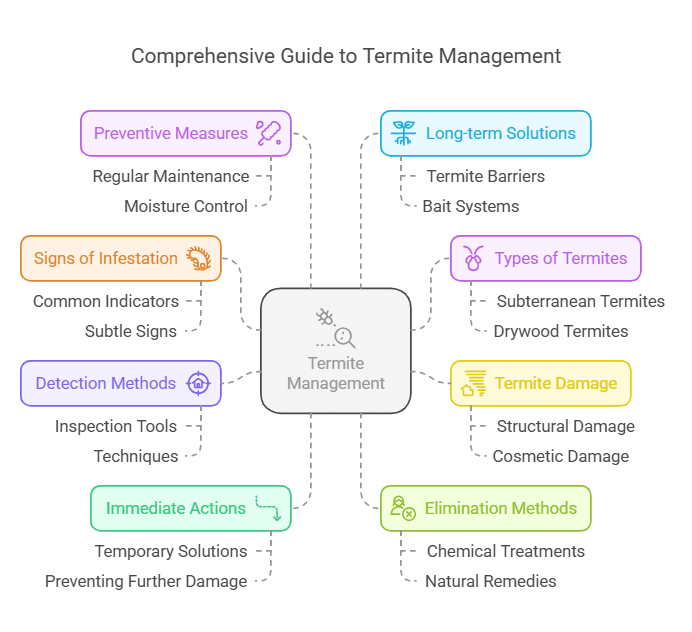
Termites can cause significant damage to your home. To safeguard your property, it’s important to know effective elimination methods. This section will discuss both chemical treatments and natural remedies to help you choose the best approach for your situation.
Chemical Treatments
Chemical treatments are a common method to eliminate termites. Professionals use termiticides to treat soil around the house. These chemicals create a barrier that kills termites on contact.
Another method involves using bait stations. These contain toxic substances that termites carry back to their colony. This method targets the entire colony, leading to its destruction.
Fumigation is also an option. This method involves covering the house with a tent and filling it with gas. The gas penetrates all areas, killing termites inside the structure.
Natural Remedies
Natural remedies can be an eco-friendly alternative. One method is using nematodes. These tiny worms eat termites, reducing their population. You can buy nematodes online or at garden stores.
Another option is orange oil. This oil kills termites on contact. Apply it directly to infected areas. Boric acid is also effective. Mix it with water and spray it on wood surfaces.
Cardboard traps are a simple solution. Wet some cardboard and place it near termite activity. Termites will be attracted to the cardboard. Once they gather, remove and burn the trap.
Sunlight exposure can help too. Termites dislike sunlight. If possible, expose infested furniture or wood to direct sunlight. This can kill termites and reduce their numbers.
Credit: www.chemfreeexterminating.com
Preventive Measures
Termites can cause severe damage to your home. Taking preventive measures can help you avoid costly repairs. In this section, we will discuss two key preventive measures: Regular maintenance and Moisture control.
Regular Maintenance
Regular maintenance helps keep termites at bay. Here are some tips:
- Inspect your home every few months.
- Look for signs of termite activity like mud tubes and damaged wood.
- Seal any cracks or gaps in your home’s foundation.
- Remove any dead wood or debris near your home.
- Keep firewood stored away from your house.
Moisture Control
Termites thrive in moist environments. Controlling moisture levels can help prevent infestations. Follow these steps:
- Fix any leaks in your home’s plumbing.
- Ensure proper drainage around your home.
- Use a dehumidifier in damp areas like basements.
- Keep gutters clean to avoid water buildup.
- Ventilate crawl spaces and attics properly.
By following these preventive measures, you can keep your home safe from termites.
Long-term Solutions
Dealing with termites in your house can be a persistent problem. To protect your home, you need effective long-term solutions. These solutions include termite barriers and bait systems. Both methods aim to provide a lasting defense against these destructive pests.
Termite Barriers
Termite barriers are a preventive measure to keep termites away. They create a physical or chemical shield around your home. Here are some common types:
- Physical barriers: These involve materials like sand or metal. They are placed around the foundation to block termites.
- Chemical barriers: These use pesticides to create a toxic zone. Termites cannot cross this zone without dying.
Both types of barriers are effective. They need proper installation to work well. Regular maintenance ensures the barriers remain intact. This keeps your home termite-free for years.
Bait Systems
Bait systems are another long-term solution. They use food to attract termites. Here’s how it works:
- Place bait stations around your home.
- Termites find the bait and carry it back to the colony.
- The bait is laced with a slow-acting poison.
- The poison spreads through the colony, killing it.
Bait systems are effective and eco-friendly. They target termites without harming other insects. Regularly check and refill bait stations. This ensures the system continues to work.
Using both termite barriers and bait systems provides double protection. Your home remains safe from termite damage. Invest in these long-term solutions for peace of mind.
Frequently Asked Questions
Should I Be Worried If I See A Termite In My House?
Yes, seeing a termite in your house is a concern. Termites can cause significant damage to your property. Contact a pest control professional immediately.
How Do I Get Rid Of Termites In My House?
To eliminate termites, use bait stations, apply termiticides, and remove wood debris. Contact a professional exterminator for thorough treatment. Maintain moisture control to prevent future infestations.
Is It Ok To Live In A House With Termites?
Living in a house with termites is not safe. They can cause severe structural damage. Consult a pest control professional immediately.
Is It Safe To Sleep In A House With Termites?
Sleeping in a house with termites is generally safe for humans. However, termites can cause structural damage over time.
Conclusion
Termites in your house can cause serious damage. Act quickly to prevent it. Regular inspections help catch infestations early. Use professional pest control for effective treatment. Keep your home dry and well-ventilated. This discourages termites. Protect your house, save on repairs, and ensure peace of mind.
Remember, a little effort now can prevent bigger problems later. Stay vigilant and maintain your home.