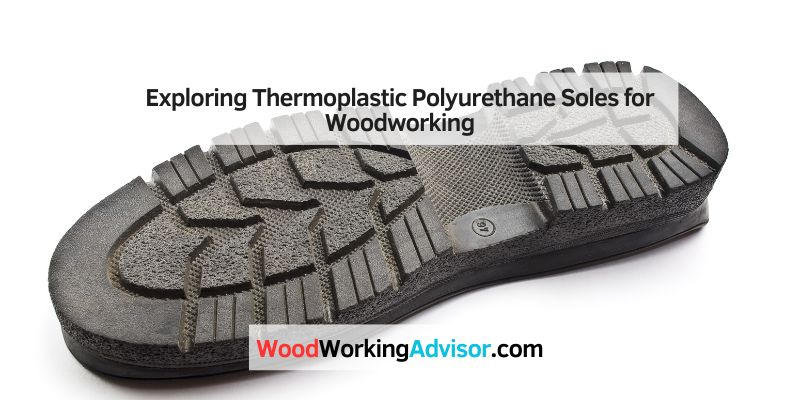
Exploring Thermoplastic Polyurethane Soles for Woodworking: A Game-Changer for Comfort and Durability
Hey there! If you’re a woodworking enthusiast like me, you know the importance of having the right gear. From sharp chisels to sturdy workbenches, every detail matters. But let’s talk about something that often gets overlooked—your footwear. Specifically, I want to dive into the world of thermoplastic polyurethane soles (TPU soles) and why they’re a fantastic choice for anyone spending long hours in the workshop. I’ve spent years tinkering with wood, and I’ve learned that the right shoes can make or break your day. TPU soles have become my go-to, and I’m excited to share why they’re a game-changer for woodworkers like us.
In this article, I’ll walk you through what TPU soles are, their benefits, how they compare to other materials, and why they’re perfect for woodworking. I’ll also share some practical tips on choosing the best TPU-soled shoes for your workshop. So, grab a cup of coffee, and let’s get started!
What Are Thermoplastic Polyurethane Soles?
Let’s start with the basics. Thermoplastic polyurethane, or TPU, is a type of plastic that’s both flexible and tough. It’s made by combining chemicals called polyols and diisocyanates, which create a material that can be molded when heated and stays solid when cooled. Unlike regular polyurethane (PU), TPU can be melted and reshaped multiple times, making it super versatile for manufacturing.
In footwear, TPU is often used to make shoe soles because it’s lightweight, durable, and offers excellent grip. I first came across TPU soles when I was looking for shoes that could handle the sawdust-covered floors of my workshop without slipping. What caught my attention was how TPU combines the best of both worlds—it’s soft enough to be comfortable but strong enough to last through tough conditions.
TPU soles come in different types, like polyester-based and polyether-based. Each has its own strengths, but they all share key qualities: flexibility, abrasion resistance, and the ability to handle a variety of surfaces. For woodworkers, this means shoes that can keep up with long hours of standing, walking, and dodging wood scraps.
Why TPU Soles Are Perfect for Woodworking
Woodworking isn’t just a hobby—it’s a physical job. You’re on your feet for hours, moving between tools, lifting boards, and sometimes dealing with slippery floors covered in sawdust or oil. I’ve tried all kinds of shoes over the years, from cheap sneakers to heavy-duty work boots, and TPU-soled shoes stand out for a few reasons.
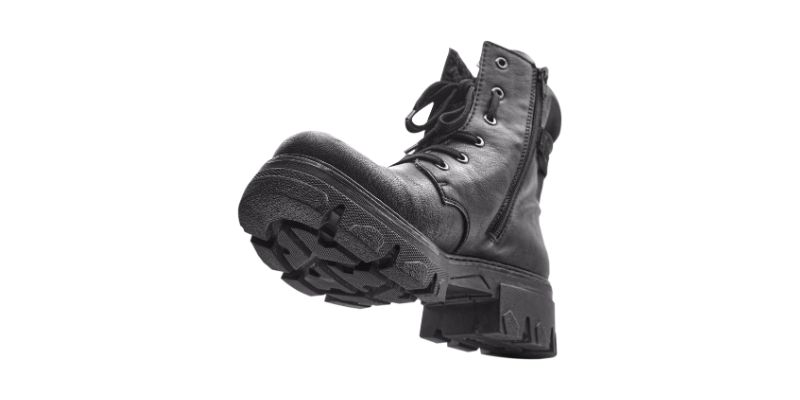
First, TPU soles are incredibly durable. In my workshop, I’m constantly stepping on wood chips, screws, or even spilled glue. Regular soles wear out fast, but TPU holds up against abrasions and cuts. I’ve had a pair of TPU-soled boots last me over two years of daily use, and they still look great.
Second, they’re lightweight. Heavy boots make my legs tired after a long day, but TPU soles feel like you’re wearing sneakers. This is a big deal when you’re moving around a lot or climbing ladders to grab supplies.
Third, TPU soles offer great traction. Sawdust and wood shavings can make floors slick, and I’ve had a few close calls with other shoes. TPU soles grip well, even on wet or dusty surfaces, which gives me peace of mind when I’m focused on a project.
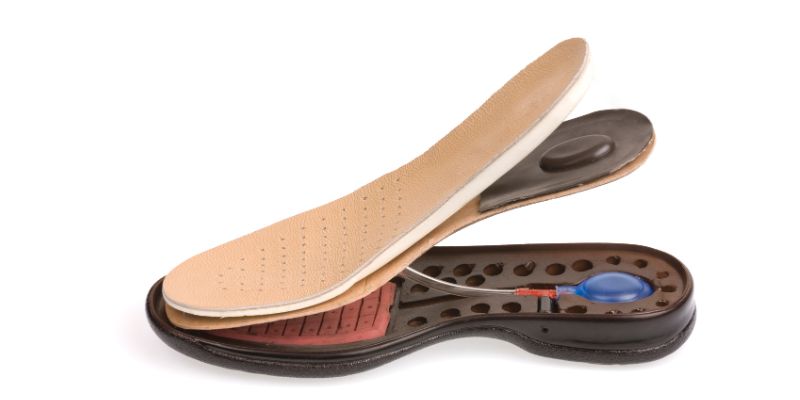
Finally, they’re comfortable. TPU soles have a bit of cushioning that absorbs shock, so my feet don’t ache after hours of standing. Whether
Comparing TPU Soles to Other Sole Materials
To give you a clearer picture, let’s compare TPU soles to other common sole materials used in work shoes. I’ve used shoes with rubber, EVA, and PVC soles in my workshop, so I can share how they stack up against TPU.
| Material | Pros | Cons | Best For |
|---|---|---|---|
| TPU | Lightweight, durable, flexible, excellent grip, recyclable | Slightly more expensive than EVA, less common in budget shoes | Work boots, sneakers, safety shoes |
| Rubber | Great traction, durable, good for heavy-duty use | Heavier, less cushioning, can be stiff | Outdoor work, rugged environments |
| EVA | Very lightweight, good shock absorption, affordable | Less durable, loses cushioning over time, poor abrasion resistance | Running shoes, casual wear |
| PVC | Durable, water-resistant, chemical-resistant | Poor slip resistance, rigid, not breathable | Rain boots, basic work shoes |
From my experience, TPU soles strike the best balance for woodworking. Rubber soles are tough but feel clunky after a while. EVA soles are super light but wear out too quickly in a workshop. PVC soles are okay for wet conditions, but they’re stiff and slippery. TPU gives you durability, comfort, and grip without the extra weight, making it ideal for long hours on the job.
The Benefits of TPU Soles for Woodworkers
Let’s dive deeper into why TPU soles are a woodworker’s best friend. I’ve broken down the key benefits based on my own experiences and what I’ve learned from other woodworkers.
Durability That Lasts
Woodworking is tough on shoes. You’re stepping on sharp tools, wood scraps, and sometimes even nails. TPU soles are built to take a beating. They resist abrasions, cuts, and chemicals like wood stains or glues. I once dropped a heavy oak board on my foot, and my TPU-soled boots didn’t even show a scratch. That kind of toughness is hard to beat.
Superior Traction
Slippery floors are a real hazard in the workshop. Sawdust, oil, or even a spilled drink can turn your floor into a skating rink. TPU soles, especially those with deep treads, provide excellent grip. I’ve tested mine on wet plywood and dusty concrete, and they’ve never let me down. This is especially important when you’re carrying heavy lumber or operating power tools.
Lightweight Comfort
Standing for hours can make your feet and legs sore. TPU soles are light, which reduces fatigue. They also have a bit of bounce that cushions your steps. After switching to TPU-soled shoes, I noticed I could work longer without feeling like my feet were screaming at me.
Flexibility for Movement
Woodworking involves a lot of bending, kneeling, and quick movements. TPU soles are flexible, so they move with your feet. Unlike stiff rubber soles, TPU feels natural, almost like an extension of your foot. This makes it easier to maneuver around tight spaces or climb onto workbenches.
Easy to Clean
Workshops get messy. Sawdust, glue, and paint can stick to your shoes. TPU soles are easy to clean with just a damp cloth or a quick rinse. I’ve even hosed mine off after a particularly messy project, and they dried quickly without any damage.
Eco-Friendly Bonus
Here’s something I didn’t expect when I first started using TPU-soled shoes—they’re recyclable. Unlike rubber or PVC, TPU can be melted down and reused. As someone who tries to reduce waste in my woodworking, I appreciate that little eco-friendly perk.
Choosing the Right TPU-Soled Shoes for Woodworking
Not all TPU-soled shoes are created equal, and picking the right pair for woodworking takes some thought. Here’s what I look for when choosing mine, based on years of trial and error.
Safety Features
Woodworking can be dangerous, so safety is key. Look for TPU-soled shoes with steel or composite toe protection to guard against falling tools or wood. Puncture-resistant soles are also a must in case you step on a nail or screw. I always check for slip-resistant ratings, especially if I’m working on oily or wet surfaces.
Comfort and Fit
Comfort is everything when you’re on your feet all day. Make sure the shoes have good arch support and cushioning. TPU soles already provide some shock absorption, but a padded insole can make a big difference. Try them on and walk around to ensure they fit snugly without pinching.
Breathability
Workshops can get warm, especially if you’re sanding or using power tools. Look for shoes with breathable uppers, like mesh or leather, to keep your feet cool. I’ve had pairs that felt like ovens, and it’s not fun.
Style and Functionality
I like boots that come up to my ankles for extra support, but low-top sneakers with TPU soles can work if you prefer more freedom. Choose a style that matches your workflow. If you’re constantly kneeling, look for shoes with reinforced toe areas to prevent wear.
Budget Considerations
TPU-soled shoes can be pricier than EVA or basic rubber soles, but they’re worth it for the durability. You can find good pairs starting around $50-$100, depending on the brand. I’ve found that investing in a quality pair saves money in the long run because they last longer.
How TPU Soles Enhance Your Woodworking Experience
Let me paint a picture for you. A few years ago, I was working on a big dining table project. I was using cheap sneakers with EVA soles, and by the end of the day, my feet were killing me. The soles were worn thin, and I kept slipping on sawdust. That’s when I switched to TPU-soled work boots, and it was a total game-changer.
With TPU soles, I could move around my workshop with confidence. The grip kept me steady, even when I was rushing between my table saw and workbench. The lightweight feel meant I wasn’t dragging my feet by noon. And the durability? I’m still wearing those boots for smaller projects today, three years later.
TPU soles also help with focus. When your feet are comfortable and you’re not slipping, you can concentrate on your cuts and joints instead of worrying about your footing. For me, that’s meant fewer mistakes and better-quality work. Plus, I don’t have to replace my shoes every few months, which gives me more time and money to spend on wood and tools.
Tips for Maintaining TPU-Soled Shoes
To get the most out of your TPU-soled shoes, a little care goes a long way. Here are some tips I’ve picked up over the years.
- Clean Regularly: Wipe off sawdust and debris after each session. A quick brush or damp cloth keeps the soles in top shape.
- Avoid Extreme Heat: TPU is heat-resistant, but leaving your shoes in a hot car or near a heater can weaken the material over time.
- Rotate Pairs: If you’re woodworking daily, consider having two pairs to rotate. This gives the soles time to rest and prevents overuse.
- Check for Wear: Even TPU soles wear out eventually. If you notice the tread getting thin or the cushioning feeling flat, it’s time for a new pair.
- Store Properly: Keep your shoes in a dry, cool place. Moisture can break down the material over time, especially in humid workshops.
Why I Recommend TPU Soles for Every Woodworker
After years of woodworking, I can honestly say TPU soles have made my workshop time more enjoyable. They’re tough enough to handle the mess and hazards of woodworking, light enough to keep me moving, and grippy enough to prevent slips. Whether you’re a weekend hobbyist or a professional carpenter, TPU-soled shoes can make your work safer and more comfortable.
If you’re still wearing old sneakers or heavy rubber boots, give TPU soles a try. You’ll notice the difference the first time you spend a full day in the shop. They’re not just shoes—they’re an investment in your craft.
Conclusion
As a woodworker, I know how much the right tools and gear can elevate your work. Thermoplastic polyurethane soles have been a revelation for me, blending durability, comfort, and safety in a way that’s perfect for the workshop. They’ve saved my feet from aches, my projects from slips, and my wallet from constant shoe replacements. I’ve shared my experiences and insights to help you see why TPU soles are worth considering for your woodworking adventures.
Whether you’re carving a small keepsake box or building a full furniture set, TPU-soled shoes can keep you steady and focused. So, next time you’re shopping for work shoes, look for that TPU label. Your feet—and your projects—will thank you. Let’s keep creating, one comfortable step at a time!
Frequently Asked Questions
What makes TPU soles different from regular polyurethane soles?
TPU soles are a type of polyurethane that can be melted and reshaped, making them more recyclable and versatile. Regular polyurethane (PU) is thermosetting, meaning it can’t be remolded once set. TPU is also lighter and more flexible, which makes it great for woodworking shoes.
Are TPU soles good for slippery workshop floors?
Yes! TPU soles have excellent traction, especially with deep treads. They grip well on sawdust, oil, or wet surfaces, which are common in workshops. I’ve found them to be a lifesaver on messy floors.
Can TPU soles be used in safety shoes?
Absolutely. Many safety shoes, like steel-toe boots, use TPU soles for their durability and slip resistance. They’re perfect for woodworking because they protect your feet while keeping you comfortable.
How long do TPU soles last?
It depends on how often you use them, but TPU soles are very durable. My favorite pair has lasted over two years with daily use in my workshop. Regular cleaning and care can extend their life even further.
Are TPU-soled shoes expensive?
They can be a bit pricier than EVA or basic rubber soles, but you can find quality pairs starting around $50. Their durability makes them cost-effective in the long run, especially for woodworkers who need reliable shoes.
Can I use TPU-soled shoes outside the workshop?
Definitely! TPU soles are versatile and work well for hiking, casual wear, or other outdoor activities. Their lightweight comfort and grip make them great for all sorts of tasks.