Polyurethane vs Polycrylic for a Dining Table: Heat-Test Winner
Oil-based polyurethane is the better finish for a dining table used daily, resisting heat up to about 200°F and scratches far better than polycrylic — though it takes up to 30 days to fully cure and adds an amber tint. Polycrylic dries clear in about an hour but can bubble under a hot mug. This guide compares cure times, heat resistance, cost per can, and which finish actually fits your table.
| Factor | Oil-Based Polyurethane | Water-Based Polyurethane | Polycrylic |
|---|---|---|---|
| Heat resistance | Handles hot plates and mugs; softens above ~200°F | Moderate; can soften under sustained heat | Weakest; can bubble or cloud under a hot dish |
| Dry time (between coats) | 6–8 hours | 2–4 hours | ~1 hour touch-dry, 2 hours to recoat |
| Full cure time | Up to 30 days | About 2 weeks | 1–2 weeks for full hardness |
| Coats typically needed | 2–3 | 3 | 3–4 (thinner coats) |
| VOC / odor | High — strong solvent odor while curing | Low | Lowest |
| Color effect on wood | Amber/yellow tint, deepens over years | Dries clear, non-yellowing | Dries clear, non-yellowing |
| Cost per quart (2026 street price) | $20–$50 | $25–$35 | $18–$28 |
Figures reflect published Minwax and General Finishes technical data sheets and typical big-box retail pricing as of 2026; actual cure time varies with humidity and coat thickness.
Oil-Based vs. Water-Based Polyurethane: What You’re Actually Choosing Between
Best Pick For A Daily-Use Dining Table

Minwax Fast-Drying Polyurethane (Oil-Based), Quart
The oil-based formula that handles hot plates, spills, and daily scratches better than any water-based option — the standard pick for a table that gets used every day.
- Best for: medium-to-dark wood tables in daily, heavy use
- Why we picked it: highest heat and scratch resistance of the three options here
- Main drawback: amber tint, strong odor while curing, up to 30 days to fully cure
Compare more dining table finish options
 Option 1 Minwax Polycrylic Protective Finish, Quart
|
 Option 2 Minwax Fast-Drying Polyurethane, Warm Satin, Quart
|
 Option 3 General Finishes High Performance Water Based Topcoat, Quart
|
As an Amazon Associate we earn from qualifying purchases.
Polyurethane comes in two very different formulas. Oil-based polyurethane builds a thick, hard protective film and dries with a warm amber tone that deepens over the years — it’s the toughest option for a table that takes daily abuse. Water-based polyurethane dries clear and has far lower VOCs, but forms a thinner film and is more prone to scratching than the oil-based version, even though it’s still tougher than polycrylic. See our full wood finishing guide if you’re also weighing options beyond these two families, like Danish oil versus polyurethane for a more natural look.
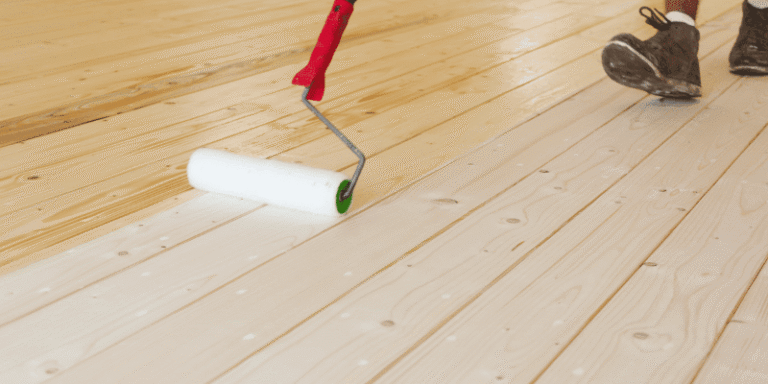
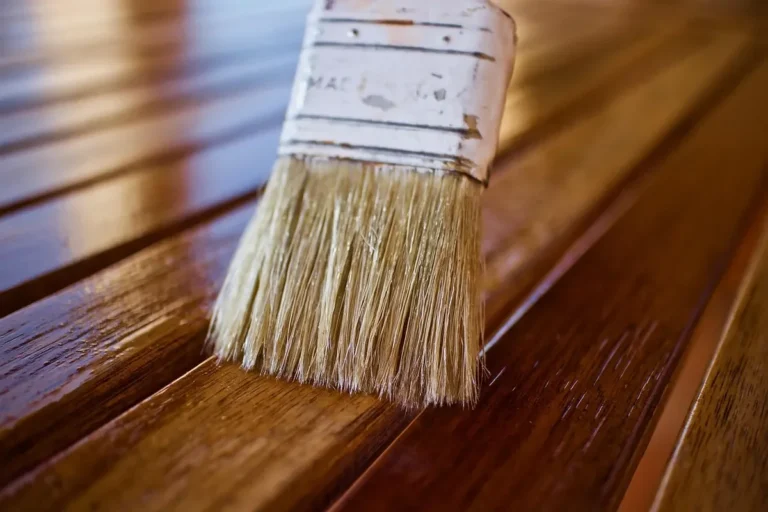
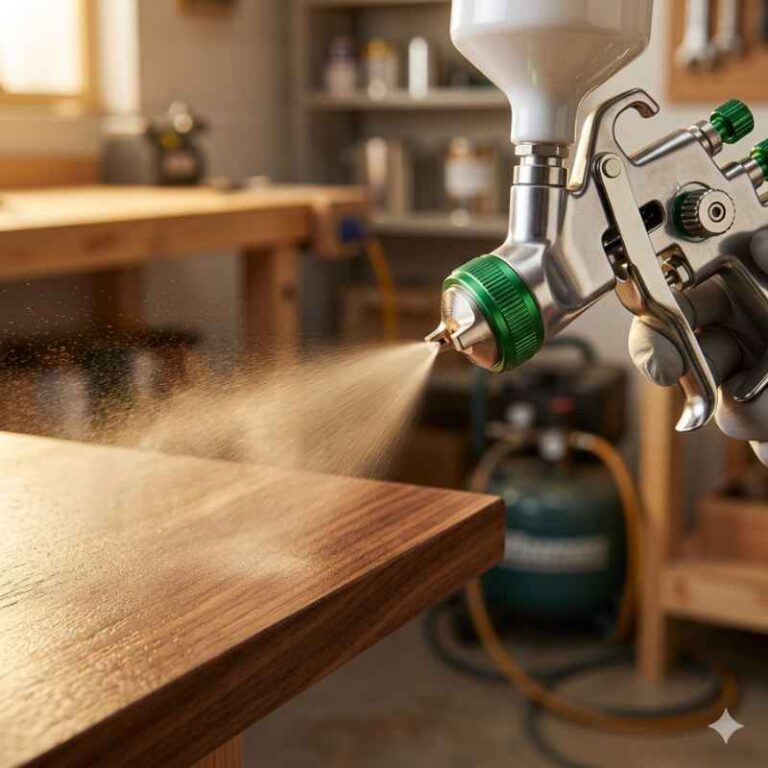
Both versions can be brushed, rolled, or sprayed, but working time differs: oil-based poly stays wet longer, which actually makes it easier to lay down a streak-free coat over a large surface like a tabletop. Water-based poly dries fast enough that lap marks show up if you hesitate.
What Polycrylic Actually Is, and Where It Works Well
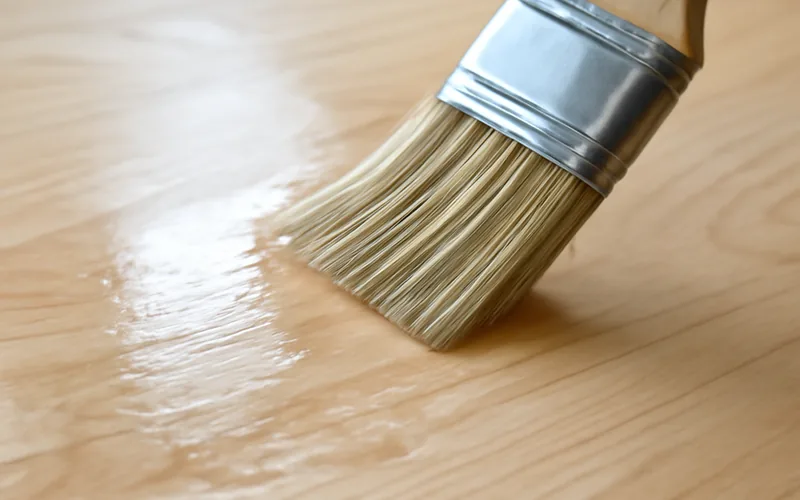
Polycrylic is a water-based acrylic/urethane blend built for interior wood that doesn’t need to survive heavy abuse — think picture frames, cabinet doors, and light-use furniture. It dries touch-dry in about an hour, stays perfectly clear over light woods like maple and ash, and cleans up with soap and water. For a broader look at how it stacks up against polyurethane on projects besides a dining table, see our full polyacrylic vs. polyurethane comparison.
The tradeoff: polycrylic’s protective film is thinner and softer than either type of polyurethane. It’s a fine choice for a dining table that mostly sits for display or sees light, occasional meals with placemats and coasters — it’s a poor choice for a table that takes hot dishes and daily scraping straight on the wood.
Durability and Heat Resistance: The Factor That Actually Matters for a Dining Table
A dining table isn’t a picture frame — it takes hot serving dishes, coffee mugs, dragged plates, and the occasional dropped fork. That’s why heat resistance and film hardness matter more here than on almost any other furniture piece. Oil-based polyurethane’s thicker, harder film resists a hot mug or serving dish that would soften or cloud a polycrylic finish. If your table sees this kind of daily use, compare it against a similar high-wear surface like a spar urethane tabletop finish, which trades some hardness for added UV and moisture resistance outdoors.
📊 Oil-based polyurethane needs up to 30 days to fully cure, versus about 2 weeks for water-based polyurethane and 1–2 weeks for polycrylic to reach full hardness. — Source: Minwax product technical data sheets, 2026
That cure-time gap matters in practice: a table finished with oil-based poly can be lightly used sooner than most people expect (touch-dry overnight), but it won’t reach full scratch and heat resistance until the full cure window passes. Set hot dishes on trivets and avoid heavy scrubbing during that window regardless of which finish you choose.
Is Polycrylic Food Safe for a Dining Table?
Neither polycrylic nor polyurethane is FDA-certified for direct or indirect food contact, and Minwax’s own product literature states plainly that Polycrylic is not intended for surfaces that will be in contact with food, beverages, or drinking water. That’s true of both finishes once fully cured — the water-based, low-VOC composition of polycrylic is generally considered a lower-risk choice for an indoor table than oil-based polyurethane, but “lower risk” is not the same as “food-contact approved.” We cover the full breakdown in is Minwax Polycrylic food safe and is water-based polyurethane food safe.
In practice, this rarely matters for a dining table: food touches plates and placemats, not the bare tabletop. If you’re finishing a butcher block or serving surface that food will directly contact, use a dedicated food-grade oil (like Minwax’s Food-Grade Wood Oil & Conditioner) instead of either polycrylic or polyurethane.
Which Finish Should You Use? A Decision Framework
- Medium or dark wood, used daily (hot plates, drinks, kids): oil-based polyurethane. It’s the only one of the three built to take that kind of abuse without softening.
- Light wood (maple, ash, whitewashed oak), used daily: water-based polyurethane. It won’t yellow the wood the way oil-based poly does, and it’s noticeably tougher than polycrylic.
- Light wood, occasional or display use: polycrylic, paired with placemats and trivets for actual meals.
- You need the table usable again fast: polycrylic dries touch-dry in about an hour, versus 6–8 hours for oil-based poly between coats.
“The dining tables I see fail early almost always got polycrylic because it was faster, then took daily hot-plate-and-scratch abuse it was never built for. If a table is going to eat dinner every night, I put oil-based polyurethane on it and tell the owner to expect the odor and the wait — it’s a one-time trade for a finish that outlasts the furniture underneath it.”
Maintenance and Recoating
Clean either finish with a soft, damp cloth and mild soap — skip ammonia-based cleaners and abrasive scrubbers, which dull both finishes over time. Inspect yearly for dulling or fine scratches, then lightly scuff-sand and recoat rather than waiting for the finish to fail completely. If you’re recoating with polyurethane, our guide on applying polyurethane without brush marks covers the technique for a smooth result on a large flat surface like a tabletop.
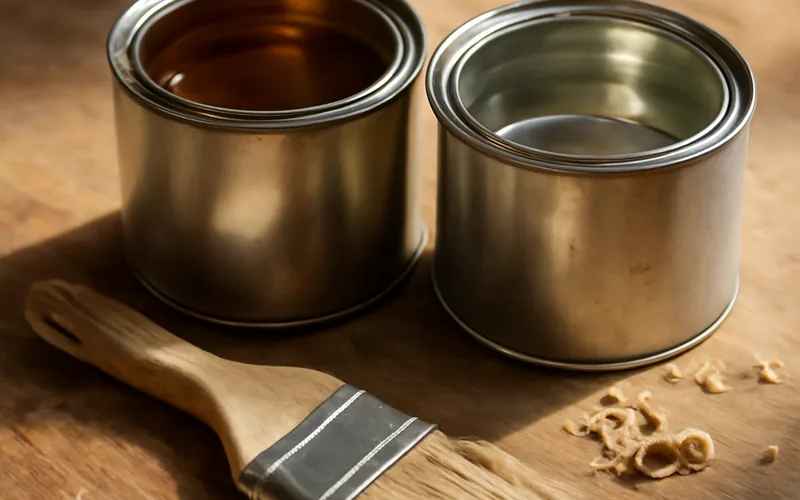
Rags and brushes used with oil-based polyurethane are a real fire hazard from spontaneous combustion as the oil cures — lay them flat outdoors to dry completely, or submerge them in water in a sealed metal container, before disposal.
Frequently Asked Questions
Should I use polycrylic or polyurethane for a table top?
Use oil-based polyurethane for a table top that sees daily use, hot dishes, or heavy scratching — it’s harder and more heat-resistant. Use polycrylic only for light-use tables or light-colored wood where you want to avoid any amber tint.
Is polycrylic safe for a dining table?
Polycrylic is safe to apply on a dining table’s frame and surface once fully cured, but it is not FDA-rated for direct or indirect food contact — and neither is polyurethane. Food normally touches plates and placemats, not the bare tabletop, so this rarely matters in practice.
What dries harder, polyurethane or polycrylic?
Oil-based polyurethane dries harder than both water-based polyurethane and polycrylic. Its thicker, denser film resists scratches and dents better, which is why it’s the standard recommendation for high-wear surfaces like dining tables and floors.
What is the downside of water-based polyurethane?
Water-based polyurethane costs more than polycrylic, needs more coats than oil-based poly to build the same protection, and scratches more easily than oil-based polyurethane despite drying faster and staying clear.
How long does polyurethane need to cure before you can use a dining table?
Oil-based polyurethane is touch-dry within a day but takes up to 30 days to fully cure. You can use the table lightly after 24–48 hours, but avoid hot dishes, heavy scrubbing, or placing objects for extended periods until the full cure window passes.
Can you put a hot plate directly on a polycrylic-finished table?
No. Polycrylic’s protective film softens and can cloud or bubble under sustained heat from a hot plate or dish. Always use a trivet or hot pad on a polycrylic-finished surface, even after full cure.
How much does it cost to finish a dining table with polyurethane vs. polycrylic?
A typical dining table needs roughly one quart per 2–3 coats. Oil-based polyurethane runs about $20–$50 per quart, water-based polyurethane about $25–$35, and polycrylic about $18–$28 — making polycrylic the cheapest option but also the least durable for daily use.
Conclusion
For a dining table that earns its keep every day, oil-based polyurethane’s heat and scratch resistance is worth the amber tint and the longer cure. Save polycrylic for light-colored wood and tables that see occasional, gentler use — and always follow the manufacturer’s instructions and cure times regardless of which finish you choose.
Sponsored / affiliate links. As an Amazon Associate I earn from qualifying purchases. I may earn additional commission from eligible campaigns.