What to Put on Steps to Prevent Slipping (By Surface Type)
Anti-slip tape, textured coatings, and aluminum treads stop steps from being slippery — the right pick depends on the surface (wood, concrete, tile, or metal) and whether steps face rain and snow. Falls on stairs are a leading home-injury cause, and the ADA recommends a 0.6 static coefficient of friction — bare wood and painted concrete usually fall short. This guide covers what to use by surface, outdoor durability, and which options meet that accessibility-grade traction.
📊 OSHA’s nonmandatory guidance recommends a static coefficient of friction of at least 0.5 for walking surfaces, while the ADA’s own research recommends 0.6 for steps and floors and 0.8 for ramps — most bare or painted wood and smooth concrete test well below either figure when wet. Source: OSHA Standard Interpretation, 2003
Why Steps Get Slippery
Best Anti-Slip Step Pick
Non-Slip Aluminum Stair Treads (8-Pack) – $39.99
Matches the aluminum-nosing pick in this guide’s surface comparison table — screws into wood, composite, or metal-frame steps and sheds rain, frost, and up to an inch of snow instead of trapping it.
- Best for: Outdoor wood or composite stairs that need a permanent, weatherproof fix
- Why we picked it: Raised aluminum ridges keep gripping through rain and snow instead of wearing smooth like tape or paint
- Main drawback: Requires drilling and screws, and the metal strip is visible on the tread
Compare more anti-slip step options
 Option 1 Waterproof 80-Grit Stair Tread Tape (12-Pack) – $24.99
|
 Option 2 INSL-X Sure Step Anti-Slip Paint (1 Gal) – $64.99
|
 Option 3 Ottomanson Outdoor Rubber Stair Treads (5-Pack) – $39.97
|
As an Amazon Associate we earn from qualifying purchases.
Most slick steps come down to three things: a smooth surface with nothing to grip, moisture from rain, dew, or cleaning, and worn-down texture on treads that used to have grip. Ice and algae make it worse outdoors, and low lighting hides the hazard until someone is already falling. Fixing any one of these helps — fixing the surface itself (the sections below) fixes the problem at its source instead of just reacting to it.
Best Anti-Slip Options by Step Surface
The right anti-slip fix depends heavily on what the step is made of. A coating that bonds well to bare wood can peel off sealed composite decking, and tape rated for indoor tile often fails outdoors within a season. Here’s what holds up on each surface, plus how long each option typically lasts and what it costs.
Wood Steps
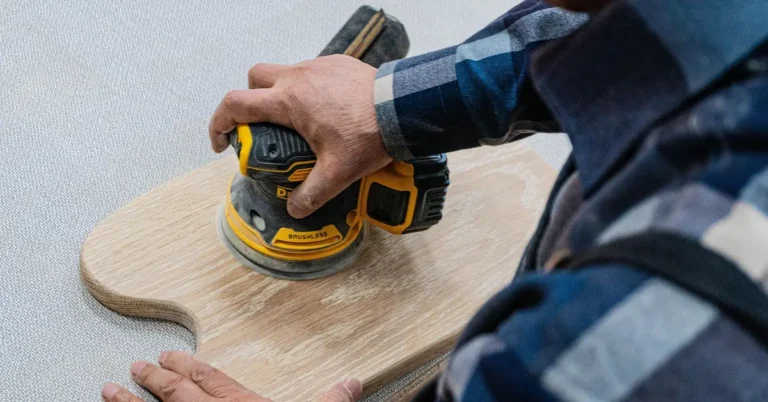
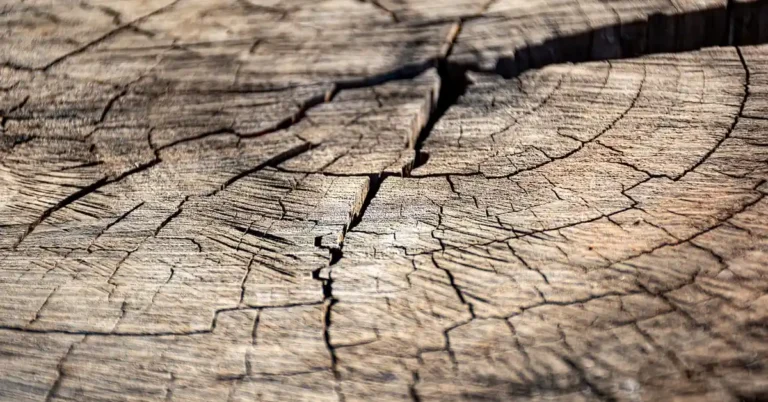
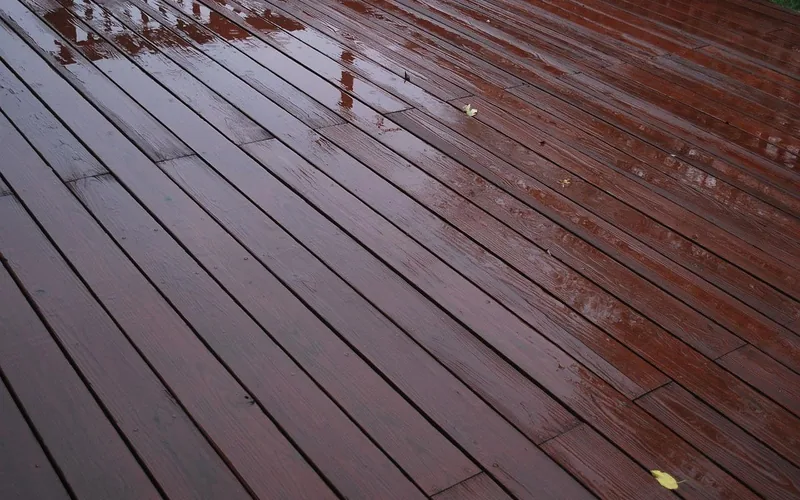
Bare and painted wood are the most common slip surfaces because finish and moisture combine to cut traction sharply. Adhesive grip tape, textured anti-slip paint, or screwed-down aluminum treads all work on wood; sanding the tread surface first (removing old finish, not the wood itself) helps any of them bond better. See our guide to wood deck texture for how grain and finish affect grip before you add a product on top.
Concrete Steps
Smooth or painted concrete needs either an etched/textured anti-slip coating or adhesive rubber treads — tape tends to lift off concrete faster than it does off wood because the surface flexes less and holds less adhesive contact.
Metal Steps
Metal stairs (fire escapes, utility stairs, RV steps) get slippery fast when wet because there’s no texture to begin with. Perforated or diamond-plate aluminum nosing, or a grit-based epoxy coating rated for metal, are the two solutions that actually stay bonded through temperature swings — standard grip tape often lifts at the edges once metal expands and contracts.
Tile and Laminate Steps
Tile and laminate are typically indoor surfaces, so weatherproofing matters less — but glazed tile and laminate finishes can be nearly as slick as wet wood. A clear, low-profile anti-slip treatment (a penetrating traction additive rather than a topical tape) keeps the finish visible while adding grip; thick adhesive treads tend to look out of place on a finished indoor stair.
Composite Decking Steps
Composite treads already have more texture than smooth wood, but the capped finish still gets slick when wet. Manufacturers generally recommend adhesive strips or aluminum nosing over paint-based coatings, since paint doesn’t bond well to the polymer cap. See our composite decking stairs ideas for tread and nosing options built for capped composite.
Carpeted Steps
Carpet is its own case — the failure mode isn’t a slick surface but a loose or worn runner. For carpet-specific fixes (padding, tack strips, runner backing), see our full guide to making carpeted stairs less slippery.
| Anti-Slip Option | Typical Lifespan Outdoors | Cost Range | Best For |
|---|---|---|---|
| Grip tape / adhesive strips | 6 months – 1 year | $10-$30 | Fast, low-cost fix on wood or composite |
| Textured anti-slip paint/coating | 2-5 years | $50-$100/gallon | Wood or concrete needing color + grip in one step |
| Rubber treads/mats | 2-5 years | $30-$100 | Concrete, brick, or textured steps |
| Aluminum stair treads/nosing | 10+ years, often warrantied for life | $35-$60 (multi-pack) | Outdoor wood, composite, or metal steps facing snow |
| Carpet runner (non-slip backing) | 3-7 years | $40-$150 | Indoor wood or tile stairs |
Anti-Slip Coatings and Paint
Anti-slip coatings add texture directly into the paint or sealer, so grip doesn’t wear off the way a surface-level tape can. They work best when the surface is fully cleaned and dry first, since trapped moisture is the main reason these coatings fail early.
| Type of Coating | Description |
|---|---|
| Epoxy coatings | Durable, resistant to wear — best for concrete and garage-style steps. |
| Acrylic coatings | Flexible and easy to apply by roller; bonds well to wood. |
| Polyurethane-based coatings | Strong protective layer, good for high-traffic outdoor steps. |
For long-lasting results: clean the surface thoroughly, apply only when the forecast is dry for at least 24 hours, and follow the manufacturer’s recoat window. Reapply every 2-5 years as the texture wears down (see the comparison table above).
Tape, Treads, and Stair Nosing
Non-slip treads and grit tape are the fastest fix for a slick step, and stair nosing (a metal or rubber strip fitted to the front edge) adds protection exactly where most slips happen — the leading edge of the tread, not the flat middle.
To install non-slip tread tape:
- Clean the step: Sweep off debris and let the surface fully dry.
- Measure and cut: Size the tread to the step width, trimming with a utility knife.
- Peel the backing: Expose the adhesive in one continuous pull to avoid folding it on itself.
- Press and roll: Apply firm pressure edge to edge, using a roller or block to force out air pockets.
- Let it set: Avoid foot traffic for at least 2-4 hours so the adhesive fully bonds.
Grit tape is the cheapest fix but the shortest-lived outdoors (6 months to a year per the comparison table above) — a shovel edge or repeated ice scraping will lift it faster than foot traffic alone.
Mats, Rugs, and Carpet Runners
Rubber mats add traction without any permanent modification to the step — choose a weather-resistant mat for outdoor use, since indoor-rated mats degrade quickly in sun and rain. Carpet runners with a non-slip backing work well on indoor wood or tile stairs and add cushioning most other options don’t.
If your stairs are already fully carpeted rather than bare, the failure point is usually the carpet itself working loose — our dedicated carpeted stairs guide covers padding, tack strips, and runner-backing fixes specific to that surface.
Whichever mat or runner you use, secure it at every step — a loose mat is itself a trip hazard, which defeats the purpose. Double-sided carpet tape or a stair-rod system keeps runners from creeping over time.
Outdoor Steps: Rain, Snow, and Ice
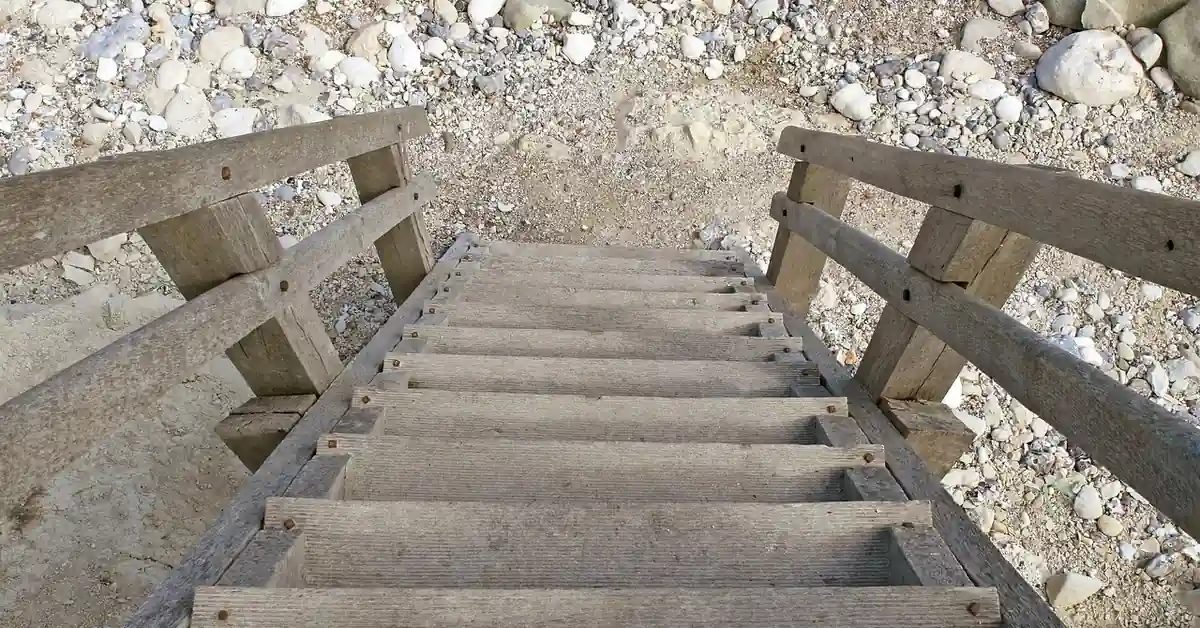
Outdoor steps face hazards indoor steps never see. Knowing which one you’re dealing with changes what actually helps:
| Hazard | Why It’s Dangerous | What Helps |
|---|---|---|
| Rain | Wet wood and sealed finishes lose most of their traction within minutes | Textured coating or aluminum treads that channel water away |
| Snow and ice | Can turn a tread into a solid slide with almost no grip | Raised aluminum nosing (displaces up to about an inch of snow) or rock salt-safe grit tape |
| Wet leaves | Create a slick film even after the step itself dries | Regular sweeping plus a textured surface underneath |
| Algae and mold | Grows in shaded, damp corners and stays slick even when the rest of the step is dry | Scrub with an oxygen-bleach cleaner, then reseal or recoat |
Products rated only for indoor use often fail fastest outdoors — check that any tape, tread, or coating you buy is explicitly listed as exterior/weatherproof before installing it on steps exposed to the elements.
Step Design, Lighting, and Handrails
Beyond the tread surface itself, a few structural details cut slip risk further. Handrails give people something to catch themselves on before a slip becomes a fall — this matters most on the first and last steps, where falls are most common. Bright, even lighting at the top and bottom of a staircase, ideally with a motion sensor for night use, lets people actually see a hazard before they step on it.
A quick seasonal check catches most problems before they cause a fall: look for cracked, loose, or worn treads, clear off leaves and debris regularly, and touch up any anti-slip coating once the texture visibly smooths out. Adding a contrasting edge color to the front of each step also helps people judge depth, especially in low light.
“A research project sponsored by the [U.S. Access] Board concluded that a higher coefficient of friction was needed by people with disabilities than the general population, recommending 0.6 for steps and floors and 0.8 for ramps.”
Frequently Asked Questions
What Are Effective Materials For Anti-slip Steps?
Effective materials include rubber mats, non-slip tape, and textured coatings. These options enhance grip and reduce the risk of slipping. Choose materials suitable for both indoor and outdoor use. Always ensure they are weather-resistant if placed outside. Regular maintenance will prolong their effectiveness.
How Can I Make My Steps Less Slippery?
To make steps less slippery, consider using non-slip coatings or adhesive strips. Regularly clean the steps to remove dirt and moisture. Additionally, adding outdoor rugs or mats can provide extra traction. Ensure adequate lighting to improve visibility, especially in low-light conditions.
Are There Specific Products For Slippery Stairs?
Yes, there are several products designed specifically for slippery stairs. Non-slip treads, mats, and coatings are widely available. Look for options that are easy to apply and durable. Many of these products also come in various colors and designs to match your aesthetic needs.
How Often Should I Maintain Slip-resistant Surfaces?
Maintenance of slip-resistant surfaces should occur regularly, ideally every few months. Check for wear and tear, and replace any damaged materials promptly. Cleaning is essential to remove debris and moisture. Regular inspections will help keep your steps safe and functional for longer periods.
What Is the Anti-Slip Material on Stairs Called?
It’s usually called stair tread tape, anti-slip tread, or stair nosing, depending on the form. Tape is an adhesive strip, a tread is a full-width covering, and nosing is a strip fitted specifically to the front edge of the step, where most slips start.
How Do You Stop Tile or Laminate Stairs From Being Slippery?
Use a clear, penetrating anti-slip treatment rather than a topical tape or mat — it adds grip into the finish itself without changing the look of the tile or laminate. Keep the surface dry and free of dust, since both materials lose traction fast once a fine layer of grit or moisture builds up.
Conclusion
Taking steps to prevent slipping is essential for safety. Match the fix to the surface — aluminum treads or grit tape for outdoor wood and composite, textured coatings for concrete, penetrating treatments for tile and laminate — and keep the option honest about the 0.6 friction figure the ADA’s own research recommends. Regular maintenance and good lighting close the rest of the gap.
Stay safe and secure!
Sponsored / affiliate links. As an Amazon Associate I earn from qualifying purchases. I may earn additional commission from eligible campaigns.