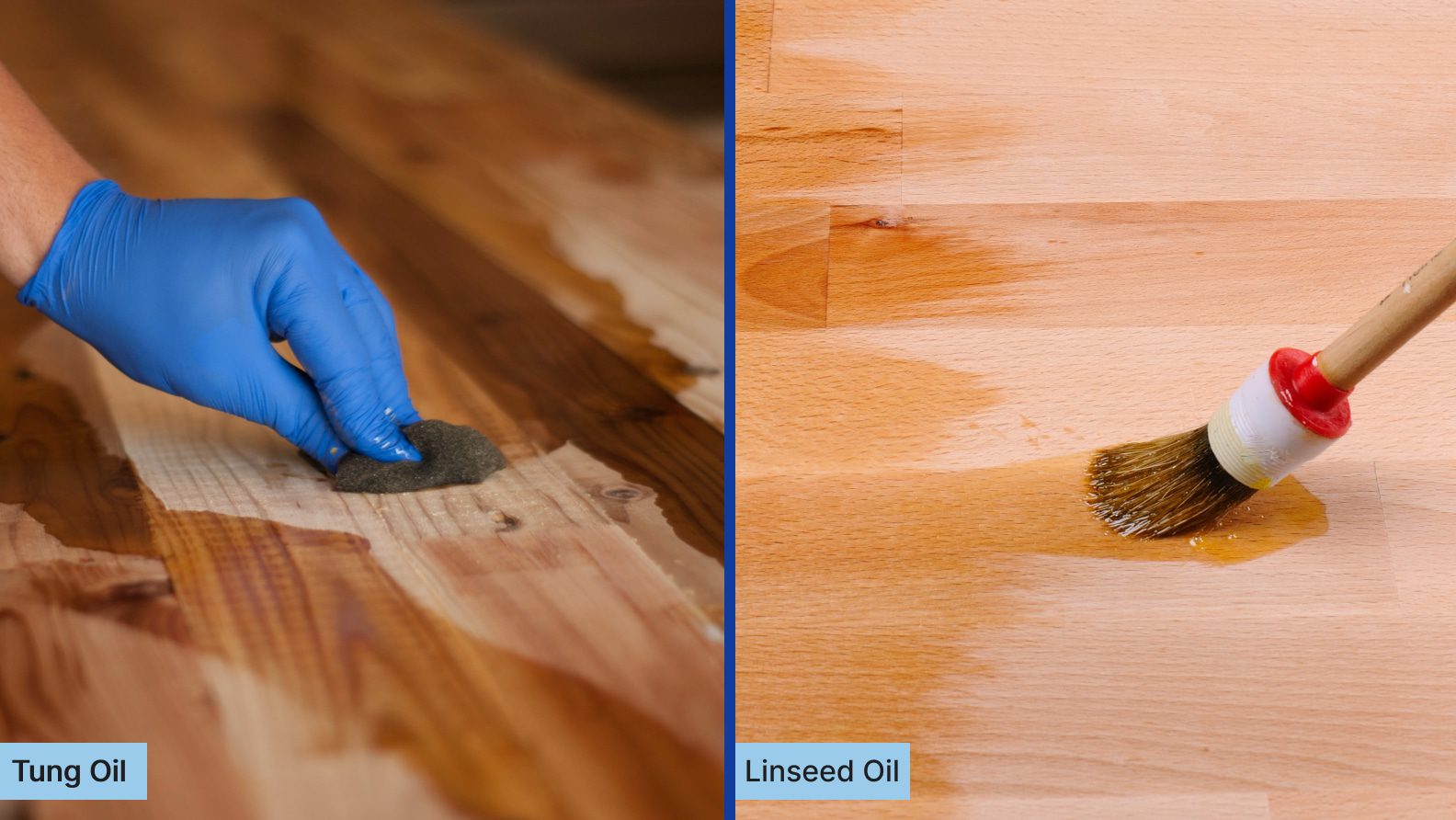
Tung Vs Linseed Oil: Which is Best for Wood Finish?
Are you standing in the aisle of your favorite hardware store, scratching your head, trying to decide between tung oil and linseed oil for your next woodworking project? You’re not alone.
Choosing the right oil can make or break the look and longevity of your woodwork. It’s not just about picking a product; it’s about selecting the perfect partner for your project that will protect, enhance, and bring out the natural beauty of the wood.
We’ll dive into the details of tung and linseed oil, unraveling their secrets and helping you make an informed choice. Stick around because by the end, you’ll feel confident and ready to transform your woodwork into a masterpiece.
Tung Oil Overview
Tung oil comes from the seeds of the tung tree. This tree grows in China and other Asian countries. The oil is natural and is used for many things. It makes wood look good. Tung oil is also safe for the environment. It has a unique composition. This includes fatty acids that help protect wood. The oil penetrates deep into the wood. This makes it strong and durable.
Applying tung oil is easy. First, clean the wood surface. Then, use a brush to spread the oil thinly. Let it dry for a day. You can add more layers if you want. Each layer makes the finish stronger. Always let the oil dry completely between layers. This ensures a smooth finish. Tung oil does not need a lot of maintenance. It keeps the wood safe for a long time.
The finish from tung oil looks very natural. It enhances the wood’s natural color. The oil provides a soft shine. This makes the wood look elegant. Tung oil is resistant to water. This means spills won’t damage the wood easily. It also protects against scratches and wear. The finish is flexible. This allows the wood to breathe. Over time, the oil may darken a little. This adds charm to the wood.
Linseed Oil Overview
Linseed oil offers a natural finish for wood, providing a warm glow. Tung oil, known for its water resistance, creates a more durable surface. Both oils enhance wood grain, but tung oil takes longer to dry. Choose based on the desired finish and protection level for your project.
Origin And Composition
Linseed oil comes from flax seeds. Farmers grow these seeds in many places. This oil is known for its natural properties. It contains fatty acids. These acids are good for wood. They help protect it from damage.
Application Process
Applying linseed oil is easy. First, clean the wood surface. Remove dust and dirt. Use a brush or cloth to apply the oil. Let the wood soak the oil. Wait for it to dry. Repeat if needed. This process makes the wood strong and shiny.
Finish Characteristics
Linseed oil gives wood a soft finish. It makes it look warm and natural. The finish is not very shiny. It enhances the grain of the wood. The oil darkens over time. This adds a unique touch to the wood.
Comparing Tung And Linseed Oil
Tung oil creates a tough, water-resistant surface. It protects against moisture and wear. Linseed oil penetrates deeply into wood. It offers moderate protection. Tung oil is more durable than linseed oil. It withstands scratches better. Linseed oil needs more frequent reapplication. It wears out faster. Choose tung oil for high-traffic areas. Linseed oil is good for less-used items.
Tung oil gives a natural, matte finish. It enhances the wood grain beautifully. Linseed oil adds a warm, yellowish tint. It darkens wood over time. Tung oil keeps the wood’s true color. Linseed oil changes it slightly. Both oils enrich wood appearance. Tung oil maintains a lighter look. Linseed oil offers a richer tone.
Tung oil takes longer to dry. It needs more coats for full protection. Linseed oil dries faster. It requires fewer coats. Tung oil is harder to apply evenly. Linseed oil spreads easily. Both oils require regular maintenance. Tung oil is best for experienced users. Linseed oil suits beginners well.
Environmental Impact
Both Tung oil and Linseed oil come from plants. This makes them good for the earth. Tung oil comes from the seeds of the Tung tree. Linseed oil is from flax seeds. Farmers grow these plants again and again. This means they are renewable. Choosing these oils helps the environment. It is better than using oils from non-renewable sources. Using plant-based oils reduces harm to nature.
Tung oil and Linseed oil are safe when dry. They do not harm people or animals. Wet Tung oil can cause skin irritation. Always wear gloves when using it. Linseed oil can catch fire if left on cloths. Be careful to store them safely. Both oils are safer than chemicals. They are better for home use. Always read labels for safety tips.
Cost Considerations
Choosing between Tung oil and Linseed oil depends on budget. Tung oil usually costs more than Linseed oil. This is because Tung oil is harder to find. Linseed oil is more common and cheaper. Both oils offer good value for your money.
Tung oil needs fewer coats. This saves oil and money. Linseed oil might need more coats. That could mean more spending. Think about how much oil you need. This will help in deciding which is cheaper.
:max_bytes(150000):strip_icc()/GettyImages-98458433-34246b5e035d433c91169def5959b2de.jpg)
Credit: www.thespruce.com
Best Uses For Tung Oil
Tung oil is perfect for wood finishing. It gives wood a nice shine. It protects wood from water. It keeps wood safe from scratches. Use it on furniture. Use it on floors. Use it on outdoor decks. Tung oil is great for wooden toys. It is safe for kids. Tung oil dries fast. It does not smell bad. It is easy to apply. Just brush it on. Let it dry. Enjoy the beautiful look. Tung oil is natural. It is eco-friendly. It is non-toxic. It has no harmful chemicals. It is safe for the environment. Perfect for people who care. Tung oil lasts long. It keeps wood strong. It is a smart choice. Use it for a happy home.
Best Uses For Linseed Oil
Linseed oil is great for wood finishing. It protects and enhances the wood. The oil gives the wood a warm glow. It also keeps it safe from water damage. Artists use linseed oil for painting. It helps mix colors well. It makes paintings shine. Linseed oil is also used for metal protection. It stops metal from rusting. Farmers like linseed oil for leather care. It keeps leather soft and strong. Many people love using linseed oil for home projects. It is natural and safe.
:max_bytes(150000):strip_icc()/SPR-tung-oil-vs-linseed-oil-6499827-comparison-d509e637a65e4842a06d894da0a6feb4.jpg)
Credit: www.thespruce.com
Expert Recommendations
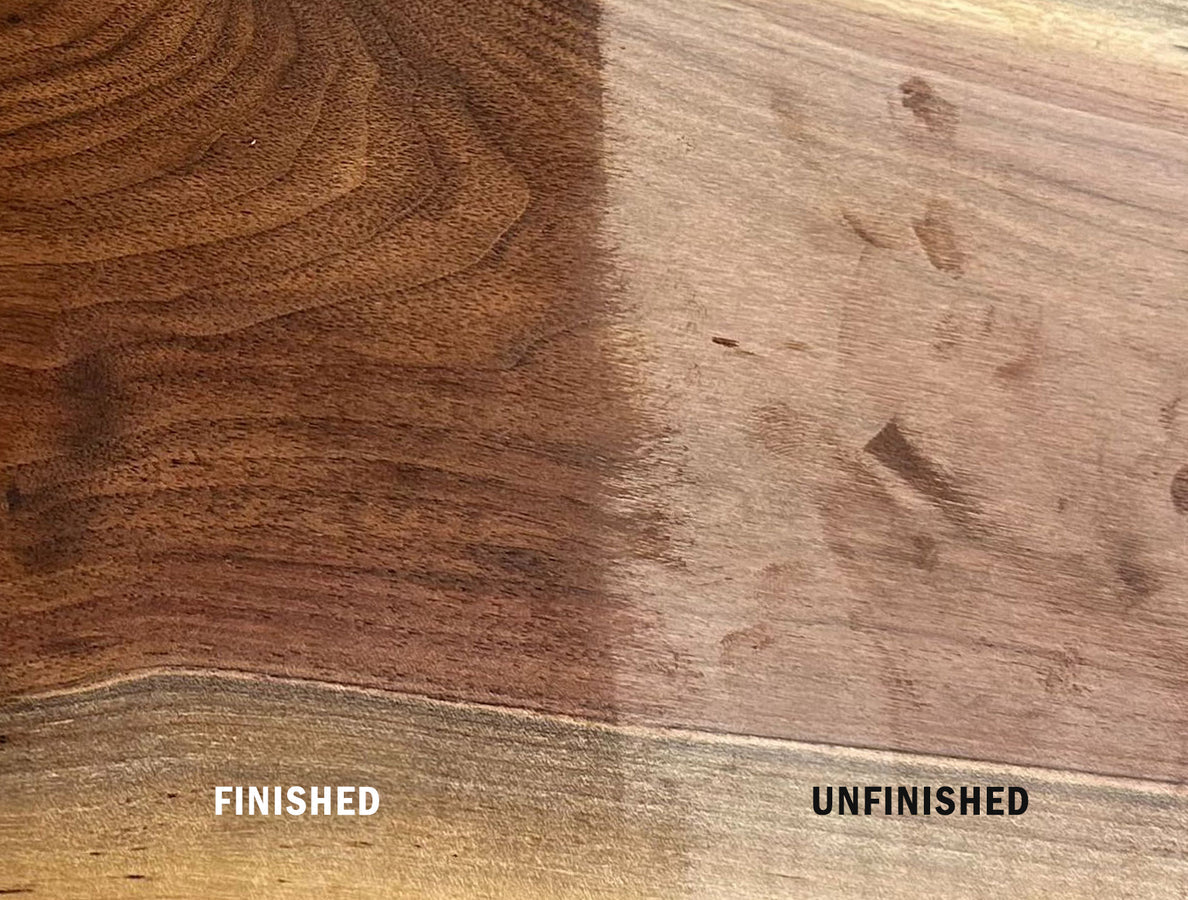
Tung oil is great for wood. It makes wood shine. This oil dries fast. It can protect wood from water. It is also good for outdoor use. People often use it for boats. Tung oil is natural. It is safe for the environment. It does not smell bad. It is easy to apply. Just use a brush or cloth.
Linseed oil is very old. People used it a long time ago. It makes wood look warm. It takes time to dry. This oil is good for indoor furniture. It protects wood from scratches. It is also natural. People like its smell. It is simple to use. Rub it on wood.
Credit: walrusoil.com
Frequently Asked Questions
Is Linseed Oil Or Tung Oil Better?
Tung oil offers superior water resistance and durability compared to linseed oil. Linseed oil is more affordable and easier to apply. Choose tung oil for outdoor or high-moisture areas, while linseed oil suits indoor furniture. Both enhance wood grain and color.
Evaluate your project’s needs to decide the best option.
What Are The Disadvantages Of Tung Oil?
Tung oil requires multiple coats for a durable finish, making application time-consuming. It can darken over time, affecting the wood’s appearance. The oil is sensitive to temperature and humidity, limiting its use in certain environments. It may not provide sufficient protection against water damage compared to synthetic finishes.
What Is The Best Oil For Finishing Wood?
Tung oil and linseed oil are popular for finishing wood. They penetrate deeply and enhance the wood’s natural beauty. Danish oil, a blend of oils and varnishes, offers a durable finish. Choose based on the desired sheen and protection level.
Always test on a small area first.
What Are The Disadvantages Of Using Linseed Oil On Wood?
Linseed oil can cause wood to darken over time. It attracts mildew and takes a long time to dry. It can become sticky if over-applied and offers limited water resistance. Regular maintenance is required to preserve its finish, making it less suitable for high-moisture areas.
Conclusion
Choosing between tung and linseed oil depends on your project’s needs. Tung oil dries faster and resists water well. Linseed oil, on the other hand, offers deep penetration and rich finish. Both oils enhance wood’s beauty uniquely. Consider your wood type and desired finish.
Think about drying time and durability. These factors help in making the right choice. Both oils have pros and cons. Evaluate based on your priorities. Whether it’s tung’s water resistance or linseed’s rich depth, each serves its purpose. Make your decision wisely for stunning results.
Your project’s success lies in the details.