Wood Oil vs Stain: What’s the Real Difference?
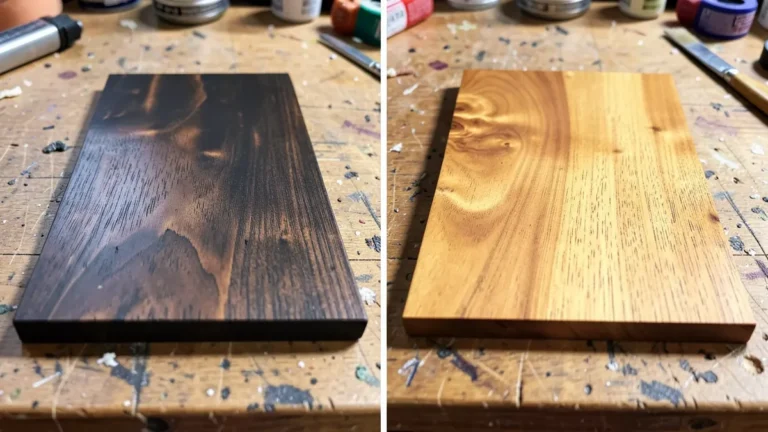
Wood oil (tung oil, Danish oil, teak oil) penetrates into the wood fiber and enhances the natural grain with a low-sheen, hand-rubbed look; wood stain sits closer to the surface and changes the wood’s color, often dramatically, without necessarily protecting it on its own. Most stains need a separate topcoat (polyurethane or varnish) for real protection, while a penetrating oil is both color and protection in one product.
They’re not interchangeable and not really competing for the same job: oil is a finish, stain is a colorant. The real decision most people are actually making is “do I want to change the wood’s color dramatically (stain) or just enhance what’s already there (oil)” — and whether the piece also needs a protective topcoat either way.
Wood Oil Basics
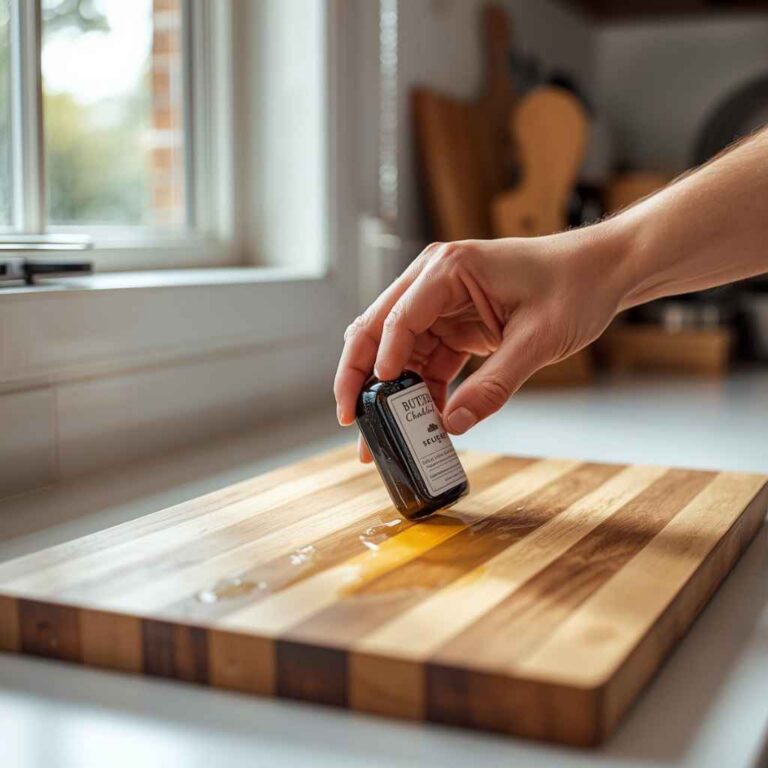
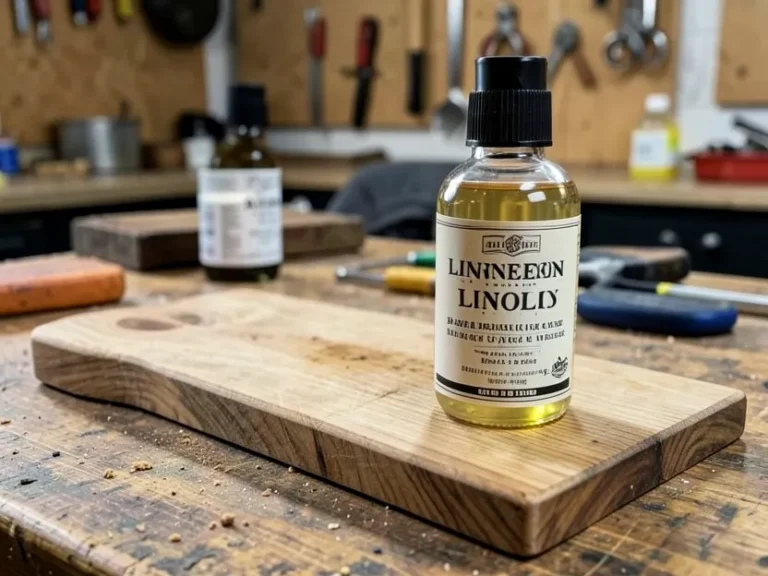
Penetrating oils (tung, linseed, Danish, teak) soak into the wood fiber rather than forming a film on top, which is why oiled wood still feels and looks like wood — you can feel the actual grain texture through the finish. Oil does deepen and warm the wood’s existing tone somewhat (most oils make wood look slightly darker and richer), but it doesn’t fundamentally change the color the way a pigmented stain does.
Oil finishes generally don’t make wood “brighter” in the sense of lighter or more reflective — they typically deepen and saturate the existing color and add sheen, which can read as richer or more vibrant without actually lightening the wood.
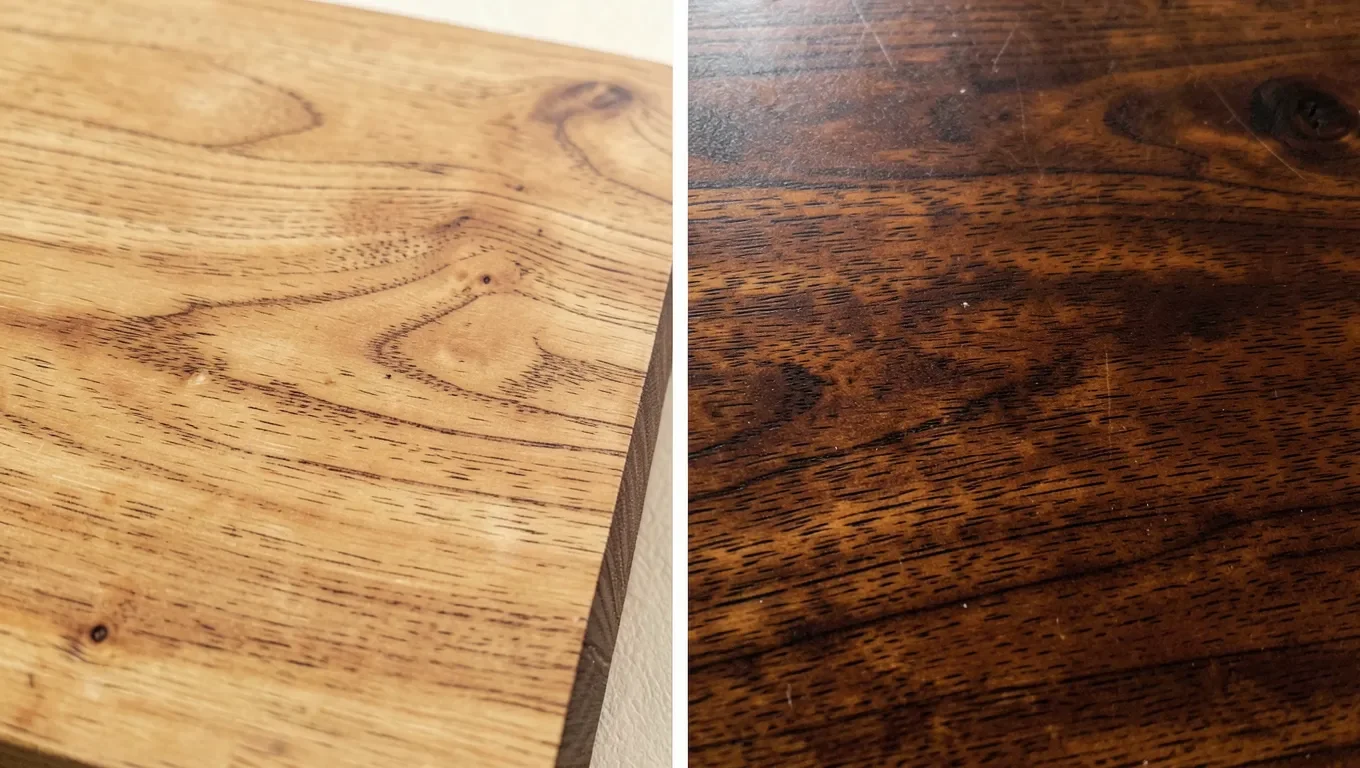
Best For A Dark, Rich Color Change
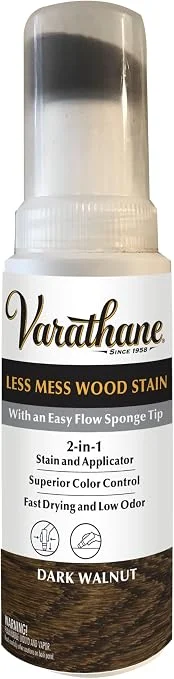 |
Varathane Less Mess Dark Walnut Stain, 4 oz – $8.90 For projects where you want a real color change, not just a grain enhancement — still needs a topcoat for real protection.
|
Stain Essentials
Wood stain uses pigment or dye suspended in a carrier (oil-based, water-based, or gel) to change the wood’s color, from a subtle tint to a dramatic shift like turning pale pine into a deep espresso brown. Stain alone offers minimal physical protection — it’s a colorant, not a sealant, which is why most stained projects get a clear topcoat (polyurethane, varnish, or lacquer) applied afterward.
Oil-based stains penetrate slightly and dry slowly but give rich, even color and a long working time to wipe off excess. Water-based stains dry fast and have low odor but can raise the wood grain slightly, often needing a light sanding pass after the first coat.
Application Process
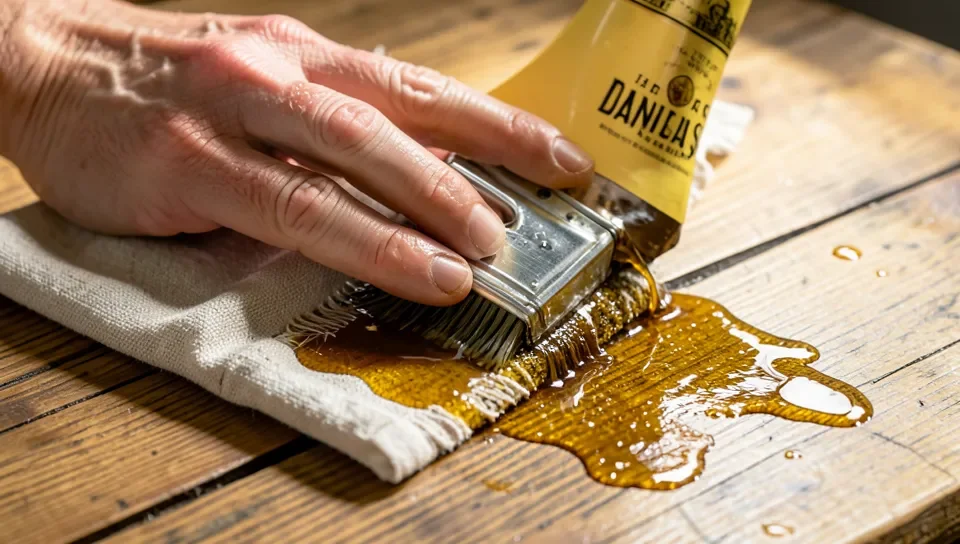
Applying oil is simple: wipe or brush it on generously, let it soak in for the time the product specifies (usually 10-30 minutes), then wipe off all excess with a clean cloth — excess oil left on the surface stays tacky and never fully cures. Multiple thin coats, each fully cured before the next, build up more depth and protection than one heavy coat.
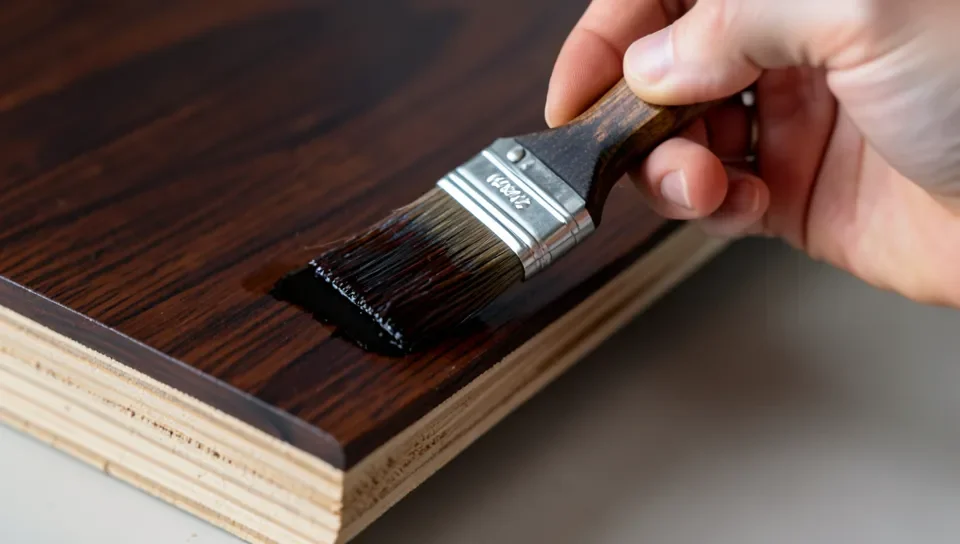
Staining requires more prep: sand to an even, consistent grit first (uneven sanding causes blotchy, uneven stain absorption), apply with a brush, rag, or foam applicator working with the grain, then wipe off excess after the manufacturer’s specified time. A pre-stain wood conditioner on blotch-prone woods (pine, cherry, birch) evens out absorption before the stain goes on.
Durability And Protection
A film-forming topcoat (polyurethane over stain, or a hardening oil like tung oil built up in multiple coats) offers more physical protection against scratches, spills, and moisture than a single-coat oil wipe-on finish. Penetrating oils need periodic reapplication (every 6-12 months for high-use surfaces) since they wear from the surface down rather than staying as an intact protective film.
Stain by itself provides almost no protection — the durability of a stained piece comes entirely from whatever topcoat goes over it, not the stain itself. Comparing “oil vs. stain” durability only makes sense when you compare oil against stain-plus-topcoat, since bare stain isn’t really a finish on its own.
Aesthetic Considerations
Oil gives a natural, low-sheen, “hand-rubbed” look that keeps the wood looking like wood — a common choice when the grain itself is the feature you want to show off. Stain offers far more color range, including colors that don’t exist in nature for that species (gray-washed oak, ebony-black walnut), making it the choice when color, not grain texture, is the design goal.
Combining both is common and not contradictory: stain first for color, then oil or a clear topcoat over it for protection and sheen — “oil vs. stain” is often a false choice in real projects.
Environmental Impact And Cost
Natural oils (pure tung, linseed) are generally lower in VOCs than solvent-based stains and polyurethanes, and several are food-safe once fully cured, which matters for cutting boards and children’s furniture. Water-based stains and finishes have dropped VOC content significantly compared to older oil-based formulas, closing much of that gap.
Cost is close for small projects either way — a quart of either typically runs $10-$30 depending on brand and quality. The bigger cost difference comes from the topcoat stain usually needs, which oil-only projects can skip.
Best Uses For Each
Choose oil for: cutting boards and butcher blocks (food-safe, easy to refresh), furniture where you want to preserve and show off a beautiful natural grain, and any project where periodic reapplication is an acceptable maintenance routine. Choose stain (with a topcoat) for: matching new wood to existing furniture color, achieving a specific design color that doesn’t occur naturally, and floors or high-traffic surfaces that need the harder protective film a topcoat provides.
Frequently Asked Questions
What Is The Difference Between Wood Oil And Stain?
Wood oil penetrates the wood fiber and enhances its natural color and grain with minimal color change; wood stain sits closer to the surface and changes the wood’s color, often dramatically, but provides little protection on its own without a topcoat.
Does Wood Oil Make The Wood Brighter?
Not brighter in the sense of lighter. Oil typically deepens and saturates the wood’s existing color and adds sheen, which can look richer and more vibrant, but it doesn’t lighten the wood the way some finishes or bleaches do.
Can You Use Teak Oil Over An Oil-Based Stain?
Yes, once the stain has fully cured (check the label, typically 24-72 hours). Teak oil applied over cured stain adds sheen and some protection, though it isn’t a substitute for a true film-forming topcoat like polyurethane on high-use surfaces.
Is Oil Or Stain Better For A Wood Floor?
For a wood floor, stain followed by a durable polyurethane topcoat is the standard approach, since floors need a hard protective film that bare oil doesn’t provide. Oil-only floor finishes exist (hardwax oils) but require more frequent maintenance than a polyurethane-topped stain.
Conclusion
Oil and stain aren’t really competitors — oil is a finish that enhances what’s already there, stain is a colorant that changes it, and most stained projects still need a topcoat oil-only projects can skip. Pick oil to show off good grain with easy maintenance, pick stain (plus a topcoat) to change the color or match an existing piece.
Many projects legitimately use both: stain for color, then oil or polyurethane over it for protection and sheen.
Sponsored / affiliate links. As an Amazon Associate I earn from qualifying purchases. I may earn additional commission from eligible campaigns.