Your Guide to Veranda Composite Decking Materials: Building a Beautiful, Durable Outdoor Space
Hey there! If you’re dreaming of a stunning veranda that’s both a relaxing retreat and a low-maintenance masterpiece, you’ve likely come across Veranda composite decking. I’ve spent plenty of time researching and exploring this material for my own backyard projects, and I’m thrilled to share everything I’ve learned with you. Veranda composite decking materials are a fantastic choice for homeowners in the USA who want a durable, eco-friendly, and stylish outdoor space without the hassle of traditional wood.
In this guide, I’ll walk you through what makes Veranda special, its materials, benefits, color options, and a few challenges, all while keeping things simple and engaging. Think of me as your friend sitting next to you, explaining it all over a cup of coffee. Let’s dive into the world of Veranda composite decking!
What Is Veranda Composite Decking?
When I first started looking into decking options, I was curious about what makes Veranda stand out. Veranda composite decking is a blend of recycled wood fibers and plastic, capped with a protective layer to boost durability. It’s designed to mimic the look of real wood but without the constant upkeep. I saw a Veranda deck at a neighbor’s house, and I was blown away by how natural it looked—none of that fake, plastic-y vibe you sometimes get with early composite decks.
Manufactured by Fiberon, Veranda is sold exclusively at The Home Depot, making it easy to find across the USA. It’s marketed as an affordable, high-quality option for homeowners who want a beautiful deck or veranda without breaking the bank. The materials are engineered to resist splintering, rotting, and insects, which is a huge relief for someone like me who’s dealt with warped wood boards in the past.
The Materials Behind Veranda Composite Decking
Let’s get into the nitty-gritty of what Veranda is made of. The core of Veranda decking is a wood-plastic composite (WPC), which combines:
- Recycled Wood Fibers: These give the boards their natural, wood-like texture and appearance. I love that Veranda uses reclaimed sawdust or wood scraps, which reduces waste.
- Recycled Plastic: This adds strength and weather resistance. Veranda boasts that its boards contain up to 96% recycled content, which makes it an eco-friendly choice I feel good about.
- Protective Cap Layer: Most Veranda boards (like those in the Builder’s Select Collection) have a three-sided cap layer made of a durable polymer. This shields the core from moisture, stains, and fading, keeping the deck looking fresh for years.
Unlike TimberTech’s Advanced PVC decking (which I wrote about earlier), Veranda’s boards do contain wood fibers, so they’re not 100% waterproof. However, the cap layer does an excellent job of protecting against everyday wear and tear. I’ve seen Veranda decks hold up beautifully in humid climates, though they’re best suited for areas with moderate weather.
Why Choose Veranda Composite Decking?
After exploring Veranda’s materials and seeing them in action, I can see why they’re a popular pick. Here are the main reasons I’d recommend Veranda for your veranda or deck.
Affordability Without Sacrificing Quality
One of the first things that caught my attention was Veranda’s price point. It’s designed for cost-conscious homeowners, offering a high-end look at a budget-friendly cost. For example, a 12-foot board runs about $20, while a 16-foot board is around $26, based on Home Depot’s pricing. Compared to premium brands like TimberTech or Trex, Veranda is a steal. I helped a friend price out a 200-square-foot deck, and Veranda came in significantly cheaper than other composites without feeling cheap.
Low Maintenance
I’m all about spending more time enjoying my deck than maintaining it. Veranda’s capped composite boards are a dream in this department. They don’t need sanding, staining, or painting—just a quick wash with soap and water. I spilled some ketchup on a Veranda deck last summer, and it wiped off with a damp cloth, no scrubbing required. The cap layer resists stains, scratches, and fading, so your veranda stays vibrant with minimal effort.
Durability
Veranda’s materials are built to last. The composite core resists splintering, cracking, and insect damage—issues I’ve battled with wood decks. The three-sided cap layer adds extra protection against moisture and UV rays. Veranda offers a 25-year stain, fade, and performance warranty for residential use (10 years for commercial), which gives me confidence it’ll hold up for decades. I’ve seen Veranda decks in my neighborhood that still look brand-new after years of use.
Eco-Friendly Choice
As someone who cares about the planet, I love that Veranda uses 96% recycled materials. Combining recycled wood and plastic reduces landfill waste and deforestation. It’s a small way to make a big impact, and it feels great knowing my deck is helping the environment.
Realistic Wood Look
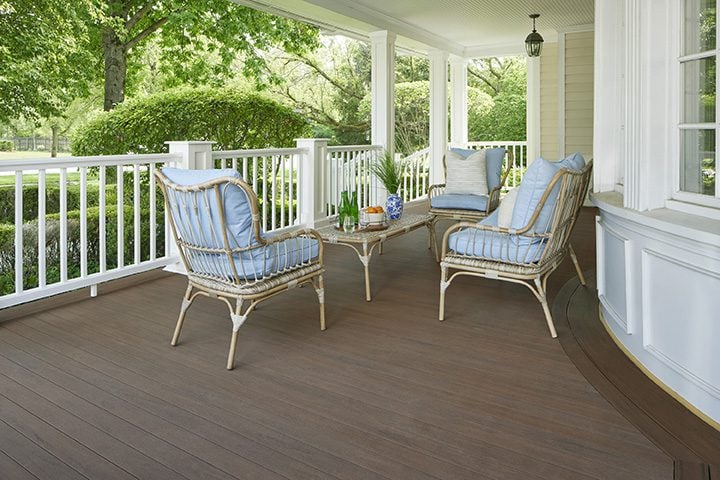
Veranda’s boards have a wood-grained embossing that mimics real wood. The texture feels natural underfoot, and the colors don’t look artificial. I was skeptical at first, but when I saw the Timber Brown shade in person, it reminded me of rich hardwood without the splinters. It’s perfect for creating a cozy, inviting veranda.
Here’s a quick table summarizing Veranda’s key benefits:
| Benefit | Description | Veranda Advantage |
|---|---|---|
| Affordability | Budget-friendly without compromising quality. | Costs ~$20-$26 per board, much less than premium brands. |
| Low Maintenance | No sanding, staining, or painting needed. | Clean with soap and water; cap layer resists stains. |
| Durability | Resists splintering, rotting, and insects. | 25-year warranty ensures long-lasting performance. |
| Eco-Friendly | Made with 96% recycled materials. | Reduces waste using recycled wood and plastic. |
| Realistic Look | Wood-grained texture mimics natural wood. | Solid colors like Timber Brown and Stone Gray look authentic. |
Veranda’s Color and Style Options
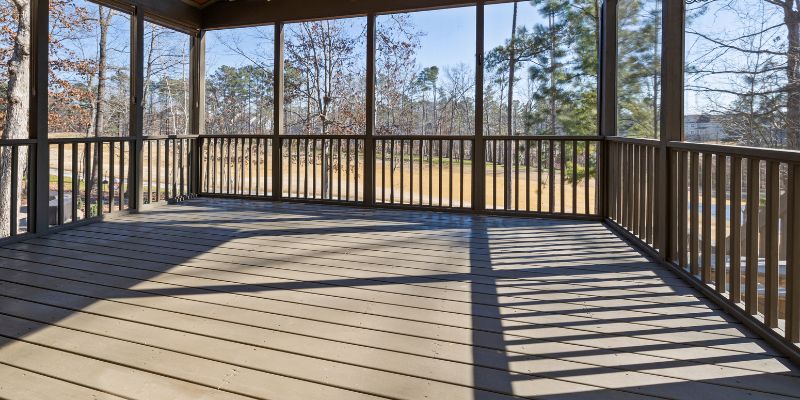
Veranda keeps things simple with its color palette, which I appreciate for quick decision-making. The Builder’s Select Collection, their main line, comes in two versatile solid colors:
- Timber Brown: A rich, medium brown with a warm, wood-like tone. It’s perfect for traditional or rustic homes and pairs beautifully with green lawns or stone patios. I saw this on a friend’s veranda, and it gave the space a cozy, inviting feel.
- Stone Gray: A cool, heathered gray that’s modern and sleek. It’s great for contemporary homes or coastal vibes. I noticed it hides dirt better than darker shades, which is a plus for busy households.
These colors have realistic embossing that mimics wood grain, and no two boards look exactly alike, giving your veranda a natural, varied look. While Veranda’s color range is smaller than TimberTech’s (which offers six porch board colors like Coastline and Mahogany), it’s ideal if you want a straightforward choice. I recommend ordering samples from Home Depot to see how the colors look in your outdoor lighting.
Veranda boards come in square-edge (for face-screwing) or grooved-edge (for hidden fasteners) profiles, with lengths of 12, 16, or 20 feet. The boards are 15/16 inches thick and 5-1/4 inches wide, making them versatile for various veranda designs. Unlike TimberTech’s tongue and groove porch boards, Veranda’s standard decking isn’t specifically designed for tongue and groove applications, so it’s better for open decks or patios with gaps for drainage.
Comparing Veranda to Other Composite Brands
Since you’re familiar with TimberTech, let’s compare Veranda to it and another popular brand, Trex, to help you decide.
- Veranda (Fiberon): Affordable, with a three-sided cap layer and 96% recycled content. It’s great for budget-conscious homeowners but has a limited color range (Timber Brown and Stone Gray). Best for standard decks, not tongue and groove porches. 25-year warranty.
- TimberTech: Offers both composite and PVC options, with four-sided capping in premium lines like Advanced PVC Porch boards. More color choices (e.g., Coastline, Weathered Teak) and tongue and groove options for porches. Higher price but longer warranties (up to 50 years).
- Trex: Known for high-performance decking with 95% recycled materials. Offers three collections (Enhance, Select, Transcend) with warranties from 25 to 50 years. Wide color range but no specific tongue and groove line. Pricier than Veranda but competitive with TimberTech’s mid-range options.
I’d choose Veranda for a budget-friendly deck with a classic look, TimberTech for a premium tongue and groove porch, and Trex for a versatile, high-end deck with lots of color options. It depends on your budget and project needs.
Challenges of Veranda Composite Decking
While I’m a fan of Veranda, no material is perfect. Here are some challenges I’ve come across, based on my research and online discussions.
Limited Color Options
With only two colors (Timber Brown and Stone Gray), Veranda’s palette is smaller than competitors like TimberTech or Trex. If you’re set on a specific shade, like a coastal gray or reddish-brown, you might feel limited. I got around this by pairing Timber Brown with colorful outdoor furniture to add personality.
Three-Sided Capping
Veranda’s boards are capped on three sides, not four, which means the uncapped bottom is slightly less protected against moisture. In very wet climates, like parts of the Pacific Northwest, this could be a concern if water pools under the deck. I’d ensure proper joist spacing (16 inches perpendicular, 12 inches for stairs) and a slight pitch for drainage.
Not Ideal for Tongue and Groove
Unlike TimberTech’s Advanced PVC Porch boards, Veranda’s decking isn’t designed for tongue and groove applications. The tight fit of tongue and groove can trap water, which is riskier with Veranda’s wood-fiber core. For covered porches, I’d lean toward TimberTech’s PVC boards. For open verandas, Veranda’s standard boards with gaps work well.
Mixed Reviews on Quality
Some online discussions, like a Reddit thread I found, suggest Veranda’s quality varies because it’s made for Home Depot by different manufacturers (though Fiberon is the primary one). A deck salesman in Massachusetts recommended four-sided capped boards over Veranda for harsh winters, citing durability concerns. However, I’ve seen Veranda decks that look great after years, so proper installation is key.
Installation Tips for Veranda Composite Decking
Installing Veranda decking is straightforward, especially if you’re handy. I helped a buddy install a Veranda deck, and here’s what I learned:
- Check the Substructure: Use pressure-treated pine or steel framing, ensuring joists are 16 inches apart for perpendicular layouts or 12 inches for stairs or angled boards. I used a level to ensure everything was even.
- Choose Fasteners: Grooved-edge boards work with hidden fasteners for a screw-free look, which I love for a clean finish. Square-edge boards need face screws. Veranda’s hidden fasteners were easy to use with a drill.
- Leave Gaps: Unlike tongue and groove, Veranda boards need 1/8-inch gaps for expansion and contraction, especially in areas with temperature swings. I used spacers to keep it consistent.
- Slope for Drainage: A 1/4-inch-per-foot slope away from the house prevents water pooling. I learned this after seeing a deck buckle from poor drainage.
- Protect the Surface: Lay down cardboard during installation to avoid scratches. I nicked a board with a dropped tool and wished I’d been more careful.
Home Depot’s website and Fiberon’s installation guides are super helpful, and I watched a YouTube video for extra tips.
Maintaining Your Veranda Deck
Keeping a Veranda deck looking great is a breeze. Here’s my routine:
- Sweep Weekly: A broom or leaf blower clears debris. I do this to prevent dirt from settling into the grain.
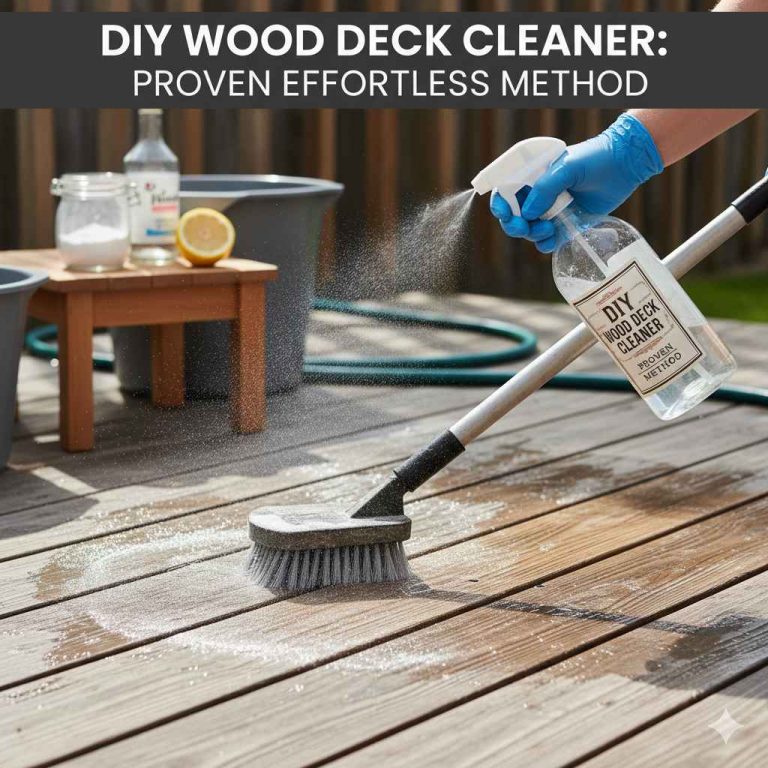
- Wash as Needed: Soap and water with a soft brush handle stains like grease or sunscreen. I’ve never had a stain stick around.
- Avoid Pressure Washers: High pressure can damage the cap layer. A garden hose works fine.
- Check Underneath: Ensure no leaves or debris block drainage under the deck to prevent mold.
With Veranda’s 25-year warranty, I’m confident it’ll stay beautiful with minimal effort.
Why I Recommend Veranda for Your Veranda
After digging into Veranda’s materials, I’m impressed by its balance of affordability, durability, and eco-friendliness. It’s perfect for homeowners who want a low-maintenance deck that looks like wood without the high cost of premium brands. The Timber Brown and Stone Gray colors are versatile, and the 96% recycled content makes it a sustainable choice. While it’s not ideal for tongue and groove porches (I’d go with TimberTech for those), it’s a fantastic option for open verandas or patios.
Final Thoughts
I hope this guide has painted a clear picture of what Veranda composite decking materials can do for your outdoor space. From its budget-friendly price to its durable, eco-friendly design, Veranda is a solid choice for a beautiful, hassle-free veranda. I’ve seen these decks transform backyards into places where families gather, kids play, and memories are made. Grab a sample from Home Depot, picture your dream veranda, and start building a space you’ll love for years. Your outdoor oasis is just a few boards away!
FAQs
What materials are Veranda composite decking boards made of?
Veranda uses a wood-plastic composite core (recycled wood fibers and plastic) with a three-sided polymer cap layer. It contains 96% recycled content, making it eco-friendly, and resists splintering, rotting, and insects.
Can Veranda decking be used for covered porches?
Yes, but it’s not designed for tongue and groove applications like TimberTech’s porch boards. For open verandas with gaps for drainage, Veranda works great. Ensure proper joist spacing and slope to prevent water issues.
How do I clean Veranda composite decking?
Sweep regularly and wash with soap and water using a soft brush for stains. Avoid pressure washers to protect the cap layer. It’s super low-maintenance and resists most spills.
What colors does Veranda decking come in?
Veranda’s Builder’s Select Collection offers two colors: Timber Brown (a warm, wood-like brown) and Stone Gray (a cool, modern gray). Both have realistic wood-grain embossing.
How long does Veranda composite decking last?
With proper installation and care, Veranda decking lasts 25+ years, backed by a 25-year stain, fade, and performance warranty. It resists rot, cracking, and insect damage for long-lasting beauty.