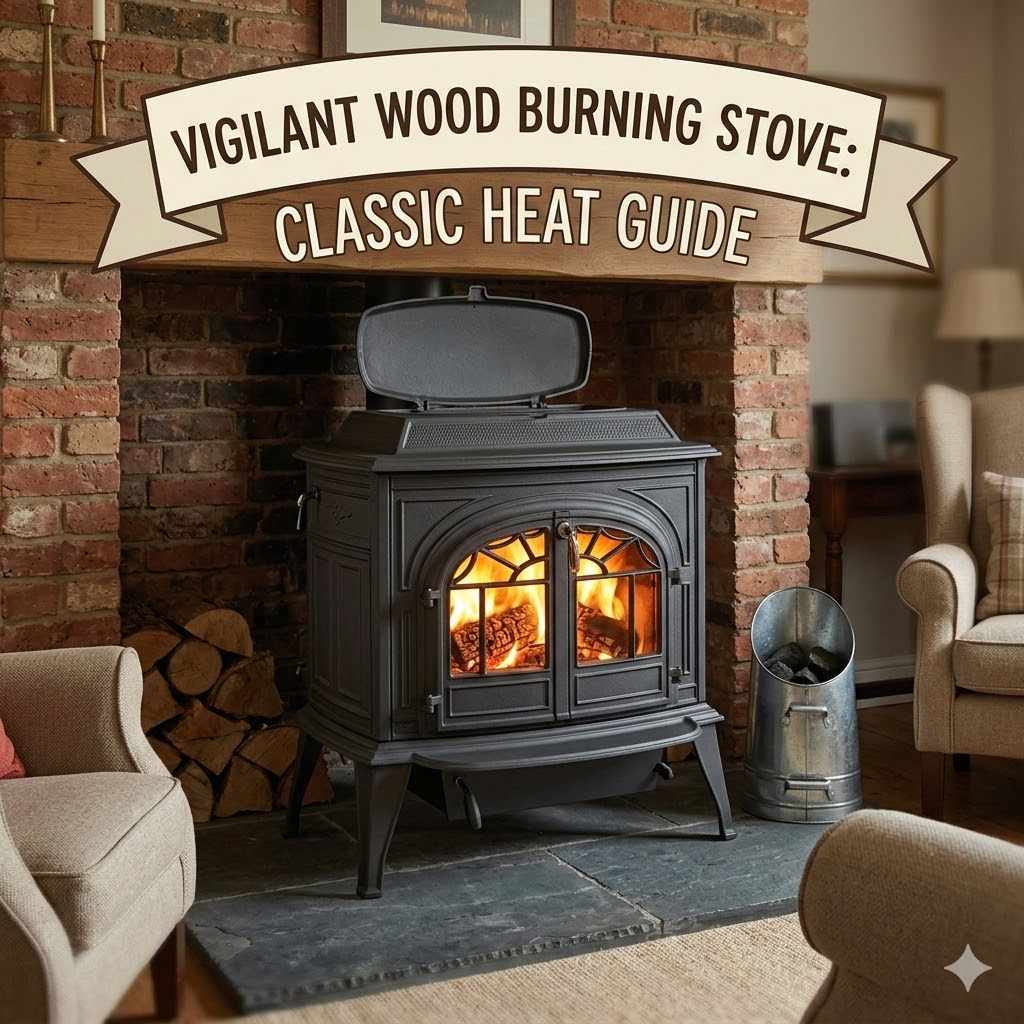
Vigilant Wood Burning Stove: Classic Heat Guide
Getting started with a wood burning stove can feel a bit tricky at first. The Vigilant Wood Burning Stove: Classic Heat Guide, while popular, might seem like a lot to take in when you’re new to it. Don’t worry, we’re here to make it simple!
We’ll walk you through each step so you can enjoy warm, cozy fires with confidence. Let’s look at how to get the best from your stove.
Understanding Your Vigilant Wood Burning Stove
This section covers the basics of what makes a Vigilant wood burning stove a great choice for classic home heating. We’ll look at its design and why it’s built the way it is. Knowing these parts helps you use your stove better and keep it running well for many years.
The Core Components of Your Stove
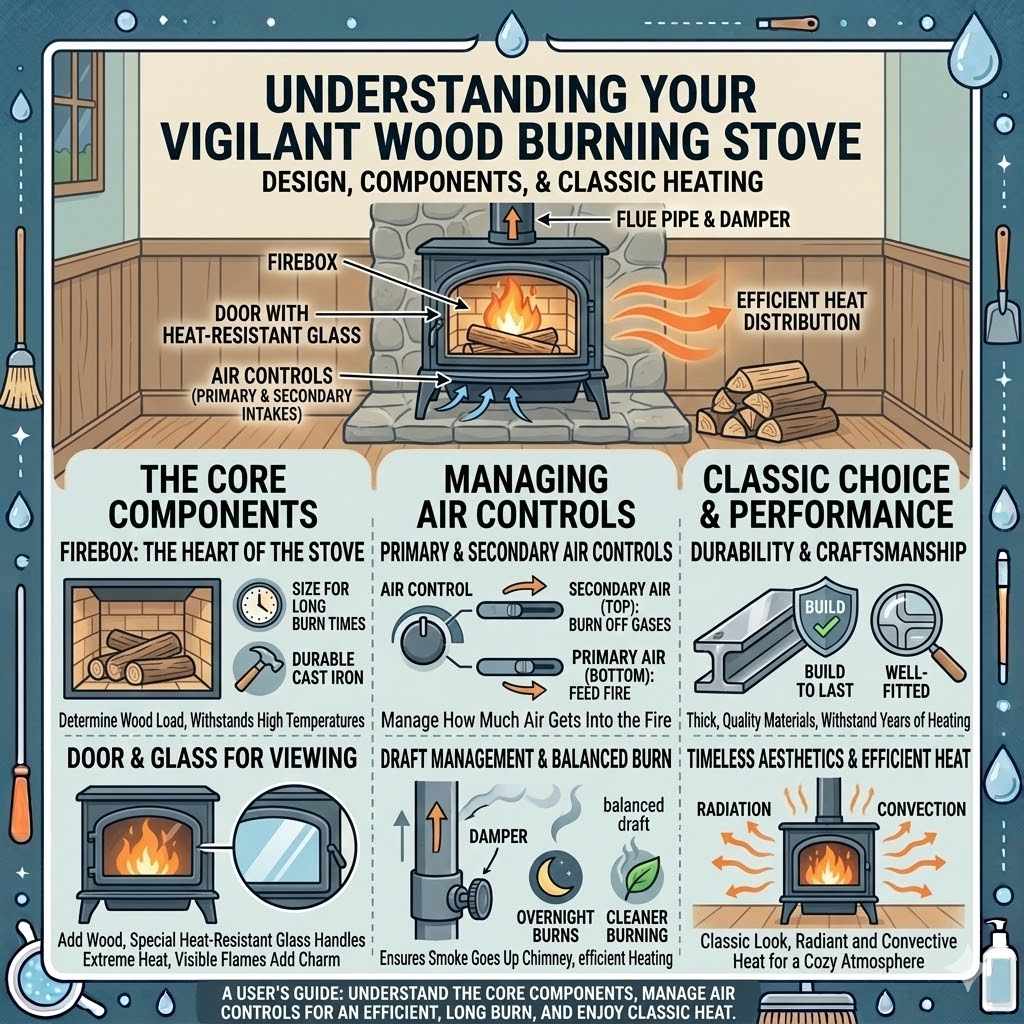
A wood burning stove has several key parts that work together to create heat. The firebox is where the wood burns. It’s usually made of strong metal or lined with firebricks to withstand high temperatures.
The door allows you to add wood and has a glass window so you can see the flames. This glass is special, made to handle the heat.
Air controls are also very important. These let you manage how much air gets into the fire. More air makes the fire burn hotter and faster.
Less air makes it burn slower and cooler. Finding the right balance is key to efficient heating and saving wood. You’ll also find a damper, often in the flue pipe, which helps control the draft.
The Firebox and Its Importance
The firebox is the heart of your stove. Its size matters because it determines how much wood you can load at once and how long a single load will burn. A larger firebox can hold more logs, leading to longer burn times.
This means you might not have to refuel as often, which is convenient.
The material of the firebox is also crucial. Cast iron stoves are known for holding heat for a long time. Steel stoves often heat up faster.
Many Vigilant models use a combination or have special linings. These linings, often called firebricks or baffles, help protect the stove’s metal body from extreme heat. They also help burn the smoke and gases released from the wood, making the stove more efficient and cleaner burning.
Air Controls and Draft Management
Air controls are your main tool for managing the fire. Most stoves have primary and secondary air intakes. Primary air is introduced from the bottom, feeding the fire directly.
This is important for starting the fire and for burning logs down to coals. Secondary air is introduced higher up in the firebox. It helps burn off the gases and smoke that rise from the burning wood.
Using these controls correctly makes a big difference. You want a good, strong flame when you first start the fire. As the fire gets going and you have a good bed of coals, you can adjust the controls.
Reducing the air supply slows the burn. This is great for overnight burns or when you want a steady, low heat. A well-managed draft ensures smoke goes up the chimney and not into your room.
Why Vigilant Stoves Are a Classic Choice
Vigilant stoves have been around for a long time. People like them because they are built to last and perform well. They offer a traditional look that fits many homes.
Their design focuses on getting the most heat from your wood.
- Durability and Craftsmanship
These stoves are often made with thick, quality materials. This means they can withstand years of heating. They are built with care, ensuring each part fits well and works properly.
This attention to detail means fewer problems down the road and a reliable heat source.
- Efficient Heat Distribution
A good wood stove doesn’t just create heat; it spreads it. Vigilant stoves are designed to radiate heat into your room effectively. The way the air flows and the stove’s metal surfaces help warm up the space.
This means your room feels cozy and comfortable.
- Timeless Aesthetics
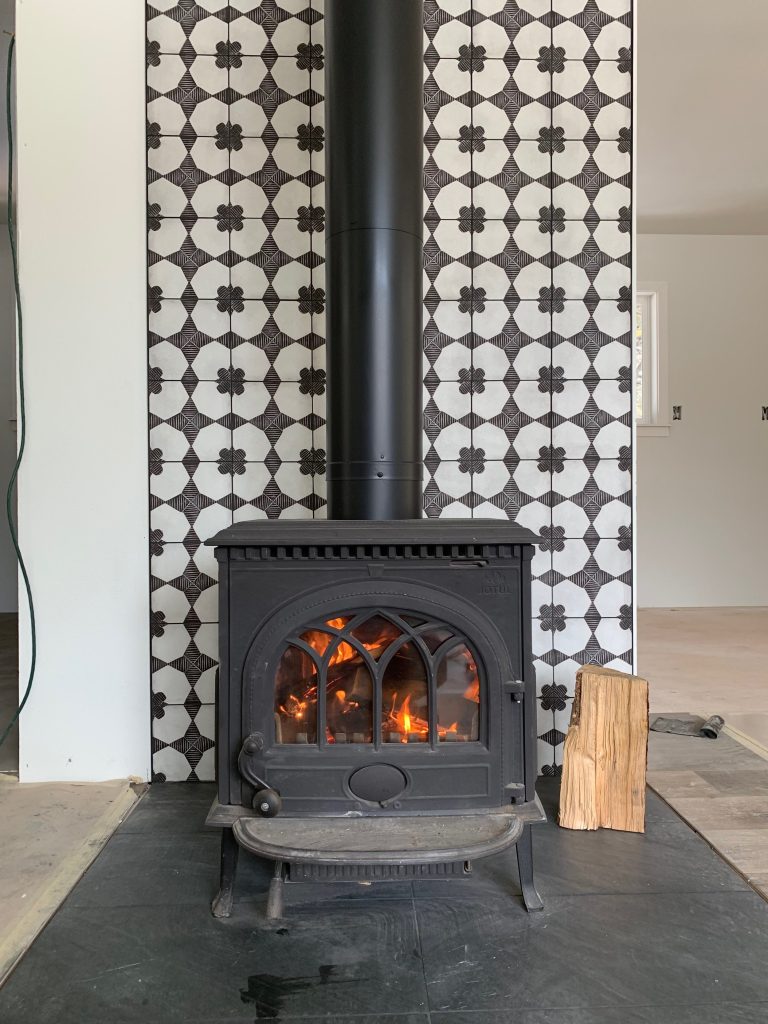
The classic look of a Vigilant stove is appealing. Many people choose them because they add charm and character to a home. They look good in a living room or family room, becoming a focal point.
The visible flames also add to the cozy atmosphere.
Getting Your Stove Ready to Burn
Before you light your first fire, there are a few important steps to take. This ensures your stove works safely and efficiently right from the start. Proper setup helps you avoid common issues and enjoy the warmth sooner.
Chimney and Flue System Check
Your chimney and flue pipe are vital for safely removing smoke and gases. You must make sure they are clean and clear. Soot and creosote build-up can block the chimney and cause dangerous chimney fires.
It’s a good idea to have your chimney inspected and cleaned by a professional at least once a year, especially before the heating season begins.
The flue pipe connects your stove to the chimney. It should be properly sealed and angled correctly, usually sloping upwards. Any leaks in the flue pipe can let smoke escape into your home.
Also, ensure the damper is working properly. It should open and close smoothly. A clean, clear chimney is the most important safety feature of your wood stove setup.
Importance of a Clean Chimney
Creosote is a sticky, flammable substance that forms when smoke cools in the chimney. If too much builds up, it can ignite. A chimney fire burns very hot and can damage your chimney and even start a fire in your house.
Regular cleaning removes this dangerous build-up.
A clean chimney also helps your stove perform better. A clear path for smoke means the draft is good. This allows your stove to breathe properly.
It helps the fire burn more efficiently, using less wood and producing more heat for your home. Think of it like clearing a blocked airway; it makes everything work much better.
Flue Pipe Connections
The flue pipe is typically made of metal sections. These sections need to be joined securely. Often, the male end of one section fits into the female end of another.
They are then sealed, sometimes with high-temperature sealant or screws. This creates a continuous pathway for smoke.
It’s important that these connections are airtight. Any gaps can let smoke and carbon monoxide escape. Carbon monoxide is a dangerous, odorless gas.
Make sure your home has carbon monoxide detectors installed on every level. Also, ensure the flue pipe is installed with the correct clearance from any combustible materials, like wood framing or insulation, to prevent fires.
Choosing the Right Kindling and Fuel
The type of wood you burn greatly affects how well your stove works. For starting fires, you need small, dry pieces. For main fuel, you need seasoned hardwood.
- Kindling for Starting Fires
Kindling is very small, dry wood. Think twigs, thin branches, or even split pieces of larger wood that are no thicker than a pencil. The goal is to get a quick, hot flame that will ignite your slightly larger pieces of wood.
- Seasoned Hardwood Fuel
Once the kindling has caught fire and you have some small pieces of wood burning well, you add larger pieces. These should be seasoned hardwood logs. Seasoned means the wood has been dried for at least six to twelve months.
This removes most of the moisture.
- What is Seasoning?
Wood that is not seasoned is called green wood. It has a lot of water inside. Burning green wood is very inefficient.
It produces less heat because the fire’s energy is used to boil off the water. It also creates more smoke and creosote. Seasoned wood burns hotter, cleaner, and produces more heat.
- Types of Wood
Hardwoods like oak, maple, and beech are excellent choices. They are dense and burn for a long time, providing sustained heat. Softwoods like pine and fir burn faster and hotter, which can be good for starting a fire, but they produce more creosote.
It’s best to use seasoned hardwoods for your main fuel.
Operating Your Vigilant Wood Stove Safely
Safe operation is key to enjoying your wood stove. Following simple rules protects your home and family. It ensures your stove is a reliable source of warmth.
Starting a Fire Safely
Begin by placing some crumpled newspaper or a natural fire starter at the bottom of the firebox. On top of this, arrange your kindling in a small criss-cross pattern. Leave some space for air to flow.
Light the newspaper or fire starter. As the kindling catches fire, gradually add slightly larger pieces of dry wood.
Once you have a good base of burning wood, you can start adding your seasoned hardwood logs. Don’t overload the stove. Start with one or two logs.
This allows the fire to establish itself well. Open the air controls fully when starting the fire to ensure a good draft and strong flames.
Loading the Stove Properly
When adding more wood, do so carefully. Open the stove door slowly to prevent a sudden rush of smoke into the room. Place the new logs onto the hot coals.
Arrange them so they have space to breathe. Avoid blocking the air intakes with logs.
Don’t overfill the firebox. Overloading can cause the stove to overheat, which can damage it. It can also create a fire that is too intense to control.
A good rule of thumb is to fill the firebox no more than two-thirds full. This allows for proper airflow and efficient burning.
Managing the Burn for Efficiency
Once your fire is going well, you can start to adjust the air controls. To keep the fire burning steadily for a longer time, reduce the amount of air entering the stove. This slows down the combustion process.
You’ll get a more consistent heat output.
Watch the flames. Healthy flames are active and lively. If the flames are weak and lazy, or if there’s a lot of smoke, you might need to open the air controls a bit more.
The goal is to find a balance where the wood burns efficiently, producing good heat without excessive smoke or creosote build-up. You want a good bed of hot coals for sustained heat.
Recognizing a Good Burn
A good burn means you see bright, active flames. The wood is turning into glowing red coals. There should not be a lot of black smoke coming out of the stove door.
If you see thick black smoke, the fire is not burning efficiently. This can happen if there’s too much moisture in the wood or not enough air.
The heat output should be steady. You should feel a comfortable warmth in the room. If the fire is burning too fast, you’re likely using too much air or have too much wood in the stove.
If it’s burning too slowly, you might need more air or the wood might be damp.
Overnight Burns
To achieve an overnight burn, you typically want to load the stove with large, dense hardwood logs. You would then adjust the air controls to their lowest setting. The goal is a very slow, smoldering burn that can last for many hours.
This will maintain a lower, steady heat throughout the night.
It’s important to ensure you have a good bed of coals before attempting an overnight burn. Also, make sure your stove is designed for long burns and that you follow the manufacturer’s recommendations. Never close the air controls completely, as this can lead to incomplete combustion and the build-up of dangerous gases.
Always ensure your smoke detectors are working.
Cooling Down and Ash Removal
When you are finished using the stove for the day or the fire has burned down to coals, let it cool naturally. Do not try to speed up the cooling process by dousing the coals with water. This can damage the stove.
Once the stove is completely cool, you can remove the ashes.
Ashes should be removed from the firebox when they accumulate. Leaving too many ashes can block the airflow. Use a metal shovel to scoop the ashes into a metal container with a tight-fitting lid.
Store the ash container outside, away from any combustible materials, until you are sure they are completely cold. Hot ashes can easily start fires.
Safe Ash Disposal
Ashes can remain hot for a long time, even days after the fire has died down. Always use a metal container specifically designed for storing ashes. Never use plastic containers.
Store this container on a non-combustible surface, such as concrete or bare earth, and well away from your house, deck, or any wooden structures.
It’s a good practice to let ashes sit in the metal container for several days before final disposal. Some people even dampen the ashes slightly with water to ensure they are fully extinguished. If you are unsure, it’s better to err on the side of caution.
The risk of a fire caused by improperly disposed of ashes is significant.
Maintenance for Longevity and Performance
Regular maintenance keeps your Vigilant wood stove working efficiently and safely. It also helps prolong its lifespan. Simple care can prevent bigger problems later.
Regular Cleaning Schedule
Cleaning is more than just removing ashes. It involves checking for any damage and keeping the parts working smoothly. A good cleaning schedule ensures your stove is always ready for use.
- Weekly Checks
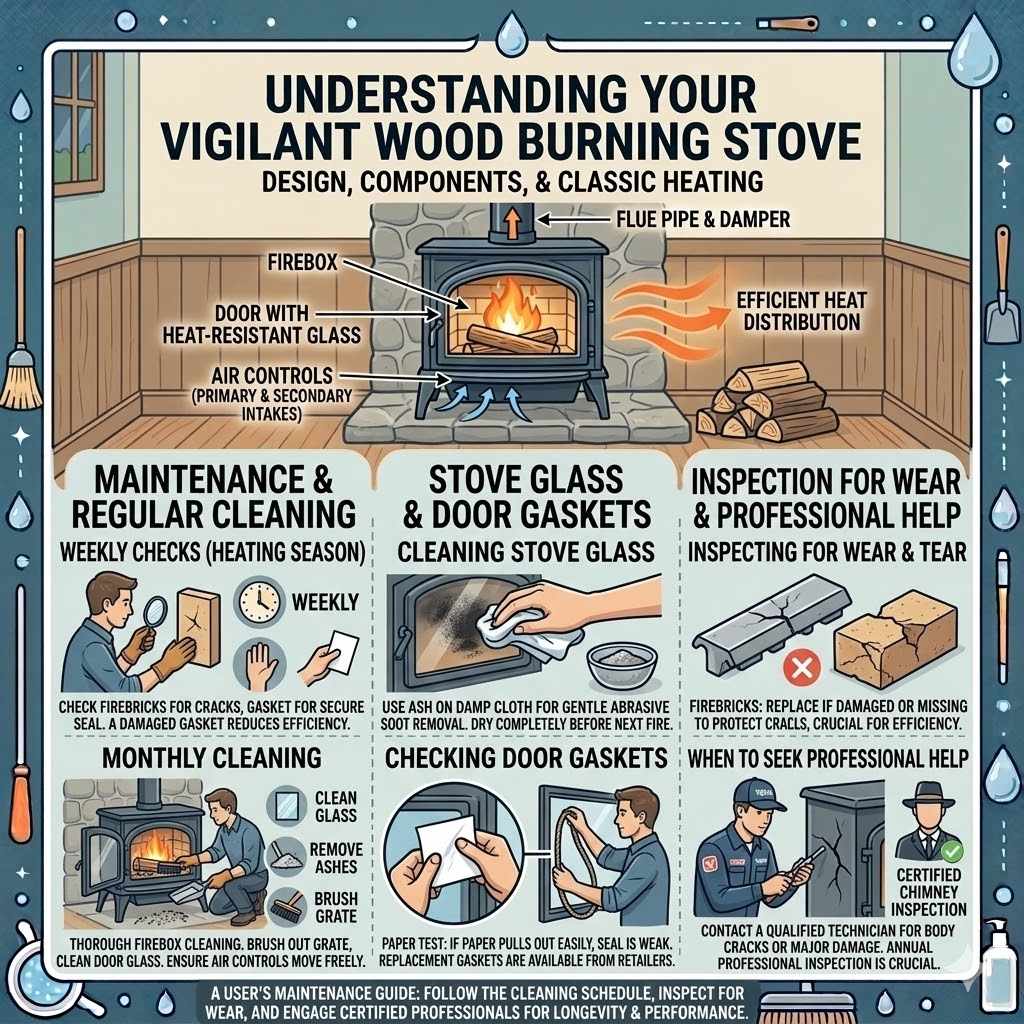
During the heating season, a quick check each week is helpful. This might involve looking at the firebricks for cracks. You can also check the door gasket to ensure it’s sealing properly.
A damaged gasket lets in unwanted air and reduces efficiency.
- Monthly Cleaning
Once a month, you’ll want to do a more thorough cleaning. This includes removing ashes and brushing out the firebox. Clean the glass on the door so you can enjoy the view of the fire
Check the air controls to make sure they move freely.
- Annual Professional Inspection
As mentioned, an annual inspection by a certified chimney sweep is crucial. They will clean your chimney and flue pipe. They can also inspect the stove itself for any wear or potential issues you might not notice.
Cleaning Stove Glass
The glass on your stove door can become discolored with soot. You can often clean this easily. A common method is to use a damp cloth dipped in the ashes from your stove.
Rub the ash on the inside of the glass. The fine ash particles act as a gentle abrasive to remove the soot. Rinse the glass with clean water afterward.
Make sure it dries completely before your next fire.
Checking Door Gaskets
Door gaskets are the seals around the edge of your stove door. They prevent air from leaking into the firebox unintentionally. If the gasket is worn, cracked, or loose, it can cause your fire to burn too quickly.
You can test the gasket by closing the door on a piece of paper. If you can pull the paper out easily, the seal is weak. Replacement gaskets are usually available from stove retailers.
Inspecting for Wear and Tear
Wood stoves endure high temperatures, which can cause parts to wear out over time. Regularly inspecting for damage helps you address problems before they become serious.
- Firebricks
The firebricks inside the firebox protect the metal from direct heat. They can crack or crumble over time. Small cracks might be okay, but if a brick is significantly damaged or missing, it should be replaced.
This protects the stove’s structure.
- Baffles
Some stoves have baffles, which are metal plates at the top of the firebox. They help redirect heat and improve the burn. Check these for warping or cracks.
They are essential for the stove’s efficiency and how it burns smoke.
- External Components
Look for any signs of rust or damage on the stove’s exterior. Check the legs, hinges, and handles to ensure they are secure. The ash pan and grate also need to be in good condition.
When to Seek Professional Help
While you can handle much of the basic maintenance yourself, some issues require a professional. If you notice any significant damage, such as large cracks in the stove body or a severely damaged chimney, contact a qualified technician. They have the expertise and tools to repair or replace parts safely.
Also, always rely on certified chimney sweeps for chimney cleaning and inspection.
Frequently Asked Questions
Question: How often should I clean my wood stove?
Answer: You should remove ashes from the firebox weekly during the heating season. A more thorough cleaning of the firebox and glass can be done monthly. It is also recommended to have your chimney professionally cleaned and inspected at least once a year.
Question: What is the best type of wood to burn?
Answer: The best wood to burn is seasoned hardwood. This means the wood has been dried for at least six to twelve months. Hardwoods like oak, maple, and beech are dense and burn longer, providing more heat.
Avoid burning green wood, treated wood, or trash.
Question: Why is my wood stove smoking into the room?
Answer: Smoking into the room usually means there is a problem with the draft or airflow. This could be due to a blocked chimney, a closed damper, a leaky door gasket, or not enough air being supplied to the fire. Ensure your chimney is clean and the air controls are open properly.
Question: How do I get a longer burn from my wood stove?
Answer: To get a longer burn, use seasoned hardwood logs and load the stove properly. Once the fire is well established, reduce the air supply to a low setting. This slows down the burn rate, allowing the wood to smolder for many hours.
Question: Is it safe to leave a wood stove burning overnight?
Answer: Yes, it can be safe to leave a wood stove burning overnight if done correctly. Use large, dense hardwood logs and adjust the air controls to a very low setting for a slow, smoldering burn. Ensure your stove is in good condition and that your smoke and carbon monoxide detectors are functioning.
Wrap Up
Your Vigilant Wood Burning Stove Classic Heat Guide is now much clearer. You know how to set it up, start a fire, manage the burn, and keep it in top shape. Enjoy the warmth and beauty of a real wood fire.
With simple care, your stove will serve your home for many years to come.