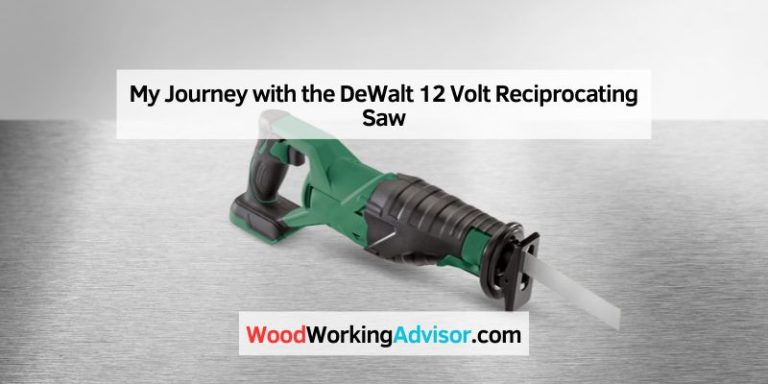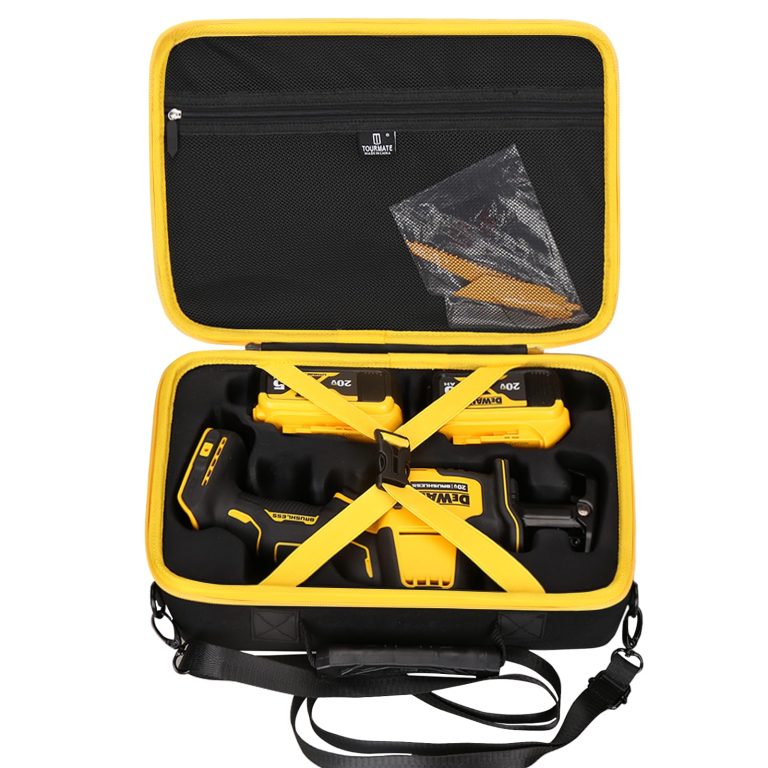
Unleash Your Inner DIY Hero with the Warrior 6 Amp Reciprocating Saw
My first attempt at using a reciprocating saw was a total flop—I tried cutting a branch and ended up with a jagged mess! But when I got my hands on the Warrior 6 Amp Reciprocating Saw, everything changed. This tool is a game-changer for beginners and pros alike, perfect for slicing through wood, metal, or even old pipes with ease. In this article, I’ll share my journey with this saw, explain what it is, show you how to use it for simple projects, and give you tips to avoid my rookie mistakes. Whether you’re a DIY newbie or a seasoned builder, you’ll find easy steps, fun examples, and practical advice to make your projects a breeze.
What Is the Warrior 6 Amp Reciprocating Saw?
The Warrior 6 Amp Reciprocating Saw is a corded power tool that cuts by moving a blade back and forth super fast. Think of it like a super-strong hand saw that does the hard work for you! Sold at Harbor Freight, it’s got a 6-amp motor, a 180° rotating handle, and a variable-speed trigger. It’s great for cutting wood, metal, PVC pipes, and more, making it a must-have for home projects or demolition jobs. I love it because it’s affordable, easy to use, and perfect for small tasks like trimming branches or tearing down old shelves.
Why It Matters for DIYers
This saw is a big deal because it’s versatile and budget-friendly. You don’t need a fancy workshop to use it—just plug it in and go! It’s light (about 6 pounds) and the rotating handle lets you cut at weird angles without straining your wrist. For beginners, it’s a simple way to start DIY projects. For pros, it’s a reliable tool for quick jobs. Plus, it’s a steal compared to pricier brands like Milwaukee or DeWalt.
Getting Started: What You Need
Before you dive in, let’s talk about what you need to use the Warrior 6 Amp Reciprocating Saw safely and effectively. Here’s a quick list:
- Warrior 6 Amp Reciprocating Saw: Available at Harbor Freight for around $30-$40.
- Saw Blades: Get wood-cutting blades for lumber or branches, metal-cutting blades for pipes, or multi-purpose blades for mixed materials. Blades cost $5-$15.
- Safety Gear: Wear safety glasses, gloves, and ear protection. Safety first!
- Extension Cord: A 12-gauge cord for outdoor use, at least 25 feet long.
- Work Surface: A sturdy table or sawhorse to hold your materials.
Choosing the Right Blade
Picking the right blade is key. Wood blades have bigger teeth (6-10 TPI, or teeth per inch), while metal blades have smaller teeth (14-24 TPI). I learned this the hard way when I tried cutting a metal pipe with a wood blade—total disaster! Check the blade package for what it cuts, and always keep extras on hand.
| Blade Type | Best For | Teeth Per Inch (TPI) | Cost (Approx.) |
|---|---|---|---|
| Wood Blade | Lumber, branches | 6-10 TPI | $5-$10 |
| Metal Blade | Pipes, nails | 14-24 TPI | $6-$12 |
| Multi-Purpose | Mixed materials | 10-14 TPI | $8-$15 |
Table 1: Choosing the Right Blade for Your Warrior 6 Amp Reciprocating Saw
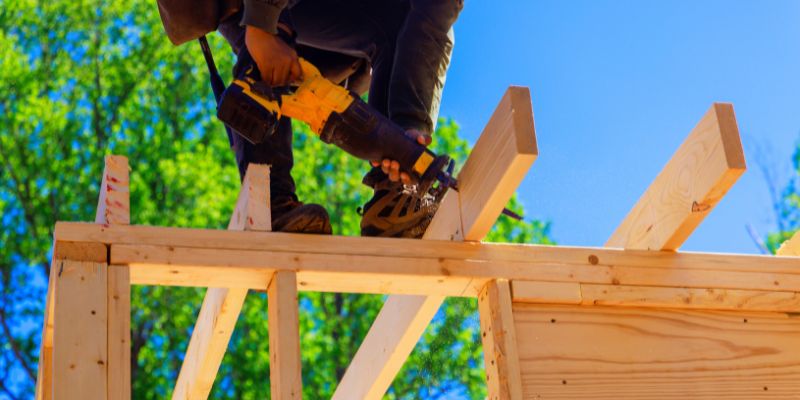
Easy Projects to Try
The Warrior 6 Amp Reciprocating Saw is perfect for simple DIY projects. Here are two fun ideas to get you started, plus a step-by-step guide for one.
Project 1: Build a Wooden Planter Box
Want a cute planter for your porch? Grab some old wood planks (like 2x4s) and follow these steps:
- Measure and Mark: Cut four 12-inch pieces for the sides and four 14-inch pieces for the base and top frame.
- Set Up the Saw: Attach a wood blade to your Warrior saw. Plug it in and wear safety gear.
- Cut the Wood: Hold the saw firmly, press the variable-speed trigger lightly, and cut along your marked lines. Go slow for clean cuts.
- Assemble: Nail or screw the pieces together to form a box. Add soil and plants!
This project took me an afternoon, and my basil plants love their new home!
Project 2: Trim Overgrown Branches
Got a tree branch blocking your view? Use the Warrior saw with a wood blade to trim it down. Mark where you want to cut, hold the saw at a comfy angle (thanks to that rotating handle), and slice through. It’s like cutting butter when you use the right blade!
Visual Idea
Imagine a simple diagram showing the saw’s parts: the blade, rotating handle, and trigger. Another diagram could show how to angle the saw for cutting branches safely. These visuals would make setup and use crystal clear for beginners.
Benefits and Drawbacks
The Warrior 6 Amp Reciprocating Saw has tons of perks, but it’s not perfect. Here’s the scoop:
Benefits
- Affordable: At $30-$40, it’s way cheaper than big-name brands.
- Versatile: Cuts wood, metal, PVC, and more with the right blade.
- Easy to Use: The rotating handle and variable-speed trigger make it beginner-friendly.
- Lightweight: At 6 pounds, it’s easy to carry and control.
Drawbacks
- Corded: You need a power outlet or extension cord, which can be a hassle outdoors.
- No Blade Included: You’ll need to buy blades separately, adding $5-$15 to the cost.
- Not Heavy-Duty: For big jobs like cutting thick metal, a 12-amp saw might be better.
| Feature | Warrior 6 Amp Saw | DeWalt 12-Amp Saw |
|---|---|---|
| Price | $30-$40 | $100-$120 |
| Weight | 6 lbs | 8.1 lbs |
| Power | 6 amps | 12 amps |
| Rotating Handle | Yes | No |
Table 2: Warrior 6 Amp Saw vs. DeWalt 12-Amp Saw
My Top Tips for Success
After using the Warrior 6 Amp Reciprocating Saw for a year, here are my best tips to make your projects a piece of cake:
- Start Slow: Use the variable-speed trigger to begin at a low speed. It helps you control the cut and avoid mistakes.
- Check Your Blade: Make sure it’s tight before cutting. A loose blade can wobble and ruin your project.
- Use Good Blades: Cheap blades dull fast. Spend a bit more on brands like LENOX or Diablo for smoother cuts.
- Safety First: Always wear glasses and gloves. I once skipped gloves and got a splinter—ouch!
- Practice on Scrap: Try cutting spare wood or pipe before your real project to get the hang of it.
Common Mistakes to Avoid
Don’t make these rookie errors I learned the hard way:
- Wrong Blade: Using a wood blade on metal will wreck it. Match the blade to the material.
- Forcing the Saw: Let the saw do the work. Pushing too hard makes messy cuts.
- Ignoring Safety: Skipping goggles or gloves can lead to injuries. Be smart!
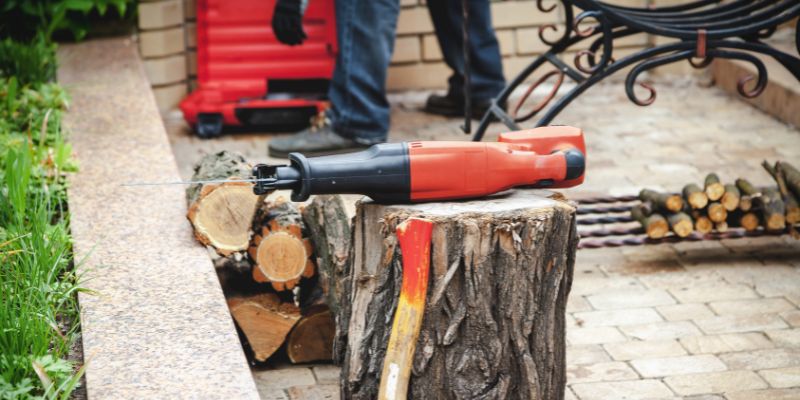
Alternative Approaches
If the Warrior 6 Amp Reciprocating Saw isn’t for you, consider these options:
- Cordless Saw: A battery-powered saw like the Bauer 20V cordless model offers more freedom but costs more ($60-$80).
- Hand Saw: For super small jobs, a manual hand saw is cheaper but takes more effort.
- Higher-Power Saw: For heavy-duty tasks, a 12-amp saw like DeWalt’s DWE305 is stronger but pricier.
| Option | Pros | Cons | Cost |
|---|---|---|---|
| Warrior 6 Amp Saw | Affordable, versatile | Corded, no blade included | $30-$40 |
| Bauer 20V Cordless | Portable, no cord | Battery life limited | $60-$80 |
| DeWalt 12-Amp | More power | Heavier, expensive | $100-$120 |
Table 3: Comparing the Warrior Saw to Alternatives
Visual Idea
A basic chart showing blade types (wood, metal, multi-purpose) and what they cut could help beginners pick the right one. Another diagram could show safe hand positions for holding the saw to avoid kickback.
Frequently Asked Questions
What Can the Warrior 6 Amp Reciprocating Saw Cut?
It cuts wood, metal, PVC pipes, and drywall with the right blade. Use wood blades for lumber or branches, metal blades for pipes or nails, and multi-purpose blades for mixed jobs. Always check the blade’s TPI for best results.
Is the Warrior 6 Amp Saw Good for Beginners?
Yes, it’s super easy to use! The rotating handle and variable-speed trigger make it simple to control, even if you’ve never used a power tool before. Start with small projects like cutting scrap wood.
Do I Need to Buy Blades Separately?
Yes, the saw doesn’t come with blades. You’ll need to buy wood, metal, or multi-purpose blades, which cost $5-$15. Get a variety pack to cover different projects.
How Do I Stay Safe Using This Saw?
Wear safety glasses, gloves, and ear protection. Keep the cord away from the blade, use a stable work surface, and never force the saw. Check blades for damage before starting.
Can I Use It for Heavy-Duty Jobs?
It’s great for light to medium tasks like cutting 2x4s or small pipes. For heavy jobs like thick metal or big beams, a 12-amp saw might work better.
How Do I Maintain the Warrior 6 Amp Saw?
Keep it clean by wiping it down after use. Check the blade for wear and tighten it before each job. Store it in a dry place to avoid rust.
Where Can I Buy the Warrior 6 Amp Reciprocating Saw?
You can find it at Harbor Freight stores or online at their website. It’s also sold at places like Dick’s Pawn Superstore or Target, often for $30-$40.
Conclusion
The Warrior 6 Amp Reciprocating Saw is a fantastic tool for anyone looking to tackle DIY projects without breaking the bank. Its rotating handle, variable-speed trigger, and lightweight design make it perfect for cutting wood, metal, or pipes with ease. Try building a planter box or trimming branches to see how fun it is! With the right blade and a bit of practice, you’ll be a DIY champ in no time. Grab your saw, start a project, and share your creations with friends—it’s a blast! For more tool tips, check out Harbor Freight, Pro Tool Reviews, or Bob Vila.