Drill and Reciprocating Saw Combo Kits: How to Choose the Right One
A drill and reciprocating saw combo kit bundles a cordless drill/driver and a reciprocating saw on one shared battery platform, usually at a lower price than buying both tools separately. The drill handles pilot holes, driving screws, and general assembly; the reciprocating saw handles rough cuts, demolition, and pruning that a drill can’t touch. If you already know you want DeWalt specifically, our DeWalt drill and reciprocating saw combo kit guide compares DeWalt’s own DCS380/381/367 saw models and current kit pricing in detail. This guide covers how to choose across brands.
What’s Actually in the Box
Best Budget 3-Tool Combo
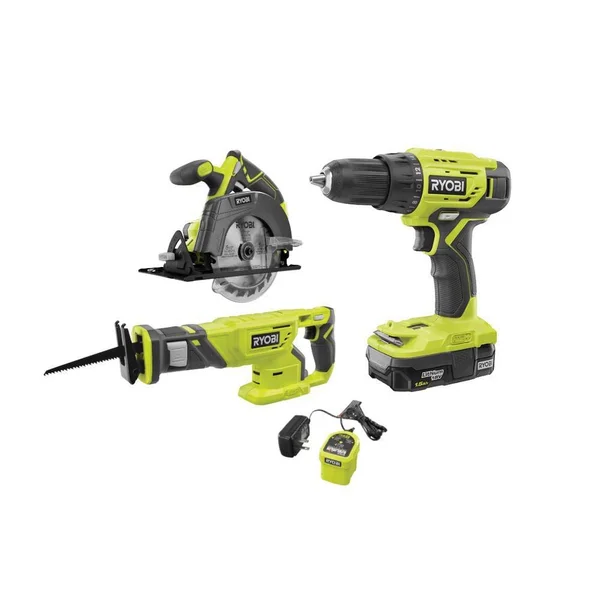 |
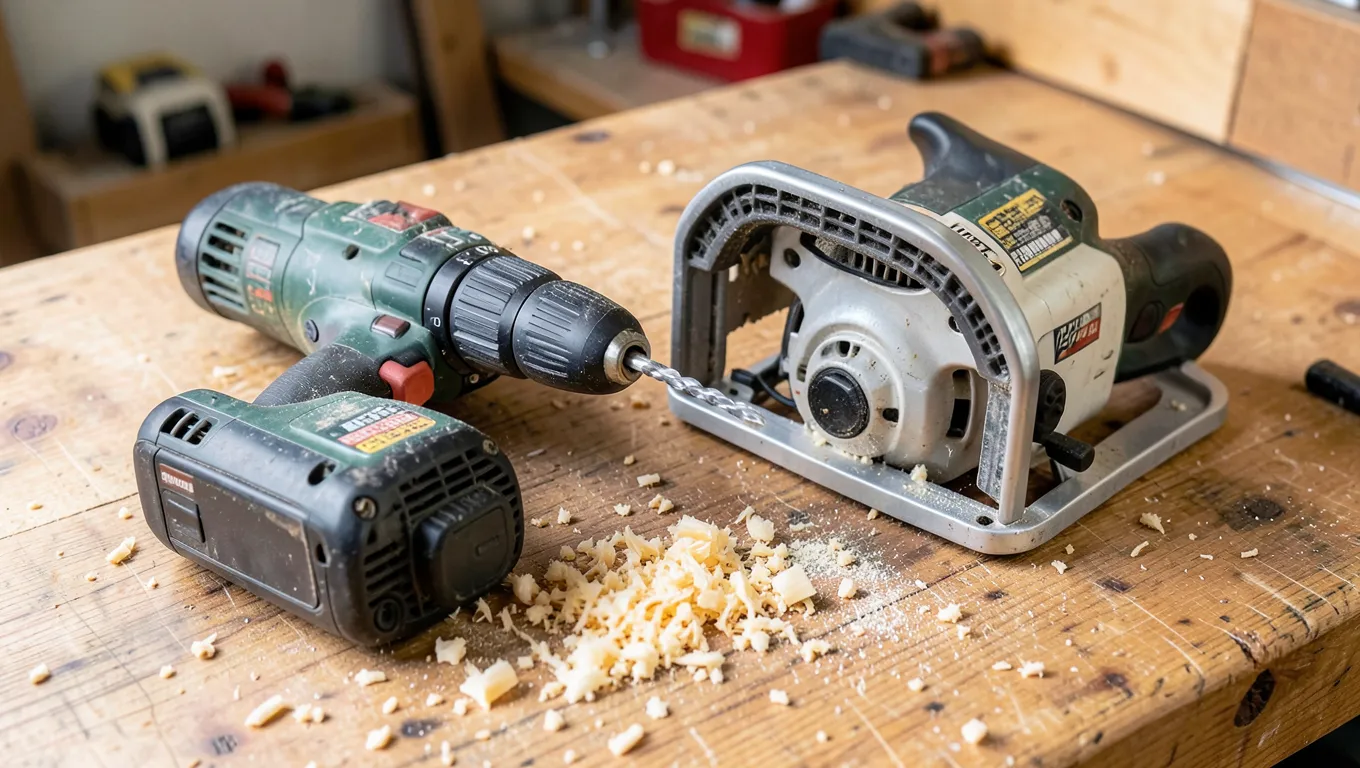
Ryobi ONE+ 18V 3-Tool Combo Kit (Drill, Circular Saw & Reciprocating Saw) – Check Current Price Adds a circular saw to the standard drill-plus-reciprocating-saw pairing, and the ONE+ battery works across Ryobi’s entire lawn and shop tool lineup, not just these three tools.
|
Combo kit contents vary, but a drill/reciprocating saw combo typically includes:
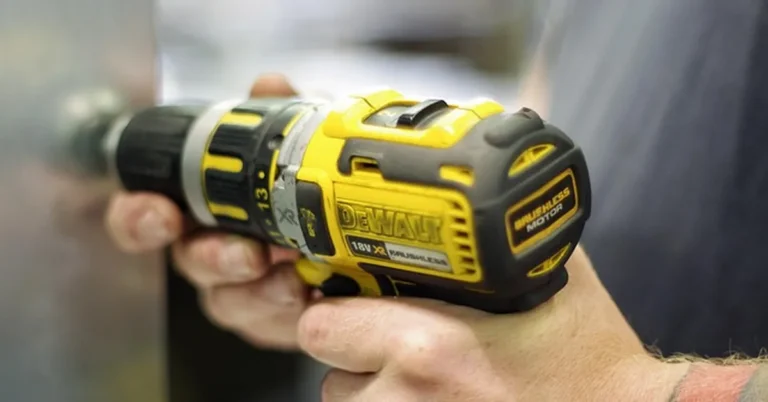
- A cordless drill/driver with a keyless chuck (most commonly ½-inch) and adjustable clutch settings
- A reciprocating saw, usually tool-free blade change, with variable speed trigger
- One or two batteries and a charger, shared between both tools
- A carrying case or bag
Many kits bundle in a third tool – most often a circular saw or LED work light – for close to the price of the two-tool version, which is worth checking before assuming a “2-tool” kit is the better deal.
Combo Kit vs. Buying the Tools Separately
| Factor | Combo Kit | Buying Separately |
|---|---|---|
| Cost | Lower total price, but includes a battery/charger you may not need | Higher total price for tools alone |
| Battery platform | Locked into one brand’s battery system | Free to mix brands if buying bare tools for an existing battery platform |
| Battery quality | Bundled batteries are often the smallest/cheapest in that brand’s lineup | Choose exactly the amp-hour rating you need |
| Best for | Starting from zero on a given brand’s platform | Already own batteries/chargers for a brand |
The math tips toward a combo kit mainly when you don’t already own batteries for that brand. If you’ve already got two or three tools on, say, a Milwaukee M18 platform, buying a bare-tool reciprocating saw and skipping a kit’s redundant battery is usually cheaper.
What Each Tool Is Actually Good For
The two tools solve different problems, and confusing them leads to bad results:
- Cordless drill/driver: Pilot holes, driving screws, assembling furniture, mixing small batches of adhesive or finish with a paddle bit. A ½-inch keyless chuck and multiple clutch settings cover the vast majority of home and shop tasks.
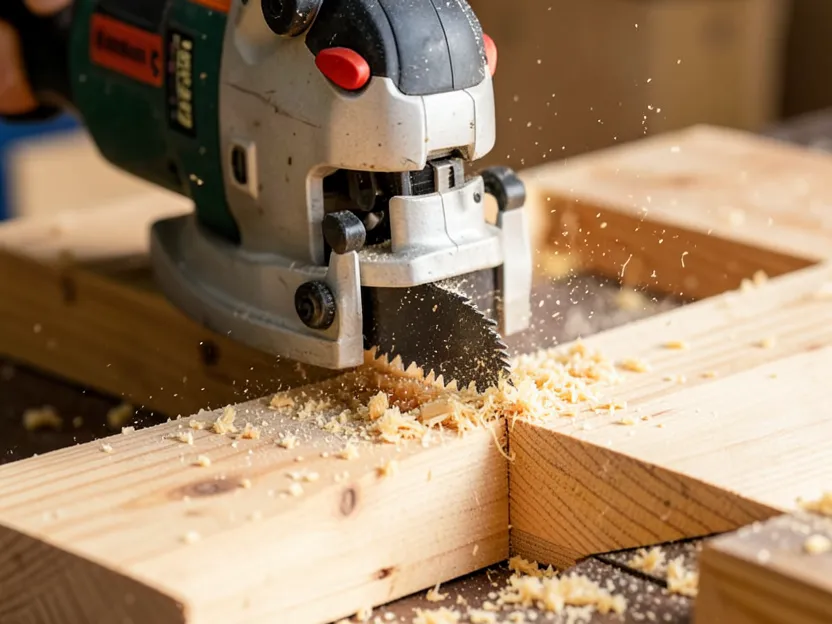
- Reciprocating saw: Demolition, cutting through material with embedded nails (something a circular saw blade won’t survive), pruning branches, and rough-cutting lumber to rough length before a more precise tool finishes the cut. It is not a substitute for a jigsaw or circular saw when a clean, accurate cut matters – the blade’s long stroke and lack of a fixed base make precision difficult.
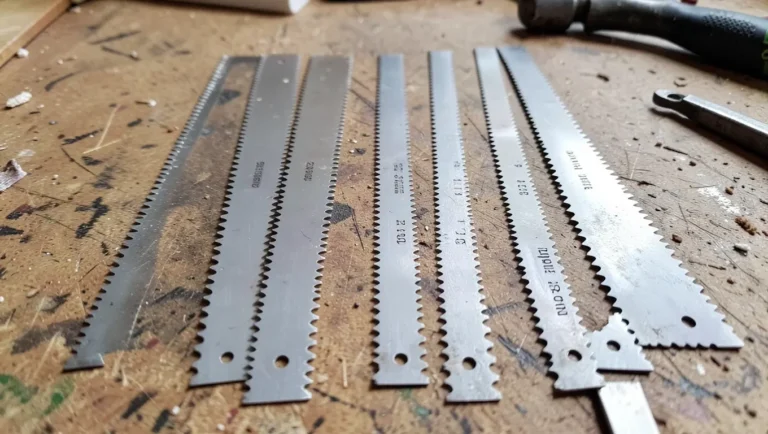
Blade choice on the reciprocating saw matters more than the saw itself for cut quality: a 6-10 TPI (teeth per inch) blade cuts wood fast but rough, while an 18-24 TPI blade is for metal and leaves a cleaner edge at a slower cutting speed. A demolition blade with mixed tooth geometry is the right choice when a cut might hit a hidden nail.
Choosing Between Brands
Battery platform lock-in is the real decision, more than any single spec on the drill or saw:
- DeWalt (20V MAX): Wide tool selection, strong resale value, and consistently good reciprocating saw performance. See the dedicated DeWalt combo kit comparison for specific models.
- Milwaukee (M18): Generally the strongest raw power and runtime in this class, at a higher price point; a common pick for anyone doing this professionally rather than occasionally.
- Ryobi (ONE+): The lowest cost of entry and the largest battery-compatible tool lineup (including outdoor power equipment), at the cost of lower duty-cycle motors than DeWalt or Milwaukee.
- Makita (LXT): Comparable performance to DeWalt with a reputation for smoother-running motors, though fewer combo kit configurations include a reciprocating saw specifically.
Safety Basics for Both Tools
- Clamp the workpiece before cutting or drilling – a reciprocating saw’s aggressive stroke can walk an unclamped board.
- Wear eye and ear protection for both tools; a reciprocating saw in particular throws debris and runs loud enough to warrant hearing protection during extended use.
- Check what’s on the other side of a cut before plunge-cutting with a reciprocating saw during demolition – hidden wiring and plumbing are the most common reason this tool causes real damage.
- Let the saw’s blade speed do the cutting; forcing it into the material increases both kickback risk and blade breakage.
Frequently Asked Questions
What is a drill and reciprocating saw combo kit?
It’s a bundle pairing a cordless drill/driver with a reciprocating saw on a shared battery and charger, sold together for less than buying each tool separately. Most kits add a carrying case, and many throw in a third tool like a circular saw or work light.
Can I use a reciprocating saw for fine woodworking?
Not for anything requiring a clean or precise edge. A reciprocating saw excels at rough cuts and demolition, but its long blade stroke and lack of a fixed base make it a poor substitute for a jigsaw or circular saw when accuracy matters. Use it for rough-cutting lumber to length or demolition, and finish with a more precise tool.
Are cordless combo kits as powerful as corded tools?
For the vast majority of home and DIY projects, yes – modern lithium-ion batteries close most of the power gap that used to favor corded tools. Corded reciprocating saws still have an edge in sustained heavy demolition work where battery swaps would otherwise slow things down.
How do I choose the right blade for my reciprocating saw?
Match tooth count to the material: 6-10 TPI for fast, rough wood cuts, 18-24 TPI for metal, and a mixed-tooth demolition blade when a cut might run into embedded nails or unknown material.
Is a drill and reciprocating saw combo worth it for beginners?
Generally yes, if you don’t already own batteries on a given brand’s platform. You get two genuinely different, complementary tools without paying for two separate batteries and chargers, and most combo kits are priced well below buying each tool individually at full retail.
Conclusion
A drill and reciprocating saw combo kit is worth buying when you’re starting from zero on a cordless platform and want two genuinely different, complementary tools rather than two of the same thing. The brand matters less than which battery ecosystem you’re willing to commit to, since most major brands’ drills and reciprocating saws perform similarly within their price tier. For a specific model-by-model breakdown, see our DeWalt combo kit comparison.
Sponsored / affiliate links. As an Amazon Associate I earn from qualifying purchases. I may earn additional commission from eligible campaigns.