Harbor Freight Cordless Reciprocating Saw: Warrior vs. Bauer vs. Hercules (2026)
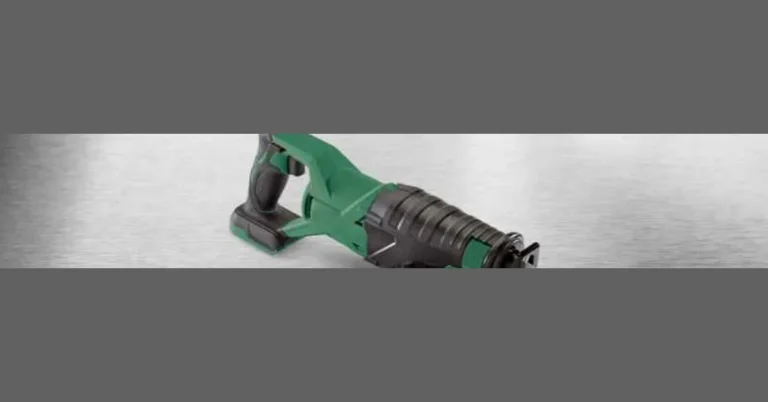
Harbor Freight sells cordless reciprocating saws under three different in-house brands, not one: Warrior (budget, around $49.99), Bauer (mid-tier, around $64.99), and Hercules (premium, around $79.99). They’re not the same tool with different paint jobs — the SPM (strokes per minute), motor type, and runtime actually change tier to tier, and mixing them up is the easiest way to overpay or underbuy.
Below is what each tier actually gets you, how they stack up against name-brand cordless reciprocating saws, and which one fits which job.
Harbor Freight’s Three Cordless Reciprocating Saw Tiers
Best Name-Brand Alternative
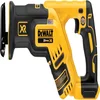
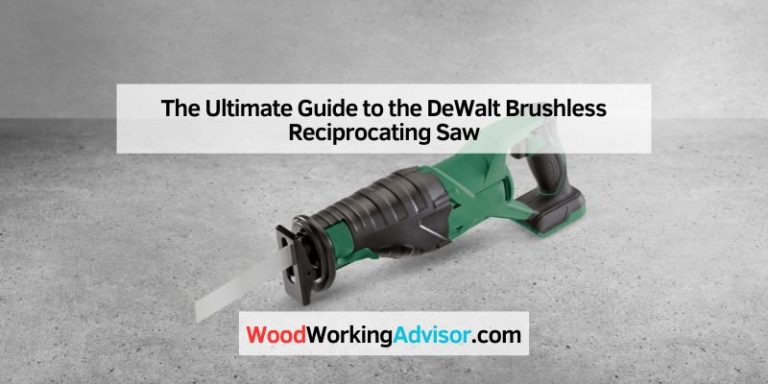
DEWALT DCS367B 20V MAX XR Brushless Reciprocating Saw
If you want something a step above even the Hercules tier — with nationwide warranty service instead of an in-store-only return — this is the one to compare against.
- Best for: Pros and heavy weekend use who want brushless power with a 3-year manufacturer warranty
- Why we picked it: Pivoting shoe, brushless motor, and a support network Harbor Freight’s house brands don’t match
- Main drawback: Costs more than even the Hercules 20V once you add a battery
Compare more cordless reciprocating saw options
 Budget Pick RYOBI ONE+ 18V Reciprocating Saw
|
 Mid-Tier Pick CRAFTSMAN V20 Reciprocating Saw
|
 Pro-Grade Pick Milwaukee M18 FUEL HACKZALL
|
Harbor Freight itself doesn’t sell the Warrior, Bauer, or Hercules saws through Amazon — they’re in-store/harborfreight.com exclusives. The four saws above are the closest name-brand equivalents at each price point, useful if you want online delivery or a manufacturer warranty network instead of an in-store-only return policy.
Key Features To Consider
Before comparing the tiers, it helps to know which specs actually change performance. Three things move the needle on a cordless reciprocating saw: strokes per minute (SPM), stroke length, and whether the motor is brushed or brushless.
Strokes Per Minute And Stroke Length
SPM tells you how fast the blade moves; stroke length tells you how far it travels per cycle. Harbor Freight’s Bauer and Hercules 20V models both run up to roughly 3,000 SPM with a 1-1/8 in. stroke — on par with the Milwaukee and DEWALT saws above, not a step down. The entry-level Warrior 18V trades some of that speed for its lower price.
Brushed Vs. Brushless Motors
Bauer and Hercules both use brushless motors, which run cooler, last longer, and squeeze more cuts out of a single charge than a brushed motor of the same voltage — Harbor Freight advertises roughly 30-50% more runtime on the Bauer brushless model versus its older brushed version. The Warrior tier uses a brushed motor, which is the main reason it costs about $15-30 less.
Tool-Free Blade Changes And Anti-Vibration
All three HF tiers use a tool-free blade clamp, so this isn’t a differentiator between them. Where they do differ is vibration control: Hercules specifically markets anti-vibration handle design, which matters if you’re making long cuts overhead or through metal.
Comparative Analysis
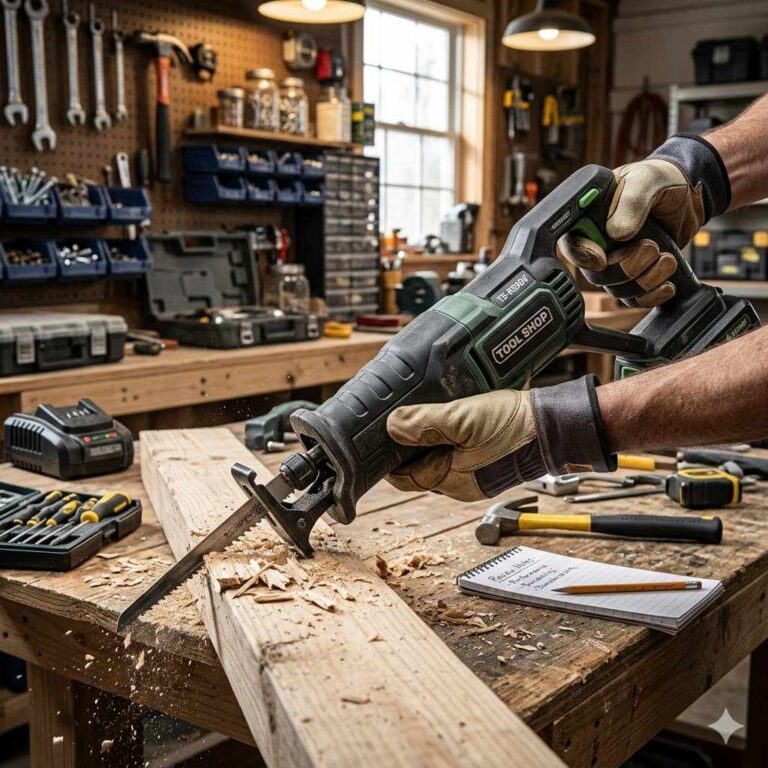
A cordless reciprocating saw is a demolition and rough-cutting tool — it’s not meant to replace a dedicated saw for precision work. Within that job, here’s how the three Harbor Freight tiers compare to each other, not to unrelated retailers selling unrelated products.
Warrior Vs. Bauer
The jump from Warrior to Bauer buys you a brushless motor and roughly the same SPM ceiling as the Hercules tier. If you’re cutting more than the occasional pipe, stud, or root, that runtime difference is worth the extra $15-20.
Bauer Vs. Hercules
Bauer and Hercules are closer in raw performance than the price gap suggests — both are brushless, both hit around 3,000 SPM. Hercules adds a more pronounced anti-vibration handle and is generally the better pick if you’re using the saw daily rather than for occasional projects.
Safety First
A reciprocating saw’s exposed, fast-moving blade makes it one of the easier power tools to get hurt with if you rush a cut. A few habits matter more than which tier you buy.
Essential Safety Features
All three Harbor Freight tiers include a blade guard, and the cordless design itself removes the tripping/cord-snag hazard that corded models carry. None of them have a true lock-out switch beyond the standard trigger — treat the battery as the safety switch and pull it whenever you’re changing a blade.
Best Practices For Safe Operation
Wear eye protection and gloves, clamp or brace whatever you’re cutting instead of holding it by hand, and always assume a wall, floor, or joist you’re cutting into could hide a wire or pipe — check before you plunge-cut. Remove the battery before swapping blades or doing any maintenance, even though the tool-free clamp makes it tempting to skip that step.
Read more on Harbor Freight’s circular saw lineup if you’re building out a full cordless kit rather than buying tools one at a time.
Accessories And Add-ons
A handful of add-ons do more for a reciprocating saw’s usefulness than a step up in tier does.
Must-have Accessories
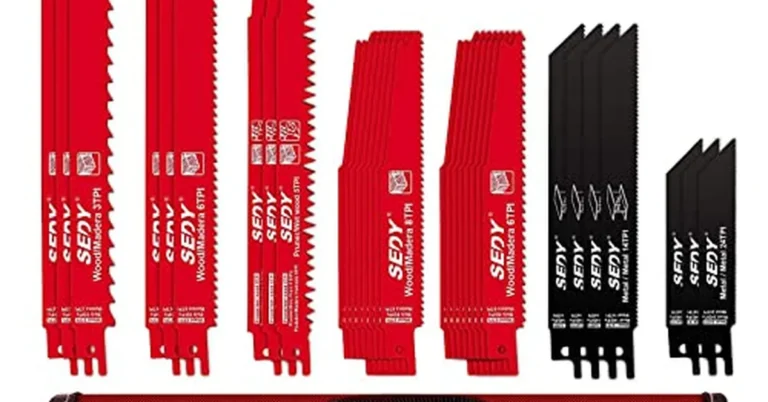
- Blades: Keep at least a wood blade and a metal-cutting blade on hand — the tool-free clamp on all three HF tiers makes swapping between them a non-issue.
- A spare battery: Runtime, not power, is the limiting factor on most jobs. A second 20V battery matters more than upgrading from Bauer to Hercules.
- Carrying case: Keeps the saw and blades together between job sites; only some kit versions include one.
Expanding Functionality
| Add-On | Description |
|---|---|
| Reciprocating Saw Guide | Clamps onto the shoe to help hold a straight line on longer cuts. |
| Metal-Cutting Blade Set | Higher TPI (teeth per inch) blades for pipe, studs, and nail-embedded demo work. |
| Pruning Blade | Coarser tooth pattern for green wood and branches, useful if you’re using the saw outdoors. |
Maintenance Tips
Cordless reciprocating saws need less upkeep than most power tools, but a couple of habits keep any of the three tiers running longer.
Routine Care
Inspect the blade for cracked or missing teeth before each use, and clear sawdust or debris from the shoe and clamp area — that’s the most common source of a blade that won’t seat properly. Store the battery partially charged rather than fully dead if the saw will sit unused for weeks.
Troubleshooting Common Issues
- Saw cutting slowly or bogging down: check blade sharpness and confirm you’re using the right tooth count for the material — this is a blade problem more often than a tool problem.
- Battery runtime dropping fast: batteries degrade with age; if a 20V pack that used to last 20 minutes now dies in 5, it’s the battery, not the saw.
- Excess vibration: confirm the blade clamp is fully seated — a loose clamp is the most common cause on all three HF tiers.
- Saw won’t start: check the battery is seated and charged, and that the trigger lock (if equipped) is released.
Making The Purchase
Warrior, Bauer, and Hercules cordless reciprocating saws are Harbor Freight exclusives — you won’t find the real thing sold new through Amazon, Walmart, or Home Depot, so compare prices against Harbor Freight’s own in-store and harborfreight.com listings, not third-party marketplaces. If you’d rather buy online with a broader warranty network, the name-brand alternatives in the comparison above are the closest match at each price tier.
Warranty And Return Policies
Harbor Freight backs its house brands with a limited warranty (typically longer on Hercules than on Warrior) and accepts returns in-store with a receipt. That’s narrower than what DEWALT, Milwaukee, RYOBI, or CRAFTSMAN offer through their own authorized dealer networks — factor that into which route makes sense for how often you’ll use the saw.
Frequently Asked Questions
What Is The Difference Between A Sawzall And A Reciprocating Saw?
“Sawzall” is Milwaukee’s trademarked brand name for its reciprocating saw line, the same way “Bauer” and “Hercules” are Harbor Freight’s own brand names. Functionally, they’re the same tool: a motor driving a blade back and forth in a straight line.
Are Cordless Reciprocating Saws Worth It?
Yes, for most demolition, remodeling, and yard cleanup tasks — the tradeoff is runtime and raw power versus a corded model, which no longer matters much once you’re on a brushless 20V platform like Bauer or Hercules. A corded saw still makes sense for all-day continuous cutting where battery swaps would slow you down.
When Should You Not Use A Reciprocating Saw?
Skip it for cuts that need to be clean or precise (use a jigsaw or circular saw instead), for delicate materials that can chip or crack under an aggressive stroke, or for any cut where you can’t first confirm there’s no hidden wire, pipe, or fastener in the cut line.
How Long Does A Battery Last On A Reciprocating Saw?
Realistically 15-30 minutes of continuous cutting on a mid-size 20V battery, though actual runtime depends heavily on the material — cutting nail-embedded lumber or metal drains a pack far faster than clean softwood.
Which Harbor Freight Cordless Reciprocating Saw Tier Should I Buy?
Warrior if it’s an occasional-use tool for a single project. Bauer if you want brushless performance without paying for Hercules-level vibration control. Hercules if you’ll use it often enough that comfort and runtime pay for themselves.
Conclusion
Harbor Freight’s cordless reciprocating saw lineup isn’t one tool with different labels — Warrior, Bauer, and Hercules genuinely differ in motor type and runtime, and the $15-30 gaps between tiers buy real performance, not just a brand name. Match the tier to how often you’ll actually use the saw, and it’ll outlast the project you bought it for.
Sponsored / affiliate links. As an Amazon Associate I earn from qualifying purchases. I may earn additional commission from eligible campaigns.