A Beginner’s Guide to Using an Offset Reciprocating Saw Blade
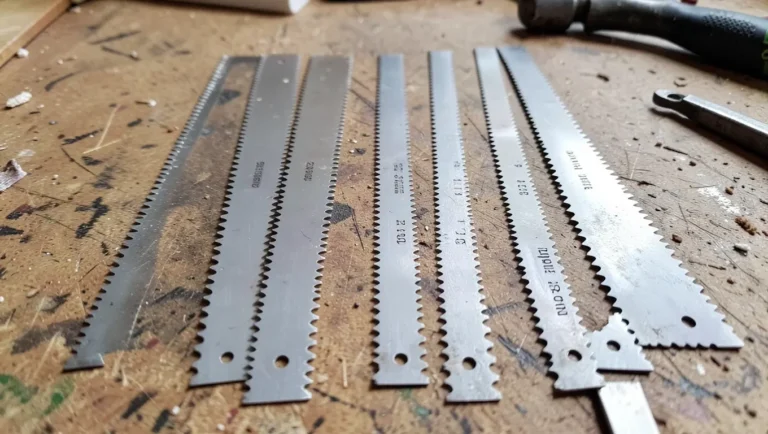
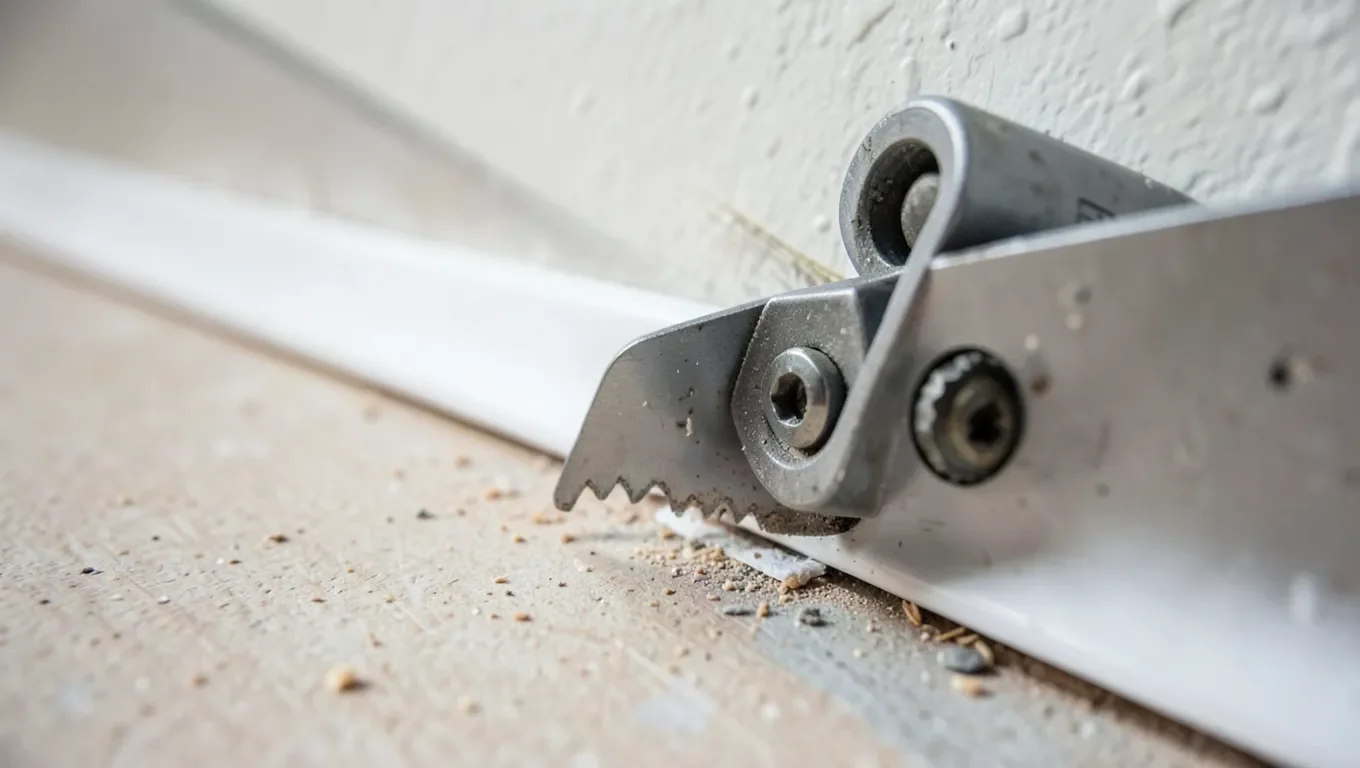
An offset reciprocating saw blade has a bent, angled section near the shank that shifts the cutting edge away from the saw’s body. That gap lets you cut flush against a wall, floor, or other flat surface without the saw’s housing bumping into it – something a straight blade physically can’t do. It’s the right tool for trimming baseboards, cutting pipes close to a wall, or any flush cut where a standard blade’s geometry gets in the way.
Why Use an Offset Blade Instead of a Standard One
With a standard straight blade, the saw’s nose and shoe stop the blade well short of a flush surface – you’re left with a stub of material you then have to chisel, sand, or grind down separately. The offset design solves this in one pass: the bent section carries the cutting edge past the saw’s body, so the blade reaches all the way to the surface while the saw itself stays clear.
- Flush cuts: cutting right up against walls, floors, or corners in one pass
- Tight spaces: remodeling or plumbing work where a standard blade’s body can’t fit
- Versatility: available in wood, metal, and multi-material tooth patterns
- Less finishing work: no separate chiseling or sanding step to bring a stub flush
The tradeoff: offset blades typically cost more than an equivalent straight blade, and the offset geometry can transmit more vibration to the saw, so a firm grip and steady feed rate matter more than usual.
Tools and Materials You’ll Need
You don’t need specialty gear beyond the blade itself to get started with an offset reciprocating saw blade.
- Reciprocating saw: any brand with a standard universal shank clamp works with most offset blades.
- Offset blade or adapter: choose a blade rated for your material (wood, metal, or multi-purpose).
- Safety gear: safety glasses, work gloves, and hearing protection.
- Clamps: to hold the workpiece steady during the cut.
- Measuring tape and pencil: for marking the cut line.
Tip: check your saw’s manual for shank compatibility before buying – most reciprocating saws use a standard 1/2″ universal shank, but it’s worth confirming.
How to Make a Flush Cut With an Offset Blade
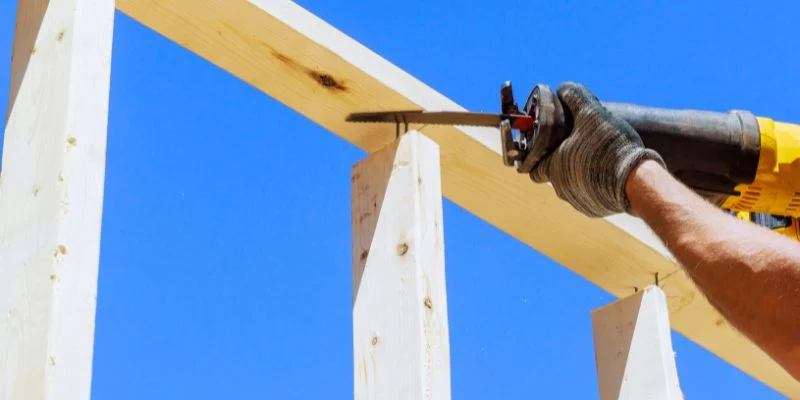
A baseboard trimmed flush against a wall is a typical use case. Here’s the sequence:
- Pick the right blade: a wood-cutting offset blade (roughly 6-10 TPI) for baseboard and trim material.
- Attach the blade or adapter to the saw and confirm it’s locked in with a firm tug before starting.
- Mark the cut line with a pencil, right at the surface you’re cutting flush against.
- Secure the workpiece with a clamp so it can’t shift mid-cut.
- Position the saw so the blade’s cutting edge lines up with your mark; the offset keeps the saw’s body clear of the wall.
- Cut at a steady pace, letting the blade’s stroke do the work rather than forcing the feed rate.
- Check the cut and adjust the angle on a second pass if it isn’t fully flush.
Safety: keep both hands on the saw, wear eye protection, and expect debris – wood chips and metal shavings both come off fast during a reciprocating cut.
Best For Flush Cuts On Wood And Nail-Embedded Material
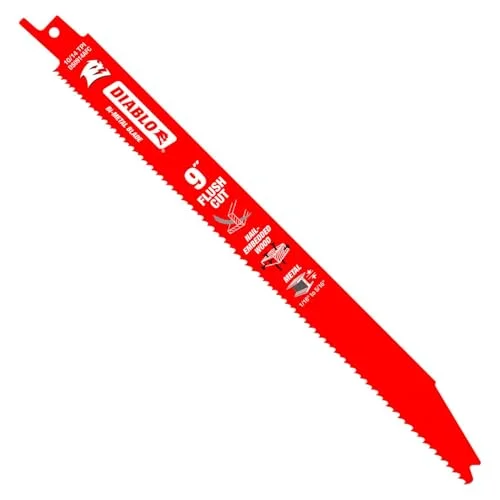 |
Diablo Flush Cut Bi-Metal Reciprocating Saw Blades, 9″, 5-Pack – $15.97 A dedicated flush-cut geometry (not just a generic bent adapter) built to handle nail-embedded wood, which is common when trimming installed baseboards or framing.
|
Offset Blades vs. Offset Adapters
An offset blade has the bend built into the blade itself; an offset adapter is a separate attachment that lets you clamp in any standard straight blade and get the same offset geometry. A dedicated blade is ready to use with no setup, but it’s limited to whatever material that specific blade is rated for. An adapter costs more upfront but works with any standard blade you already own, which matters if you’re switching between wood and metal cuts on the same project.
| Feature | Offset Blade | Offset Adapter |
|---|---|---|
| Typical cost | $10-$20 per blade | $15-$30, reusable with any standard blade |
| Setup | Ready to use immediately | Requires attaching the adapter first |
| Material flexibility | Limited to that blade’s rating | Swap in any standard blade for the material at hand |
| Best for | A single, specific flush-cut job | Repeated use across different materials |
Common Mistakes to Avoid
- Wrong blade for the material: a wood-rated blade dulls almost immediately on metal. Match TPI to material – roughly 6-10 TPI for wood, 14-18 TPI for metal.
- Forcing the cut: pushing too hard increases vibration and produces a rougher cut than letting the blade’s own stroke rate do the work.
- Skipping eye protection: debris from both wood and metal cuts flies fast and close to the work.
- Not checking the blade is locked: a loose blade in the clamp can bind or snap mid-cut.
Alternatives to an Offset Blade
- Oscillating multi-tool: precise for small flush cuts in tight corners, but much slower on longer cuts.
- Flexed standard blade: a longer straight blade can be angled for a near-flush cut, but this stresses the blade and risks snapping it.
- Angle grinder with a cutoff wheel: workable for metal or masonry flush cuts, but leaves a rougher edge on wood than a saw blade.
For a single small trim job, a multi-tool can be the simpler choice; for longer cuts or repeated flush trimming, an offset reciprocating saw blade is faster.
Conclusion
An offset reciprocating saw blade solves a specific problem – cutting flush against a wall, floor, or other flat surface – that a standard straight blade’s geometry can’t handle. Match the blade’s TPI to your material, keep the workpiece clamped, and let the blade’s stroke rate do the cutting rather than forcing it, and a flush cut against baseboard or pipe becomes a single clean pass instead of a cut-then-chisel job.
Frequently Asked Questions
What is an offset reciprocating saw blade used for?
Flush cuts – trimming baseboards, pipes, or other material right against a wall or floor. Its bent design keeps the saw’s body clear of the surface, which a standard straight blade can’t do.
Can I use an offset blade on any reciprocating saw?
Most offset blades fit any saw with a standard universal shank clamp. Check your saw’s manual to confirm shank compatibility before buying.
Are offset blades safe for beginners?
Yes, with standard precautions: eye protection, a securely clamped workpiece, and a steady feed rate rather than forcing the cut. Practicing on scrap material first helps build a feel for the blade’s vibration.
How do I choose the right offset blade?
Match the blade’s TPI (teeth per inch) to your material – roughly 6-10 TPI for wood, 14-18 TPI for metal. Bi-metal blades handle nail-embedded wood better than standard carbon-steel blades.
What’s the difference between offset and standard blades?
An offset blade has a bent section that shifts the cutting edge away from the saw’s body, allowing a flush cut. A standard blade is straight, so the saw’s housing stops it short of a flush surface.
Sponsored / affiliate links. As an Amazon Associate I earn from qualifying purchases. I may earn additional commission from eligible campaigns.