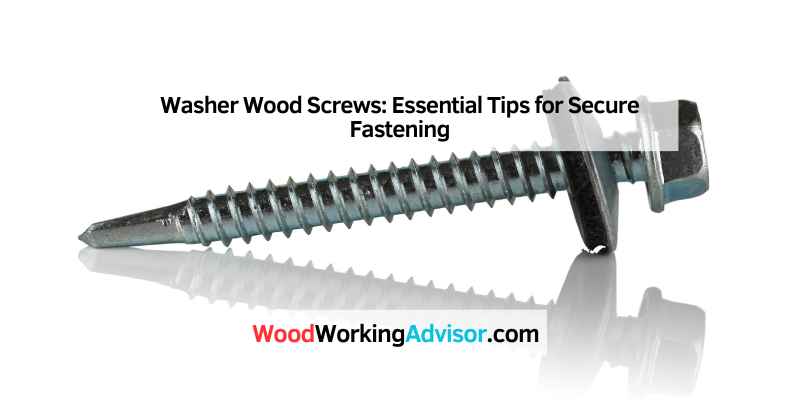
Washer Wood Screws: Essential Tips for Secure Fastening
Washer wood screws feature a flat washer-like head that distributes load evenly. They provide better grip and reduce the risk of damage to the material.
Washer wood screws are essential in woodworking and construction projects. Their design allows for increased surface area, preventing the screw from sinking into softer materials. These screws are particularly useful for securing components where a strong hold is necessary, such as in furniture assembly or decking.
Available in various sizes and materials, they offer versatility for different applications. Choosing the right washer wood screw ensures durability and stability in your projects. Proper installation enhances overall strength, making these screws a reliable choice for both professionals and DIY enthusiasts. Understanding their benefits can elevate your woodworking skills significantly.
Introduction To Washer Wood Screws
Washer wood screws play a crucial role in woodworking projects. They combine the strength of screws with the stability of washers. This combination enhances grip and prevents damage to wood surfaces.
Characteristics Of Washer Wood Screws
Washer wood screws have unique features that make them effective:
- Material: Made from steel, stainless steel, or brass.
- Thread Design: Coarse threads for better holding power.
- Washer: Integrated or separate, distributing load evenly.
- Head Type: Various shapes like flat, pan, or round.
These characteristics ensure a secure and long-lasting connection in wood applications.
Applications And Benefits
Washer wood screws are versatile and used in various projects:
- Furniture Assembly: Ideal for building sturdy furniture.
- Outdoor Structures: Great for decks and fences.
- Cabinet Installation: Ensures strong cabinet mounting.
Benefits include:
- Prevents Splitting: Washers reduce wood splitting.
- Improved Load Distribution: Equalizes pressure across surfaces.
- Corrosion Resistance: Stainless options resist rust.
Choosing washer wood screws enhances durability and reliability in projects.
Types Of Washer Heads
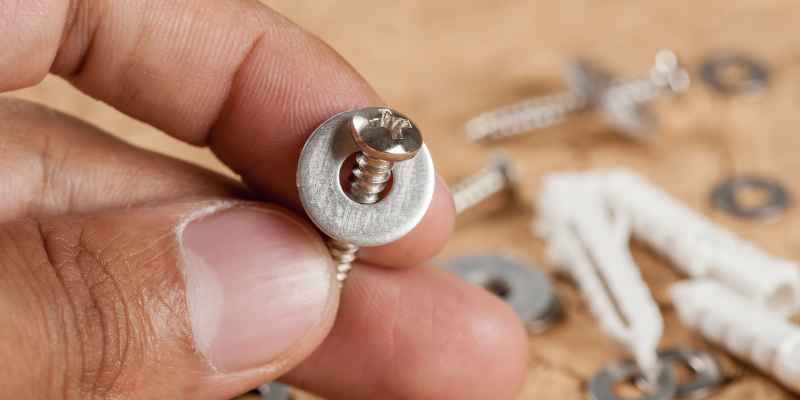
Washer heads come in various types. Each type serves a unique purpose. Understanding these types helps in choosing the right one for your project.
Flat Washers
Flat washers are the most common type. They distribute load evenly. This prevents damage to the surface being fastened.
- Made of metal, plastic, or rubber.
- Available in different sizes.
- Used for both indoor and outdoor applications.
Flat washers work best in:
- Wood projects
- Metal assemblies
- Automotive repairs
Lock Washers
Lock washers prevent loosening under vibration. They ensure tight connections in mechanical assemblies.
| Type | Function |
|---|---|
| Split Lock Washers | Provides a spring effect to resist loosening. |
| Tooth Lock Washers | Grips the surface to prevent rotation. |
Use lock washers in:
- Heavy machinery
- Automotive assemblies
- Electrical components
Sealing Washers
Sealing washers create a waterproof seal. They prevent leaks in plumbing and other applications.
These washers come in various materials:
- Rubber
- Silicone
- Plastic
Sealing washers are ideal for:
- Pipes
- Faucets
- Gas connections
Material Choices For Durability
Choosing the right material for washer wood screws is vital. The material affects strength, corrosion resistance, and lifespan. Two popular options are stainless steel and galvanized steel.
Stainless Steel Vs. Galvanized
Stainless steel and galvanized screws serve different purposes. Here’s a simple comparison:
| Feature | Stainless Steel | Galvanized |
|---|---|---|
| Corrosion Resistance | High | Moderate |
| Strength | Very Strong | Strong |
| Cost | Higher | Lower |
| Best Use | Outdoor, Marine | Indoor, Light Outdoor |
Stainless steel screws resist rust and corrosion. They last longer in harsh environments. Galvanized screws are coated with zinc. This coating protects against moisture but can wear off over time.
Coatings And Corrosion Resistance
Coatings enhance the performance of washer wood screws. Here are some common types:
- Zinc Coating: Provides basic protection against rust.
- Black Oxide: Offers minimal corrosion resistance but a sleek finish.
- Epoxy Coating: Extremely durable and resistant to chemicals.
- Powder Coating: Thick layer that prevents scratches and rust.
Choosing the right coating is crucial. Consider your project’s environment. For wet areas, opt for screws with higher corrosion resistance.
Size And Length Selection
Selecting the right size and length of washer wood screws is crucial. Proper selection ensures strong fastening and durability. Consider the material and application before making a choice.
How To Choose The Right Size
Choosing the right size for your washer wood screws involves a few key factors:
- Material Type: Consider the wood type.
- Application: Understand what you are fastening.
- Screw Diameter: Measure the thickness needed.
- Washer Size: Ensure the washer fits snugly.
Here’s a simple table to help you determine the correct diameter:
| Material Type | Recommended Diameter |
|---|---|
| Pine | #8 – #10 |
| Oak | #10 – #12 |
| Plywood | #8 – #10 |
Impact Of Length On Fastening Security
The length of washer wood screws affects fastening security significantly. Longer screws provide a deeper grip. This increases strength and stability.
Consider these points:
- Short Screws: Good for thinner materials.
- Long Screws: Ideal for thick or layered applications.
- Overly Long Screws: Can split the wood.
Measure the thickness of materials before selecting screw length. Follow these guidelines for best results:
- Choose a screw that penetrates at least 1 inch into the base material.
- Avoid using screws longer than necessary.
Pre-drilling And Pilot Holes
Pre-drilling and creating pilot holes are essential steps in woodworking. These methods ensure a smooth installation of washer wood screws. They help prevent wood from splitting and improve screw alignment.
Benefits Of Pre-drilling
- Prevents Splitting: Wood can crack without pre-drilling.
- Better Screw Alignment: Ensures screws go in straight.
- Less Effort: Easier to drive screws into wood.
- Improved Holding Power: Screws grip better in pilot holes.
How To Make The Perfect Pilot Hole
- Choose the Right Drill Bit: Use a bit slightly smaller than the screw diameter.
- Mark the Spot: Use a pencil to mark where the hole will go.
- Drill Straight: Keep the drill perpendicular to the wood surface.
- Depth Matters: Drill to the length of the screw, not deeper.
- Clean the Hole: Remove any wood shavings before inserting the screw.
| Drill Bit Size | Recommended Screw Size |
|---|---|
| 1/16 inch | #4 to #6 screws |
| 3/32 inch | #8 screws |
| 1/8 inch | #10 screws |
| 5/32 inch | #12 screws |
Installation Techniques
Installing washer wood screws requires proper techniques for the best results. The right method ensures strength and durability. Below, we explore two key techniques: manual driving and power driving. We will also discuss how to ensure tightness without stripping.
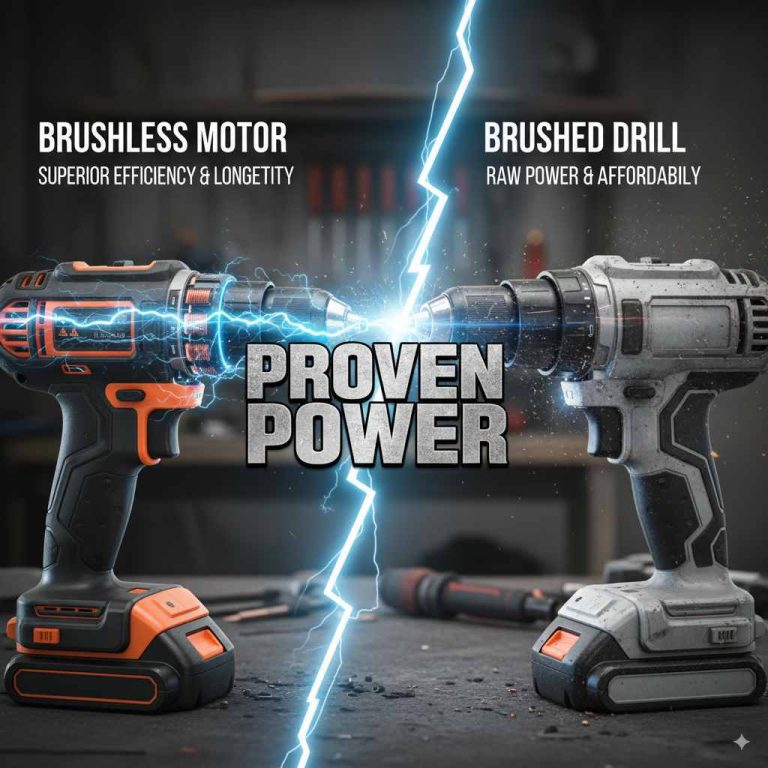
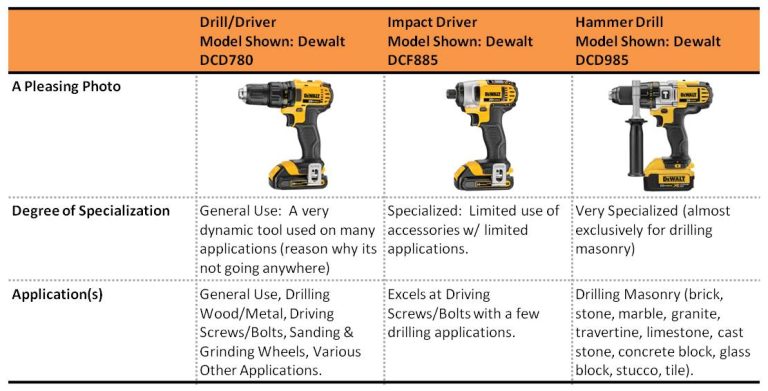
Manual Vs. Power Driving
Choosing between manual and power driving is essential. Each method has its benefits and downsides.
| Method | Advantages | Disadvantages |
|---|---|---|
| Manual Driving |
|
|
| Power Driving |
|
|
Ensuring Tightness Without Stripping
Stripping can weaken connections. Follow these tips to avoid it:
- Choose the right size screw. Ensure it matches your material.
- Use a pilot hole. Drill a hole before inserting the screw.
- Set the torque. Adjust your power tool’s torque settings.
- Use a screw driver with a good fit. This prevents slipping.
- Check depth. Ensure the screw is flush with the surface.
Proper installation techniques make a big difference. Follow these guidelines to achieve strong, reliable connections with washer wood screws.
Common Mistakes To Avoid
Many people make mistakes when using washer wood screws. These errors can lead to poor results. Understanding these mistakes helps ensure better projects.
Over-tightening Issues
Over-tightening can cause serious problems. Here are some common issues:
- Splitting Wood: Excessive force can crack the wood.
- Stripped Threads: This makes screws lose their grip.
- Deformed Heads: Over-tightening can strip the screw head.
Use a torque screwdriver for better control. Aim for snug, not too tight. This prevents damage and ensures a strong hold.
Choosing The Wrong Screw For Wood Type
Using the wrong screw can ruin your project. Different woods require different screws. Here’s a simple guide:
| Wood Type | Recommended Screw Type |
|---|---|
| Pine | Coarse thread screws |
| Oak | Fine thread screws |
| Softwoods | Wood screws with larger heads |
Always match the screw type to the wood. This ensures a strong connection and prevents damage.
Maintenance And Inspection Tips
Regular maintenance and inspection of washer wood screws ensure their longevity. Proper care prevents costly repairs and replacements. Follow these tips to keep your screws in top shape.
Regular Check-ups For Longevity
Check your washer wood screws regularly. This simple task can extend their life significantly. Look for signs of wear, rust, or loosening.
- Inspect screws every few months.
- Look for rust or corrosion.
- Ensure screws are tight and secure.
- Check for any damage to surrounding wood.
Use a flashlight for better visibility. Keep a checklist to track your inspections.
Replacing Worn-out Screws
Replace screws showing signs of wear. This helps maintain structural integrity. Follow these steps for safe replacement:
- Remove the old screw carefully.
- Inspect the hole for damage.
- Choose the right size and type of screw.
- Install the new screw securely.
Keep a stock of spare screws. This ensures quick replacements when needed. Remember, safety comes first.
Advanced Fastening Strategies
Using washer wood screws can enhance your projects. These screws provide strong connections and reliability. Combining them with other methods can improve performance further. Here are some advanced strategies to consider.
Using Adhesives With Washer Wood Screws
Adhesives can boost the strength of washer wood screws. They fill gaps and create a more secure bond. Here are some key points:
- Types of adhesives: Choose epoxy, polyurethane, or construction adhesive.
- Application: Apply adhesive to the joint before inserting screws.
- Curing time: Allow the adhesive to cure fully for best results.
Combining adhesives with screws reduces stress on the screws. This method is ideal for heavy loads. It also prevents loosening over time. Always ensure surfaces are clean before applying adhesive.
Weather Considerations For Outdoor Use
Weather affects the performance of washer wood screws. Use the right materials for outdoor projects. Here’s how to choose:
| Material | Corrosion Resistance | Best Use |
|---|---|---|
| Stainless Steel | High | Coastal areas |
| Galvanized Steel | Moderate | General outdoor use |
| Brass | Low | Protected areas |
Consider these factors for outdoor projects:
- Use stainless steel for maximum protection.
- Store screws in a dry area to avoid rust.
- Inspect screws regularly for signs of wear.
Choosing the right materials ensures longer-lasting projects. Washer wood screws provide excellent support under various conditions.
Frequently Asked Questions
What Are Washer Wood Screws Used For?
Washer wood screws are designed for fastening materials together. They provide a larger bearing surface, which helps to distribute the load. This prevents the screw from pulling through softer woods. They are ideal for securing items like wood panels and furniture.
How Do I Choose The Right Washer Wood Screw?
Choosing the right washer wood screw involves considering several factors. Think about the material thickness, screw length, and diameter. Also, consider the type of wood and environmental conditions. Selecting the right screw ensures a secure and lasting connection.
Can Washer Wood Screws Be Reused?
While washer wood screws can sometimes be reused, it’s not always advisable. Frequent use may cause wear, compromising their strength. Inspect the screw for damage before reusing. If the threads or washer are worn, it’s best to replace them for safety.
Are Washer Wood Screws Waterproof?
Washer wood screws are not inherently waterproof. However, some are coated with materials that enhance their resistance to moisture. For outdoor projects, look for screws specifically labeled as weather-resistant. This ensures durability against elements like rain and humidity.
Conclusion
Washer wood screws are essential for strong and durable connections in various projects. Their design helps distribute load and reduce the risk of splitting wood. Choosing the right washer wood screws can enhance your woodworking results significantly. Invest in quality screws to ensure long-lasting performance and stability in your creations.