What Are The Disadvantages Of Cedar Shake Roof: Essential Guide
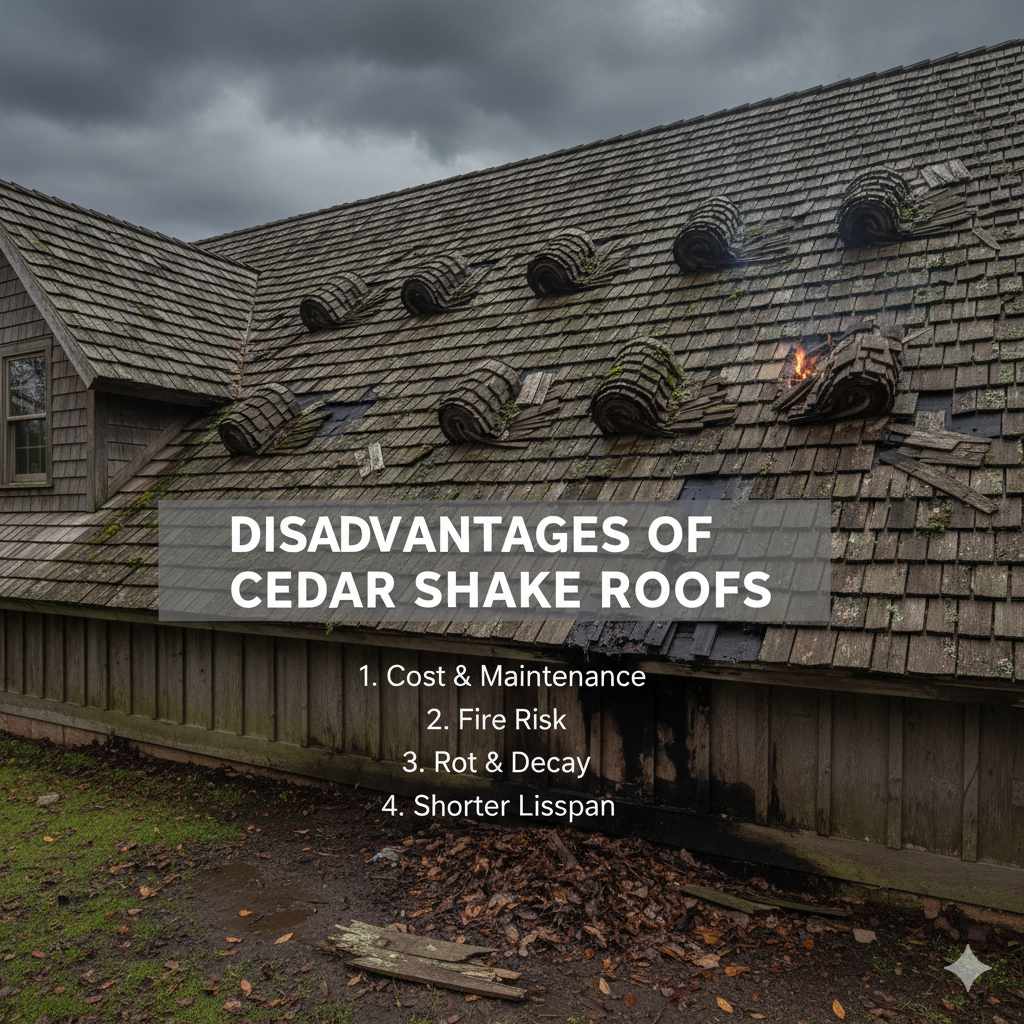
Cedar shake roofs, while beautiful, have disadvantages like higher maintenance needs, susceptibility to fire and insects, potential for splitting, and significant initial cost. Understanding these drawbacks is crucial before choosing this natural roofing material.
Hello there, fellow DIYers and homeowners! Md Meraj here, your go-to woodworking mentor. Today, we’re going to talk about something that really brings a warm, rustic charm to a home: cedar shake roofing. They look fantastic, right? That natural wood grain and unique texture can make any house stand out. But, as with most things in life, what looks beautiful on the outside might have a few quirks that are good to know about, especially if you’re considering them for your home or even tackling a related DIY project.
We’ll break down what those less-than-ideal aspects are, making sure you have all the information you need to make a wise decision. Don’t worry, we’ll keep it simple and clear, just like we do in the workshop. Let’s get started and uncover the essential guide to the disadvantages of cedar shake roofs!
Understanding Cedar Shake Roofing
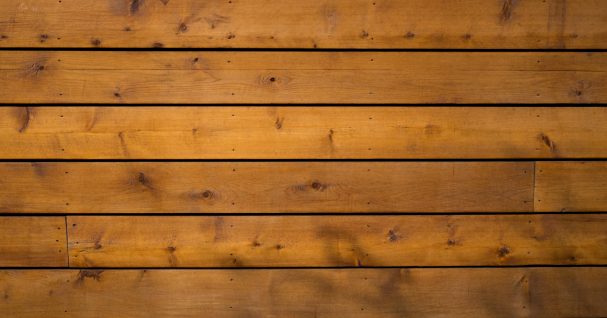
Cedar shake roofing is a premium, natural roofing material made from split cedar logs. Unlike sawn shingles, shakes are hand-split, giving them a rustic, textured appearance with a more pronounced grain and thickness. This natural variation is part of their charm and why many homeowners are drawn to them for their aesthetic appeal.
They offer a unique look that can’t be perfectly replicated by manufactured materials. The natural oils in cedar also provide some inherent resistance to rot and insects. However, the very nature of wood means it comes with its own set of challenges and maintenance requirements.
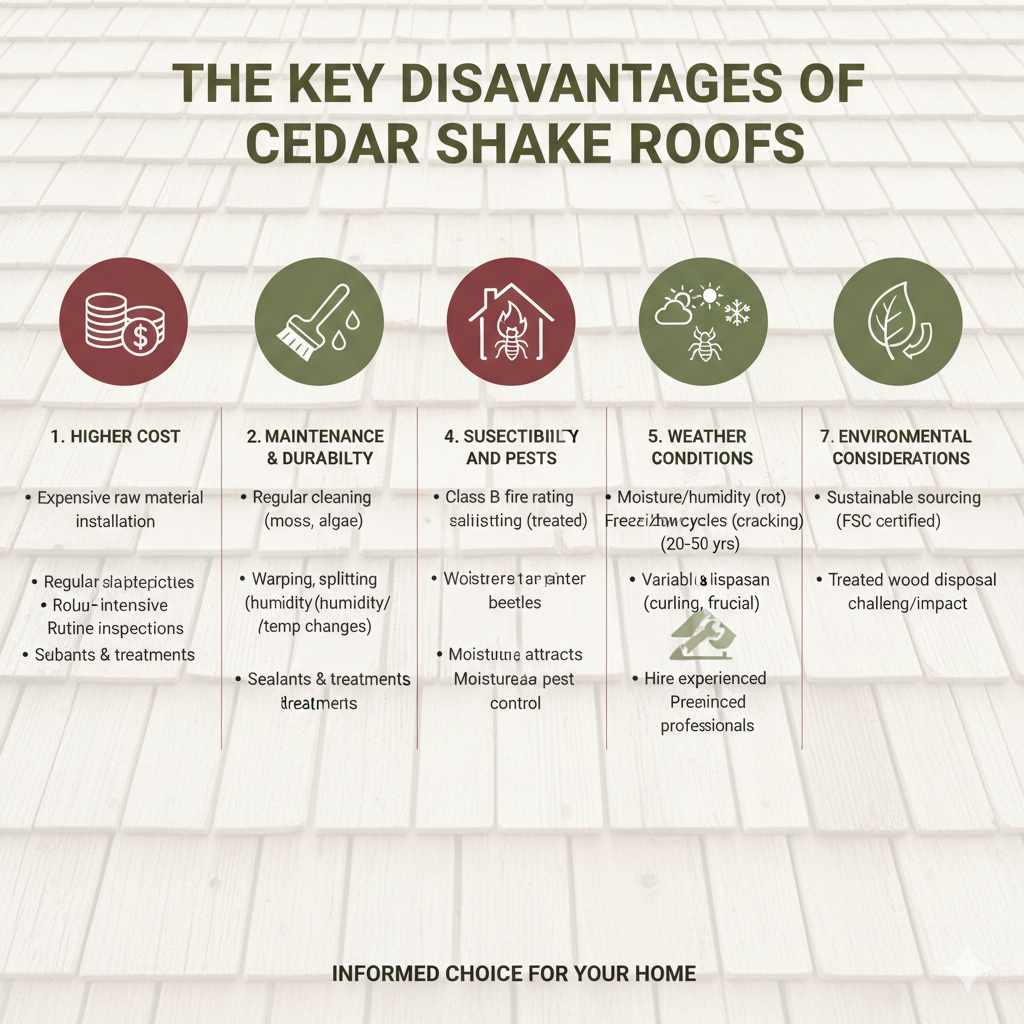
The Key Disadvantages of Cedar Shake Roofs
While cedar shakes offer undeniable beauty and a connection to nature, it’s important to be aware of their potential downsides. These aren’t meant to scare you away, but rather to equip you with the knowledge to make an informed choice. Let’s dive into each disadvantage:
1. Higher Cost
One of the most immediate considerations for any homeowner is cost. Cedar shake roofing is generally more expensive than asphalt shingles, metal roofing, or even synthetic shake alternatives. This higher price tag is due to the cost of the raw material (high-quality cedar lumber), the labor-intensive process of splitting and shaping the shakes, and the specialized installation techniques required.
The initial investment can be substantial, and it’s important to factor this into your overall home improvement budget. Think of it as an upfront investment for a long-term aesthetic appeal, but one that requires careful financial planning.
2. Maintenance Requirements & Durability Concerns
Wood, by its nature, requires more upkeep than many synthetic or metal roofing materials. Cedar shakes are no exception. To ensure they last as long as possible and maintain their appearance, they need regular maintenance.
- Cleaning: Moss, algae, and mildew can grow on cedar shakes, especially in damp climates. This growth can trap moisture, leading to premature decay. Regular cleaning, often with specialized solutions, is necessary.
- Inspections: Routine inspections are crucial to spot any signs of damage, wear, or infestation early on.
- Potential for Warping and Splitting: Cedar is a natural material that expands and contracts with changes in humidity and temperature. Over time, this can lead to warping, cupping, or cracking of the shakes, especially if they aren’t installed or maintained properly.
While cedar has natural oils that offer some protection, these can be depleted over time, making the wood more vulnerable. Some homeowners choose to apply sealants or treatments to help preserve the wood, which adds to the ongoing maintenance efforts and costs.
3. Susceptibility to Fire
This is a significant concern for many homeowners. Because cedar shakes are made from wood, they are inherently combustible. While treated cedar shakes can achieve a Class B fire rating, they are still more vulnerable to fire than non-combustible roofing materials like metal, tile, or asphalt shingles.
In areas prone to wildfires, cedar shake roofs may not be permitted or might significantly increase your homeowner’s insurance premiums. It’s essential to check with your local building codes and insurance providers regarding fire safety regulations for wood roofing. For more information on roofing fire ratings, you can consult resources from the Federal Emergency Management Agency (FEMA).
4. Vulnerability to Insects and Pests
While cedar’s natural oils offer some deterrence, they are not entirely immune to the threat of insects and pests. Termites, carpenter ants, and wood-boring beetles can still find cedar shakes an attractive dwelling or food source, especially if the wood becomes compromised by moisture or decay.
Regular inspections are key to catching any signs of infestation early. If pests do become a problem, treating the affected areas can be challenging and may require professional pest control services, adding to the overall cost and effort of maintaining the roof.
5. Impact of Weather Conditions
Cedar shakes are beautiful, but they are not indestructible. Extreme weather conditions can take a toll on their longevity and appearance.
- Moisture and Humidity: Constant exposure to moisture can accelerate rot and encourage the growth of mold and mildew. Proper ventilation and drainage are crucial.
- Freeze-Thaw Cycles: In colder climates, water seeping into small cracks can freeze, expand, and widen those cracks, eventually causing shakes to split or break.
- Harsh Sun: Prolonged exposure to intense sunlight can dry out the wood, leading to curling, splitting, and fading of the natural color.
The lifespan of a cedar shake roof can vary significantly depending on the climate and the quality of installation and maintenance. While often cited as lasting 20-50 years, this range is highly dependent on environmental factors.
6. Installation Expertise Required
Installing cedar shakes is not a typical DIY project for beginners. It requires specialized knowledge and techniques to ensure the roof is properly installed for both durability and weather resistance. Improper installation can lead to premature failure, leaks, and a significantly reduced lifespan for the roofing material.
Shakes need to be laid with specific overlaps, proper spacing for expansion, and appropriate underlayment. Mistakes in these areas can cause major problems down the line. It’s highly recommended to hire experienced roofing professionals specializing in cedar shake installation. For guidance on finding qualified contractors, you can explore resources like the Roofing Contractor magazine‘s advice.
7. Environmental Considerations
While cedar is a natural and renewable resource when harvested responsibly, there are still environmental considerations to keep in mind.
- Sustainability: The forestry practices used to harvest the cedar are important. Look for certifications like those from the Forest Stewardship Council (FSC) to ensure your wood comes from sustainably managed forests.
- Preservatives: Some cedar shakes may be treated with chemicals to improve their fire resistance or durability. The environmental impact of these treatments should be considered.
- Disposal: At the end of its lifespan, treated wood roofing can create disposal challenges.
It’s a balance between the natural appeal of wood and the environmental impact of its sourcing and treatment.
Comparing Cedar Shakes to Other Roofing Materials
To truly understand the disadvantages of cedar shakes, it’s helpful to see how they stack up against other common roofing options. This table highlights some key differences:
| Feature | Cedar Shakes | Asphalt Shingles | Metal Roofing | Synthetic Shakes |
|---|---|---|---|---|
| Initial Cost | High | Low to Medium | Medium to High | Medium to High |
| Lifespan | 20-40 years (with maintenance) | 15-30 years | 40-70+ years | 30-50+ years |
| Maintenance Needs | High (cleaning, inspections, potential treatments) | Low | Low | Low to Medium |
| Fire Resistance | Can be treated for Class B; inherently combustible | Generally Class A (depends on material) | Generally Class A (non-combustible) | Varies, often Class A |
| Pest/Mold Resistance | Moderate (naturally resistant, but can be affected) | Moderate | High | High |
| Aesthetic Appeal | Unique, natural, rustic | Standard, wide variety of colors | Modern, sleek, or simulated wood/slate | Can mimic natural materials convincingly |
| Weight | Moderate | Moderate | Light to Moderate | Light to Moderate |
As you can see, while cedar shakes excel in aesthetic uniqueness, they generally require more attention and come with higher initial costs and more significant durability concerns compared to some other popular options. Synthetic shakes are often a good compromise, offering the look of wood with better durability and less maintenance.
Mitigating the Disadvantages: Tips for Cedar Shake Owners
The good news is that many of the disadvantages of cedar shake roofs can be managed with proper care and attention. Here’s how you can make the most of your beautiful cedar roof:
1. Invest in Quality Materials and Installation
This is the first and most crucial step. Opt for high-quality, kiln-dried cedar shakes and hire experienced, reputable roofers who specialize in cedar installations. Proper installation includes:
- Using the correct underlayment and flashing.
- Ensuring adequate ventilation to prevent moisture buildup.
- Applying the recommended spacing between shakes to allow for expansion and contraction.
2. Regular Cleaning and Inspections
Make a habit of inspecting your roof at least twice a year, and after any major storm. Look for:
- Loose, cracked, split, or warped shakes.
- Signs of moss, mold, or algae growth.
- Debris accumulating in gutters and valleys.
Clean your roof gently according to recommended methods. Often, a soft-bristle brush and a mild detergent or specialized wood roof cleaner are sufficient. Avoid high-pressure washing, which can damage the wood.
3. Consider Protective Treatments
Depending on your climate and the age of your roof, you might consider applying a wood preservative or sealant. These treatments can:
- Protect against UV damage.
- Inhibit mold and mildew growth.
- Help repel water.
- Maintain the wood’s natural oils.
Always use products specifically designed for cedar shakes and follow the manufacturer’s instructions carefully. Consult with a roofing professional to determine if and when treatments are appropriate for your roof.
4. Proper Ventilation is Key
Good attic ventilation is essential for any roof, but especially for wood shakes. It helps to regulate temperature and moisture levels, reducing the risk of:
- Rot and decay.
- Mold and mildew growth.
- Ice dams in winter.
Ensure your attic vents are clear and functioning properly. This might involve soffit vents, ridge vents, or gable vents, depending on your home’s design.
5. Manage Surrounding Vegetation
Tree branches that overhang your roof can be a problem. They:
- Drop debris that traps moisture and clogs gutters.
- Provide shade that can encourage moss and algae growth.
- Can potentially scratch or damage shakes during high winds.
Trim back any overhanging branches to allow for sunlight and air circulation, and to prevent physical damage.
Frequently Asked Questions About Cedar Shake Roofs
Q1: How long does a cedar shake roof typically last?
A cedar shake roof can last anywhere from 20 to 40 years, or sometimes even longer. However, this lifespan is heavily dependent on the quality of the wood, the climate you live in, the quality of the installation, and most importantly, consistent maintenance.
Q2: Are cedar shakes susceptible to rot?
Yes, like all natural wood, cedar shakes can be susceptible to rot, especially if they are consistently exposed to moisture and not properly maintained. However, cedar has natural oils that make it more resistant to rot and decay than many other types of wood.
Q3: Can I pressure wash a cedar shake roof?
It is generally not recommended to pressure wash a cedar shake roof. High-pressure water can damage the wood fibers, remove the natural oils, and force water deep into the wood, which can lead to premature deterioration and promote mold growth. A gentle cleaning with a soft brush and appropriate cleaning solutions is a safer method.
Q4: Are cedar shakes energy efficient?
Cedar shakes are a good natural insulator compared to asphalt shingles. They can help keep your home cooler in the summer and warmer in the winter, potentially leading to lower energy bills. However, their energy efficiency is not as high as some modern insulated roofing systems.
Q5: What is the fire risk associated with cedar shakes?
Cedar shakes are combustible. While they can be treated to achieve a Class B fire rating, they are inherently less fire-resistant than non-combustible materials like metal or tile. In regions with high wildfire risk, they may pose a significant concern and could impact insurance rates or even be prohibited by local building codes.
Q6: Is cedar shake roofing expensive to repair?
Repairs to cedar shake roofs can be costly. Replacing individual damaged shakes requires skilled labor to match the existing pattern and texture, and to ensure a proper seal. It’s often more economical to address small issues promptly before they become larger, more expensive problems.
Conclusion
Cedar shake roofing offers a timeless beauty and a connection to natural materials that’s hard to beat. Their rustic charm and unique character can truly enhance a home’s curb appeal. However, as we’ve explored, they certainly come with their own set of challenges that are vital to understand. From the higher initial cost and ongoing maintenance requirements to their susceptibility to fire, insects, and extreme weather, these are not minor considerations.
The key to enjoying a cedar shake roof long-term lies in informed decision-making and diligent care. By understanding these disadvantages, you can better assess if this roofing material is the right fit for your home, budget, and lifestyle. If you do decide to go with cedar shakes, remember that investing in quality materials, expert installation, and consistent maintenance will go a long way in mitigating these drawbacks and ensuring your beautiful roof stands the test of time.
As your woodworking mentor, my aim is always for you to feel confident in your choices and your projects. Knowing the potential downsides of materials like cedar shakes allows you to approach them with realistic expectations and a solid plan. Whether you’re a seasoned DIYer or a homeowner planning a major renovation, this knowledge empowers you to make the best decision for your home.