Can Cedar Cause Seizures? The Real Cause (It’s Not the Wood)
No — cedar wood, sawdust, cedar closets, and simply being near cedar trees do not cause seizures. There is no credible veterinary or medical documentation supporting that claim. There is exactly one narrow, real exception: concentrated thujone-containing “cedar leaf oil” (usually distilled from arborvitae, not the cedarwood oil sold for aromatherapy) has caused seizures in documented poisoning cases — but that’s a story about swallowing or misusing a specific essential oil, not about wood, dust, or ordinary cedar products.
This page breaks down what toxicology and veterinary research actually says for three separate situations people search this question about: cedar bedding for pet rodents and rabbits, cedar wood/dust exposure in humans, and cedar essential oil. If you or a pet are having real seizures, that’s a matter for a doctor or veterinarian — this article explains the research, it isn’t a diagnosis.

The Short Answer
Vet-Recommended Cedar Bedding Alternative
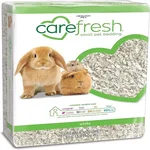 |
Carefresh White Natural Paper Small Pet Bedding, 50L – $22.99 The paper-based bedding vets recommend in place of cedar or pine shavings for hamsters, guinea pigs, rabbits, and rats.
|
Nothing in the published veterinary or human toxicology literature links ordinary cedar wood, cedar sawdust, cedar closets, cedar pollen, or being outdoors near cedar trees to seizures. The one real, documented mechanism is thujone, a convulsant compound found in concentrated Thuja (arborvitae) “cedar leaf” oil — and only when that oil is ingested or grossly overused, not from ambient exposure. Two other cedar-related health effects are real and well-studied, but neither one is a seizure: liver-enzyme changes and respiratory irritation from cedar bedding in small pets, and occupational asthma from cedar wood dust in humans. Both are covered below.
Cedar Bedding and Seizures in Pets: What Veterinary Research Actually Shows
A lot of “cedar and seizures” searches come from pet owners, not woodworkers — cedar shavings have been a common (and controversial) small-animal bedding for decades. The laboratory-animal community has flagged cedar and pine shavings as a concern since at least the 1960s, because both release aromatic phenolic compounds when the wood is cut into shavings and warmed by a cage. Those compounds are the reason vets generally steer owners away from cedar bedding — but the documented reasons are liver-enzyme induction and respiratory irritation, not seizures.
The clearest documented case comes from the House Rabbit Society: a young, healthy rabbit died after a routine spay, and follow-up bloodwork showed liver enzymes far above normal — a change tied to phenol exposure from softwood bedding altering how the liver processes anesthesia and other drugs. Separately, older laboratory studies on rodents found cedar shavings associated with high early mortality in rat pups compared to paper- or corn-cob-based bedding, and softwood shavings are consistently linked to respiratory tract irritation in small mammals. None of that research documents seizures as a symptom of cedar bedding exposure — it’s a real, serious set of concerns, just not the specific one behind this search.
Because of the liver and respiratory findings, most exotic-animal veterinarians now recommend paper-based bedding (not cedar or pine shavings) for hamsters, guinea pigs, rabbits, and rats — it avoids the phenol exposure question entirely while still controlling odor and moisture.

Cedar Wood, Sawdust, and Cedar Closets: No Seizure Link in Humans
For people, the picture is even more clear-cut. Searches on medical and toxicology databases for cedar exposure and seizures turn up case reports on dozens of other substances — eucalyptus oil, camphor, cannabis, various medications — but nothing connecting cedar wood, cedar dust, cedar furniture, or a cedar-lined closet to seizures. If ordinary cedar exposure caused seizures with any regularity, it would show up in the occupational-health literature, since cedar mills and cabinet shops have been studied closely for decades — and it doesn’t.
That doesn’t mean cedar dust is risk-free. It just means the real, documented risk is a different condition entirely — covered next.
The One Real Risk: Thujone in Cedar Leaf Oil
“Cedar” is a common name applied loosely to several unrelated trees — true cedars (Cedrus), Eastern red cedar (a juniper), Western red cedar and Eastern white cedar (both Thuja, also called arborvitae). That naming overlap matters here, because the compounds in each are very different. Standard commercial cedarwood essential oil (Texas or Virginia cedarwood, Atlas cedarwood) is made mostly of cedrol, cedrene, and thujopsene, and there’s no toxicology literature tying it to seizures at normal aromatherapy use.
Thuja (arborvitae) oil — sometimes sold or labeled as “cedar leaf oil” — is a different product, and it’s roughly half thujone, a monoterpene ketone that is a documented convulsant. Published case reports describe generalized tonic-clonic seizures in people who ingested or overused concentrated thuja/cedar leaf oil — including a case involving a 50-year-old woman who took 20 drops of thuja oil twice a day for five days, and a documented case of seizures in an infant after exposure to the oil. Thujone-rich oils are known to lower the seizure threshold, especially in children, which is why poison-control and toxicology sources are consistent in warning against ingesting any concentrated thujone-containing oil, or applying it undiluted.
The practical takeaway: this risk comes from swallowing or misusing a specific concentrated oil product, not from being around cedar wood, sawdust, or a cedar closet. Ordinary diffuser use of standard cedarwood essential oil isn’t the same product and isn’t implicated in these case reports. If you keep any essential oil in the house, store it out of reach of children and pets and never ingest it — that single precaution addresses the actual documented risk.

Cedar Dust and “Cedar Asthma”: A Different, Real Condition
Cedar dust does have a well-documented health risk in humans — it’s just a respiratory one, not a neurological one. Western red cedar wood dust is the leading documented cause of occupational asthma in the Pacific Northwest, affecting an estimated 4–13.5% of exposed sawmill and cabinet-shop workers. The trigger is plicatic acid, a compound unique to the wood, which provokes an allergic-type airway reaction in sensitized workers — coughing, wheezing, chest tightness, and reduced lung function with repeated exposure. This is sometimes called “cedar asthma” and is a separate, well-established condition from the seizure question — the two are often confused because both start with the same search: “can cedar cause [symptom].”
If you regularly cut, sand, or mill cedar in a shop setting, a properly rated respirator matters for this reason — see our guide to NIOSH-rated dust masks for woodworking for options that actually filter fine wood dust, as a standard paper mask does not.
Related Cedar Symptom Questions
“Can cedar cause seizures” is one of several similar questions we’ve researched in depth. If cedar exposure is causing you other symptoms, these cover what’s actually documented for each: can cedar cause headaches, can cedar cause a skin rash, and the broader overview at why is cedar toxic.
Frequently Asked Questions
Can cedar trees or cedar wood trigger seizures?
No. There’s no documented case in medical or toxicology literature of cedar trees, cedar wood, or cedar sawdust causing a seizure. The documented human risk from cedar wood dust is occupational asthma, not seizures.
Is cedar bedding safe for hamsters, rabbits, and guinea pigs?
Most exotic-animal veterinarians recommend against it. Cedar shavings aren’t documented to cause seizures in small pets, but they are linked to liver-enzyme changes and respiratory irritation, which is why paper-based bedding is the standard recommendation instead.
Can cedarwood essential oil cause seizures?
Standard commercial cedarwood essential oil (cedrol-based) isn’t linked to seizures in normal use. The real documented risk is a different product — concentrated thujone-containing “cedar leaf” or Thuja (arborvitae) oil, which has caused seizures in published case reports when ingested or significantly overused.
What actually is documented about cedar dust and health?
Western red cedar and eastern white cedar wood dust are well-documented causes of occupational asthma (sometimes called “cedar asthma”) via a compound called plicatic acid. This is a respiratory and allergic condition, not a neurological one, and it’s unrelated to the seizure question.
Bottom Line
“Cedar causes seizures” is an overstatement of a much narrower, real finding. Cedar wood, sawdust, closets, and ordinary aromatherapy use of cedarwood oil aren’t documented seizure risks for people or pets. The one genuine exception — concentrated thujone-containing cedar leaf/Thuja oil causing seizures when ingested or misused — is a poisoning risk tied to a specific product, not to cedar exposure in general. This article is general information, not medical or veterinary advice; if you or a pet are experiencing actual seizures or unusual symptoms, talk to a doctor or veterinarian rather than relying on an internet search.
Sponsored / affiliate links. As an Amazon Associate I earn from qualifying purchases. I may earn additional commission from eligible campaigns.