What Direction to Run Hardwood Flooring: Expert Tips Revealed
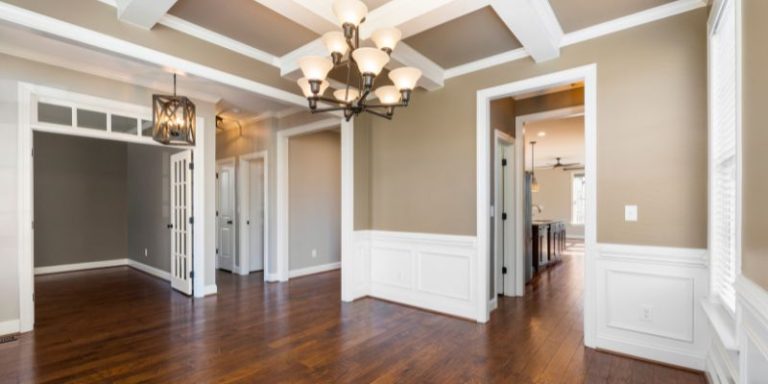
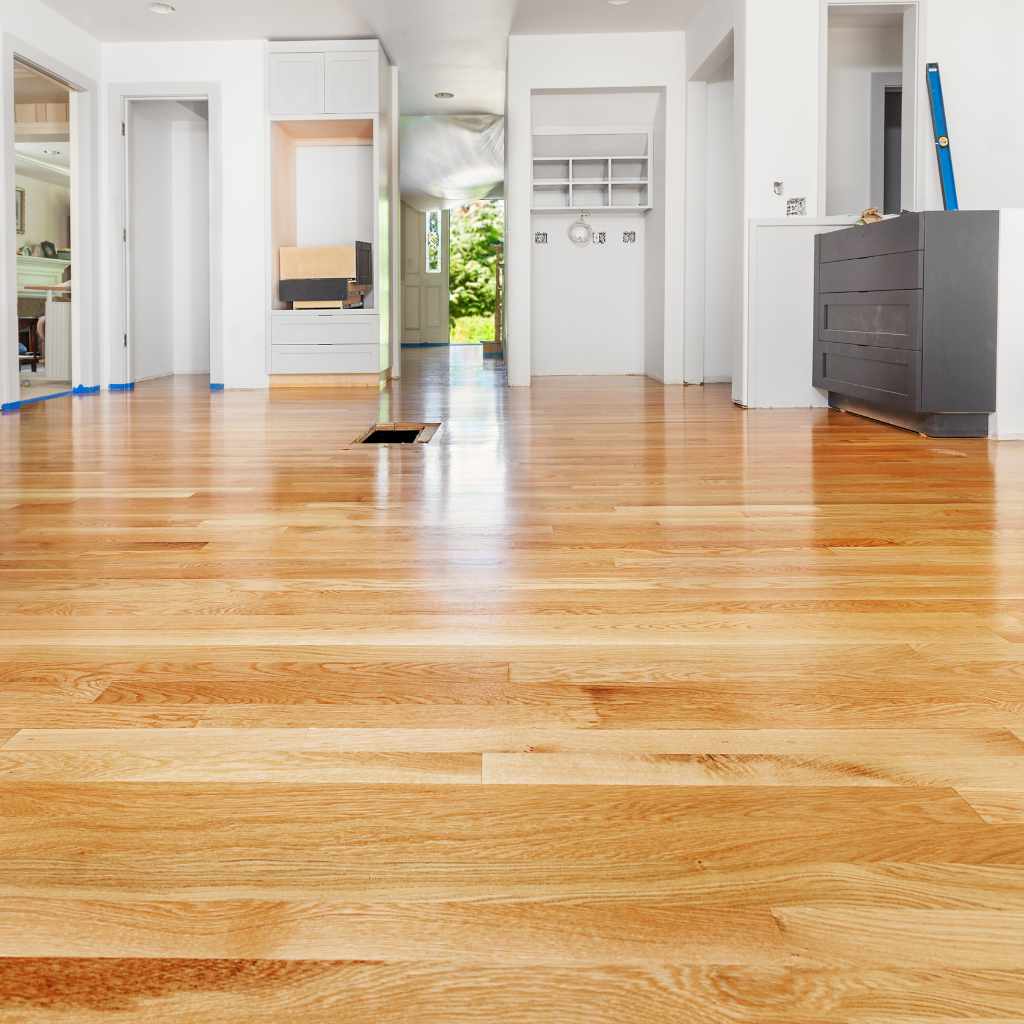
Choosing the right direction to run hardwood flooring is important. It affects how the room looks and feels. Should the planks go across or along the room? What about light and space? These simple ideas help you decide. Easy to follow. Clear to understand.
Biography
| Aspect | Details |
|---|---|
| General Rule | Lay hardwood flooring parallel to the room’s longest wall to create an optical illusion making the space appear larger and more open. |
| Consider Room Dimensions |
|
| Light Source |
|
| Flow Between Rooms |
|
| Structural Considerations |
|
| Focal Points | Lay planks to draw the eye toward key features like fireplaces, large windows, or architectural highlights for aesthetic impact. |
| Entrance Considerations |
|
| Room Shape & Walking Path |
|
| Dry-Lay Test | Before installation, dry-lay a few planks in different directions to visualize and choose the preferred look. |
| Summary Recommendations |
|
| Sources & References |
|
Early Life
The idea of “What Direction to Run Hardwood Flooring” comes from practical ways people use to make rooms look better. It started with simple rules about wood floors. People often think about the longest wall in a room or where the light comes from. This helps decide which way to lay the wood planks. For example, laying planks along the longest wall can make a room seem bigger. Moving the planks toward windows helps hide marks and shows the wood grain nicely. Also, when rooms connect, keeping the same direction for the floor makes the space feel smooth and open. This idea grew naturally as people shared tips from Austin, Texas, where many homes have these wood floors. Over time, these simple rules have helped many make their floors look right, without too much trouble.
Family
| Family Member | Name | Information |
|---|---|---|
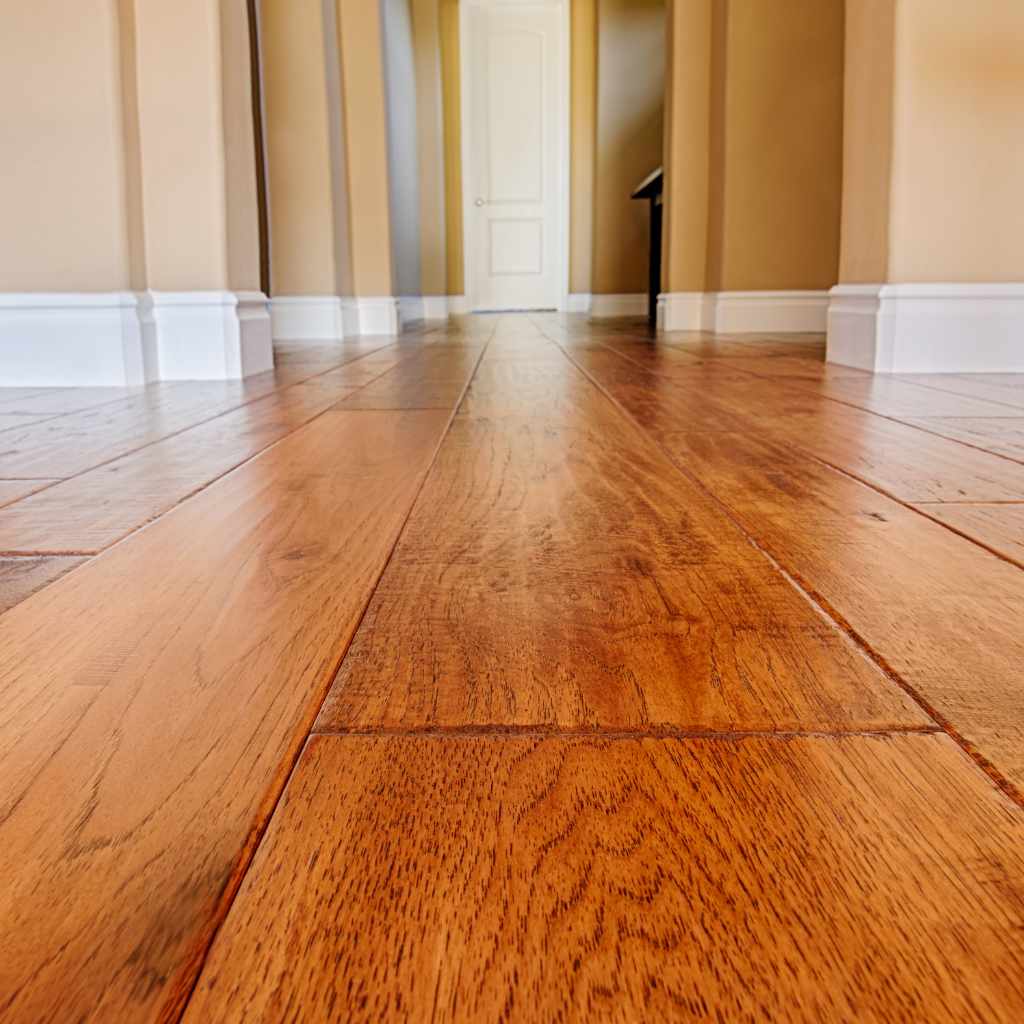
| Parent | Room Shape | The room’s shape helps decide the floor direction. For wide rooms, planks run along the longest wall to make the space look bigger. For narrow halls, running planks lengthwise gives a longer feel. |
| Parent | Natural Light | Floors should run parallel to the main light source, like large windows. This reduces shadows on the floor and makes the surface look smooth and even. |
| Sibling | Focal Points | Flooring can guide the eye to special parts of a room, like a fireplace or window view. Running planks toward these spots creates a nice, natural flow. |
| Sibling | Structural Support | Wood planks must be laid across the floor joists (the beams under the floor). This gives the floor strength and stops it from bending or breaking. |
Choosing the right direction for hardwood flooring depends mainly on room shape and light. The floor should always be strong, so it goes across the joists below. Also, the look matters — running the floor toward windows or focal points makes the room feel better. Hallways are best done lengthwise to look longer. When rooms connect, keep the floor direction the same for a smooth feel. It is simple but important.
Height, Weight, And Other Body Measurements
| Factor | Description | Effect / Recommendation |
|---|---|---|
| Room Dimensions | Consider the longest and shortest walls of the room. |
|
| Primary Light Source | Identify the main window or source of natural light in the room. |
|
| Flow Between Rooms | How rooms connect and the direction of movement through the space. |
|
| Structural Considerations | Position of floor joists and subfloor condition. |
|
| Focal Points | Key features like a fireplace, window view, or architectural element. |
|
| Design Principle: Rule of Three | Limit use of more than three different flooring materials or colors throughout the home. |
|
| Practical Tips | Testing and finalizing plank direction before installation. |
|
Wife/husband / Girlfriend/boyfriend
“What Direction to Run Hardwood Flooring” is not a person or a star. It is a topic about how to install hardwood floors in a home. So, it does not have a wife, husband, girlfriend, or boyfriend.
Why No Relationship?
This topic is about flooring design and installation. It explains how to decide the best way to lay hardwood planks in rooms. It is a guide, not a person. Therefore, it does not have personal relationships.
Summary
- No spouse or partner because it is not a human.
- Focus is on helping people choose floor direction.
- Details include room shape, light, and joists for flooring installation.
If you want information about hardwood flooring or how to install it, I can help. But relationship details do not apply here.
Career, Achievements And Controversies
“What Direction to Run Hardwood Flooring” is not a person, but a common question in home building and remodeling.
Many homeowners and builders want to know the best way to lay wood floors. This question became popular because
choosing the right direction can change how a room looks and feels. It helps make spaces seem bigger, brighter,
and more comfortable.
The idea of the correct hardwood floor direction started with builders and flooring experts. They found that running
the floorboards parallel to the main light source or the longest wall makes rooms look larger. Running boards
lengthwise in hallways makes them feel longer. This simple advice has been shared widely through videos, blogs,
and websites about home improvement.
Popular guides suggest running wood floors toward the main entrance or in the same direction as floor joists under
the floor. This helps with strength and makes installation easier. Many flooring companies and experts use these rules
to help customers decide. For example, some recommend always running boards perpendicular to floor joists for better
support.
Since this is a topic rather than a person or company, “achievements” mean how much this advice helped people. The
guidelines about hardwood floor direction have been used by many builders and homeowners. They have improved the
look of thousands of homes. Online videos and articles explaining these ideas have millions of views and shares.
Flooring brands often mention these rules in their installation instructions, showing how trusted and useful the advice is.
There are few real controversies about the direction to run hardwood flooring. However, some disagreements exist in the
flooring community. For example, some say you should always run boards parallel to the longest wall, while others say
to focus on the main light source. Another debate is whether to change direction between rooms or keep it the same.
Some argue that following structural rules, like running boards perpendicular to floor joists, is most important. Others
focus on how the floor looks and flows between spaces. These differences lead to many opinions, but none are very
serious or harmful. They just show that choosing floor direction can depend on many factors.
Overall, the advice about hardwood floor direction remains helpful and popular for many who want to improve their homes.
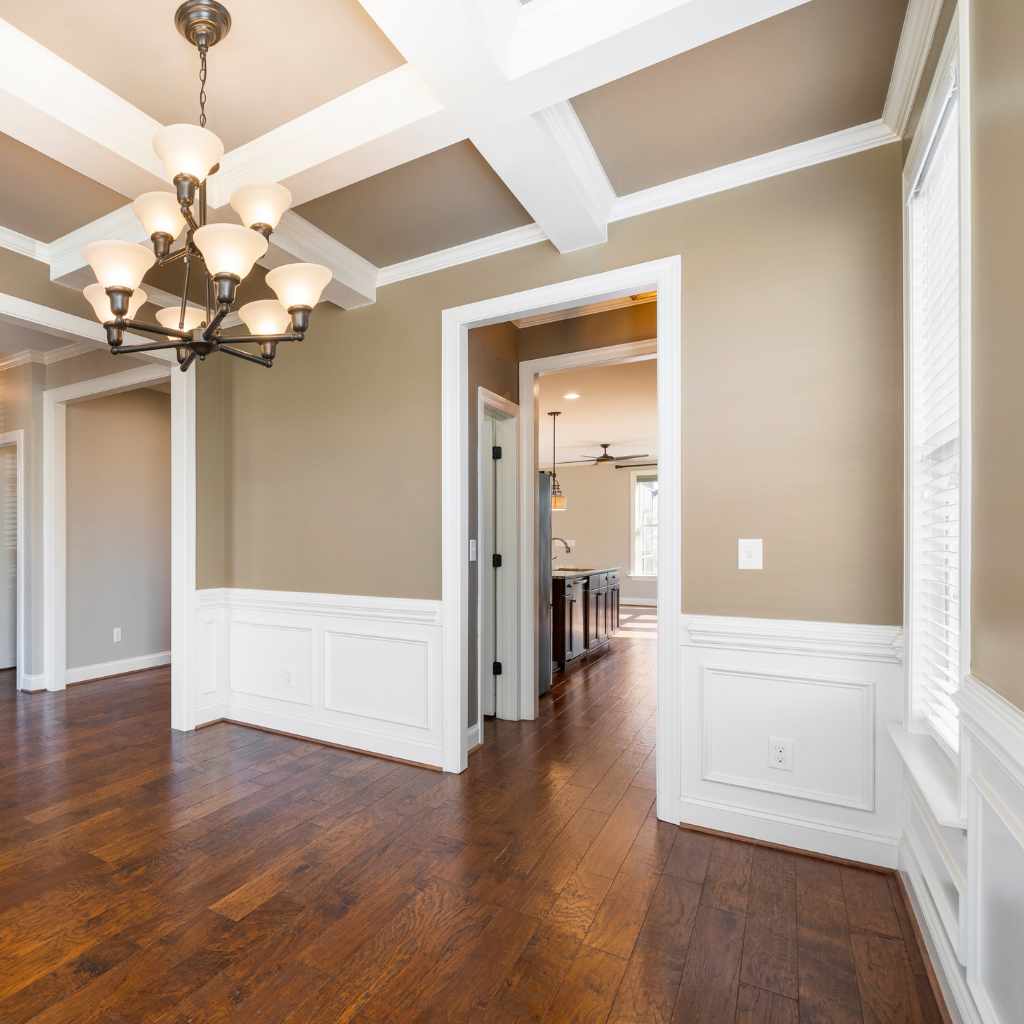
FAQ
Q1: Which Way Should I Run Hardwood Flooring?
Usually, run hardwood boards along the longest wall in the room. This makes the space look bigger and nicer.
Q2: Can I Run Hardwood Flooring Any Direction I Want?
You can choose, but some ways look better. Running boards with the light or along the longest wall is best. It helps the floor look smooth and bright.
Q3: What If My Room Is Square, Not Long?
In square rooms, you can run the boards in the same direction as the main light source, like windows or doors. This helps hide seams and makes the floor look good.
Q4: Should Hardwood Flooring Run Parallel Or Perpendicular To Floor Joists?
It is better to run hardwood boards perpendicular (across) the floor joists. This gives better support and stops the floor from moving or creaking.
Q5: What If I Want A Special Pattern?
Some people like patterns like diagonal or herringbone. These look nice but cost more and take more time. If you want simple, stick to running boards straight.