What Dowoodchucks And Muscrats Animals Look Like in Ct: Wildlife Wonders
Have you ever wondered what those furry creatures scurrying around Connecticut really look like? If you’ve spotted a woodchuck or muskrat in your backyard or while hiking, you might be curious to know more about these fascinating animals.
Understanding what they look like and their unique characteristics can help you appreciate the wildlife that surrounds you. This article will take you on a visual tour of woodchucks and muskrats, right here in Connecticut. By the end, you’ll be able to identify these animals confidently and perhaps even share some intriguing facts with your friends.
Dive in to discover how these critters might be more interesting than you ever imagined!
Dowoodchucks In Connecticut
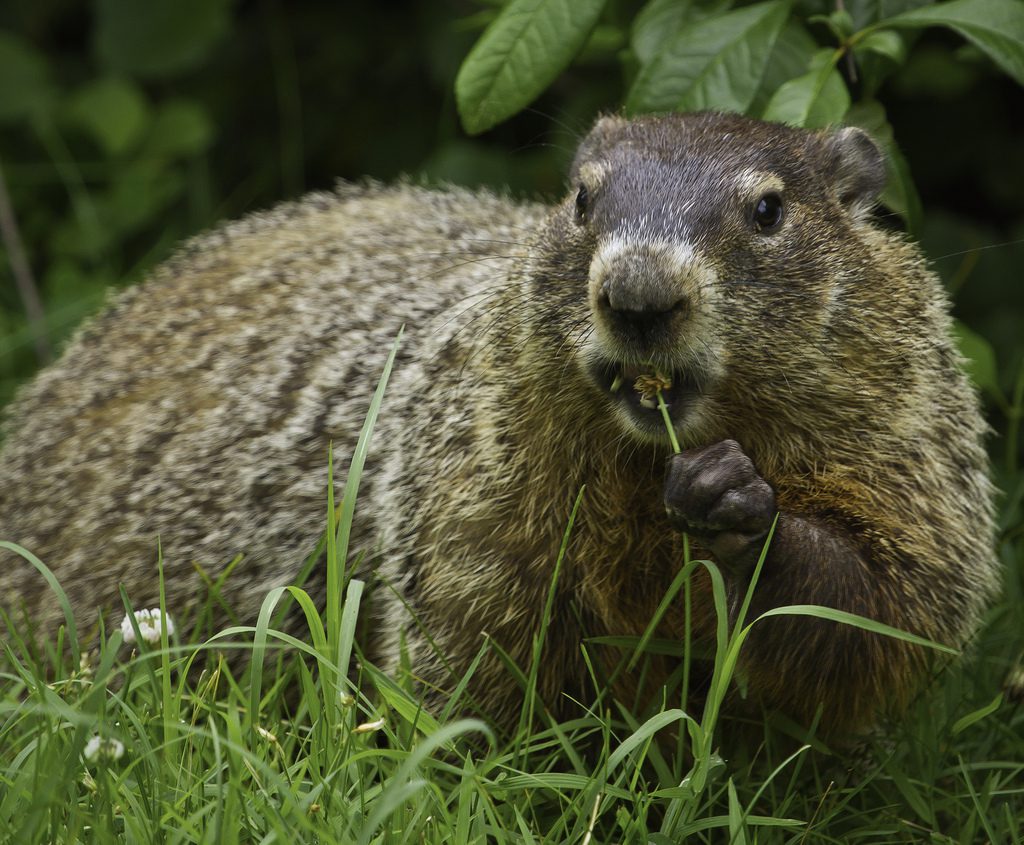
Dowoodchucks are small animals. They have brown fur and short legs. Their bodies are round. Sharp claws help them dig. They can weigh up to 14 pounds. Their tails are bushy and short.
Dowoodchucks live in fields and forests. They make burrows underground. Their homes have many tunnels. They are found all over Connecticut. They like places with lots of grass. They also live near streams.
Dowoodchucks eat plants. They love fruits and vegetables. During winter, they hibernate. They sleep in their burrows. In summer, they come out often. They are mostly active in daytime. They can be shy and quiet. They whistle to warn others.
Muskrats In Connecticut
Muskrats have a round body and a long, scaly tail. Their fur is brown and shiny, helping them stay warm. They have small ears and sharp teeth to chew plants. Their hind feet are webbed for better swimming. The muskrat’s eyes are small, but they see well underwater.
These animals love wet places like ponds and marshes. They build homes called lodges from plants and mud. Muskrats live in burrows near water. Connecticut’s wetlands are perfect for them. They find food and shelter easily in these areas.
Muskrats are mostly active at night. They eat plants like cattails and water lilies. Sometimes, they also eat small animals. Muskrats are social and live in family groups. They communicate using smells and sounds. Parents care for their young ones until they grow.
Comparative Analysis
Dowoodchucks and muskrats are both small mammals. They are often found near water. Both have brown fur and short legs. Their tails are long and hairy. These animals enjoy digging burrows. They are active during the daytime.
Dowoodchucks are larger than muskrats. They have rounded bodies. Muskrats have slimmer shapes. Dowoodchucks live on land. Muskrats prefer water. Dowoodchucks have shorter tails. Muskrat tails are long and scaly. Dowoodchucks eat plants. Muskrats eat fish and plants.
Conservation Efforts
Dwoodchucks and muskrats need safe places to live. Their homes are called habitats. People work hard to keep these places safe. They plant trees and clean the rivers. They make sure animals have food and water. This helps the animals stay healthy. People also stop cutting down trees. This keeps the forests big and strong.
Local people help too. They join groups to protect animals. Children learn about these animals in school. They tell others to be kind to nature. Communities hold events to clean parks. Everyone works together to help animals. This makes the world a better place for all.
Wildlife Observation Tips
Early morning is a great time for observing animals. Dawn is when many animals are active. Muskrats and woodchucks often come out to feed. Late afternoon is another good time. Animals tend to be more visible during this period. Quiet and stillness help in spotting wildlife. Use binoculars for better viewing.
Safety is very important when watching wildlife. Stay at a safe distance from animals. Do not try to touch them. Respect their space. Move slowly and avoid sudden actions. Wear bright clothing to be easily seen. Carry a whistle or alarm for safety. Be aware of your surroundings at all times. Inform someone about your location.
Credit: a-z-animals.com
Frequently Asked Questions
What Do Woodchucks Look Like In Connecticut?
Woodchucks, also known as groundhogs, are medium-sized rodents. They have a stocky build, short legs, and a bushy tail. Their fur is brownish-gray with a hint of red. Woodchucks typically weigh between 4 to 9 pounds. They have strong claws for digging burrows and are commonly seen in grassy areas.
How To Identify Muskrats In Connecticut?
Muskrats are semi-aquatic rodents with sleek, dark brown fur. They have a long, scaly tail and webbed hind feet. Muskrats are smaller than beavers, typically weighing 2 to 4 pounds. They are often seen near ponds, streams, and wetlands. Their distinctive behavior includes building lodges from vegetation.
Are Woodchucks Common In Connecticut?
Yes, woodchucks are common in Connecticut. They are often found in fields, forests, and suburban areas. These adaptable creatures thrive in environments with ample food and shelter. Residents may spot them in gardens or near roadsides. Their presence is more noticeable during early spring and summer.
Do Muskrats Build Lodges In Connecticut?
Yes, muskrats build lodges in Connecticut. They construct these structures using vegetation like cattails and reeds. Lodges are typically found in wetlands, ponds, and slow-moving streams. Muskrats use their lodges for shelter and protection. These structures are a key part of their natural habitat.
Conclusion
Exploring the world of woodchucks and muskrats in Connecticut fascinates many. These creatures offer a glimpse into diverse wildlife habitats. They each play a unique role in the ecosystem. Watching them helps us appreciate nature’s wonders. Understanding their habitats can deepen our connection to the environment.
Observing them is a delightful way to learn about local wildlife. Each sighting enriches our knowledge and love for nature. Their presence reminds us of the beauty in everyday life. So, keep an eye out and enjoy their charming antics in Connecticut.