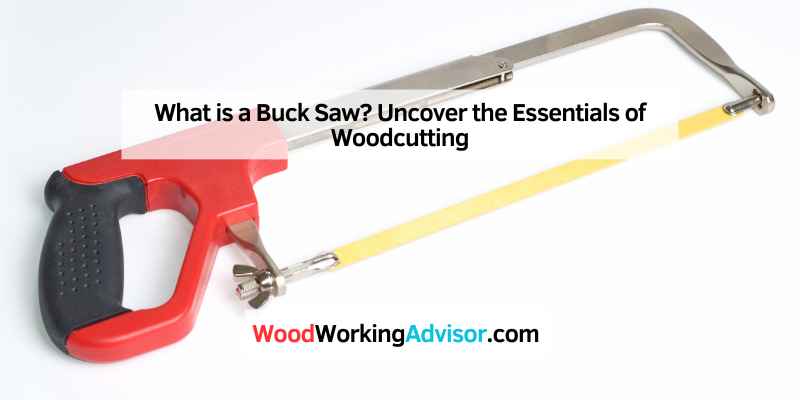
What is a Buck Saw? Uncover the Essentials of Woodcutting
A buck saw is a type of hand saw designed for cutting wood. It features a rigid frame and a long, narrow blade.
The buck saw is a traditional tool favored by woodworkers and outdoor enthusiasts. Its design allows for efficient cutting of logs and branches, making it essential for camping and gardening. The saw’s frame supports the blade, maintaining tension for precise cuts.
Buck saws typically feature a cross-sectioned blade, allowing for both push and pull strokes. This versatility makes them suitable for various tasks, from trimming trees to constructing wooden structures. Lightweight and portable, buck saws are easy to carry, ensuring they are a go-to tool for many outdoor activities. Understanding how to use a buck saw can enhance your woodworking skills and outdoor experience.
Introduction To The Buck Saw
The Buck Saw is a traditional hand saw used for cutting wood. It has a long, narrow blade with a frame to hold it. This design makes it easy to cut logs and branches. The saw operates by pulling and pushing the blade through the wood.
Origins of the Buck Saw date back to early woodworking tools. It evolved from simpler saws used by craftsmen. Over time, it became popular among lumberjacks and carpenters.
Key characteristics include:
- Lightweight and portable for easy transport.
- Versatile for various cutting tasks.
- Durable design made for long-lasting use.
- Simple to sharpen for effective cutting.
Design And Anatomy
A buck saw is a simple tool used for cutting wood. It has a long, thin blade. This blade can be made from different materials like steel or carbon. Each type has its own benefits.
There are various blade types available. Some blades are designed for rough cuts. Others are made for fine, smooth cuts. Choosing the right blade is important for the job.
| Blade Type | Material | Use |
|---|---|---|
| Crosscut | High carbon steel | Cutting across wood grain |
| Rip | Stainless steel | Cutting along wood grain |
Frame configurations also matter. A straight frame offers stability. A folding frame is easy to carry. Choose the one that fits your needs best.
Types Of Buck Saws
A Buck Saw is a simple hand tool for cutting wood. It comes in two main types: traditional and modern variants.
Traditional Buck Saws have a wooden frame and a thin blade. These saws are lightweight and easy to use. They require manual effort, making them great for outdoor tasks.
Modern Variants often use metal frames and improved blades. They offer better durability and efficiency. Many modern saws come with features like quick-release mechanisms.
| Type | Material | Usage |
|---|---|---|
| Traditional | Wood | Outdoor cutting |
| Modern | Metal | Efficient cutting |
Specialized models exist for specific tasks. For example, some are designed for tree trimming or fine woodworking. Choosing the right type is important for your needs.
Safe Operation Procedures
Handling a buck saw requires careful attention. Always grip the saw firmly with both hands. Keep fingers away from the blade. Position your body at a safe distance from the cutting line. Move slowly and steadily while cutting. This helps prevent accidents.
Maintenance and care are essential for safe use. Regularly check the blade for damage or rust. Clean the saw after each use to remove sap and debris. Store it in a dry place to avoid moisture. Lubricate the moving parts to ensure smooth operation.
| Maintenance Task | Frequency |
|---|---|
| Check blade condition | Before each use |
| Clean the saw | After each use |
| Lubricate moving parts | Monthly |
| Store in dry location | Always |
Efficiency In Woodcutting
A buck saw is a simple tool for cutting wood. It is very efficient for various tasks. Using a buck saw helps save both time and effort.
There are different cutting techniques to master. A straight cut is the most common. For thicker logs, a back-and-forth motion works best. Always apply steady pressure for smoother cuts.
Learning to use a buck saw can make woodcutting much easier. Practice different angles for better results. With time, anyone can become skilled at using this tool.
Comparative Analysis
A Buck Saw is a hand tool used for cutting wood. It is simple and effective. A Chainsaw is powered and can cut faster but is heavier and noisy. Both tools serve different needs.
Comparison Table:
| Feature | Buck Saw | Chainsaw |
|---|---|---|
| Power Source | Manual | Gas or Electric |
| Weight | Lightweight | Heavy |
| Noise Level | Quiet | Very Noisy |
| Maintenance | Low | High |
Benefits of a Buck Saw include being portable and easy to use. It requires no fuel or electricity. Perfect for quiet tasks in nature, it allows for precision cutting. Great for small projects, it’s often less expensive than a chainsaw.
Creative Uses Of Buck Saws
Buck saws are great for artistic woodcutting. Many artists use them to create unique designs. The saw’s design allows for precise cuts and intricate details.
Creative projects often include making wooden sculptures or decorative pieces. Using a buck saw, one can transform ordinary wood into amazing art. This tool helps in making custom furniture and decor items too.
Some people even use buck saws for DIY crafts. Picture frames, toys, and kitchen tools can all be made with this saw. The versatility of the buck saw makes it a favorite among woodworkers.
Choosing The Right Buck Saw
Choosing the right buck saw can be simple. Many factors can help you decide. Consider the blade length you need. Longer blades cut larger logs. Shorter blades are easier to handle.
Check the tooth pattern as well. A fine tooth is best for softwood. A coarse tooth works well for hardwood.
Weight and balance are important too. A lightweight saw is easier to carry. A balanced saw helps with control while cutting.
For beginners, choose a comfortable grip. A good grip prevents slipping and makes cutting easier. Look for saws with durable materials to ensure longevity.
The Woodcutter’s Companion
The buck saw is a classic tool for woodcutting. It has a strong, straight blade that cuts efficiently. Many woodcutters love this tool for its simplicity and effectiveness. It requires no electricity or fuel, making it eco-friendly.
In communities, buck saws create a sense of tradition. People gather to share tips and techniques. This tool connects generations of woodcutters, passing down skills. The culture around buck saws fosters friendship and teamwork.
As technology grows, buck saws still have a place. Many woodcutters appreciate their quiet operation. The future looks bright for these tools in sustainable practices. They promote a hands-on approach to woodcutting.
Frequently Asked Questions
What Is A Buck Saw Used For?
A buck saw is primarily used for cutting wood. It is ideal for chopping logs and branches. The saw’s design allows for efficient and controlled cutting. It’s commonly used in outdoor settings, such as camping and woodworking.
How Does A Buck Saw Work?
A buck saw works by utilizing a tensioned blade. The frame holds the blade securely in place. The user applies back-and-forth motion to cut through wood. This simple mechanism makes it effective for various cutting tasks.
What Are The Benefits Of Using A Buck Saw?
Using a buck saw offers several advantages. It is lightweight and portable, making it easy to carry. The saw requires no power source, ensuring reliability. Additionally, it provides precise cuts without excessive effort.
Can I Use A Buck Saw For Large Logs?
Yes, a buck saw can handle large logs. However, its effectiveness depends on the saw’s size and blade quality. For very thick logs, a larger saw may be more suitable. Always ensure you use the appropriate technique for safety and efficiency.
Conclusion
A buck saw is a versatile tool that enhances your cutting efficiency. It’s perfect for both seasoned woodworkers and beginners. Understanding its features can improve your woodworking skills. Whether for home projects or professional use, a buck saw is a valuable addition to any toolkit.
Embrace its benefits and start cutting with precision today.