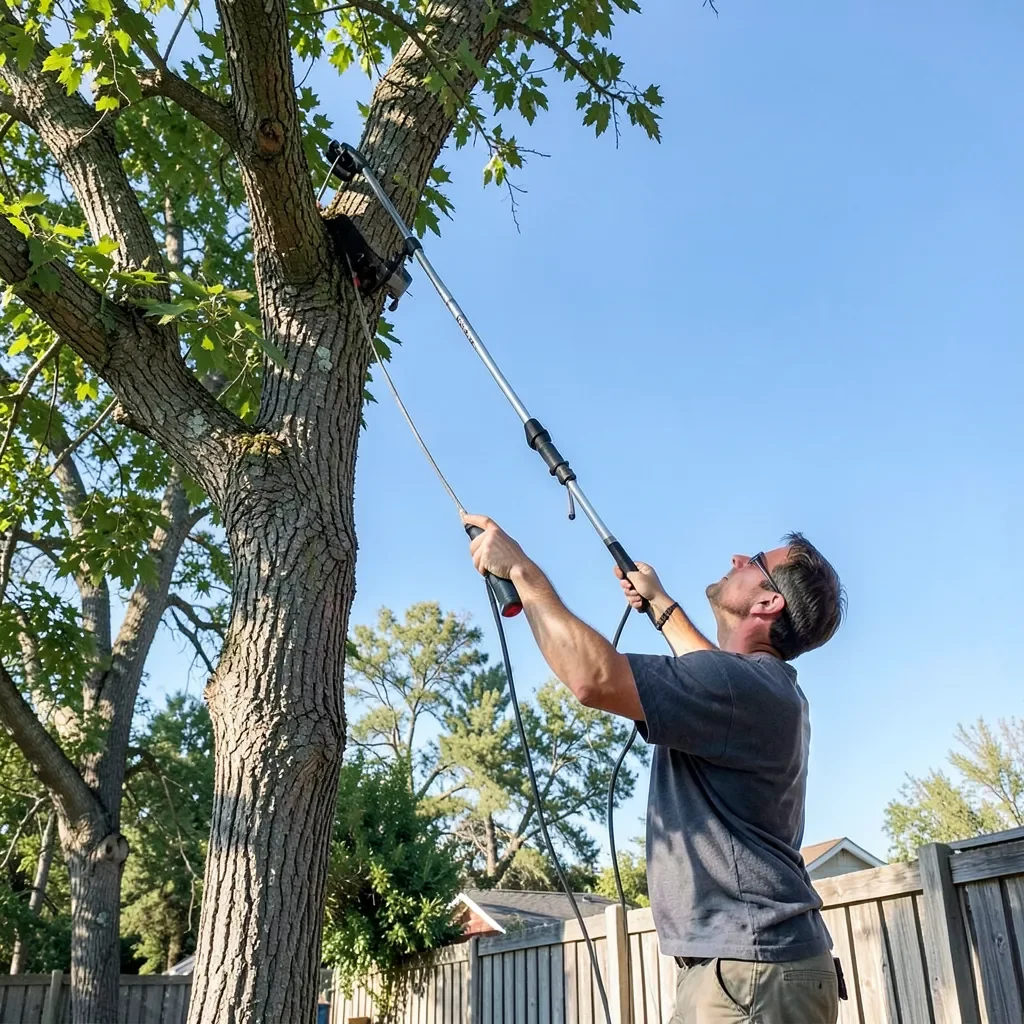
How Much Are Pole Saws? $30 to $500+ by Power Type
Pole saws range from about $30 for a manual pruner to $500+ for a gas-powered model — power source is what actually drives the price, not brand name. A manual pole saw handles branches under an inch thick for next to nothing; a gas model cuts 3-inch limbs all day but costs 5-10x more. This guide breaks down what you get at each price tier so you don’t overpay for reach or power you’ll never use.
Pole Saw Prices by Power Type
Best Mid-Range Pole Saw Pick
 |
BLACK+DECKER 20V MAX Cordless Pole Saw Kit (LPP120) – $159.00 This sits right in the mid-range price band this guide covers — a complete kit with battery and charger included, not a bare tool you have to buy a battery for separately.
|
Power source is the single biggest factor in a pole saw’s price. Each type trades cost against cutting capacity and convenience.
Manual Pole Saws: $30-$100
A long pole with a pruner or saw blade at the end, worked by hand via a pulley or push-pull action. No fuel or batteries, lightweight, but limited to smaller branches and real physical effort on anything thicker than an inch.
Corded Electric Pole Saws: $70-$200
Plugs into an outdoor outlet, no refueling, generally quieter than gas. The tradeoff is cord length limiting your range and a tripping hazard if you’re working near foot traffic.
Cordless (Battery) Pole Saws: $150-$350
Rechargeable lithium-ion batteries give cordless convenience with electric power. Battery life and replacement cost are the real ongoing expense here — a spare battery runs $50-$150 on top of the kit price.
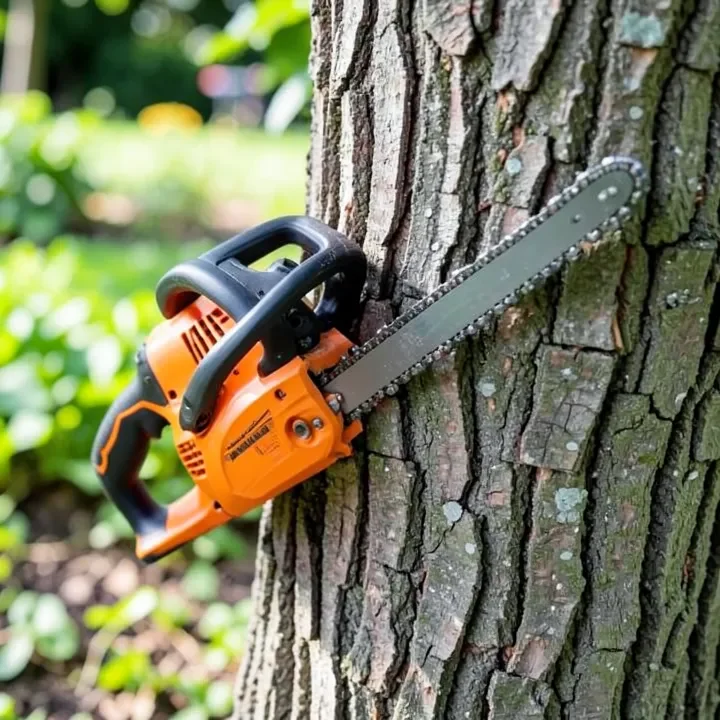
Gas-Powered Pole Saws: $250-$500+
The most power and no cord or battery limits, at the cost of weight, noise, emissions, and actual maintenance — fuel mixing, oil, spark plugs. Reserve this tier for frequent use or branches thicker than 2 inches.
| Type | Price Range | Best For | Main Tradeoff |
|---|---|---|---|
| Manual pruner/saw | $30-$100 | Branches under 1″, occasional use | Physical effort, slow |
| Corded electric | $70-$200 | Branches up to 1.5″, regular home use | Cord length limits range |
| Cordless electric | $150-$350 | Branches up to 2″, frequent home use | Battery life and replacement cost |
| Gas-powered | $250-$500+ | Branches 2″+, heavy or frequent use | Weight, noise, fuel maintenance |
What Else Moves the Price Beyond Power Type
Within any power category, a few specs push the price up or down: pole length and reach (basic saws extend 7-8 feet, professional models 15+ feet), motor strength (measured in amps for electric, cc for gas), bar and chain length, blade steel quality, and brand reputation for warranty and support. Extras like automatic oiling systems or adjustable head angles add cost too.
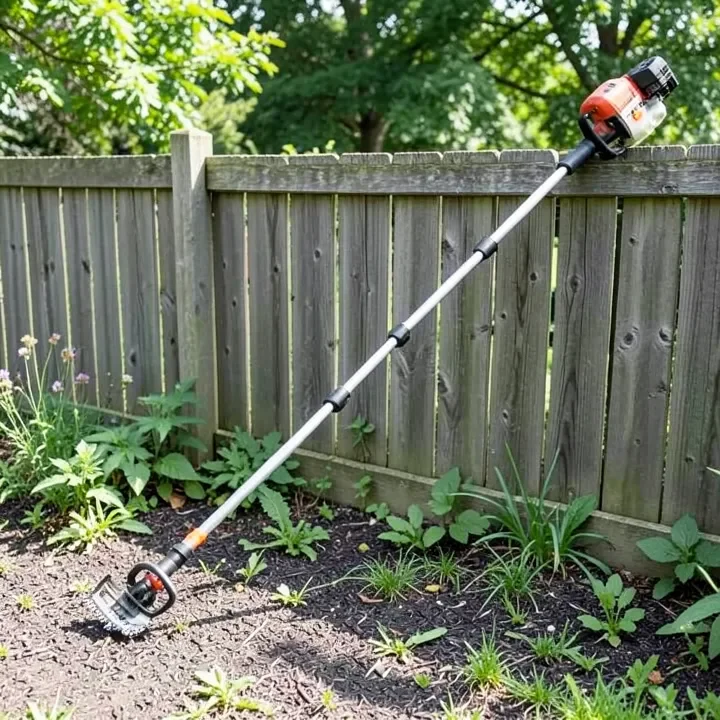
📊 A mid-range cordless pole saw like the Black+Decker LPP120 is rated for up to 100 cuts of 1-1/2 inch pine branches on a single charge, with an 8-inch bar cutting up to 6 inches in diameter. Source: Black+Decker LPP120 product listing
Safety and Fit Matter as Much as Price
The cheapest option isn’t always the right one. Look for handguards, a safety lock against accidental starting, and a comfortable non-slip grip — you’ll be holding this tool above your head. Heavier-duty models sometimes include harness attachment points to distribute weight off your arms. Always wear eye protection, gloves, and sturdy footwear; OSHA’s cutting-tool safety guidelines apply even for occasional DIY use.
Match cutting capacity to what you’ll actually trim — a manual pruner tops out around 1 inch, a mid-range electric handles 1.5-2 inches, and only a gas model reliably clears 3-inch limbs. Buying more capacity than you need mostly buys extra weight over your head.
Frequently Asked Questions
What is the cheapest type of pole saw?
Manual pole saws or pruners are the most budget-friendly, typically $30-$100. They rely on your own arm strength and a pulley or push-pull mechanism instead of a motor.
Are battery-powered pole saws worth the extra cost?
For most homeowners with moderate yard needs, yes. They balance power and convenience without an extension cord or gas-engine maintenance, though the upfront cost runs $150-$350 versus $70-$200 for corded electric.
How much should I pay for a pole saw that cuts branches up to 2 inches thick?
Budget $150-$350 for a quality cordless electric model, or potentially more for an entry-level gas saw. Manual pruners and basic corded models generally top out well under 2 inches.
Is it better to buy a pole saw with a longer extension?
Only if you actually need the reach. Longer poles add price, weight, and bulk — measure the height of your tallest regular job before paying for 15+ feet of reach you’ll rarely use.
Do I need to budget for extra batteries with a cordless pole saw?
Most cordless pole saws ship as a kit with one battery and charger. A spare battery for longer sessions typically adds $50-$150, so factor that in if your property has more than a few trees.
Final Thoughts
For a couple of small branches a year, a $30-$100 manual pruner does the job. For regular seasonal trimming on an average yard, a $150-$350 cordless electric saw is the sweet spot most homeowners land on. Save the $250-$500+ gas tier for large properties or branches thicker than 2 inches — anything less and you’re paying for capacity you won’t use.
Sponsored / affiliate links. As an Amazon Associate I earn from qualifying purchases. I may earn additional commission from eligible campaigns.