What is a MDF Room: Essential Guide for Beginners
Imagine walking into a room that serves as the nerve center of your building’s communication and data systems. That’s exactly what an MDF room is.
Short for Main Distribution Frame, an MDF room is more than just a space filled with cables and equipment—it’s the backbone of your network infrastructure. If you’ve ever wondered how data flows seamlessly through offices, schools, or any large facility, the answer lies within these critical rooms.
Understanding what an MDF room does and why it’s so essential can empower you to make informed decisions about your building’s technology needs. Curious to know how it all works and how it impacts you? Let’s dive into the fascinating world of MDF rooms and uncover their secrets.
Credit: www.purestorage.com
Basics Of MDF Room
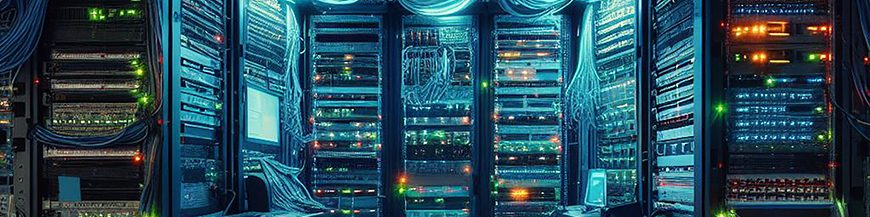
MDF rooms are vital in buildings. They manage and distribute telecommunication signals. Often located centrally, they connect various networks and systems. They keep data flow smooth and reliable. In emergencies, MDF rooms ensure communication remains intact. They are essential for business operations.
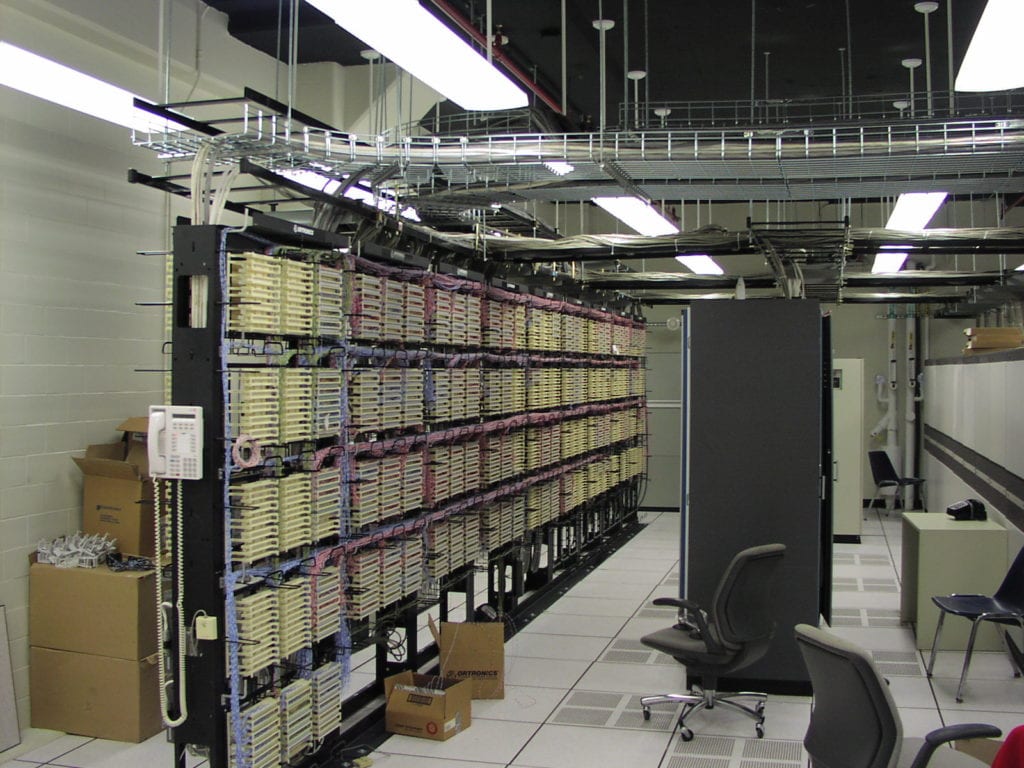
MDF rooms house several important parts. These include patch panels and cabling systems. Switches and routers also play a role. Each component has a specific function. Together, they maintain network stability. Proper setup is crucial for efficient operation. Regular checks help prevent issues.
Credit: wnainc.com
Importance In Telecommunications
An MDF room is a vital part of telecommunications. It connects many wires and cables. This room is like a central hub for data. Signals travel through it quickly. Data moves from one place to another. Every call or message passes through here. It ensures smooth communication. Without it, data can get lost. The MDF room helps in organizing these connections. Everything stays neat and tidy. This makes data transmission efficient. Each wire has a purpose. The room keeps them in order.
Network performance relies on the MDF room. It handles many connections. If one wire fails, it can affect the whole network. The room ensures that all systems work well. It maintains high-speed connections. Good performance means quick downloads and smooth calls. The MDF room also reduces downtime. This keeps the network reliable. It ensures that everyone can communicate easily.
Design And Layout Considerations
An MDF room needs enough space for all equipment. There should be room for future expansions too. Consider the size and layout of the room. Equipment needs airflow to stay cool. A cluttered room can cause problems. A clear path is important for safety.
Safety is very important in an MDF room. Equipment must meet compliance standards. Use fire-resistant materials. Keep water and moisture away. Proper ventilation helps in cooling. Check for hazards regularly. Follow all safety rules and regulations.

Credit: thenetworkinstallers.com
Equipment Used In MDF Rooms
MDF rooms have many important devices. Patch panels help connect cables. Routers manage data traffic. Switches connect different devices. Servers store and share information. Firewalls keep networks safe. UPS systems provide backup power. These devices work together to ensure smooth operations.
Regular checks keep equipment safe. Clean devices to prevent dust buildup. Inspect cables for wear and tear. Update software to fix bugs. Test backup systems often. Keep a log of maintenance tasks. This helps track equipment health. Good practices extend device life.
Challenges And Solutions
MDF rooms face temperature issues. Equipment gets too hot. This can cause malfunctions. Dust is another problem. It can clog fans and vents. Humidity can damage equipment. Water or moisture is bad. Wires and cables can be messy. Poor organization leads to confusion.
Use air conditioning for heat problems. Keep the room cool. Regular cleaning helps with dust. Use filters for air. Control humidity with dehumidifiers. They keep moisture away. Organize cables neatly. Use labels for easy finding. Regular checks can prevent surprises.
Future Trends In MDF Rooms
MDF rooms, crucial in IT infrastructure, house essential telecommunications and networking equipment. Future trends point to enhanced energy efficiency and smarter designs. These improvements aim to optimize space and ensure seamless connectivity.
Technological Advancements
The MDF room is changing fast. New technology helps it work better. Smart systems make it safe and efficient. Better monitoring tools keep track of everything. These tools help fix problems quickly. Advanced cooling keeps machines from getting too hot. Energy-saving systems save money and help the planet. These changes make MDF rooms smarter.
Evolving Standards
Standards for MDF rooms keep getting better. Safety rules are stricter now. These rules protect people and equipment. Building codes are more detailed. They guide how to make strong rooms. Eco-friendly standards reduce harm to nature. Companies follow these rules for better performance. New standards make MDF rooms safer and greener. Everyone benefits from these improvements.
Frequently Asked Questions
What Is An MDF Room In A Hospital?
An MDF room in a hospital houses the main distribution frame for network connectivity. It centralizes telecommunication equipment, ensuring efficient data management. This room is crucial for maintaining communication networks, supporting medical equipment, and enabling smooth hospital operations. Proper security and temperature control are essential for safeguarding sensitive electronic devices.
What Does MDF Stand For?
MDF stands for Medium Density Fiberboard. It’s an engineered wood product made from wood fibers and resin. MDF is widely used in furniture, cabinetry, and construction due to its smooth surface and versatility. It’s an economical alternative to solid wood, suitable for various applications.
What Is MDF In Building Terms?
MDF stands for Medium Density Fiberboard, a versatile building material. It is engineered using wood fibers and resin. MDF is used in cabinetry, furniture, and interior paneling due to its smooth surface and affordability. It is denser than plywood, making it ideal for detailed cutting and shaping.
What Is An MDF Closet?
An MDF closet is made from Medium Density Fiberboard, a durable, engineered wood. It offers a smooth finish and is cost-effective. MDF closets are versatile and can be customized easily for various designs. They are popular for their affordability and adaptability in home storage solutions.
Conclusion
MDF rooms play a crucial role in modern telecommunications. They house important equipment. They ensure smooth data flow and connectivity. Proper maintenance keeps them efficient. Understanding their function helps businesses thrive. This knowledge aids in better planning. It promotes seamless communication.
An MDF room is more than just space. It’s vital infrastructure. Essential for keeping networks running. As technology evolves, MDF rooms must adapt. They support future innovations. Their significance continues to grow. Stay informed and leverage their potential. This boosts your network’s reliability and performance.
Embrace the power of MDF rooms for better connectivity.