What is a Panel Saw? Unveil the Carpenter’s Secret!
A panel saw is a woodworking machine designed for cutting large sheets of material, such as plywood or MDF. It features a straight blade that moves vertically or horizontally across the panel.
Panel saws are essential tools in woodworking and manufacturing industries. They provide precision cuts, saving time and reducing material waste. With a robust design, these machines handle various sheet materials efficiently. Operators can adjust settings for different thicknesses and sizes, enhancing versatility.
Many panel saws also include additional features like built-in measuring systems for accuracy. This equipment is ideal for businesses that require consistent, high-quality cuts. Investing in a panel saw can significantly improve productivity and operational efficiency in any workshop.
Introduction To Panel Saws
A panel saw is a powerful tool for cutting large sheets of wood. It helps create precise cuts quickly and efficiently. Many carpenters consider it a secret weapon in their workshop.
This tool is perfect for making straight cuts on plywood and other materials. It can handle thick sheets with ease, making it a favorite among professionals. With a panel saw, accuracy and speed become achievable goals.
Using a panel saw improves workflow and saves time. It allows carpenters to focus on design and craftsmanship. This essential tool enhances any woodworking project, big or small.
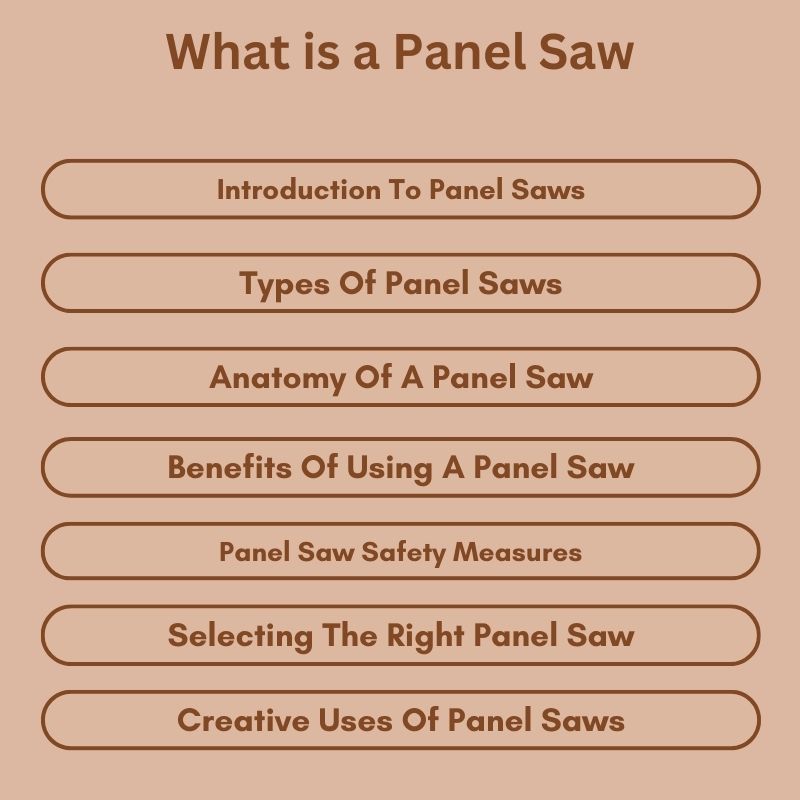
Types Of Panel Saws
Panel saws come in two main types: vertical and horizontal models. Each type has unique features. Vertical panel saws are great for saving space. They allow for easy cutting of large sheets.
Horizontal models are more traditional. They provide a larger cutting area and can handle bigger sheets. Choose based on the available workspace and cutting needs.
Operations can be manual or automatic. Manual panel saws require more effort. They offer flexibility and control. Automatic panel saws increase speed and efficiency. They are ideal for high-volume work.
Both types serve different purposes. Consider your project needs before choosing.
Anatomy Of A Panel Saw
The panel saw is an essential tool for woodworking. It has several key components that work together. Understanding these parts helps in using the saw effectively.
The blade is the main cutting element. It spins rapidly to cut through materials. Different blades serve different purposes. Choosing the right blade is important for clean cuts.
The cutting mechanism includes the motor and gears. The motor powers the blade, while the gears control its speed. A stable base supports the entire structure.
| Component | Function |
|---|---|
| Blade | Cuts through materials |
| Motor | Powers the blade |
| Base | Provides stability |
| Gears | Control blade speed |
Benefits Of Using A Panel Saw
Using a panel saw offers great precision and accuracy in cuts. This tool helps create clean edges and uniform sizes. It is perfect for various materials, including wood and plywood.
Time savings are significant with a panel saw. The machine cuts quickly and efficiently, reducing work hours. Less time spent on cuts means more time for other tasks. A panel saw can handle large sheets easily, minimizing waste.
Investing in a panel saw improves overall productivity. Workers can complete projects faster while maintaining quality. This tool is essential for both hobbyists and professionals.
Panel Saw Safety Measures
Always wear safety goggles to protect your eyes from flying debris. Hearing protection is also important to shield against loud noises. Keep hands away from the blade at all times. Ensure the machine is properly grounded to prevent electric shock.
Before starting, check that the saw is in good condition. Regularly clean the saw to remove dust and debris. Lubricate moving parts to keep them working smoothly. Replace dull blades immediately to avoid accidents.
| Tip | Description |
|---|---|
| Wear Protective Gear | Use goggles and gloves for safety. |
| Check Equipment | Ensure everything is in good working order. |
| Keep Workspace Clean | A tidy area reduces the risk of accidents. |
Selecting The Right Panel Saw
Choosing the right panel saw is essential for your projects. Several factors can help guide your decision. Think about the size of the materials you will cut. A larger blade can handle thicker materials easily.
Also, consider the power of the saw. More power means better performance. Portability is another key factor. A lightweight saw is easier to move around.
| Brand | Model | Power (HP) | Blade Size (inches) |
|---|---|---|---|
| Brand A | Model X | 3 | 10 |
| Brand B | Model Y | 5 | 12 |
| Brand C | Model Z | 4 | 10 |
Creative Uses Of Panel Saws
Panel saws are not just for making straight cuts. They can create unique shapes and designs. Artists use panel saws to craft stunning furniture. Custom cabinetry is also a popular project.
Advanced users can take on exciting challenges. Building intricate wall art is one option. Creating layered sculptures adds depth to any space. Panel saws make it easy to work with different materials.
| Project Type | Description |
|---|---|
| Custom Furniture | Design unique pieces tailored to your style. |
| Wall Art | Craft beautiful, eye-catching decorations. |
| Sculptures | Make three-dimensional art that stands out. |
Maintaining Your Panel Saw
Regular checkups are key to keeping your panel saw in top shape. Inspect the blades for any signs of wear. Ensure that the motor runs smoothly without unusual noises. Clean the surface and dust collection area to avoid buildup.
Use a soft cloth and mild cleaner for the body. Check all screws and bolts for tightness. This prevents any parts from loosening during use.
Seek professional servicing if you notice persistent issues. Unusual sounds or vibrations may indicate deeper problems. Professional help ensures your saw operates safely and efficiently.
The Future Of Panel Saws In Carpentr
Panel saws are changing fast. New technologies are making them smarter and safer. Features like laser guides and digital displays help woodworkers cut more accurately. These tools are becoming more user-friendly for everyone.
Modern woodworkers have evolving needs. They want tools that are both efficient and precise. Lightweight designs and portable options are gaining popularity. This makes it easier to transport tools to different job sites.
As carpentry evolves, panel saws will adapt. Expect to see eco-friendly materials and energy-efficient motors. These changes will help woodworkers meet new demands while being kind to the planet.
Frequently Asked Questions
What Is A Panel Saw Used For?
A panel saw is primarily used for cutting large sheets of material. This includes plywood, MDF, and particleboard. It offers precision and efficiency, making it ideal for woodworking and construction projects. Many professionals prefer panel saws for their ability to handle large panels safely and accurately.
How Does A Panel Saw Work?
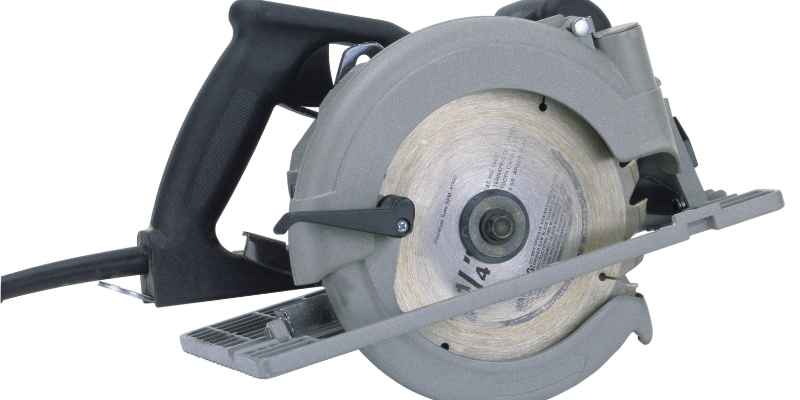
A panel saw operates by using a circular saw blade mounted vertically. The material is secured on the saw’s table, which can be adjusted for height and angle. As the saw blade moves, it cuts through the material with ease.
This design allows for clean, straight cuts every time.
What Are The Benefits Of Using A Panel Saw?
Panel saws provide several advantages, including increased accuracy and efficiency. They can handle large sheets of material that other saws struggle with. Additionally, they minimize waste by allowing for precise cuts. Their safety features also help reduce the risk of accidents during operation.
Can Beginners Use A Panel Saw?
Yes, beginners can use a panel saw with proper guidance. Basic training is essential to understand its features and safety measures. Once familiar, beginners can achieve accurate cuts with practice. Many users find panel saws intuitive and easy to operate, making them suitable for novice woodworkers.
Conclusion
A panel saw is an essential tool for precision cutting in woodworking and construction. Its efficiency can save time and enhance accuracy. Whether you’re a professional or a hobbyist, investing in a panel saw can elevate your projects. Understanding its features will help you choose the right one for your needs.