Vintage Saw Blades: How to Identify, Value, and Restore Them
A vintage saw blade’s real value comes from its maker’s medallion or etching, its steel, and its condition — not just its age. A common pre-1900 blade in rough shape can be worth less than a well-preserved 1940s blade from a sought-after maker, and knowing how to actually read a blade tells you more than a guess at its decade.
How To Identify What You Actually Have
Best For Removing Rust Without Damaging Old Steel
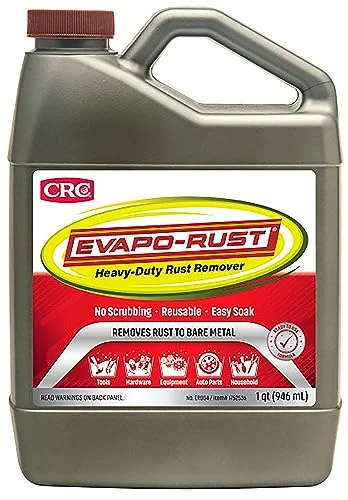 |
Evapo-Rust CRC Heavy Duty Rust Remover, 32 oz – $9.99 A non-acidic, water-based soak that lifts rust without scrubbing or sanding — safe for an old blade’s temper and any maker’s etching, unlike wire-wheel abrasion.
|
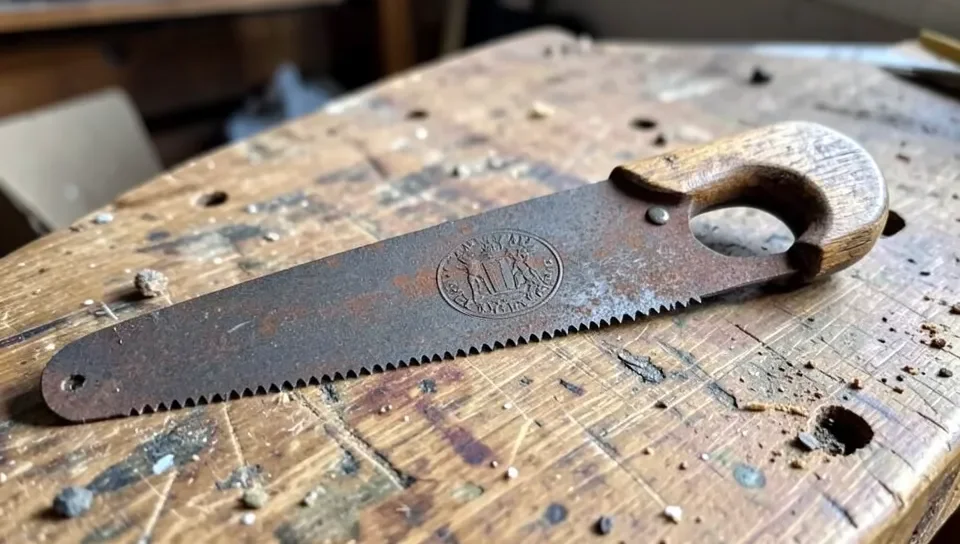
Start with the medallion (the round nameplate on a hand saw’s handle) or an etched maker’s mark on the blade itself — makers like Disston, Simonds, and Atkins each used distinct medallion designs and etching styles that changed over time, which collectors use to date a blade within a range of years rather than an exact date. The blade’s shape also matters: a rip-tooth pattern (larger, chisel-like teeth for cutting with the grain) versus a crosscut pattern (smaller, knife-like teeth for cutting across the grain) tells you what the saw was actually built to do, which affects both its collector interest and whether it’s practical to actually use. Many of these medallions carry a “Warranted Superior” stamp — a 19th-century quality-tier marking these same makers put on their second-line saws, not a maker’s name itself; see our Warranted Superior hand saw guide for how to date and value one specifically.
Materials: What Changed Over Time
| Era | Typical Steel | What It Means For You |
|---|---|---|
| Pre-1900s | High-carbon steel, hand-finished | Takes a very fine edge but rusts easily and is more brittle if abused |
| Early-mid 1900s | Improved carbon steel, machine-ground | The most common era found at flea markets and estate sales — often the best value-to-condition ratio |
| Mid-1900s onward | Chrome-plated or alloy steel | More rust-resistant but generally less collectible than earlier hand-finished blades |
| Modern (for comparison) | Carbide-tipped steel | Not vintage — a common mismatch is confusing a modern carbide circular blade for an antique one |
What Actually Determines Value
- Maker and model: some makers and specific models command real premiums among collectors — research the specific medallion/etch, not just “old saw.”
- Condition of the etch: a clear, legible etching is worth significantly more than one worn to illegibility, even on an otherwise similar blade.
- Handle originality: a matching original handle (not a replacement) adds real value; a mismatched or repaired handle reduces it.
- Straightness and pitting: a straight, minimally pitted blade is worth more than a warped or heavily pitted one — rust pitting is often permanent even after the rust itself is removed.
- Provenance: documented history (an estate sale record, a known original owner) can add value for higher-end pieces, though most everyday finds won’t have this.
Restoring Without Destroying The Value
The biggest restoration mistake is aggressive mechanical cleaning — a wire wheel or heavy sanding can erase a faint etching permanently, which is exactly the detail that identifies and values the blade in the first place. A soak-based rust remover (see above) lifts rust chemically without abrading the surface, which is why it’s the safer starting point before any mechanical cleaning at all. After derusting, a light coat of oil (mineral oil or a dedicated tool-preservation oil) protects bare steel from re-rusting in storage. Sharpening a hand saw blade that’s actually going to be used requires jointing the teeth level first, then filing each tooth to the saw’s original rip or crosscut pattern — a task worth learning specifically for the saw’s pattern rather than filing generically, since mismatching the pattern to the saw’s intended cut changes how it performs.
Creative Reuse For Blades Too Far Gone To Restore
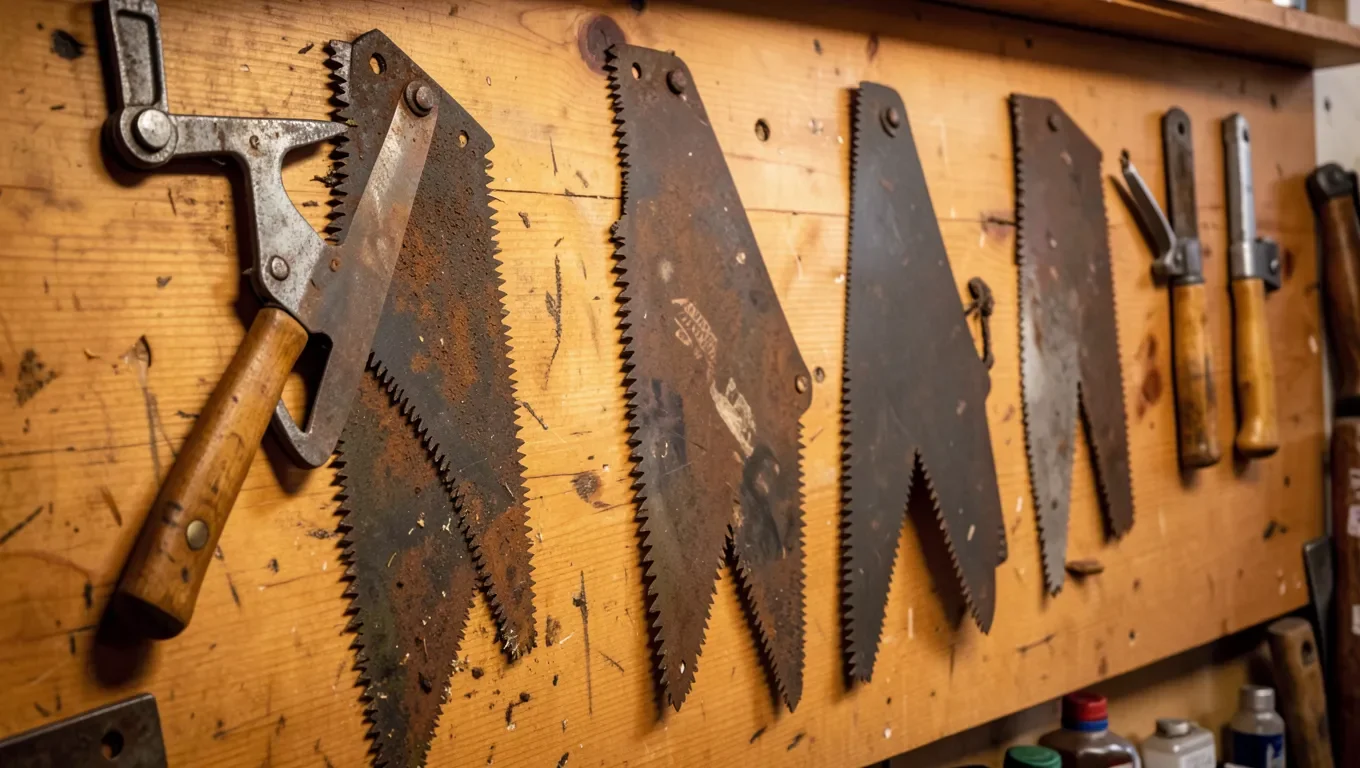
A blade with heavy pitting, a cracked plate, or missing teeth may not be worth restoring to a usable edge, but it still has real decorative value — hand-painted saw art (a folk-art tradition of painting scenes directly on an old crosscut blade) and wall-mounted tool displays are both established, legitimate uses for a blade that’s past practical restoration. This is a genuinely different path from restoration, not a consolation prize: some collectors specifically seek out well-executed painted saw blades as their own category of folk art.
Types Of Vintage Saws You’ll Actually Encounter
- Hand saws (panel saws): the most commonly found type — a single fixed blade with a wooden handle, identified by the medallion. This is where most Disston, Simonds, and Atkins examples turn up.
- Back saws (tenon/dovetail saws): a reinforced spine along the top of a shorter blade for precise joinery cuts — often smaller and less weathered than panel saws since they saw lighter use historically.
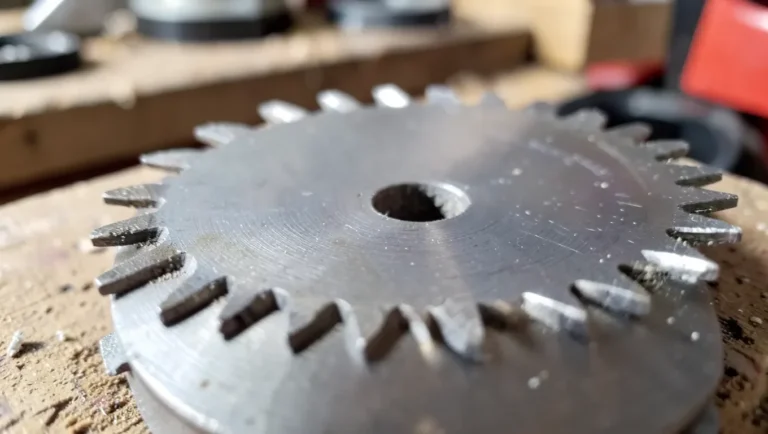
- Vintage circular saw blades: flat steel blades (not carbide-tipped, which is a modern feature) sometimes stamped with a maker’s name around the arbor hole — genuinely rarer as standalone collectibles than hand saws.
- Bow saws and turning saws: a thin blade held in tension by a wooden frame — collected more for the frame’s craftsmanship than the blade itself in most cases.
Where To Find Them And What To Watch For
- Estate sales and flea markets: often the best prices, but inspect in person for cracks, warping, and etch legibility before buying.
- Online auctions: wider selection but rely on photos — ask the seller for a clear photo of the medallion/etch and the blade’s straightness before bidding.
- Tool collector clubs and forums: a real resource for identification help and for buying/selling with people who actually know the maker histories, rather than guessing alone.
- Watch for reproductions: some modern decorative “vintage-style” saws are made to look old but aren’t — a suspiciously uniform, unworn etching on a “100-year-old” blade is a red flag.
Joining The Collector Community
Tool collector clubs (regional antique tool societies exist across most of the US) and online forums dedicated to hand tools are a genuinely useful resource beyond just buying and selling — experienced members can often identify a maker and approximate date from a couple of clear photos faster than searching alone, and many are happy to share restoration advice specific to a particular maker’s steel and construction quirks. Auction results from these communities also give a much more realistic sense of current market value than a generic online listing price, since asking prices and actual sale prices for collectible tools frequently diverge.
Frequently Asked Questions
What are vintage saw blades made of?
Mostly high-carbon steel, hand-finished on the earliest examples and machine-ground by the early-to-mid 1900s. Later blades sometimes used chrome-plated or alloy steel for better rust resistance.
How can I identify a vintage saw blade?
Look for a maker’s medallion on the handle or an etched mark on the blade — makers like Disston, Simonds, and Atkins used distinct designs that changed over time, letting collectors date a blade to a general era.
Are vintage saw blades worth collecting?
Yes, but value depends more on maker, etch condition, and originality than age alone — a well-preserved mid-1900s blade from a known maker can be worth more than a rougher pre-1900s example.
Conclusion
A vintage saw blade’s real story is in its medallion, etching, and steel — reading those tells you far more than age alone, and knowing them is also what keeps you from destroying a blade’s value with an overly aggressive cleanup. Whether you’re restoring one to use, preserving it as a collectible, or repurposing a too-far-gone blade as folk art, the identification step comes first.
Sponsored / affiliate links. As an Amazon Associate I earn from qualifying purchases. I may earn additional commission from eligible campaigns.