How to Clean Up Sawdust Fast: The Right Tool for Every Mess
The fastest way to clean up sawdust is to match the tool to the dust: a broom and dustpan for coarse shavings, and a shop vacuum with a fine-dust filter for the powder-fine dust a broom just kicks into the air. Wet-sweeping or a slightly damp mop finishes the job on hard floors, and a HEPA-rated air cleaner running during and after cutting keeps the finest particles from resettling.
Sawdust isn’t one uniform material. Coarse curls and chips from a hand plane or a table saw settle fast and sweep up easily. The fine, flour-like dust from sanding, routing, or cutting MDF behaves completely differently: it stays airborne for a long time, and a standard broom just launches it back into the air rather than collecting it. That single distinction, more than any specific tool, is what actually determines how you should clean a given mess.
Coarse Shavings vs. Fine Dust: Why the Difference Decides Your Cleanup Method
Coarse material, wood shavings, curls, and larger chips, is heavy enough to fall straight to the floor and stay there. A broom with stiff bristles and a dustpan handle this in minutes with no special equipment.
Fine dust behaves differently. Particles produced by sanding, routing, and cutting sheet goods like MDF or particleboard are light enough to stay suspended in the air for 30 minutes or longer after you stop working. Dragging a broom through this dust doesn’t remove it, it re-suspends a large share of what had already settled, which is why a shop that gets swept every day can still look hazy an hour later. A shop vacuum fitted with a fine-dust-rated filter (look for HEPA or a cartridge rated for fine particulate, not the general-purpose foam sleeve some vacs ship with) is what actually pulls that fine fraction out of circulation instead of redistributing it.
Best Shop Vac For Fine Sawdust
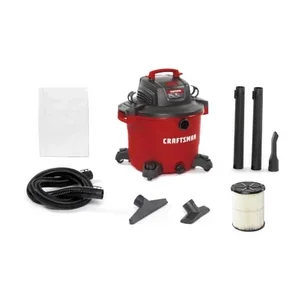 |
CRAFTSMAN CMXEVBE17595 16-Gallon Wet/Dry Shop Vacuum – $149.99 A dedicated shop vac like this one pulls fine sawdust out of the air stream instead of just pushing it around the floor the way a broom does.
|
When a Broom Still Gets the Job Done
None of this makes the broom obsolete. For coarse shavings on a concrete or wood shop floor, a stiff-bristle push broom is still the fastest tool available, and it’s the right first pass before vacuuming: clear the bulk material by hand, then vacuum what’s left. Soft-bristle brooms move less air and are the better choice once you’re down to finer residue, since a stiff broom on fine dust is exactly the scenario that kicks particles back into the air.
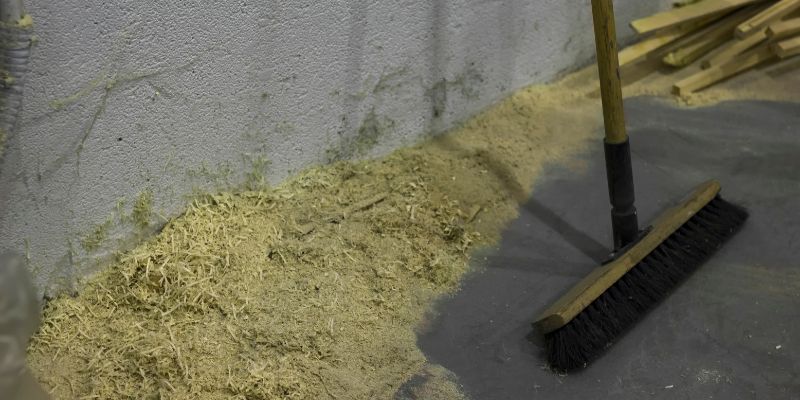
A useful rule of thumb: if you can see individual shavings, sweep them. If what’s left behind looks more like a light gray film, or you can see it drifting in a sunbeam, that’s fine dust, and it belongs to the vacuum and the air cleaner, not the broom.
Vacuuming Fine Dust the Right Way
A shop vacuum’s suction matters less than its filtration for this job. A vacuum that captures most large debris but exhausts fine particulate straight back into the room through its filter has effectively just relocated the dust from the floor to the air, which is worse for anyone breathing nearby. Look for a cartridge or bag rated for fine dust or HEPA-equivalent filtration, and check that the seal around the filter housing is tight; gaps here let fine dust bypass the filter entirely.
A crevice tool works corners and machine bases where dust collects around motors and belts. A wide floor nozzle covers open floor area faster. Empty the canister or bag before it’s completely full: an overfull vacuum loses suction and can push more fine dust past the filter under backpressure.
Running Dust Collection and Air Filtration During, Not Just After
The cleanup that happens while you’re still cutting matters more than the cleanup afterward. A dust collector connected directly to a table saw, miter saw, or router captures a large share of fine dust at the source, before it ever gets the chance to spread through the shop. A standalone ambient air cleaner, ideally a dedicated unit with a HEPA or MERV-13-or-higher filter, running during the cut and for 20 to 30 minutes afterward keeps pulling suspended fine particulate out of the air while it’s still airborne, instead of waiting for it to settle back onto every horizontal surface in the shop.
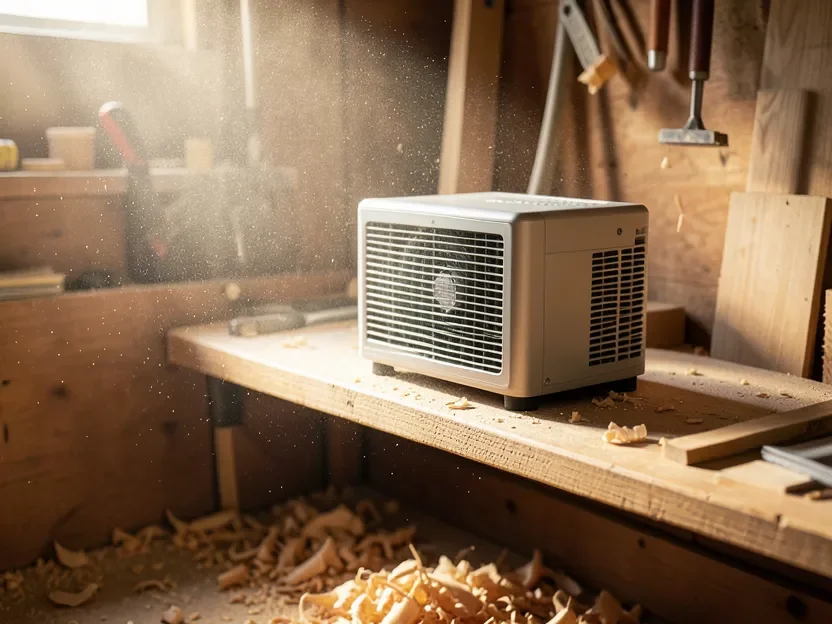
Settling Fine Dust on Hard Floors Before the Final Vacuum Pass
On concrete, tile, or sealed wood floors, a light wet-sweep or a slightly damp (not soaked) mop pass before vacuuming helps settle fine dust that’s clinging to the floor by static rather than sitting loose on top of it. The moisture weighs the fine particles down enough that a dry broom or vacuum nozzle picks them up instead of pushing them around. Let the floor dry fully afterward: damp sawdust residue left on a floor gets slippery and defeats the purpose of cleaning up a hazard in the first place.
Why Fine Wood Dust Is a Real Respiratory Hazard, Not Just an Annoyance
This is the point most cleanup guides skip. Fine wood dust, especially from MDF and particleboard (which contain formaldehyde-based binders) and from certain hardwoods like oak, walnut, and some exotic species, is a genuine long-term inhalation hazard with repeated exposure. It’s not an emergency-level risk from one afternoon of sanding, but woodworkers who sand or cut sheet goods regularly over years are the population where wood dust’s effect on the respiratory system actually matters.
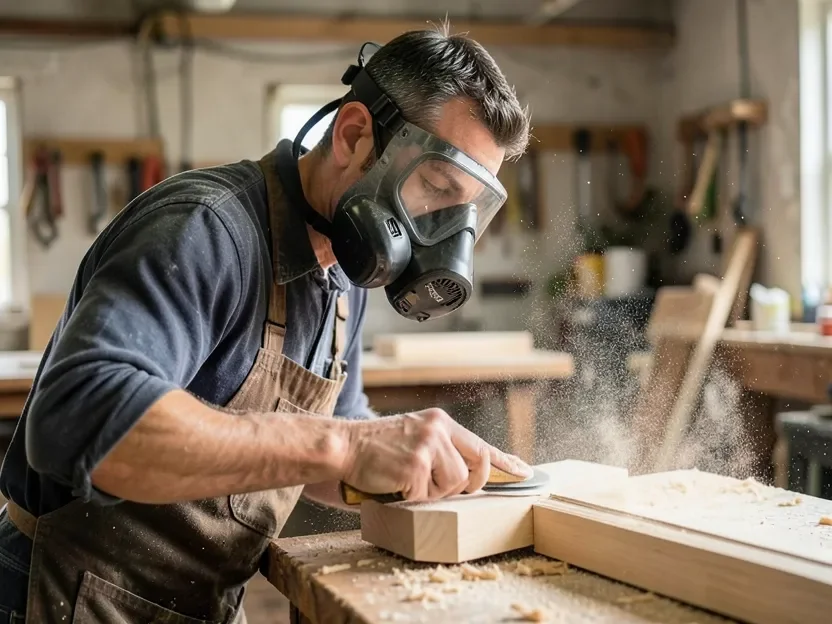
A paper dust mask is enough for a quick sweep-up. It is not enough for an extended sanding session. A properly fitted N95 respirator is the practical minimum for real sanding work, and a half-face respirator with P100 cartridges is a reasonable step up for anyone doing it for hours at a time or working with MDF regularly. This is a real, worth-taking precaution, not fear-mongering: it costs under $30 and takes the highest-exposure part of the job off the table entirely.
Disposal, Fire Risk, and Reuse: Coarse Shavings vs. Fine Dust Again
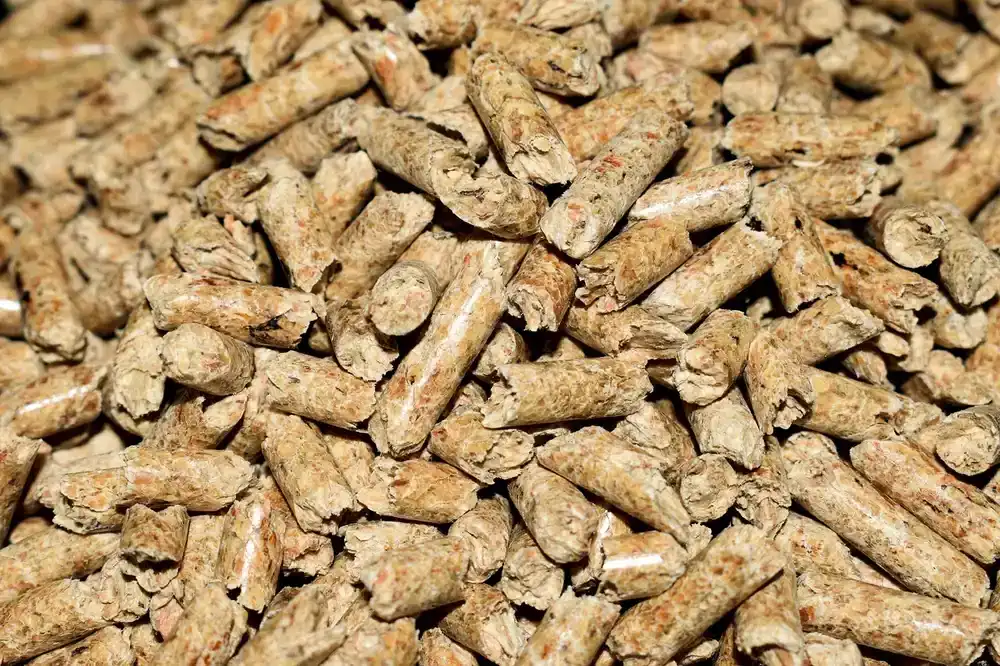
The coarse/fine distinction matters one more time at disposal. Coarse shavings from untreated, unfinished wood can be reused, as mulch, as animal bedding (horse and small-animal bedding both commonly use wood shavings), or composted in modest amounts. Fine sanding dust generally can’t be reused the same way; it compacts, doesn’t aerate a compost pile well, and if it came from finished, painted, or treated lumber it shouldn’t go into anything living or edible-adjacent at all.
Large accumulations of sawdust, especially fine dust, are also a genuine fire-load and combustible-dust consideration, not just a housekeeping issue. Fine wood dust suspended in the right concentration is combustible, which is part of why commercial dust collection systems are built around removing it rather than letting it accumulate on rafters, ledges, and light fixtures. A home shop isn’t an industrial facility, but the same logic applies at a smaller scale: don’t let fine dust pile up unaddressed on overhead surfaces near heat sources or wiring.
Frequently Asked Questions
What is the fastest way to clean up sawdust in a workshop?
Sweep or handpick the coarse shavings first, then run a shop vacuum with a fine-dust or HEPA-rated filter over the rest. Vacuuming coarse chips first just clogs the hose and wastes time that a broom handles faster.
Should I use a broom or a shop vacuum for sawdust?
Use both, in that order. A stiff broom is faster for coarse shavings and chips. A shop vacuum with fine-dust filtration is the only tool that actually removes fine, powder-like dust instead of stirring it back into the air, which is exactly what a broom does to that finer fraction.
Is fine wood dust actually bad for your health?
Yes, with repeated long-term exposure. Fine dust from sanding, MDF, particleboard, and some hardwoods is a real respiratory irritant, and regular exposure over years is the situation where it matters most. Wear an N95 or better respirator for extended sanding sessions, not just a light dust mask.
Can I reuse or compost sawdust?
Coarse shavings from untreated wood can be used as mulch, animal bedding, or added to compost in small amounts. Fine sanding dust doesn’t work the same way, it packs down too tightly for compost or mulch use, and anything from painted, finished, or treated lumber shouldn’t go into bedding or compost regardless of particle size.
Conclusion
Sawdust cleanup isn’t really about picking one best tool, it’s about matching the tool to what’s actually on the floor. Sweep the coarse material, vacuum the fine dust with a filter rated to actually catch it, run air filtration while you work rather than only afterward, and take the respiratory side seriously if you’re sanding or cutting sheet goods regularly. Get that sequence right and the rest of the cleanup takes care of itself.
Sponsored / affiliate links. As an Amazon Associate I earn from qualifying purchases. I may earn additional commission from eligible campaigns.