What is Apitong Wood: Discover Its Unmatched Durability
Apitong wood, also known as Keruing, is a durable hardwood sourced from Southeast Asia. It is commonly used for flooring, furniture, and heavy construction.
Apitong wood stands out for its remarkable strength and resilience, making it a top choice for various applications. This hardwood features an attractive grain pattern and rich color, appealing to both builders and designers. Its natural resistance to rot and insects enhances its longevity, making it ideal for outdoor projects.
Environmentally conscious consumers appreciate that Apitong is often sourced from sustainably managed forests. This wood’s versatility extends to uses in truck decking and marine applications, providing exceptional performance in demanding conditions. Understanding the qualities of Apitong wood helps in making informed choices for construction and design needs.
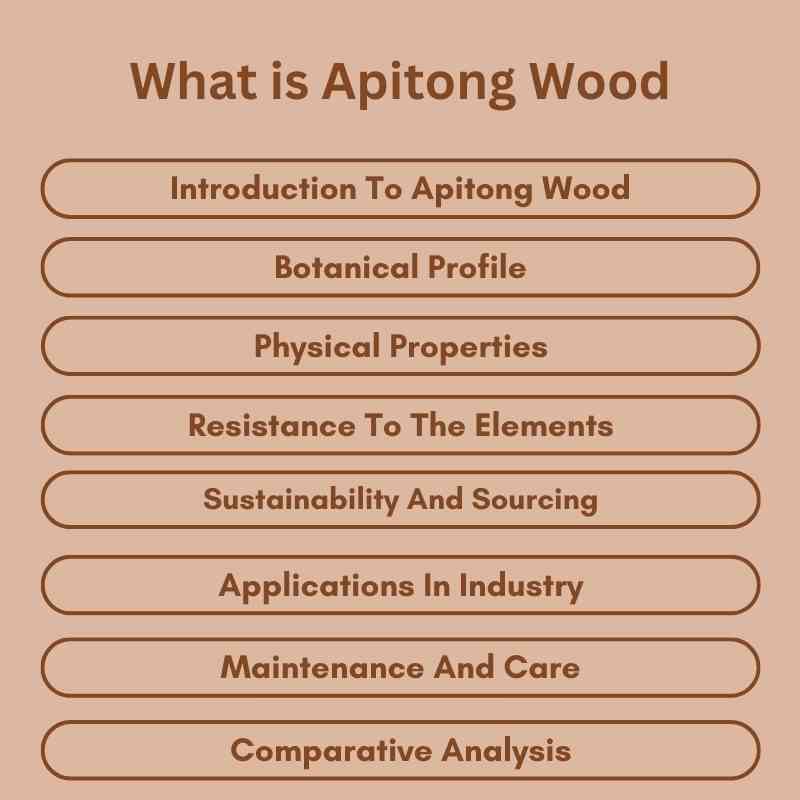
Introduction To Apitong Wood
Apitong wood comes from the Dipterocarpus genus. This tree grows mainly in Southeast Asia. Countries like Indonesia and Malaysia are known for it. Apitong trees thrive in warm, tropical climates.
The wood is very durable and strong. It has natural resistance to insects and decay. This makes it perfect for outdoor use.
Common uses of Apitong wood include:
- Flooring – it provides a beautiful finish.
- Furniture – strong enough for heavy items.
- Marine applications – great for boats and docks.
- Construction – used for beams and supports.
Botanical Profile
Apitong wood comes from the tree species known as Dipterocarpus. It belongs to the family Dipterocarpaceae. This family includes many valuable trees.
The species of Apitong is classified under the genus Dipterocarpus. This includes several types of trees. Each type has its own unique features.
Apitong trees are known for their fast growth. They can reach heights of up to 150 feet. The trunk is usually straight and can be very thick.
The wood is dense and strong. It is often used for construction and furniture. Many people appreciate its natural beauty.
Physical Properties
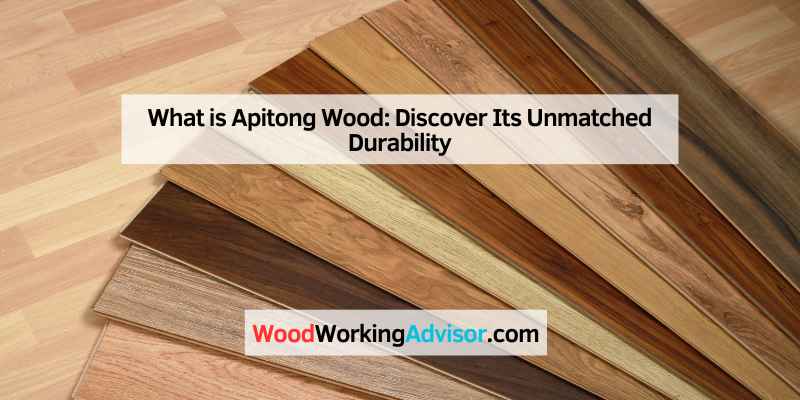
Apitong wood has a rich, reddish-brown color. This wood can have darker streaks. Its texture is smooth with a natural sheen.
With a density of about 700 kg/m³, Apitong is quite heavy. It is known for its high hardness rating, making it durable. This wood is often used in flooring and furniture.
| Property | Details |
|---|---|
| Color | Reddish-brown with darker streaks |
| Density | Approximately 700 kg/m³ |
| Hardness | High hardness rating, very durable |
Resistance To The Elements
Apitong wood is known for its amazing weather endurance. It can resist extreme temperatures. Rain, snow, and sun do not harm this wood easily.
This wood holds up well in different climates. Its natural oils protect it from moisture. This makes it less likely to warp or crack.
In terms of pest resistance, Apitong wood is a great choice. Termites and other pests avoid it. This quality helps keep the wood strong and long-lasting.
Decay does not affect Apitong wood easily. It can stay intact for many years. Many builders trust it for outdoor projects.
Sustainability And Sourcing
Apitong wood is known for its strength and durability. It comes from the tropical rainforests of Southeast Asia. Sustainable practices are vital for its sourcing.
Eco-friendly harvesting ensures that forests remain healthy. Trees are cut down carefully to prevent damage. This method helps maintain biodiversity in the area.
| Certification | Trade Practices |
|---|---|
| FSC Certified – Forest Stewardship Council ensures responsible forestry. | Fair Trade – Promotes fair wages for workers. |
| PEFC Certified – Program for the Endorsement of Forest Certification. | Transparency – Honest sourcing information for consumers. |
Applications In Industry
Apitong wood is a strong and durable material. It is often used in construction due to its resistance to wear. Builders prefer it for floors, decks, and structural beams.
This wood is also popular in the marine industry. Its natural oils make it water-resistant. Boat builders use Apitong for keels and hulls.
In transportation, Apitong is used for truck beds and trailers. Its strength supports heavy loads well. This wood is a top choice for shipping pallets too.
Maintenance And Care
To keep Apitong wood looking great, regular cleaning is important. Use a soft cloth to wipe away dirt and dust. Avoid harsh chemicals, as they can damage the wood. A mixture of mild soap and water works well for deeper cleaning.
For longevity, keep Apitong wood away from direct sunlight. This helps prevent fading and cracking. Ensure proper ventilation to avoid moisture buildup. Regularly check for signs of wear and treat them early. Applying a wood conditioner every few months can also help maintain its beauty.
Comparative Analysis
Apitong wood is known for its strength and durability. It is often compared to other hardwoods like oak and maple. The cost of Apitong is usually lower than these woods. This makes it a great choice for many projects.
Apitong is also resistant to moisture and insects. This helps it last longer in outdoor conditions. Other hardwoods may not offer the same level of protection.
| Wood Type | Cost | Durability | Resistance |
|---|---|---|---|
| Apitong | Low | High | Moisture, Insects |
| Oak | Medium | High | Moderate |
| Maple | High | High | Low |
Choosing Apitong wood can save money without losing quality. Its features make it a smart option for various uses.
Future Outlook
Research and Development in Apitong wood is growing. Scientists study its properties and uses. New methods improve quality and sustainability. This wood is strong and durable, making it ideal for many products.
Market Trends show increasing demand for Apitong wood. Many industries prefer it for its toughness. Builders often choose it for flooring and furniture. The rise in eco-friendly materials boosts interest in this wood.
| Aspect | Details |
|---|---|
| Durability | High resistance to wear and tear. |
| Sustainability | Harvested from renewable resources. |
| Applications | Used in construction, furniture, and more. |
Frequently Asked Questions
What Are The Characteristics Of Apitong Wood?
Apitong wood is known for its durability and strength. It features a rich, reddish-brown color and a straight grain. This wood is resistant to moisture and insects, making it ideal for outdoor use. Its density also adds to its longevity, making it a popular choice for heavy-duty applications.
Is Apitong Wood Sustainable?
Apitong wood is sourced from tropical forests, raising sustainability concerns. Responsible harvesting practices can mitigate environmental impact. Look for certifications like FSC to ensure sustainable sourcing. Using Apitong responsibly helps preserve ecosystems while benefiting local communities. Always research your supplier to ensure ethical practices.
What Are The Uses Of Apitong Wood?
Apitong wood is widely used in construction and furniture making. Its strength makes it ideal for flooring, decking, and truck beds. Additionally, it is popular for crafting durable outdoor furniture. Its aesthetic appeal also lends itself well to decorative applications.
This versatility makes it a favored choice among builders and designers.
How Does Apitong Wood Compare To Other Hardwoods?
Apitong wood is stronger and more durable than many hardwoods. Its resistance to moisture and pests sets it apart. Compared to oak, it offers similar strength but with a unique appearance. Apitong is also generally more affordable than exotic hardwoods.
This combination makes it a practical choice for various projects.
Conclusion
Apitong wood stands out for its durability and versatility. Often used in construction and furniture, it offers both strength and aesthetic appeal. Its resistance to decay makes it a reliable choice for various applications. Embracing Apitong wood can enhance your projects while ensuring longevity and quality.
Choose wisely for lasting results.