How Long to Let Wood Conditioner Dry: 5-15 Minutes, Not Hours
Wood conditioner needs 5 to 15 minutes to penetrate before you wipe it off, not the 1–2 hours or overnight cure some guides recommend — letting it fully dry turns it into a light sealer that blocks stain instead of leveling it. Stain has to go on within about 2 hours of conditioning, before that seal sets. This guide covers the real timing window, what happens if you wait too long, and how the window differs between oil- and water-based conditioners.
Why “Let It Dry Completely” Is the Wrong Instruction
Best Pre-Stain Conditioner Pick
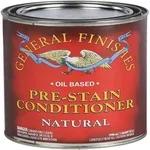 |
General Finishes Oil-Based Pre-Stain Wood Conditioner (Quart) – $49.95 This is the type of conditioner the timing table above is built around — a short penetration window, then wipe and stain, not an overnight cure.
|
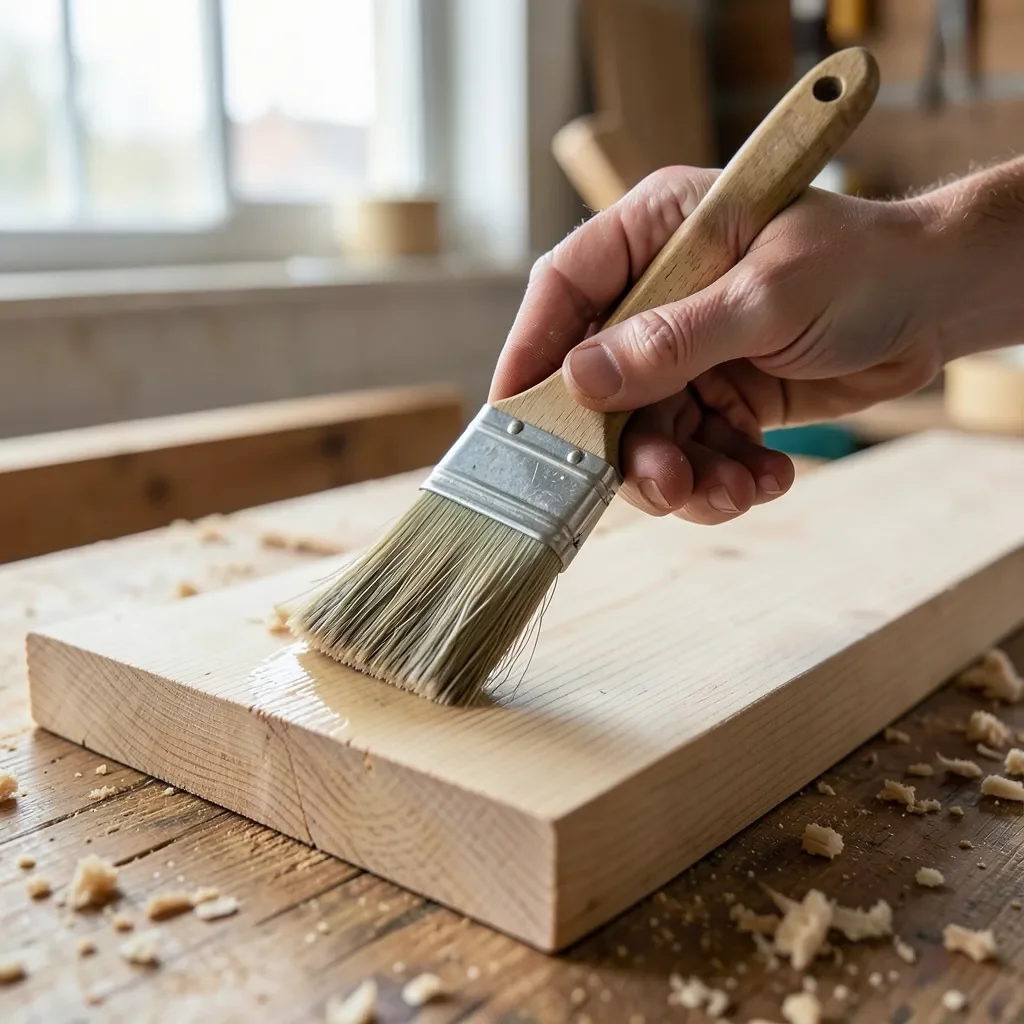
Pre-stain wood conditioner is not a finish — it’s a thinned sealer that temporarily reduces how much stain the wood absorbs, evening out blotch-prone species like pine, poplar, alder, and maple. It only works while it’s still slightly workable. If you wait until it’s fully cured — which for an oil-based conditioner can take several hours, not minutes — it finishes sealing the wood and the stain has nothing left to soak into. The manufacturer’s instructions call for a short penetration window measured in minutes, followed by wiping off the excess and staining while the wood is still receptive, not after the conditioner has fully set.
How Long to Wait, by Product
Timing varies by brand and formula, so check the can — but here’s what the major manufacturers actually specify:
| Product | Penetration Time | Wait Before Staining |
|---|---|---|
| Minwax Pre-Stain (oil-based) | 5–15 minutes | Stain within about 2 hours — no separate dry step |
| Minwax Water-Based Pre-Stain | 1–5 minutes | Wipe off, then stain |
| BEHR Premium Water-Based | 5–10 minutes | Up to 20 minutes after wiping |
| General Finishes Water-Based | Wipe off promptly | 20–30 minutes after wiping |
| Varathane Water-Based | Wipe off promptly | 30–60 minutes after wiping |
Notice the range — some water-based conditioners want a real 20–60 minute rest after wiping, while the common oil-based Minwax formula skips that wait entirely and goes straight to staining. Using an oil-based timing rule on a water-based product (or vice versa) is a common reason results vary between projects.
📊 Minwax’s own instructions specify a 5–15 minute penetration window for its oil-based pre-stain conditioner, wiped off before staining and followed by stain application within 2 hours — not the hours-long dry time often assumed. Source: Minwax Pre-Stain Wood Conditioner product page.
What Happens If You Wait Too Long — or Not Long Enough
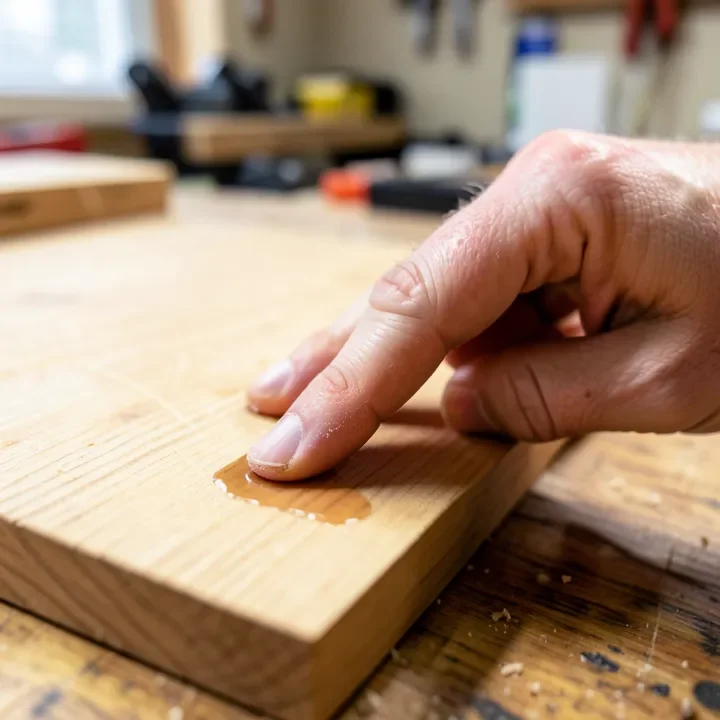
- Wait too long (conditioner fully cures): the wood surface is sealed and stain sits on top instead of penetrating, giving you a pale, washed-out, or patchy color no matter how much stain you apply.
- Don’t wait long enough: excess wet conditioner mixes with the stain instead of leveling absorption first, which can dilute the color and leave streaks where the two products blended unevenly.
- Skip wiping off the excess entirely: pooled conditioner dries into a slightly glossy film that blocks stain in patches, which reads as blotching but is actually a leftover-conditioner problem, not a wood-density one.
If you’ve already gone too long and the stain isn’t taking, a light re-sand back to bare wood and a fresh, correctly-timed conditioner application is the reliable fix — there’s no way to un-seal wood that’s already cured.
Testing Readiness the Right Way
Skip the moisture meter for this step — that tool measures the wood’s own internal moisture content, which is a separate question from whether the conditioner on the surface is ready for stain. The touch test is what actually matters here:
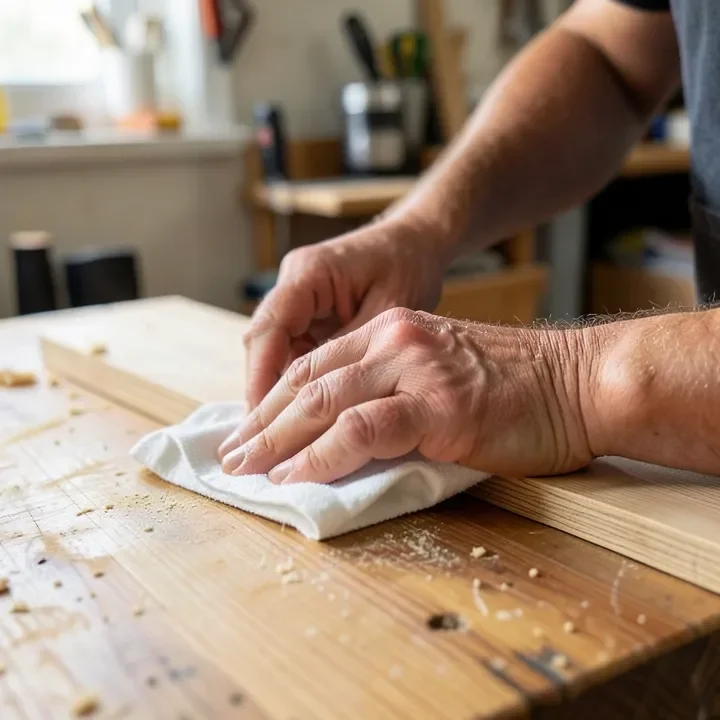
- Wipe off all visible excess conditioner with a clean, dry cloth — don’t skip this even if the surface looks even.
- Touch a corner lightly with a clean finger after the product’s specified wait time. It should feel dry to the touch, not tacky or wet.
- If it still feels tacky, wipe again with a dry cloth rather than waiting significantly longer — most of the extra tackiness is just un-wiped excess, not incomplete penetration.
- Apply stain within the product’s stated window once the surface passes the touch test.
Frequently Asked Questions
How long should wood conditioner dry before staining?
5 to 15 minutes for most oil-based pre-stain conditioners, or up to 20-60 minutes for some water-based formulas after wiping off the excess. Check your specific product’s label — the window varies more between brands than most guides admit.
Can wood conditioner sit too long before staining?
Yes. Past roughly the 2-hour mark for oil-based Minwax (or longer for other brands), the conditioner fully cures into a light sealer, and stain applied after that point won’t penetrate evenly — you’ll get a pale or patchy result instead of the even color the conditioner is supposed to produce.
What happens if I don’t use wood conditioner at all?
Blotchy stains on softwoods like pine, poplar, and alder, since these species absorb stain unevenly based on grain density. Conditioner isn’t mandatory on tighter-grained hardwoods like oak or maple, but it rarely hurts.
Is wood conditioner drying time the same for oil- and water-based products?
No. Oil-based Minwax skips a separate dry step entirely (stain goes on within 2 hours of wiping), while several water-based conditioners specify a real 20-60 minute wait after wiping before staining. Match the timing to the specific product, not a generic rule.
The short version: wipe off the excess within the first several minutes, do a quick touch test, and stain before the window closes — treating conditioner like a finish you let cure overnight is what actually causes the blotchy, sealed-off results this step is supposed to prevent. If you’ve ever wondered whether conditioner works the other direction, see why wood conditioner after staining doesn’t work. For the full step-by-step process once you are past this wipe-off window, see our guide on how long after wood conditioner you can stain.
Sponsored / affiliate links. As an Amazon Associate I earn from qualifying purchases. I may earn additional commission from eligible campaigns.