Lightest Wood by Weight: 6 Lightweight Woods Ranked (2026)
Balsa is the lightest wood you can actually buy, averaging about 9 lb/ft³ when dried, but it is also among the softest, so it only suits models and crafts. Paulownia, at about 18 lb/ft³, is the lightest wood that works for furniture and instruments. This guide ranks six lightweight woods by weight, shows what a real board weighs, and explains which one fits modeling, crafts, or woodworking.
Lightest Woods Ranked by Weight
Best Balsa Sheets Pick
 |
Craftiff Balsa Wood Sheets, 1/8 Inch x 12 x 4 Inch (5 Pack), $9.95 Each 12 x 4 x 1/8 inch sheet works out to roughly half an ounce at balsa’s average density, which is the weight math in the table below.
|
As an Amazon Associate we earn from qualifying purchases.
Weight is measured as dried density, in pounds per cubic foot (lb/ft³) or kilograms per cubic meter. The figures below are average dried weights from The Wood Database, with Janka hardness added because the lightest woods are also the softest. White oak is included as a heavy benchmark.
| Wood | Dried weight (lb/ft³) | Dried weight (kg/m³) | Janka hardness (lbf) | Lighter than white oak by |
|---|---|---|---|---|
| Balsa | 9 | 150 | 67 | 5.2x |
| Paulownia | 18 | 280 | 300 | 2.6x |
| Western red cedar | 23 | 370 | 350 | 2.0x |
| Eastern white pine | 25 | 400 | 380 | 1.9x |
| Basswood | 26 | 415 | 410 | 1.8x |
| Red alder | 28 | 450 | 590 | 1.7x |
| White oak (benchmark) | 47 | 755 | 1,350 | 1.0x |
Two patterns stand out. First, weight and hardness rise together: balsa dents under a fingernail at 67 lbf, while white oak takes 1,350 lbf to dent. Second, the gap between the lightest and the next lightest is huge. Balsa is half the weight of paulownia, while paulownia through alder sits in a tight 18 to 28 lb/ft³ band. For a broader look at how species are grouped, see our guide to hardwood, softwood, and engineered wood.
What Is the Lightest Wood in the World?
Balsa (Ochroma pyramidale) is the lightest wood in commercial use, and Ecuador supplies roughly 70% of it. Wikipedia lists its density at 40 to 475 kg/m³, with a typical value around 160 kg/m³, which matches The Wood Database figure of about 150 kg/m³. That spread matters: a sheet from the light end of the range and one from the heavy end are very different materials.
Balsa is not the lightest wood on Earth, though. Two uncommon species are described as lighter than cork: ambatch (Aeschynomene elaphroxylon), a tropical African tree traditionally used for fishing net floats and rafts, and corkwood (Leitneria floridana), a small shrub or tree found only in a handful of southern US states. Neither is sold as lumber, so for anything you can buy, balsa stays the answer. One more correction: corkwood has nothing to do with cork oak bark. It is a separate plant with naturally ultralight wood.
How Much Does a Board Weigh?
Density numbers are abstract until you apply them to a real piece. The table converts each average dried weight into the weight of a 12 x 4 x 1/8 inch craft sheet and an actual 8-foot 2×4 (1.5 x 3.5 inches, not the nominal size). These are calculated from the averages above, so a given board can land 10 to 20 percent either way depending on moisture and growth.
| Wood | 12 x 4 x 1/8 in sheet | 8-ft 2×4 (1.5 x 3.5 in) |
|---|---|---|
| Balsa | 0.5 oz | 2.6 lb |
| Paulownia | 1.0 oz | 5.2 lb |
| Western red cedar | 1.3 oz | 6.7 lb |
| Eastern white pine | 1.4 oz | 7.3 lb |
| Basswood | 1.4 oz | 7.6 lb |
| Red alder | 1.6 oz | 8.2 lb |
| White oak | 2.6 oz | 13.7 lb |
The takeaway is that wood choice moves a large project by pounds but a craft sheet by only fractions of an ounce. If you are building something you will lift, hang, or carry, such as a wall-mounted cabinet or a portable box, switching from oak to alder or paulownia changes the weight far more than you would guess. To estimate a whole project, our woodworking calculators guide links to the weight and board-foot tools.
What Is the Lightest Hardwood?
Balsa is botanically a hardwood, because it comes from a broadleaf flowering tree rather than a conifer, and it is the lightest hardwood there is. “Hardwood” is a botanical label, not a hardness rating. Balsa is also the softest wood ever measured on the Janka scale, according to Wikipedia. For furniture-grade work, the lightest practical hardwoods are paulownia at 18 lb/ft³, then basswood at 26 and red alder at 28. Alder is heavier than basswood but about 44% harder (590 vs 410 lbf), which is why it is the better pick for cabinet doors that need to resist dents.
Best Lightweight Wood for Modeling and Crafts
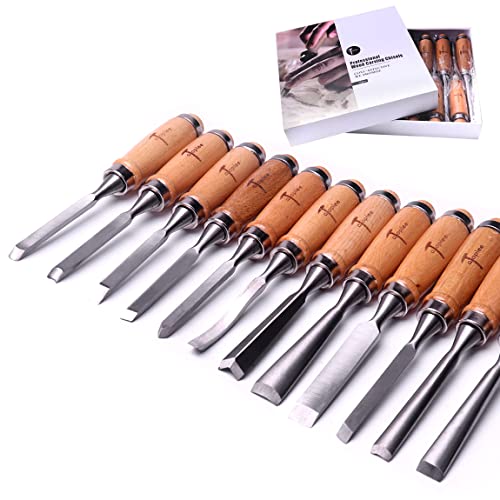
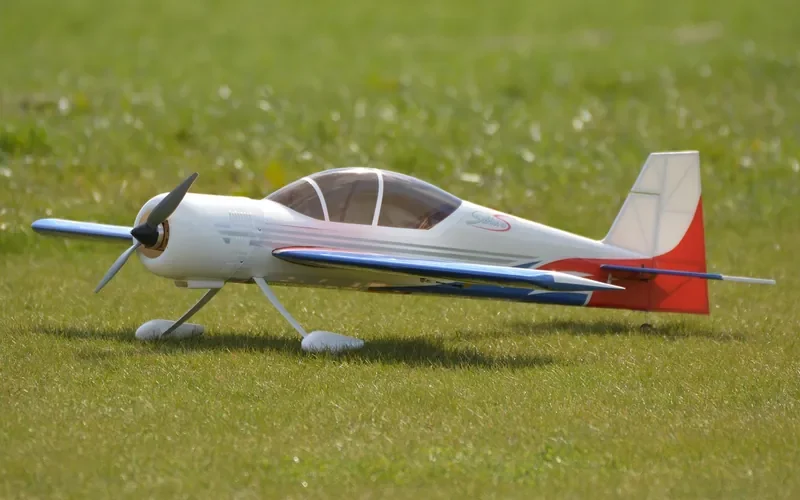
For flying models, gliders, and quick prototypes, balsa is the standard because nothing else is as light or as easy to cut. It slices with a hobby knife, and our guide on how to cut balsa wood covers blade and technique choices. For carving, wood burning, and detailed work, basswood is the better choice. The Wood Database calls it perhaps one of the most suitable woods for hand carving, though it notes basswood does not hold screws well, so reinforce screw holes with glue.
- Balsa: models, gliders, lightweight crafts. Softest option, dents easily, cannot take structural loads.
- Basswood: carving, laser cutting, miniatures. About 2.9 times heavier than balsa but far more durable in daily handling.
- Paulownia: painted craft panels, frames, and boxes. Called “the other balsa” for good reason, at double balsa’s weight but with real stiffness.
Not every sheet sold as balsa is balsa. While checking product listings for this article, several results labeled “balsa wood sheets” were actually basswood plywood, which weighs about three times as much. If weight matters, confirm the listing says solid balsa and check the thickness, or compare in detail with our balsa wood vs basswood comparison.
Best Lightweight Wood for Woodworking and Furniture
Paulownia is the top lightweight pick for boxes, panels, guitar bodies, and furniture parts. The Wood Database lists it as extremely easy to work and notes uses in plywood, furniture, millwork, and electric guitar bodies, with one warning: high silica content in some trees can dull cutting edges. Our paulownia wood guide covers properties and pros and cons in more depth.
Red alder is the better choice when the piece will take daily knocks, since it is the most abundant hardwood in the Pacific Northwest, sands easily, and is widely used for cabinetry. For outdoor projects, western red cedar at 23 lb/ft³ combines light weight with natural decay resistance, but at 350 lbf it dents and scratches easily. See our outdoor furniture wood guide for how it compares with heavier, harder options.
Avoid balsa for anything structural. At 67 lbf it crushes under clamp pressure and cannot hold threaded fasteners, which is why it belongs to models and crafts rather than shelves or frames.
Light Wood vs Lightweight Wood: Color Is Not Weight
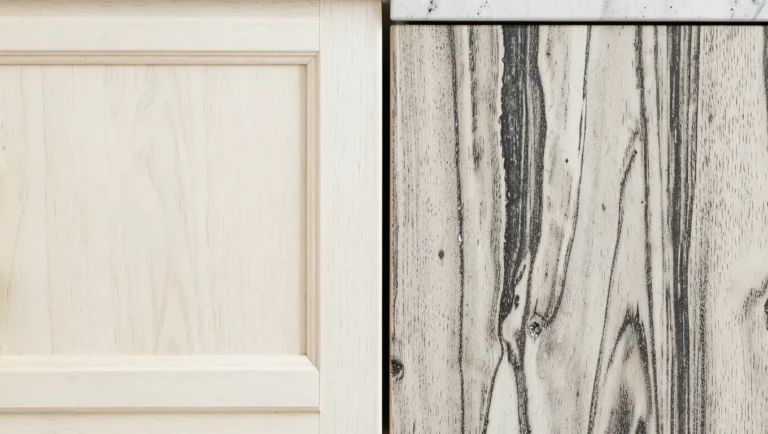
Searches for “light wood” mix two different ideas: wood that is pale in color and wood that is low in density. They are unrelated. White oak is a light to medium brown wood, yet at 47 lb/ft³ it weighs more than five times as much as balsa. Likewise, western red cedar is reddish but is among the lighter softwoods at 23 lb/ft³. If you are after a pale finish, see what light wood is called; if you are after low weight, use the density table above.
Frequently Asked Questions
What is the lightest wood in the world?
Balsa is the lightest wood in commercial use, averaging about 9 lb/ft³ (150 kg/m³) when dried. Ambatch and corkwood are described as lighter than cork, but neither is sold as lumber, so balsa is the lightest wood you can actually buy.
What is the lightest hardwood?
Balsa is botanically a hardwood and is the lightest one, at about 9 lb/ft³. The lightest practical furniture hardwoods are paulownia at 18 lb/ft³, basswood at 26 lb/ft³, and red alder at 28 lb/ft³.
What is the best lightweight wood for woodworking?
Paulownia is the best lightweight wood for woodworking at about 18 lb/ft³. It is extremely easy to work and used for boxes, panels, furniture, and guitar bodies. Red alder is better where the piece needs to resist dents, at 590 lbf Janka hardness.
What is the best lightweight wood for crafts and modeling?
Balsa is best for flying models and quick builds, and basswood is best for carving and detailed work. Basswood is about 2.9 times heavier than balsa but is far more durable and holds carved detail.
Is light-colored wood the same as lightweight wood?
No. Color and weight are unrelated. White oak is a light to medium brown but weighs about 47 lb/ft³, over five times the weight of balsa, while reddish western red cedar weighs only about 23 lb/ft³.
Conclusion
Balsa wins on pure weight at about 9 lb/ft³, but it is a modeling and craft material, not a building one. For anything that must hold screws, take knocks, or carry weight, paulownia, cedar, basswood, or alder give up some lightness in exchange for real usability. Match the wood to the job, and check the density table before you buy.
Sponsored / affiliate links. As an Amazon Associate I earn from qualifying purchases. I may earn additional commission from eligible campaigns.