
What is Kiln Dried Whitewood? Unveil Its Secrets!
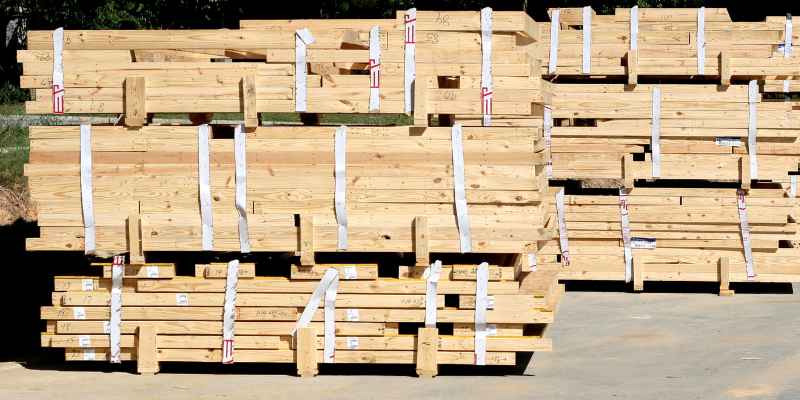
Kiln dried whitewood is lumber that has been dried in a kiln to reduce moisture content. This process enhances the wood’s durability, stability, and resistance to warping.
Kiln dried whitewood is a popular choice in construction and woodworking due to its versatility and strength. It typically refers to softwoods like pine, fir, or spruce, which are commonly used in various projects. The kiln drying process not only eliminates excess moisture but also kills pests and prevents mold growth.
Builders and craftsmen appreciate its lightweight nature and ease of handling. Whether for furniture making, cabinetry, or structural applications, kiln dried whitewood offers a reliable and cost-effective solution. Understanding its properties can help you make informed decisions for your next project.
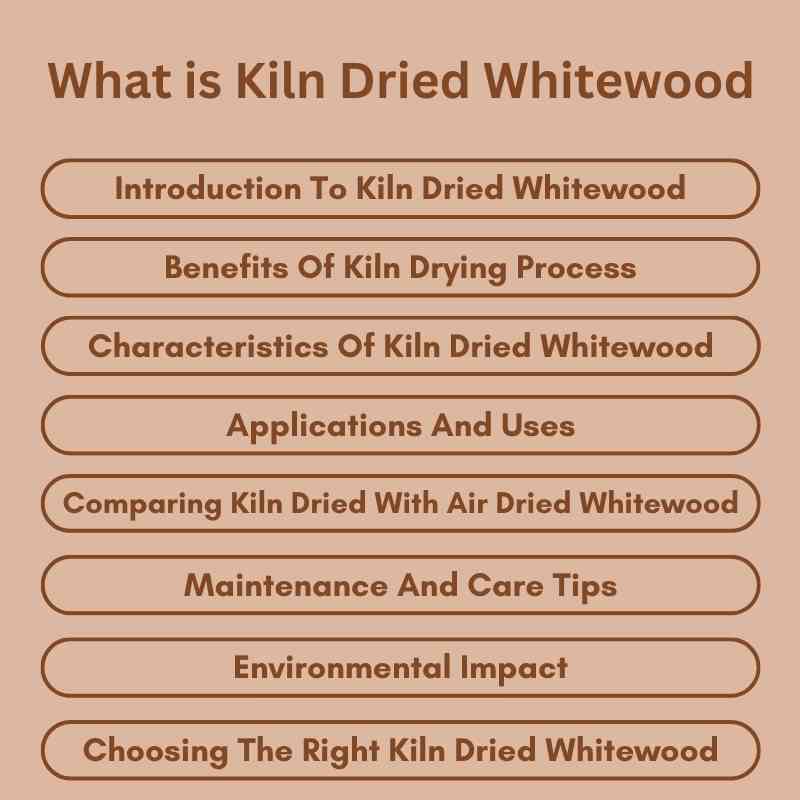
Introduction To Kiln Dried Whitewood
Kiln dried whitewood is a popular material in woodworking. It is known for its durability and stability. The process of kiln drying removes moisture from the wood. This helps prevent warping and cracking.
Whitewood typically comes from softwood trees like pine and fir. These trees grow quickly, making whitewood a sustainable choice. The light color of whitewood gives a clean look to furniture. Many people choose it for its affordable price and versatile use.
| Feature | Description |
|---|---|
| Moisture Content | Typically less than 10% |
| Uses | Furniture, cabinetry, and paneling |
| Color | Light, natural finish |
Benefits Of Kiln Drying Process
Kiln drying improves the stability of wood. This process removes moisture from wood. Less moisture means less warping and shrinking. As a result, the wood holds its shape better.
Strong wood lasts longer. The kiln drying process makes wood more durable. It helps resist damage from insects and fungi. This means fewer repairs and replacements over time.
Characteristics Of Kiln Dried Whitewood
Kiln dried whitewood is known for its light color and smooth texture. The wood features attractive grain patterns, which can vary widely. Common colors include pale yellow to light brown, making it versatile for various uses.
The drying process reduces the moisture content significantly. Typically, the moisture content is below 20%. This low moisture level helps prevent warping and cracking.
Overall, kiln dried whitewood is a reliable choice for both furniture and construction.
Applications And Uses
Kiln dried whitewood is popular in construction for various reasons. It is lightweight and strong. Builders appreciate its stability and resistance to warping. This wood is easy to work with, making it a favorite among carpenters.
In furniture making, kiln dried whitewood shines. It provides a clean and smooth finish. Many furniture makers choose this wood for its versatility. It can be painted or stained easily. This wood also maintains its shape over time.
Comparing Kiln Dried With Air Dried Whitewood
Kiln dried whitewood dries much faster than air dried whitewood. The kiln drying process can take a few days. In contrast, air drying may take several months. This speed is crucial for many projects.
The drying method affects the wood’s quality. Kiln dried wood is less likely to warp. It also has a lower moisture content. This makes it more stable for building. Air dried wood can have uneven moisture levels. This can lead to issues in construction.
Overall, the drying time directly impacts the wood’s quality and performance.
Maintenance And Care Tips
To keep Kiln Dried Whitewood in great shape, protect it from moisture. Use a humidifier in dry rooms. Check for leaks around windows and doors regularly.
To avoid common damages, apply a good sealant. This helps to prevent water stains and warping. Always clean spills immediately to avoid long-term effects.
| Tip | Description |
|---|---|
| Sealant | Use a high-quality sealant to protect the wood. |
| Humidity Control | Keep humidity levels stable with a humidifier. |
| Immediate Cleaning | Wipe up spills quickly to avoid damage. |
Environmental Impact
Kiln dried whitewood is known for its sustainability. The kiln drying process uses heat to remove moisture from wood. This method helps reduce waste and makes wood last longer.
Using kiln dried wood can be eco-friendly. It prevents the growth of mold and insects. This means less wood is needed over time.
| Eco-Friendly Practices | Benefits |
|---|---|
| Energy Efficiency | Reduces energy consumption during drying. |
| Waste Reduction | Minimizes the amount of unusable wood. |
| Recyclability | Wood can be reused in many applications. |
Choosing The Right Kiln Dried Whitewood
Choosing the right kiln dried whitewood involves several important factors. First, consider the wood’s moisture content. A lower moisture level means better durability. Next, check the grade of the wood. Higher grades offer fewer defects and better appearance.
Look for consistency in color. Uniform color enhances the overall look of your project. Examine the dimensions carefully. Ensure they fit your specific needs without cutting or adjusting. Always ask about the source of the wood. Sustainable sourcing is crucial for environmental health.
For buyers, consider these tips:
- Choose reputable suppliers.
- Request samples before purchasing.
- Compare prices from different sellers.
- Check for warranties or guarantees.
Frequently Asked Questions
What Is Kiln Dried Whitewood?
Kiln dried whitewood is a type of lumber that has been dried in a kiln to reduce moisture content. This process enhances its stability and durability. It is commonly used in furniture making, cabinetry, and construction due to its lightweight nature and affordability.
Why Is Kiln Drying Important For Wood?
Kiln drying is crucial because it removes excess moisture, preventing warping and splitting. This process also minimizes the risk of mold and insect infestations. Properly dried wood is easier to work with and has a longer lifespan, making it a preferred choice in various projects.
What Are The Benefits Of Using Whitewood?
Whitewood offers several benefits, including a smooth finish and versatility. It is lightweight, making it easy to handle and transport. Additionally, its affordability makes it an attractive option for both DIY projects and professional applications.
How Can I Identify Kiln Dried Wood?
You can identify kiln dried wood by checking for a moisture content of less than 20%. It often has a straight grain and a consistent color. Additionally, kiln dried wood may have a stamp indicating it has undergone the drying process, ensuring quality.
Conclusion
Kiln dried whitewood offers numerous benefits for construction and woodworking. Its stability and reduced moisture content make it a preferred choice for many projects. Understanding its characteristics can enhance your craftsmanship. By selecting kiln dried whitewood, you ensure durability and quality in your work.
Embrace this versatile material for your next project.