What Wood Smells the Best? Cedar, Walnut & Sassafras Ranked
Aromatic red cedar is generally considered the best-smelling wood, prized for a sharp, resinous scent from natural oils called thujaplicins — though sassafras (root-beer-like) and black walnut (mild and nutty) are close rivals. Wood smells strongest right after cutting or sanding, then fades as it dries over months. This guide ranks the most fragrant species, explains why the smell fades, and covers a safety point most sites skip.
Why Freshly Cut Wood Smells Stronger Than Old Wood
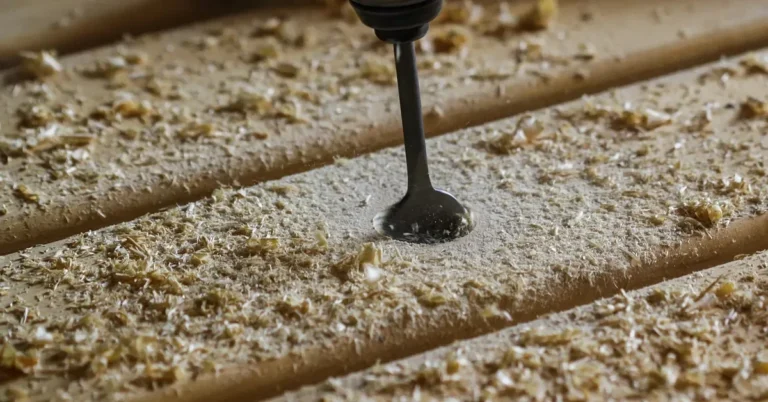
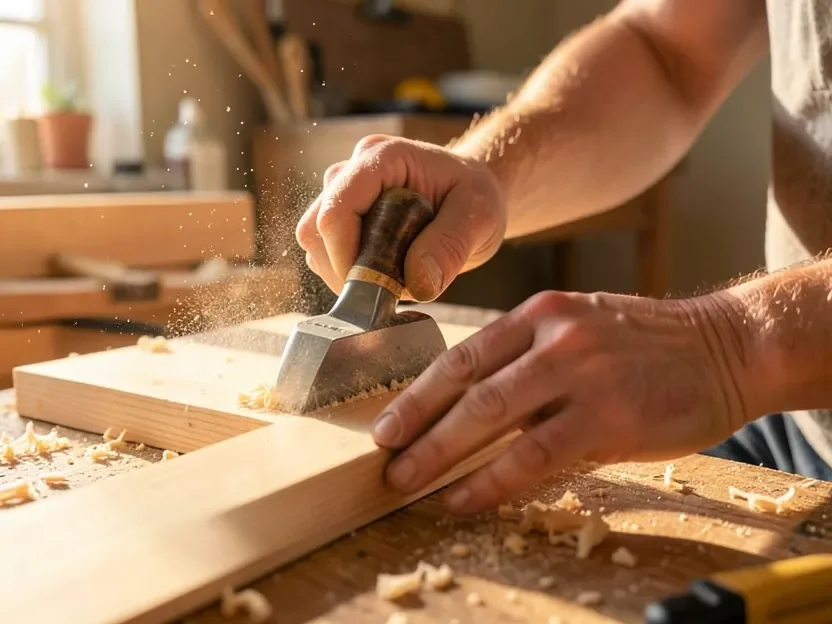
Wood scent comes from volatile aromatic compounds — oils and resins trapped in the cell structure — that release into the air fastest at a freshly cut or freshly sanded surface. Once that surface has been exposed to air for a while, the outer layer of oils oxidizes and the scent fades, even though the compounds deeper in the wood are largely still there.
That is why a cedar chest smells strongest the week it is built and noticeably weaker a few years later — and why woodturners and furniture makers often say a board “smells best on the lathe.” A light re-sanding of an old cedar surface exposes fresh oils underneath and restores much of the original scent.
Best Aromatic Cedar Pick
 |
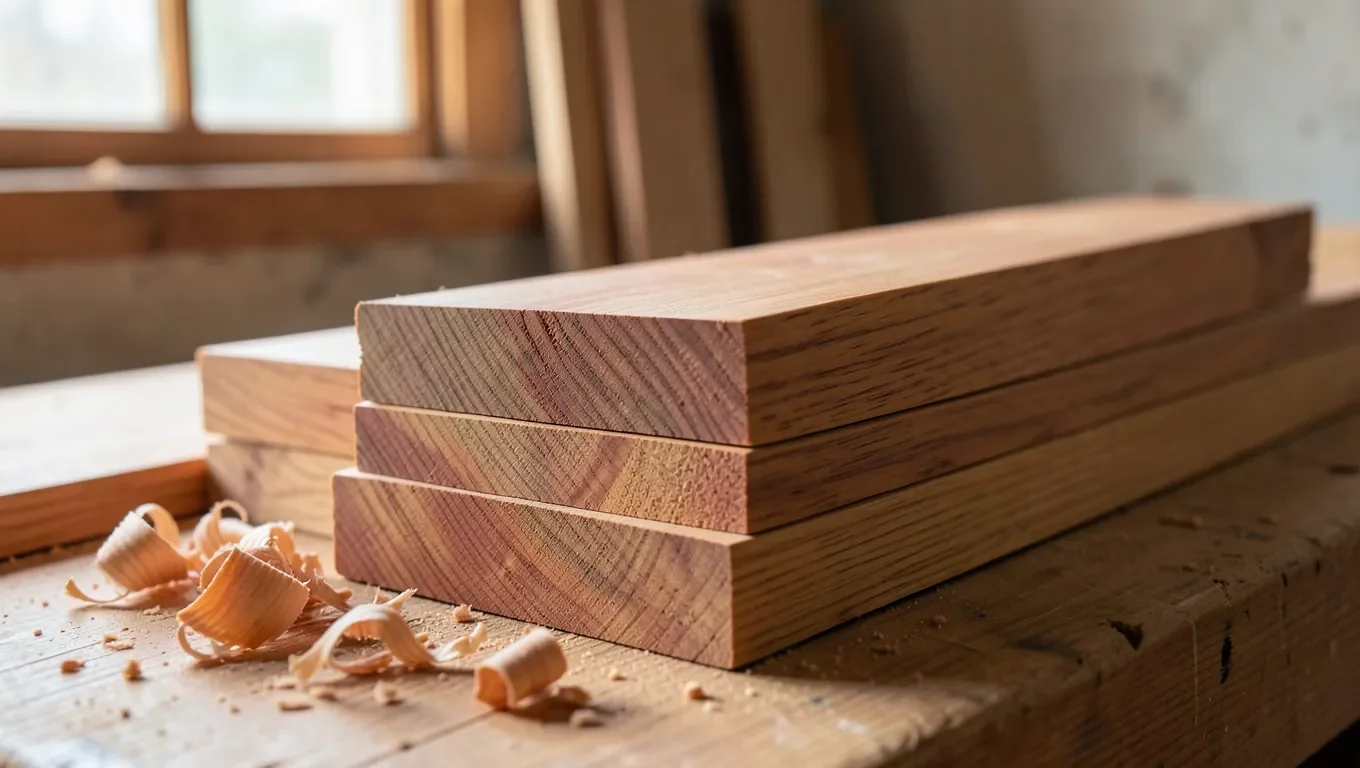
Barrington Hardwoods Aromatic Cedar Lumber (4 Pieces) – $43.00 Kiln-dried aromatic red cedar boards — the same species covered above, ready to build a closet liner, chest, or drawer bottoms where you actually want that fresh-cut cedar scent.
|
As an Amazon Associate we earn from qualifying purchases.
The Best-Smelling Woods, Ranked
These rankings are based on the intensity and pleasantness of the scent most woodworkers report, not on price or rarity. Sandalwood is famous and expensive, but domestic aromatic red cedar is the wood most woodworkers actually encounter and rate highest for everyday projects.
| Wood | Scent Profile | Best For |
|---|---|---|
| Aromatic Red Cedar | Sharp, resinous, “cedar closet” | Closets, chests, drawer liners |
| Sassafras | Root beer / spicy vanilla | Novelty projects, turning |
| Black Walnut | Mild, nutty, earthy when fresh-cut | Furniture, gunstocks, bowls |
| Cherry | Sweet, faintly floral | Furniture, cabinetry |
| Sandalwood | Sweet, woody, floral notes | Carving, incense, small boxes |
| Camphor | Minty, medicinal, sharp | Chests, moth-repellent storage |
Aromatic Red Cedar
Aromatic red cedar (Juniperus virginiana, also called eastern red cedar) owes its sharp, familiar scent to natural oils called thujaplicins, the same compounds that make it a natural moth deterrent in closets and chests. The fragrance comes from oils concentrated in the reddish heartwood, and it fades over a few years even in a closed chest — a light sanding exposes fresh oil and brings the scent back.
Sassafras
Sassafras has a genuinely distinctive spicy, root-beer-like smell — it is not a coincidence. Sassafras root bark was the original flavoring in root beer until 1960, when the FDA banned safrole (the compound responsible for both the scent and the flavor) in commercial food and drink after it was found carcinogenic in high concentrations. As a furniture or turning wood in normal quantities, the smell is simply a pleasant curiosity, but it is the reason woodworkers who cut sassafras for the first time often say the shop suddenly smells like an old-fashioned soda fountain.
Black Walnut
Black walnut is often left off best-smelling-wood lists because the scent is subtler than cedar or sassafras — but freshly milled or freshly sanded walnut has a real, pleasant mild nutty, earthy smell that many furniture makers specifically enjoy working with. Like most species on this list, the aroma is strongest at the machine and fades noticeably once the surface has sat exposed to air for a few days.
Cherry
Cherry offers one of the sweetest, most subtle scents of any common furniture wood — a faintly floral note that many describe as more pleasant than dramatic. It is one reason cherry wood stays popular for cabinetry and fine furniture: it smells good in the shop and still looks warm and rich once finished.
Other Fragrant Woods Worth Mentioning
These woods rarely top best-smelling-wood lists but still deserve a mention for a specific reason — a caution, a familiar scent, or a use case the more famous species do not cover.
Rosewood
Rosewood has a sweet, floral scent with a faint spice note, and it is prized in furniture making specifically because the fragrance lingers in a finished piece far longer than most domestic species.
Camphor
Camphor wood has a sharp, minty, medicinal smell strong enough that it is traditionally used to repel moths and insects in chests and cabinets. That same intensity is worth a caution: camphor wood dust and oil can cause skin irritation for some people on direct, repeated contact, so it is worth gloving up for extended hand-sanding sessions.
Black Birch
Black birch is the one on this list most woodworkers do not expect: freshly cut, it releases a clean, sweet wintergreen smell, almost identical to the mint candy, from the same class of compound (methyl salicylate) that gives wintergreen its scent. It fades faster than cedar or walnut, so the effect is strongest right at the saw.
Applewood
Applewood is better known as firewood than as a furniture or project wood, but it deserves a mention here for a genuinely fruity, sweet smell when burned or freshly cut — one of the few woods on this list that smells almost exactly like what it is named after.
How to Make a Wood’s Scent Last Longer
- Skip a film finish on the aromatic surface. Polyurethane, lacquer, and most varnishes seal the wood’s surface and largely stop the oils from off-gassing, which is why cedar closets and chests are usually left unfinished or only lightly oiled.
- Re-sand lightly every year or two. A light pass with 120–150 grit sandpaper exposes fresh oil beneath the oxidized surface layer and restores most of the original scent, especially on cedar.
- Keep it in an enclosed space when possible. A closed chest, drawer, or closet traps the released compounds instead of letting them dissipate into open air, which is why cedar chests stay fragrant far longer than an open cedar shelf.
A Less Common Pick Worth Knowing: Hinoki
Outside North America, Japanese cypress (hinoki) is frequently rated the best-smelling wood in the world — a fresh, delicate lemon-and-pine scent used for centuries in temple construction, furniture, and traditional Japanese baths. It is harder to source domestically than cedar or walnut, but worth knowing if you ever come across offcuts or small turning blanks.
A Pleasant Smell Does Not Mean the Dust Is Safe to Breathe
A wood smelling good is not the same as its dust being harmless in quantity. Western red cedar dust in particular is a well-documented respiratory sensitizer — repeated fine-dust exposure can trigger occupational asthma in woodworkers who develop a sensitivity, even at low concentrations once sensitized. This is not a reason to avoid cedar; it is a reason to wear a proper dust mask or respirator and use dust collection whenever you are sanding or cutting it in quantity, the same as you should for any wood dust.
📊 OSHA sets a stricter 8-hour exposure limit for Western red cedar dust (2.5 mg/m³) than for most other wood species (5 mg/m³), specifically because of its recognized potential to cause allergic respiratory sensitization and asthma. — Source: OSHA, Wood Dust Hazard Recognition
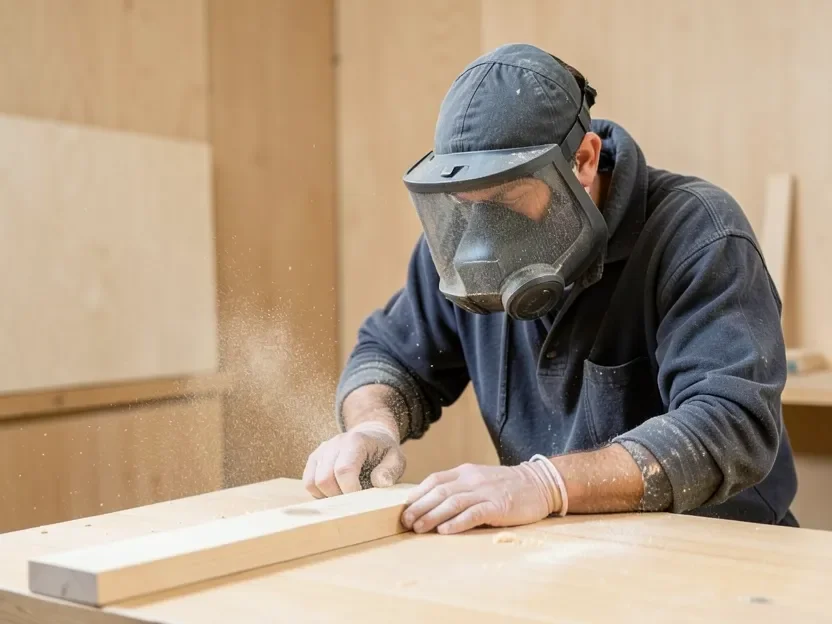
“Sapele is easily one of the best-smelling woods I’ve worked with — it has a scent reminiscent of spicy cinnamon that fills the whole workshop while I’m cutting it. But I still run the dust collector and wear a mask for it, same as anything else on the lathe.”
If you are new to identifying and choosing wood by more than just scent, our types of wood guide covers hardwoods, softwoods, and engineered wood in more depth, and our guide to fragrant wood for aromatherapy and relaxation goes further into which scented woods work best for that specific use.
FAQ
What wood is most fragrant?
Aromatic red cedar and sassafras are generally considered the most fragrant common woods, followed closely by sandalwood and camphor. Aromatic red cedar’s scent comes from natural oils called thujaplicins, while sassafras has a distinctive root-beer-like smell from safrole.
Does beech wood have a scent?
Yes, but it is subtle. Freshly cut beech has a mild, slightly sweet smell some compare to honey, much fainter than cedar, sassafras, or walnut.
What wood smells good when burned?
Fruit woods like apple and cherry, along with hickory and maple, are known for a sweet, pleasant smell when burned as firewood. Cedar and pine burn with a strong resinous smell but pop and spark more due to higher sap content, so they are less common for indoor fireplaces.
Is it safe to breathe cedar wood dust?
Not in quantity without protection. Western red cedar dust is a documented respiratory sensitizer that OSHA regulates more strictly than most other wood dust because repeated fine-dust exposure can trigger occupational asthma. Wear a proper dust mask or respirator and use dust collection when sanding or cutting any wood, cedar included.
Why does a wood’s smell fade over time?
The scent comes from volatile aromatic oils that release fastest at a freshly cut or sanded surface. Once that surface oxidizes from air exposure, the smell weakens, even though oils remain deeper in the wood — a light re-sanding restores much of the original scent.
Conclusion
Aromatic red cedar remains the best all-around choice for a genuinely pleasant, easy-to-source wood scent, with sassafras, black walnut, and cherry each worth seeking out for a different kind of fragrance. Whichever species you choose, remember the scent is strongest fresh from the blade or sandpaper — and wear a mask while you enjoy it.
Sponsored / affiliate links. As an Amazon Associate I earn from qualifying purchases. I may earn additional commission from eligible campaigns.