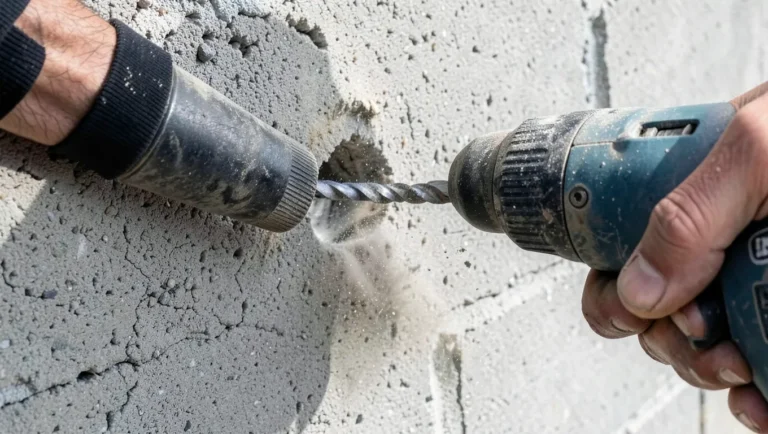
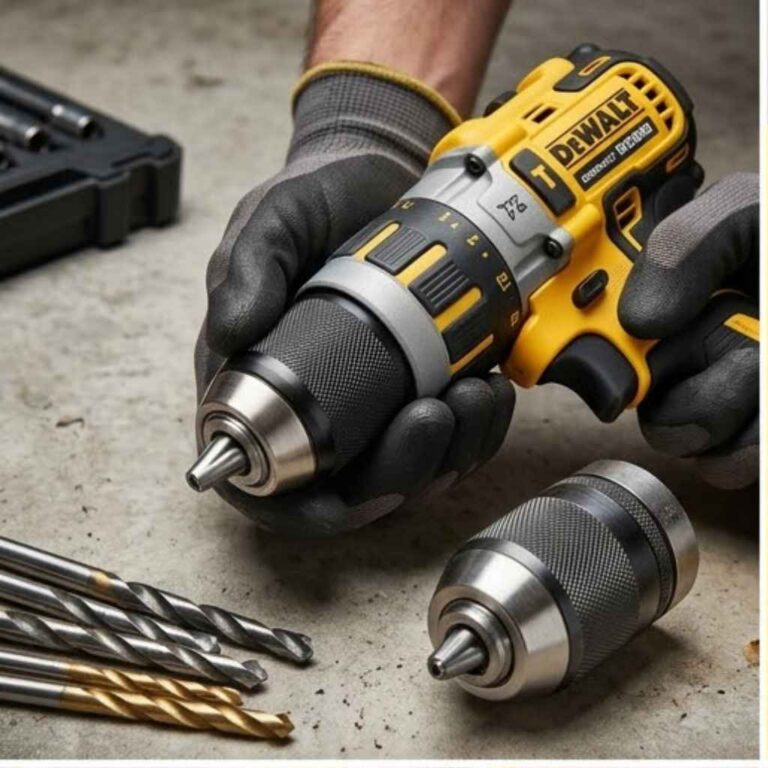
18V Vs 20V Drill: Which Offers More Power and Efficiency?
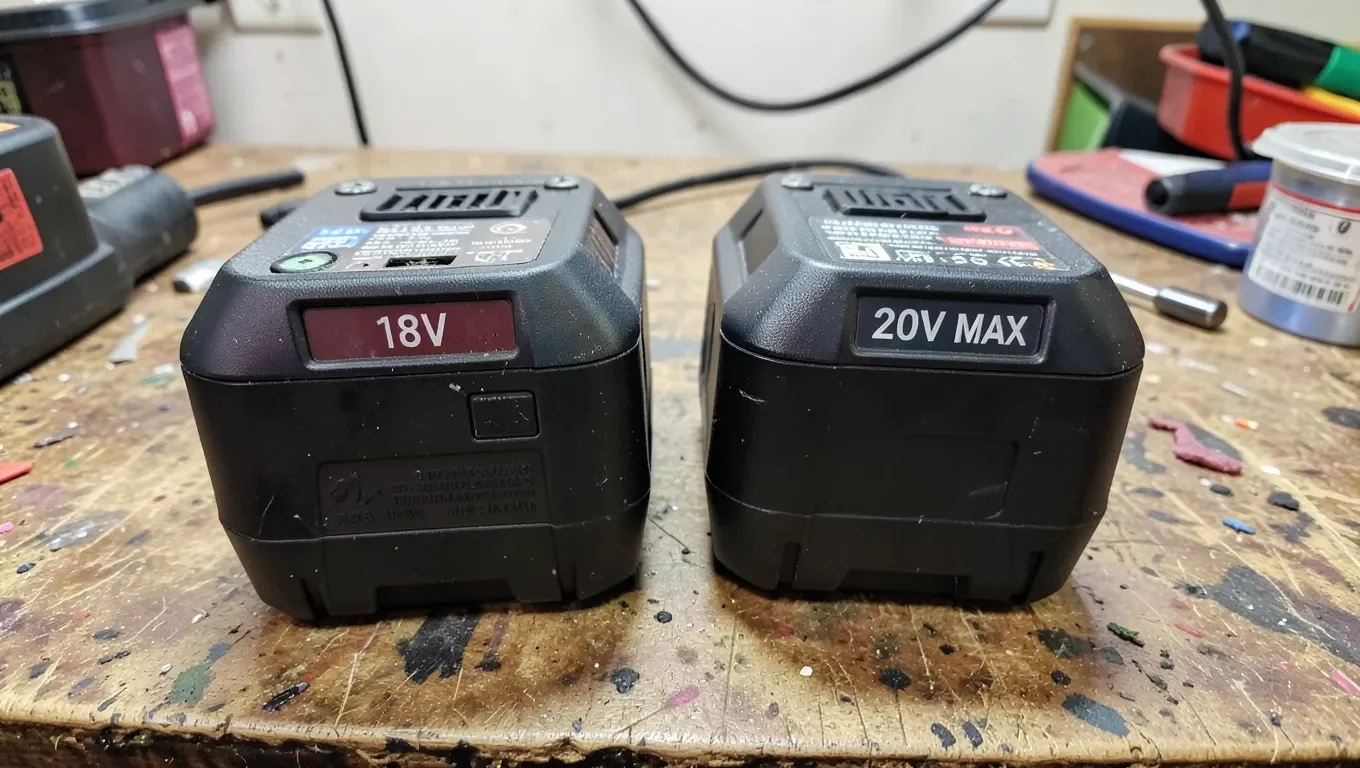
There is no meaningful power difference between an “18V” and a “20V MAX” drill from the same brand — they are the same battery platform, just measured two different ways. “20V MAX” is the battery’s peak voltage measured fully charged with no load; “18V” is the nominal (average, real-world operating) voltage of that exact same 5-cell lithium-ion pack. DeWalt, Milwaukee, and other brands switched their US labeling from nominal to peak voltage around 2013-2015 for marketing reasons, not because the battery changed.
Why The Numbers Are Different Labels For The Same Battery
Best Compact 20V MAX Drill
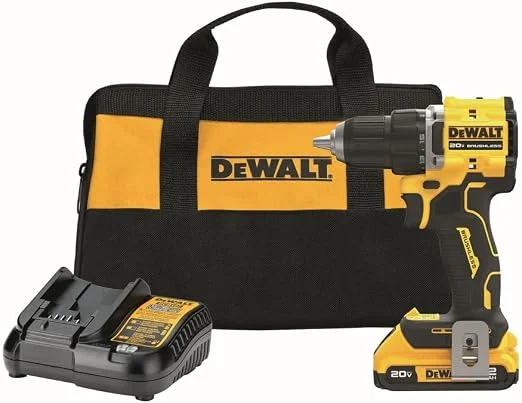 |
DEWALT ATOMIC 20V MAX Compact Drill Kit – $121.99 Brushless motor and real torque spec are what actually matter here, not the voltage label.
|
A standard 5-cell lithium-ion power tool battery has cells rated at 3.6V nominal and 4.0V peak (fully charged, no load) each. Multiply by 5 cells: 5 × 3.6V = 18V nominal, and 5 × 4.0V = 20V peak. Same cells, same pack, same real-world power output – just two different points on the same battery’s voltage curve. This is exactly why DeWalt’s own older “18V XR” tools and newer “20V MAX” tools from the same era use interchangeable batteries. The same labeling trick applies one tier down too – see our 12V vs 20V drill breakdown for how that comparison works.
What Actually Determines A Drill’s Real Power
- Amp-hours (Ah): A 2.0Ah battery and a 5.0Ah battery in the same “20V MAX” line run the same voltage but the 5.0Ah pack holds more charge and typically delivers more sustained current for demanding tasks.
- Brushless vs. brushed motor: A brushless motor is more efficient and typically delivers more real torque per volt than a brushed motor of the same voltage rating – this matters far more than the 18V vs 20V label.
- Torque rating (in-lbs): Listed directly on the tool’s spec sheet, this is the actual number to compare between two drills, not the battery’s voltage label.
- Chuck size and clutch settings: Affect what bits and materials the drill can realistically handle, independent of voltage labeling.
So Which Should You Buy?
If you’re comparing an “18V” tool and a “20V MAX” tool from the same brand and era, don’t use the voltage label to decide – compare the actual torque spec (in-lbs), motor type (brushless generally beats brushed), and battery amp-hours instead. If you’re comparing tools across different brands, the voltage labels aren’t even measuring the same thing consistently, so the spec sheet’s torque and RPM numbers matter even more.
When The Difference Isn’t Just Labeling
The one real exception: if you’re comparing a genuinely older 18V NiCad/NiMH tool (common before roughly 2010) against a modern 20V MAX lithium-ion tool, that’s a real generational difference – lithium-ion packs are lighter, hold charge longer when idle, and don’t suffer the “memory effect” that shortened old NiCad battery life. In that specific case, the newer 20V MAX tool is genuinely better, not just differently labeled.
Frequently Asked Questions
Is A 20V Or 18V Drill Better?
From the same brand and era, neither – they’re the same battery platform measured two different ways (18V nominal, 20V MAX peak). Compare actual torque spec, motor type (brushless vs brushed), and battery amp-hours instead of the voltage label.
Why Did DeWalt Go From 18V To 20V?
DeWalt (and other brands) switched their US labeling from nominal voltage (18V) to peak voltage (20V MAX) around 2013-2015 for marketing appeal, not because the battery chemistry or real power output changed. The underlying 5-cell battery platform is functionally the same.
Is An 18V Drill Good Enough?
Yes, for the vast majority of DIY and light-to-medium tasks – an 18V drill (nominal-voltage label) has the same real-world power as a same-era 20V MAX drill, since they’re the same battery platform.
Does A Higher Voltage Number Always Mean More Power?
No – only when comparing genuinely different battery generations (like old NiCad 18V tools vs modern lithium-ion 20V MAX tools) or different amp-hour/motor specs. Comparing the same-brand, same-era 18V vs 20V MAX label alone tells you nothing about real power.
Conclusion
An “18V” and a “20V MAX” drill from the same brand and era are the same battery platform – 18V is the nominal voltage, 20V is the peak voltage of the exact same cells. Skip the voltage label entirely when comparing tools and look at torque spec, motor type, and battery amp-hours instead – those are the numbers that actually predict real-world performance.
Sponsored / affiliate links. As an Amazon Associate I earn from qualifying purchases. I may earn additional commission from eligible campaigns.
 20V Cordless Drill, Electric Power Drill Set with Battery Charger and Carrying Case, 3/8” Keyless Chuck, 2 Variable Speed, 18+3 Torque, 72pcs Driver Bits and Belt Hook, Red
 20 Pack Battery Holders Tool Holders for Dewalt 20V Drill Tools,10pcs Tool Hangers and 10pcs Battery Holder Wall Mount(Yellow,70pcs Screws)