What is MDF Plywood: Ultimate Guide & Uses
Have you ever wandered down the aisles of your local hardware store, only to find yourself puzzled by the myriad of wood options available? One name that might have caught your attention is MDF plywood.
But what exactly is it, and why should you care? If you’re planning a DIY project, considering home renovations, or simply curious about different building materials, understanding MDF plywood can be a game changer. This material is not just a buzzword in the construction and design industries—it’s a versatile and cost-effective choice that could revolutionize your next project.
Curious to learn more? Dive into this article where we unravel the secrets of MDF plywood and explore why it might just be the perfect solution for your needs.
Credit: castacabinetry.com
MDF Plywood Basics
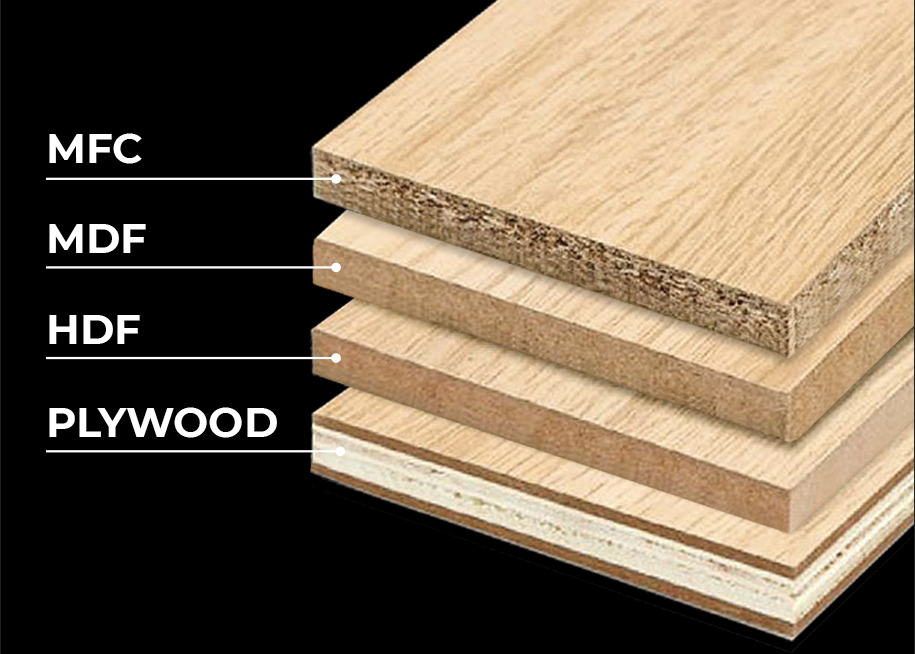
MDF plywood is a type of wood panel. It stands for Medium Density Fiberboard. MDF is made from wood fibers. These fibers are mixed with wax and resin. The mix is then heated and pressed. This creates strong, smooth boards. MDF is denser than regular plywood. It has a fine texture. It is also very smooth. This makes it good for painting.
The process starts with tiny wood fibers. These fibers are mixed with glue. They are then heated. Heat makes the glue sticky. Next, the mix is pressed hard. This forms a solid board. After pressing, the board is cooled. Cooling makes it hard. Then, the boards are cut. They are cut into different sizes. Finally, the boards are packed and sent to stores.
Advantages Of MDF Plywood
MDF plywood is often cheaper than solid wood. It offers great value for many projects. Using it can save money on building costs. It’s a budget-friendly choice for families. Builders love its affordable price.
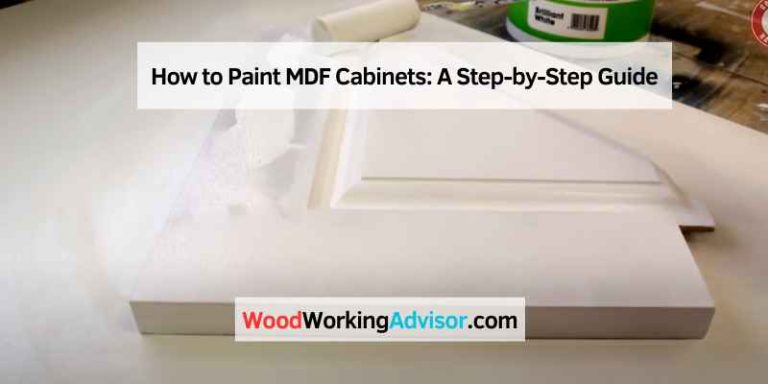
MDF provides a smooth surface perfect for painting. Artists enjoy this feature. It’s easy to apply different colors. No bumps or rough spots. Decorators can create beautiful designs with ease.
Many shapes and sizes are possible with MDF. Versatile design options are endless. Carving intricate patterns is simple. Home designers use it for creative ideas. It’s easy to cut into unique forms.
Common Uses Of MDF Plywood
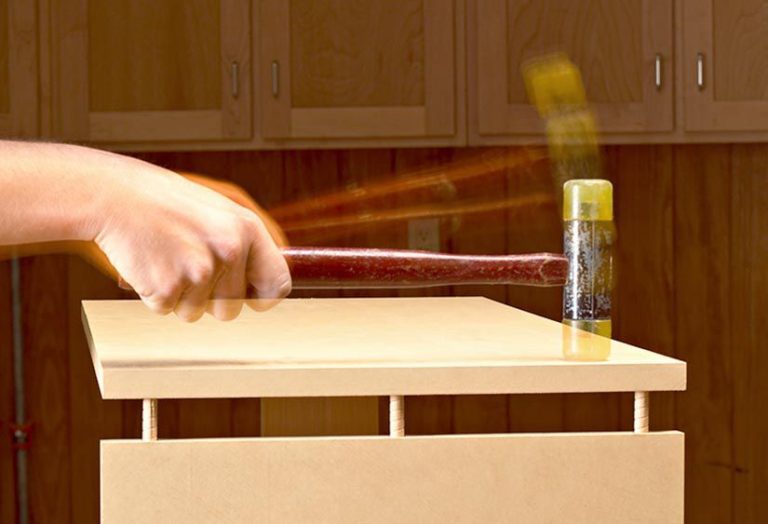
MDF plywood is great for making furniture. It is very strong and can hold heavy things. Many people use it to make tables, chairs, and beds. It is easy to cut and shape into different designs. This makes it a popular choice for furniture makers.
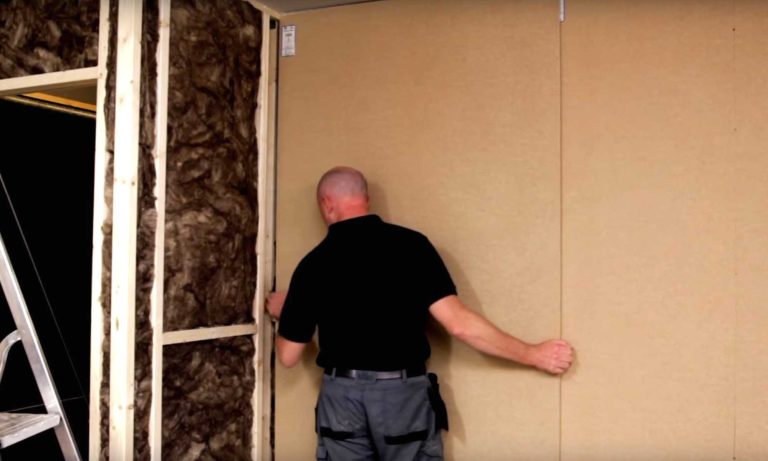
MDF plywood is used in interior decoration. It helps to create beautiful wall panels and ceilings. Its smooth surface is easy to paint. This allows for creative and colorful designs. Many decorators like using it for these reasons.
This plywood is perfect for making cabinets. It is durable and lasts a long time. People use it in kitchens and bathrooms. It is easy to clean and maintain. Cabinets made from MDF plywood look very neat and tidy.
Comparing MDF With Other Types
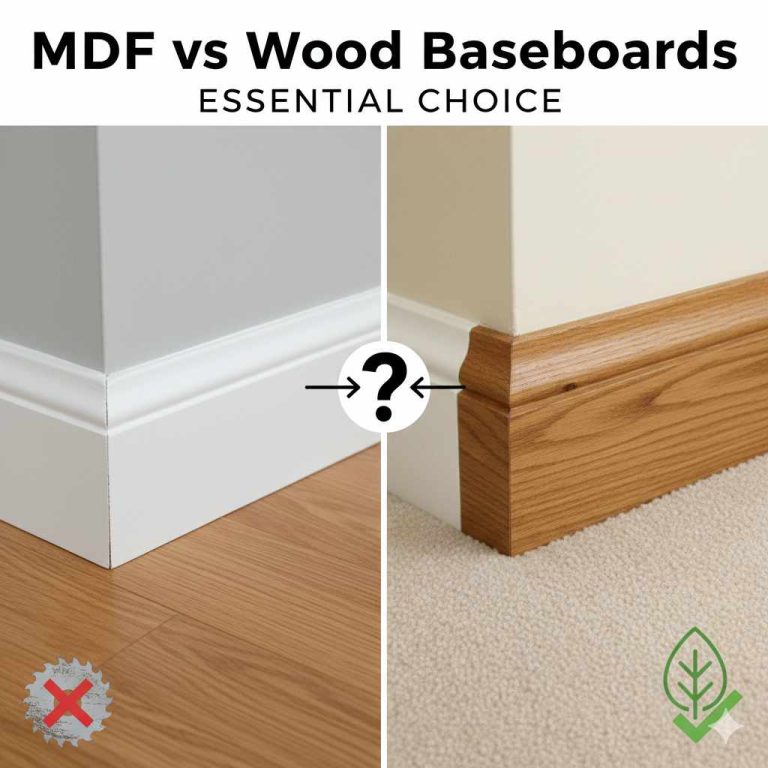
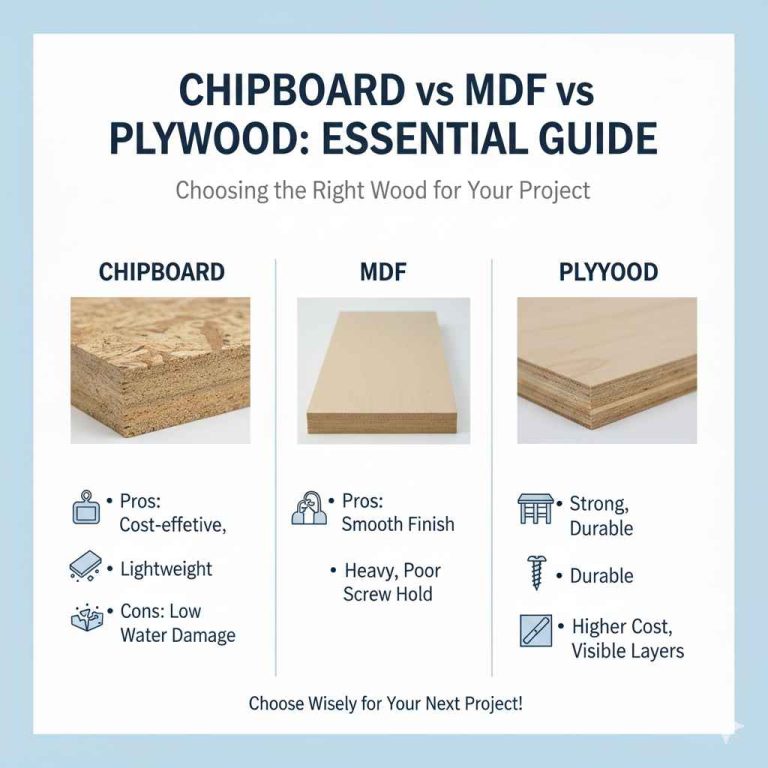
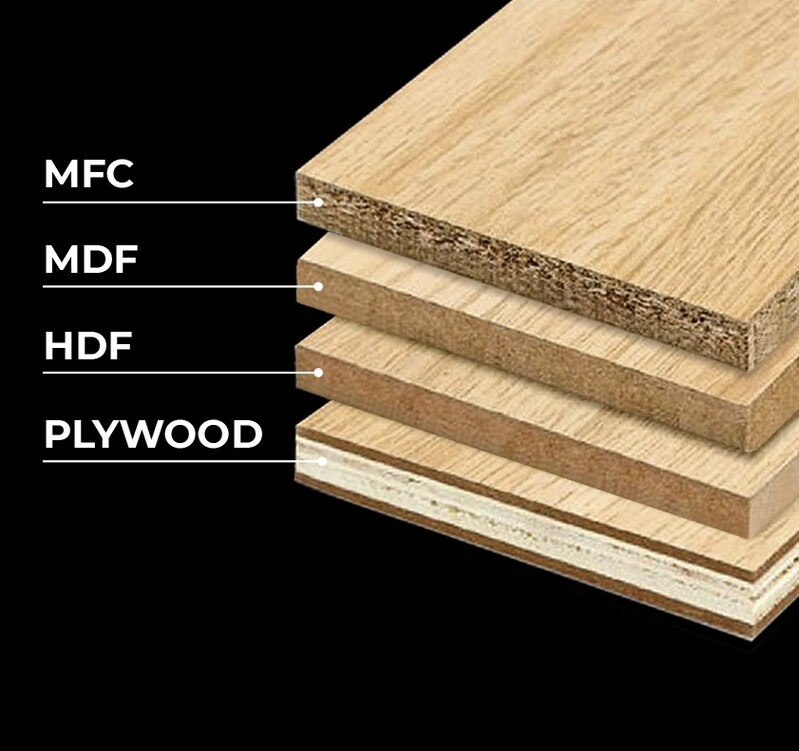
MDF is made from wood fibers and glue. It is very smooth. Solid wood is natural and strong. It has unique grain patterns. MDF is cheaper. Solid wood is more expensive. MDF is easy to paint. Solid wood can be stained. MDF does not crack easily. Solid wood can warp or crack. MDF is heavier than solid wood. Solid wood is lighter.
MDF and particle board both use wood fibers. MDF is denser. Particle board is lighter. MDF has a smooth surface. Particle board is rougher. MDF is stronger. Particle board can break easily. MDF is easy to cut. Particle board can chip. MDF is better for painting. Particle board absorbs paint. MDF is often used for cabinets. Particle board is used for furniture.
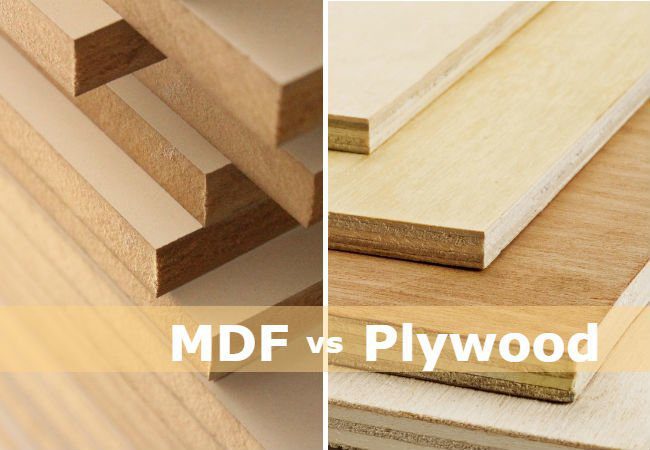
MDF and plywood are both popular. MDF is made from wood fibers. Plywood has layers of wood. MDF is smooth and uniform. Plywood has visible grain. MDF is heavier. Plywood is lighter. MDF is easy to paint. Plywood can be stained. MDF is cheaper. Plywood is more expensive. MDF can swell if wet. Plywood is more water-resistant.
Care And Maintenance
MDF plywood combines wood fibers with resin, forming a dense, smooth surface. Regular cleaning keeps it looking new. Protect from moisture and direct sunlight to prevent damage.
Cleaning Tips
Dusting with a soft cloth keeps MDF plywood clean. Use water and mild soap for stains. Avoid soaking the wood. Dry with a towel quickly. Spills can harm the surface. Wipe them off right away.
Preventing Damage
Keep MDF plywood away from water. Moisture can cause swelling. Protect the wood from direct sunlight. Sun can cause color fade. Use coasters under cups. Heat can damage the surface. Avoid heavy objects on the plywood. They can leave dents.
Environmental Considerations
MDF plywood offers a versatile option for construction projects. Its production involves using wood fibers and resin, which raises environmental concerns. Sustainable sourcing and responsible manufacturing can help reduce its ecological impact.
Sustainability Factors
MDF plywood is crafted from wood fibers and resins. It uses sustainable resources to protect forests. Manufacturers aim to reduce waste. They use recycled wood and other materials. This helps save trees. It also reduces landfill waste. Energy-efficient methods are used in production. This cuts down on pollution. MDF plywood often comes from certified sources. These sources ensure responsible forest management. Sustainability is a key focus for many makers. They work to create eco-friendly products.
Recycling And Disposal
MDF plywood can be recycled. Recycling saves resources. It keeps waste out of landfills. Special programs help collect MDF waste. These programs ensure proper disposal. MDF can be used again. It becomes new products or energy. Proper disposal is vital. Some MDF contains resins that need careful handling. Always check local guidelines for disposal. Safe disposal protects the environment. It ensures clean air and water for everyone.
Credit: www.trishultimber.com
Frequently Asked Questions
Is MDF Better Than Plywood?
MDF is smoother and easier to paint, but plywood is stronger and more durable. Choose MDF for indoor projects requiring a smooth finish. Opt for plywood for structural strength and outdoor use. Your decision depends on the specific project needs and environmental conditions.
What Are 3 Disadvantages Of MDF?
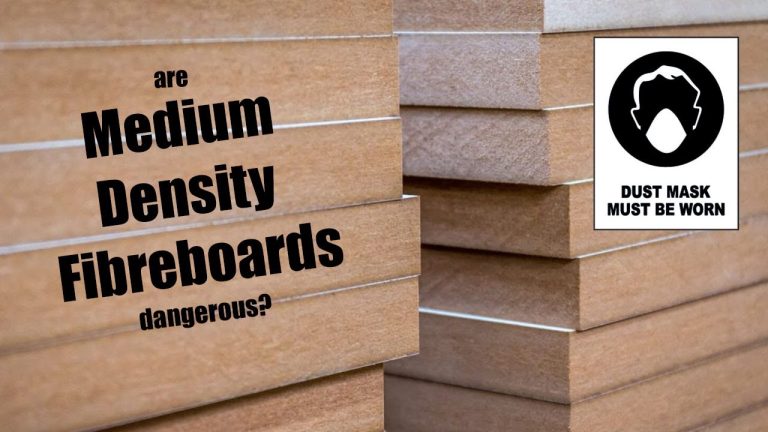
MDF lacks water resistance and can swell when exposed to moisture. It is less durable than solid wood, leading to easier damage. MDF releases formaldehyde, posing health risks if not properly sealed.
What Is MDF Plywood Used For?
MDF plywood is used for furniture, cabinetry, and decorative projects. It provides a smooth surface for painting. It is ideal for indoor applications due to its uniform density. MDF plywood is also used in shelving and paneling because of its durability and affordability.
Is MDF Plywood Water Resistant?
MDF plywood is not inherently water-resistant. It absorbs moisture easily, causing swelling and damage. For better water resistance, choose specially treated MDF or use waterproof coatings. Always check product specifications for water-resistant properties before purchase.
Conclusion
MDF plywood offers a versatile option for many projects. It’s affordable, easy to work with, and available in various sizes. Perfect for furniture, cabinetry, and more. Its smooth surface allows for easy painting or veneering. MDF plywood is less prone to warping than solid wood.
Always ensure proper sealing to prevent moisture damage. Consider your project needs when choosing materials. MDF plywood might be the right choice for you. Simple, reliable, and effective. Ideal for both beginners and professionals alike. Make sure to explore its possibilities today.