Does MDF Give Off Fumes? Formaldehyde Risks Explained
Yes, MDF gives off fumes, mainly formaldehyde released from the resin binder holding its wood fibers together, strongest in the first few weeks after a board is cut, sanded, or freshly installed. Exposure above the EPA’s formaldehyde limit for composite wood can irritate your eyes and airways over time. This guide covers what causes the smell, the real health risks, current emission standards, and how to cut your exposure fast.
MDF Composition
Best MDF Fume Protection Pick

3M OV/P100 Organic Vapor Respirator – $32.15
Pairs an organic-vapor cartridge with a P100 particulate filter, so it catches both MDF dust and the formaldehyde fumes this guide covers — a basic dust mask only handles the dust half.
- Best for: cutting or sanding MDF indoors without full ventilation
- Why we picked it: the only pick here rated for organic vapor, not just particulates
- Main drawback: cartridges need periodic replacement and cost more upfront
Compare more MDF dust and fume protection options
 Option 1 BASE CAMP M PRO Dust Mask – $22.99
|
 Option 2 GVS Elipse P100 Respirator – $59.12
|
 Option 3 AirGearPro G-500 Respirator – $39.99
|
This post contains affiliate links. As an Amazon Associate, we earn from qualifying purchases at no extra cost to you.
MDF, or Medium Density Fiberboard, is made from wood fibers. These fibers are mixed with wax and a resin binder. The combination creates a solid and smooth board. It’s often used for furniture and cabinets.
The wood fibers in MDF come from different types of wood. The resin binder usually contains formaldehyde. Formaldehyde helps in making the board strong. But it can cause fumes to release over time.
During the manufacturing process, the mixture is heated and pressed. This makes the board dense and durable. The pressing and heating help bind the fibers together well.
Fumes And Off-gassing
Off-gassing happens when materials release fumes. These fumes can be from chemicals. MDF can release these fumes. The fumes are called volatile organic compounds or VOCs. They can affect air quality. It’s important to know about these fumes. They can irritate eyes or lungs. MDF is often used in furniture. Understanding off-gassing helps keep safe indoors.
MDF emits different gases. One common emission is formaldehyde. Formaldehyde is a chemical. It can be harmful in large amounts. MDF can also release other VOCs. These VOCs can smell bad. They might cause headaches or dizziness. Airing out rooms can reduce these effects. It’s good to know what MDF emits. This helps in making safe choices at home.
Health Implications
MDF can give off fumes. These fumes can cause short-term problems. Irritation of the eyes and nose is common. Headaches might occur too. Some people might feel dizzy. Skin contact can cause a rash. It’s important to have good ventilation. Fresh air helps reduce these effects.
Long-term exposure to MDF fumes can be more serious. Breathing in these fumes over time can affect lungs. It might lead to asthma or other breathing problems. Some studies suggest a link to cancer. It’s important to work in a well-ventilated area. Wearing a mask can help protect the lungs. Keeping exposure low is wise.
Regulations And Standards
Emission Standards for MDF are important to keep air safe. MDF, or Medium-Density Fiberboard, can release fumes. These fumes are called formaldehyde emissions. Many countries have rules to limit these emissions. These rules protect our health and environment.
Various Regulatory Agencies Involved help enforce these rules. In the United States, the Environmental Protection Agency (EPA) plays a key role. They make sure that MDF products meet safety standards. In Europe, the European Union has its own set of standards. They are known as the E1 standard. This limits the amount of formaldehyde in MDF products.
Other countries have similar agencies. They work to ensure MDF is safe to use in homes and buildings. These rules help keep us safe from harmful fumes.
Reducing Exposure
Fresh air is very important. MDF can release fumes. These fumes can be bad for health. Always open windows when working with MDF. Use fans to keep air moving. Make sure the room has good ventilation. This helps to keep the air clean and safe.
There are low-emission MDF choices. These are safer to use. They release fewer fumes. Look for labels that say “low emission“. Check for products with certifications. They are better for the environment and health. Choosing these options can help reduce exposure to harmful chemicals.
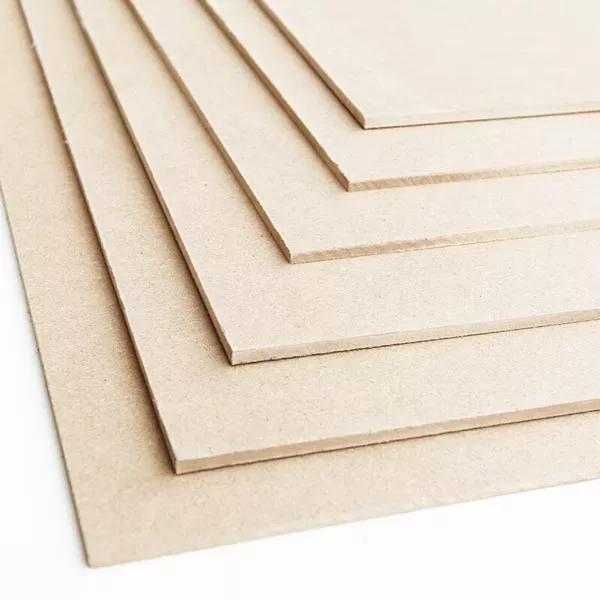
Credit: www.yodean-decor.com
Alternatives To MDF
Bamboo and reclaimed wood are great eco-friendly choices. They do not give off fumes. Bamboo grows fast, which helps the environment. Reclaimed wood comes from old buildings. This reduces waste. Cork is another option. It is soft and renewable. Plywood is also better than MDF. It has fewer chemicals.
| Material | Durability | Cost |
|---|---|---|
| Bamboo | High | Medium |
| Reclaimed Wood | Very High | Varies |
| Cork | Medium | Low |
| Plywood | High | Low |
Future Of MDF Production
Material science is bringing big changes to MDF. New ways to make MDF are being explored. Scientists are finding ways to make it stronger and safer. New chemicals may be used to lower fumes. This helps in making MDF healthier for homes. Improved production methods can also make MDF last longer. These changes are exciting for the future.
People care more about the environment now. MDF producers are using more sustainable methods. They look for eco-friendly materials. Some factories use less energy and water. This makes MDF greener. By reusing old wood, waste is cut down. These steps help in protecting our planet. Sustainability is the way forward for MDF.
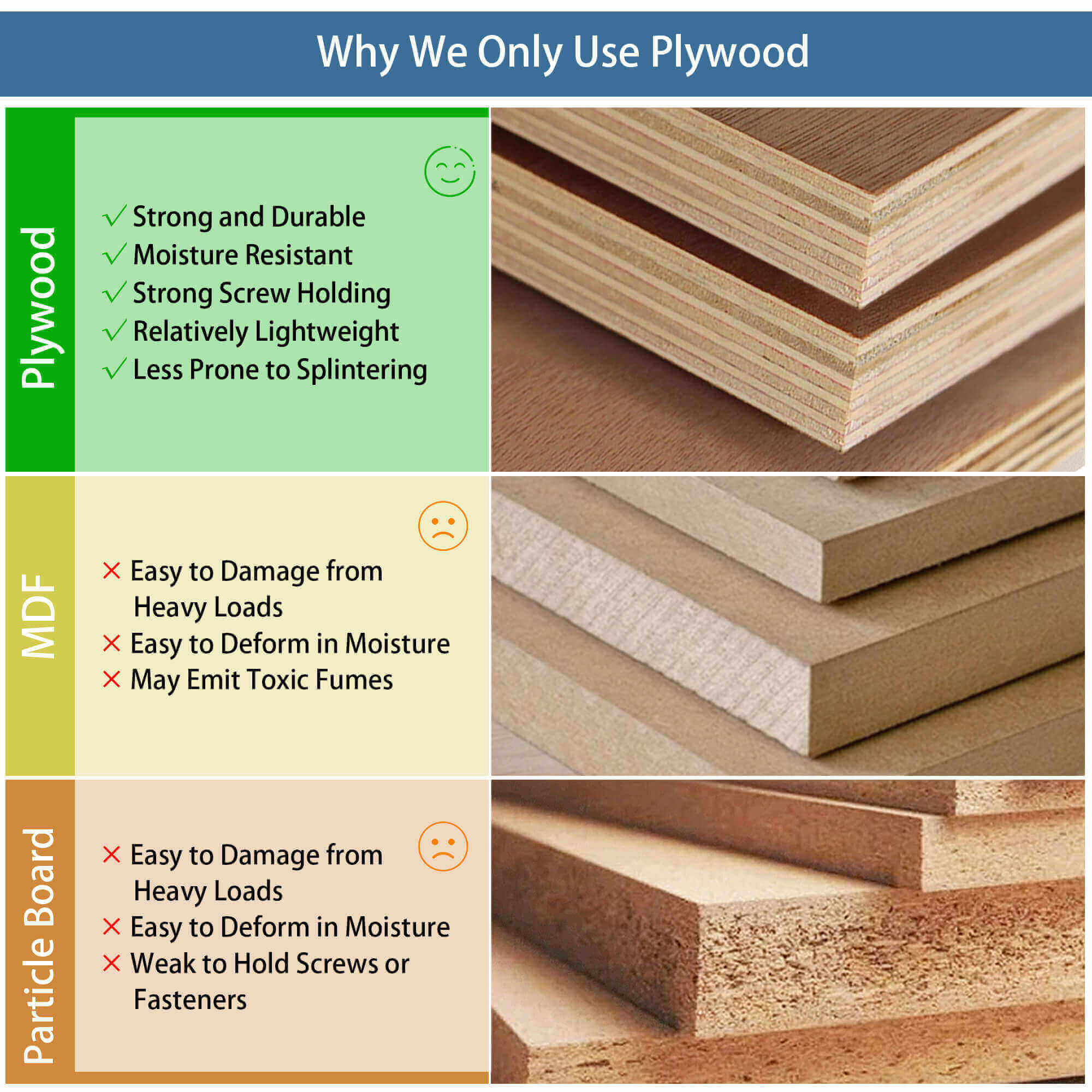
Credit: floativa.com
Frequently Asked Questions
Is MDF Safe To Breathe?
Breathing MDF dust can be harmful. It contains formaldehyde, which may cause respiratory issues. Always wear protective masks when cutting or sanding MDF to reduce exposure. Ensure proper ventilation in work areas. Prioritize safety to minimize health risks associated with MDF dust inhalation.
Is The Smell Of MDF Bad For You?
MDF can release formaldehyde gas, which may cause irritation and health issues. Proper ventilation reduces risks. Choose low-formaldehyde MDF for safety.
Is MDF Safe For Indoor Use?
MDF is generally safe for indoor use if properly sealed and finished. It can release formaldehyde, so ensure adequate ventilation. Choose MDF products that comply with safety standards for minimal risk. Always follow manufacturer guidelines for installation and maintenance to ensure a safe environment.
How Long Does It Take MDF To Offgas?
MDF typically offgases for a few weeks to several months. Proper ventilation reduces exposure to formaldehyde emissions. These emissions can be minimized with sealants or low-emission MDF options. Always ensure adequate airflow to improve indoor air quality during the offgassing period.
Conclusion
Understanding MDF fumes is crucial for health and safety. Yes, MDF can release fumes. These fumes come from the formaldehyde in the glue. Ventilation can reduce fume exposure significantly. Choose low-formaldehyde MDF for safer options. Always work in a well-ventilated space.
Wear masks if necessary for added protection. Be mindful of the environment where you use MDF. It’s essential to stay informed and cautious. Your health should always be a priority. Make educated choices when using MDF in your projects. This ensures safety and peace of mind.
Sponsored / affiliate links. As an Amazon Associate I earn from qualifying purchases. I may earn additional commission from eligible campaigns.
 MECCANIXITY MDF Wood Board for Crafts,3/18"(4mm) Thick Medium Density Fiberboard Unfinished Wood for DIY Projects, Art Classes, Carpentry, Painting (12 x 16 in,2Pcs)
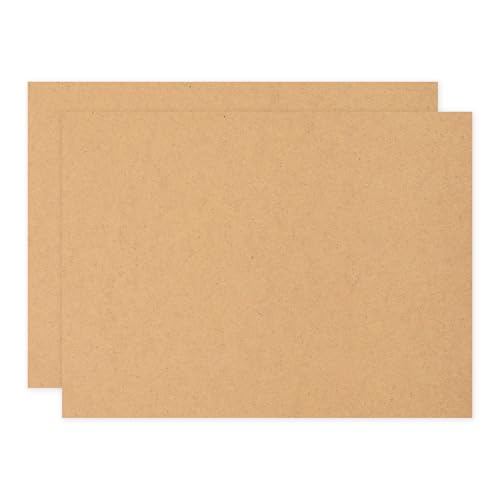 MECCANIXITY MDF Wood Board for Crafts,1/12"(2mm) Thick Medium Density Fiberboard Unfinished Wood for DIY Projects, Art Classes, Carpentry, Painting (12 x 8 in,2Pcs)