What is the Best Polyurethane for Hardwood Floors: Expert Guide
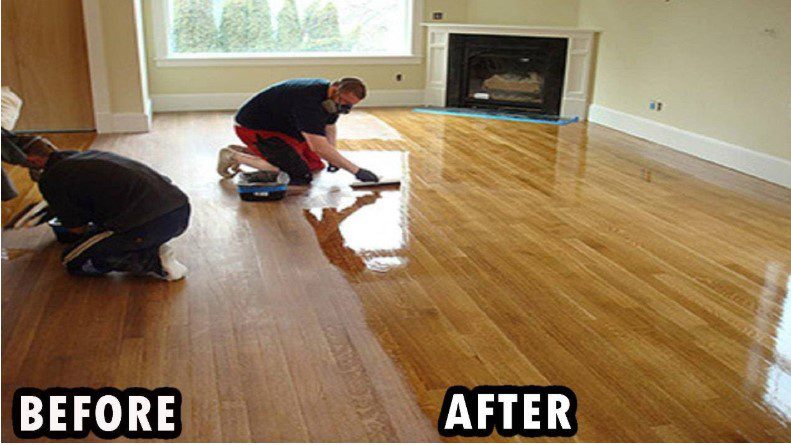
Are you ready to give your hardwood floors the shine and protection they deserve? Choosing the right polyurethane can make all the difference.
But with so many options out there, how do you know which one is the best for your floors? The secret lies in understanding what each type of polyurethane offers and matching it to your specific needs. Imagine your floors gleaming beautifully while being shielded from scratches and wear.
Intrigued? We’ll dive into the best polyurethane options for hardwood floors, unraveling the secrets to achieving that perfect finish. Your floors are about to transform—keep reading to discover how!
Types Of Polyurethane
Oil-based polyurethane is tough and durable. It makes floors shiny and rich. This type is easy to apply. It is also long-lasting. It has a strong smell. It takes more time to dry. It is good for high traffic areas. Some people love its classic look. It can make wood look yellow. It can hide scratches well. It is great for old wood floors. You need to open windows for air when using it.
Water-based polyurethane dries fast. It has a clear finish. It does not change wood color. It has less smell. It is better for the environment. It is easy to clean up. It is not as tough as oil-based. It is good for low traffic areas. It is perfect for light wood. It keeps wood looking natural. It is great for those sensitive to smells.
Credit: www.paneltown.com
Factors To Consider
Polyurethane makes floors strong and lasting. Water-based types dry fast. Oil-based types resist scratches well. Some are good for high traffic areas. Others suit quiet rooms. Choose what fits your needs. Durability is key for lasting beauty.
Polyurethane can make floors shiny or matte. Water-based polyurethane is clear. It shows the wood’s real color. Oil-based polyurethane adds warmth and depth. It can darken the wood a bit. Think about how you want your floor to look. Appearance matters for style.
Some polyurethane types are easy to use. Water-based ones dry quickly. They have less smell. Oil-based types need more time. They can smell strong. Read the instructions. Follow them for best results. Ease of application helps in choosing the right type.
Comparing Oil-based And Water-based
Oil-based polyurethane gives a rich look. The finish is durable and lasts longer. It offers better protection against scratches. Drying takes more time. The smell is strong. Cleaning requires special solvents.
Water-based polyurethane dries quickly. It has a mild odor. Cleaning needs only water. The finish is clear and doesn’t change wood color. It is less durable than oil-based. Scratches appear sooner. Perfect for light-colored floors.

Credit: www.youtube.com
Application Techniques
Choosing the best polyurethane ensures lasting protection for hardwood floors. Water-based options dry quickly and resist yellowing. Oil-based versions provide a rich finish and deep penetration.
Preparation Of Hardwood Floors
Clean the floor thoroughly. Remove all dirt and dust. Sand the floor gently. Make it smooth for better results. Vacuum the floor again. Ensure no dust is left. Use a damp cloth to wipe the surface. This removes tiny particles. Let the floor dry completely. Check for any missed spots. Repeat the process if needed. Inspect the floor for damages. Repair any cracks or holes. Preparation is key for a good finish.
Applying Polyurethane
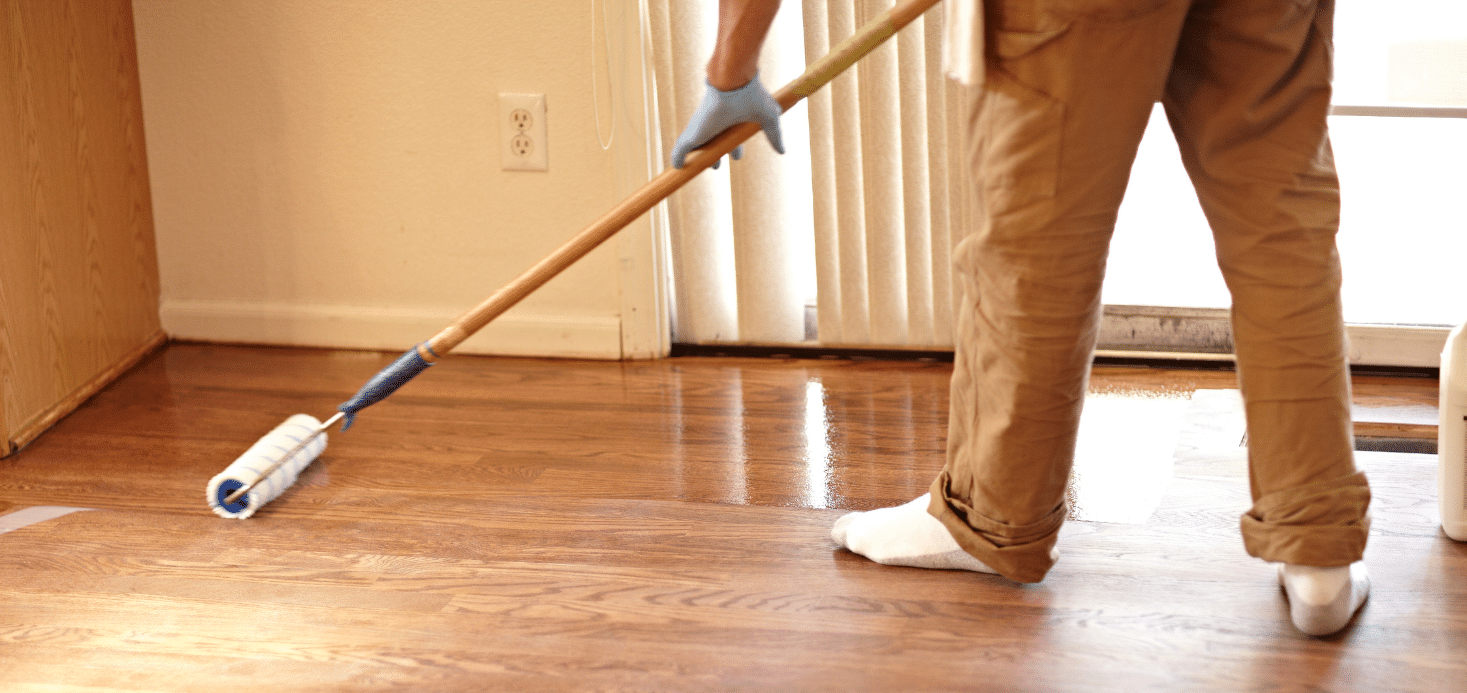
Choose a good brush or roller. Start at the corner of the room. Apply a thin layer of polyurethane. Move the brush in long strokes. Let it dry for a few hours. Check the floor for bubbles. Sand lightly if needed. Apply a second coat. Repeat the drying and sanding process. Three coats are often best. Patience ensures a shiny floor.
Maintenance Tips
Use a soft mop to clean hardwood floors. Avoid using too much water; it can damage the wood. Dust regularly to keep floors shiny. A vacuum with a hardwood setting works well. Choose a gentle cleaner made for wood surfaces. Harsh chemicals can ruin the finish. Spot clean spills quickly to prevent stains. Buff the floor with a dry cloth for extra shine.
Apply new polyurethane every few years. This keeps floors protected. Check for scratches and wear signs. Sand lightly before reapplying. Use a brush or roller for smooth application. Let it dry fully before walking on it. Good maintenance makes floors last longer. Follow the manufacturer’s guidelines for best results.
Credit: www.paneltown.com
Expert Recommendations
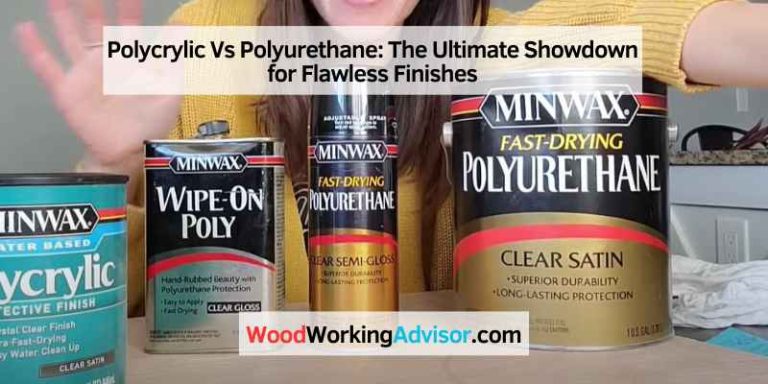
Many brands offer top polyurethanefor hardwood floors. Minwaxis loved by experts. It offers a smooth finish. Bonais another favorite. It dries fast and lasts long. Varathaneis also well-regarded. It gives a rich look to floors. Each brand has unique benefits. Choosing depends on your needs.
Selecting the right finish can be tricky. Consider how much shineyou want. Some prefer a matte finish. Others love a glossy look. Think about durability. High traffic areas need tougher finishes. Water-basedfinishes dry quickly. They are less smelly. Oil-basedfinishes are stronger. They take longer to dry. Your choice depends on your floor typeand personal taste.
Common Mistakes To Avoid
Choosing the wrong polyurethane can damage hardwood floors. Avoid using oil-based polyurethane on light-colored woods. Improper application may lead to bubbles and an uneven finish.
Incorrect Application
Many people apply polyurethane unevenly. This leads to a bad finish. Smooth and even strokes are essential. Brush marks can ruin the look. Over-brushing is another mistake. This can cause bubbles. Bubbles make the surface rough. Temperature affects the drying time. Warm areas dry faster. Cold areas slow it down. Plan your work accordingly.
Ignoring Manufacturer Instructions
Some ignore the manufacturer’s instructions. This is risky. Instructions provide vital details. Mixing ratios must be correct. Wrong ratios lead to poor results. Drying time is important. Rushing can damage the floor. Safety tips are often included. These protect you during application. Always read the label. Follow each step carefully.
Frequently Asked Questions
Which Polyurethane Is Best For Wood Floors?
Oil-based polyurethane is best for wood floors, offering durability and a rich finish. It resists scratches and enhances wood grain. Water-based polyurethane dries faster, with lower odor and a clear finish, ideal for light-colored woods. Choose based on desired finish and durability needs.
Which Is Better, Water Or Oil-based Polyurethane For Hardwood Floors?
Water-based polyurethane dries faster and has less odor, making it ideal for light-colored woods. Oil-based polyurethane offers durability and a rich finish for darker woods. Choose based on your preference for drying time, color enhancement, and ease of application. Both options protect and enhance hardwood floors effectively.
Is Satin Or Semi Gloss Polyurethane Better For Hardwood Floors?
Satin polyurethane offers a subtle, classic look and hides scratches better. Semi-gloss provides a shinier finish, enhancing wood grain visibility. Choose based on desired appearance and maintenance preference. Both offer durability and protection for hardwood floors.
What Is The Downside Of Oil-based Polyurethane On Wood?
Oil-based polyurethane yellows over time, altering wood color. It emits strong fumes during application. Drying time is longer, requiring patience. Cleanup involves harsh chemicals like mineral spirits. It’s not eco-friendly, impacting indoor air quality. Multiple coats can be needed for durability, increasing time and effort.
Conclusion
Choosing the right polyurethane enhances your hardwood floor’s beauty and durability. Consider factors like finish type, ease of application, and drying time. Oil-based options offer rich colors. Water-based choices dry faster and are less odorous. Each type has unique benefits.
Think about your specific needs and preferences. Budget matters too. Test small areas before full application. This ensures satisfaction with the result. Your floors deserve the best care. Proper polyurethane enhances their longevity. Enjoy beautiful, long-lasting hardwood floors with the right choice.
Your home will shine with elegance and warmth.