Is Polyurethane Oil-Based? The Real Chemistry (And How to Tell)
Yes – most polyurethane wood finish is oil-based. It’s an alkyd resin (a synthetic polyester) blended with a natural drying oil, not a pure oil like tung or linseed oil. That blend is exactly what gives it the deep amber color, the strong solvent smell, and the slow, oxygen-driven cure that water-based polyurethane doesn’t have.
Polyurethane comes in two main forms sold at any hardware store: oil-based and water-based. Both protect wood, but the chemistry underneath is genuinely different, and that difference is why one yellows over time, cures in 30 days instead of a week, and needs mineral spirits instead of soap and water for cleanup. Below is the actual chemistry, a 10-second test to tell the two apart if the can’s label is gone, and honest pros and cons for each.
What “Oil-Based” Actually Means
Best Oil-Based Polyurethane Pick
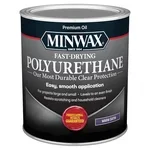 |
Minwax Fast-Drying Polyurethane, Warm Satin, 1 Quart – $15.97 A true oil-based, alkyd-resin polyurethane – the classic amber-toned finish this whole article is about, in the most common quart size for furniture and small projects.
|
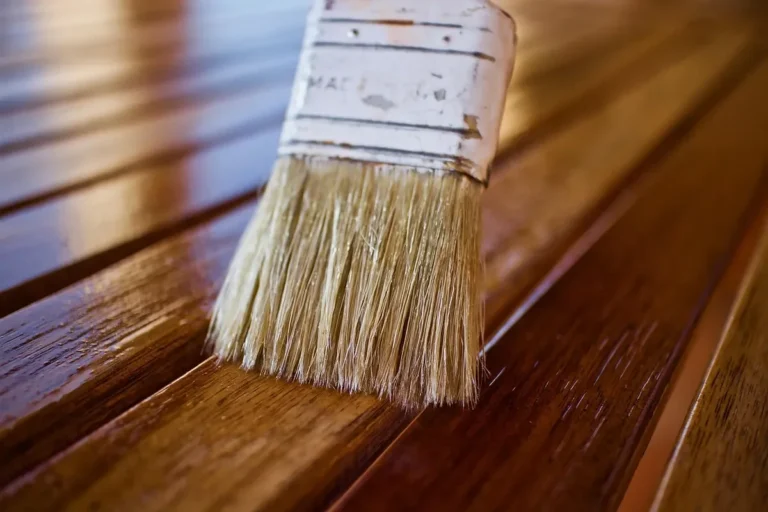
Here’s the part most articles skip: “oil-based polyurethane” isn’t a pure oil finish like tung oil or boiled linseed oil. It’s a varnish – an alkyd resin (itself made from plant oil and a synthetic acid) that’s further modified with a drying oil such as soybean or linseed oil, plus solvents and metal-based drying agents. The oil in the name refers to that modification, not the bulk of the can. A true oil finish soaks into the wood and never forms much of a surface film; oil-based polyurethane does the opposite – it cures into a hard plastic-like film sitting on top of the wood, which is why it protects against scratches and spills so much better than oil alone.
The Chemistry: Alkyd Resin, Not Just Oil
The main ingredient is alkyd resin, a polyester created by reacting plant oils with alcohols and acids. Manufacturers add a urethane-modified polymer to that base for extra toughness, mineral spirits to keep it liquid enough to brush, and cobalt- or zirconium-based drying agents to speed up hardening. None of that shows up on the front label, but it’s why oil-based polyurethane behaves so differently from a straight oil finish: the resin backbone is what forms the hard film, and the oil component is what lets it cure by reacting with oxygen instead of just evaporating.
Where Else Polyurethane Shows Up
Wood finish is only one use for polyurethane chemistry. The same family of polymers shows up as foam in mattresses and car seats, as rigid foam insulation in walls, as the flexible sole on a pair of sneakers, and as the sealant caulked around tubs and windows. Those versions are formulated completely differently from the brush-on varnish covered here, but they share the same core reaction: diisocyanates reacting with polyols to form a urethane linkage. For woodworking, the only versions that matter are the oil-based and water-based finishes sold as “polyurethane” or “poly” at any hardware store.
Oil-Based vs. Water-Based Polyurethane: Full Comparison
Whether you’re refinishing an antique, sealing hardwood floors, or top-coating new furniture, the choice comes down to five practical differences. Oil-based wins on durability and warmth; water-based wins on speed, smell, and cleanup.
| Factor | Oil-Based Polyurethane | Water-Based Polyurethane |
|---|---|---|
| Color | Ambers noticeably; deepens further with age and UV light | Dries clear; keeps light woods light |
| Durability | Harder, more scratch- and chemical-resistant film | Good, but softer and more prone to marring than oil-based |
| Dry time between coats | Around 24 hours | 2-4 hours, often 2-3 coats in one day |
| Full cure time | Up to 30 days | 7-14 days |
| Odor / VOCs | Strong solvent smell; higher VOCs, needs ventilation | Mild odor; lower VOCs |
| Cleanup | Mineral spirits | Soap and water |
Both types protect equally well against everyday spills once fully cured – the real trade-off is warmth and toughness (oil-based) versus speed, low odor, and a color-true finish (water-based). Neither is objectively “better”; it depends on the wood tone you want and how much time you have between coats.
How to Tell If a Finish Is Oil- or Water-Based (No Label Needed)
This comes up constantly when refinishing an older piece with no can or original documentation. Two quick checks settle it almost every time:
- The acetone/nail-polish-remover test: Dab a little acetone or nail polish remover on a hidden spot and rub gently with a cloth. If the finish gets tacky, softens, or comes off onto the cloth, it’s water-based. Oil-based polyurethane is chemically cured and largely unaffected by acetone once it’s dry.
- The color and smell check: A warm amber or honey tint under good light almost always means oil-based; a finish that looks nearly colorless and clear is almost always water-based. Oil-based poly also keeps a faint solvent smell for days after application, even once it’s dry to the touch.
Knowing which one you have matters beyond curiosity – stripping and recoating go differently depending on the type, and mixing the two without dewaxing/scuffing between coats can cause fisheyeing or poor adhesion.
Applying Oil-Based Polyurethane
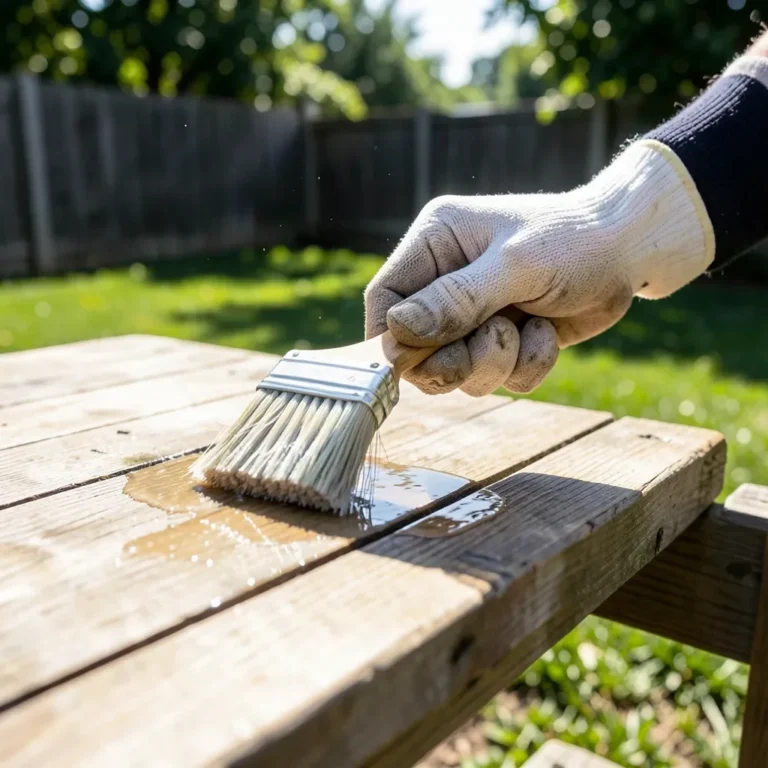
Oil-based polyurethane can be brushed or sprayed. Brushing is the more forgiving, lower-cost option for furniture-sized projects; spraying gives a flawless, brush-mark-free finish but needs equipment and ventilation.
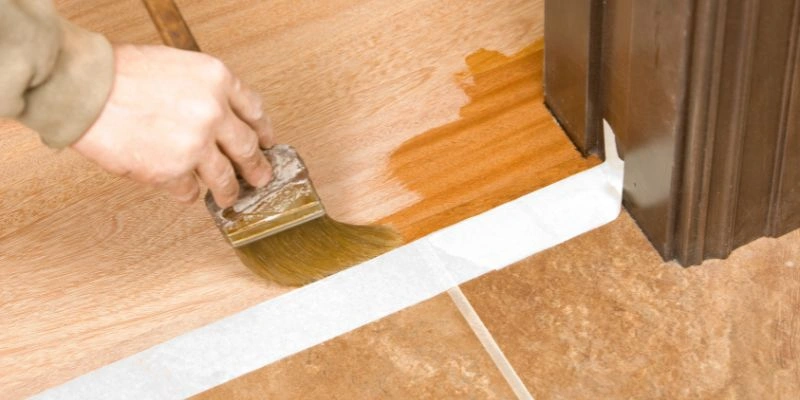
Brushing
- Use a natural-bristle brush – synthetic bristles work fine for water-based poly but don’t hold oil-based finish as evenly.
- Stir gently; never shake, or you’ll introduce bubbles that dry into the finish.
- Load about a third of the bristle length and apply in long strokes with the grain.
- Let each coat dry a full 24 hours, then scuff-sand with 220-grit paper and wipe away dust before the next coat.
- Plan on 3 coats for furniture, 3-4 for floors.
Spraying
- Thin the polyurethane per the can’s instructions – unthinned oil-based poly is usually too viscous to spray evenly.
- Test the spray pattern on cardboard before touching the actual project.
- Hold the gun 6-12 inches from the surface and keep it moving in steady, overlapping passes.
- Apply thin coats – a thick, sprayed-on coat sags and runs far more easily than a thick brushed one.
- Work in a ventilated space or with a respirator rated for organic vapors; oil-based overspray carries real VOC exposure.
Drying and Curing Time
Oil-based polyurethane cures through oxidation – it hardens by reacting with oxygen in the air, not by the solvent simply evaporating. That’s a slower, chemical process, which is why the timeline is longer than most people expect and why temperature and humidity swing it so much.
| Condition | Time Between Coats |
|---|---|
| Normal room temperature (65-75°F, moderate humidity) | ~24 hours |
| High humidity | 36-48 hours |
| Cold room (below 60°F) | Up to 48 hours |
Dry-to-the-touch and fully cured are not the same thing. The surface stops feeling tacky within a day, but the film keeps hardening underneath for up to 30 days as oxidation works its way through the full thickness of the coat. Light use – setting down a book, walking across a floor in socks – is fine after 48-72 hours. Rugs, furniture feet, and anything that presses hard into the surface should wait the full week or two, and heavy daily traffic is safest to hold off until the finish is fully cured.
Advantages and Drawbacks of Oil-Based Polyurethane
Oil-based polyurethane earns its reputation as the more durable, better-looking option in a lot of situations – but it comes with real trade-offs that are worth weighing before buying a can.
Advantages
- Harder, more durable film: Better resistance to scratches, dents, and chemical spills than water-based poly, which matters on high-traffic kitchen floors and stair treads.
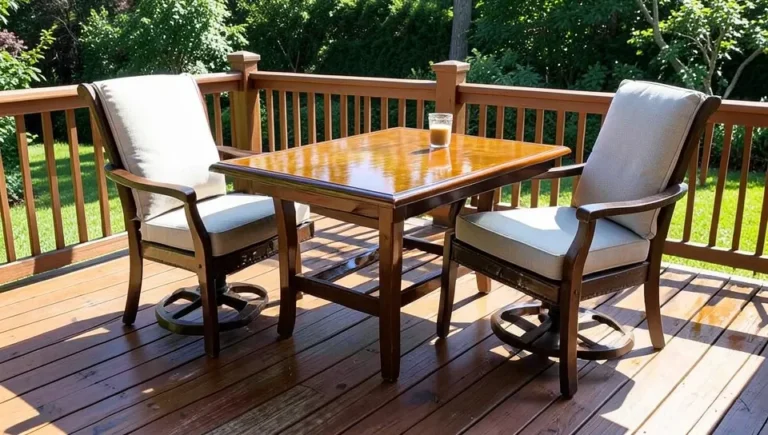
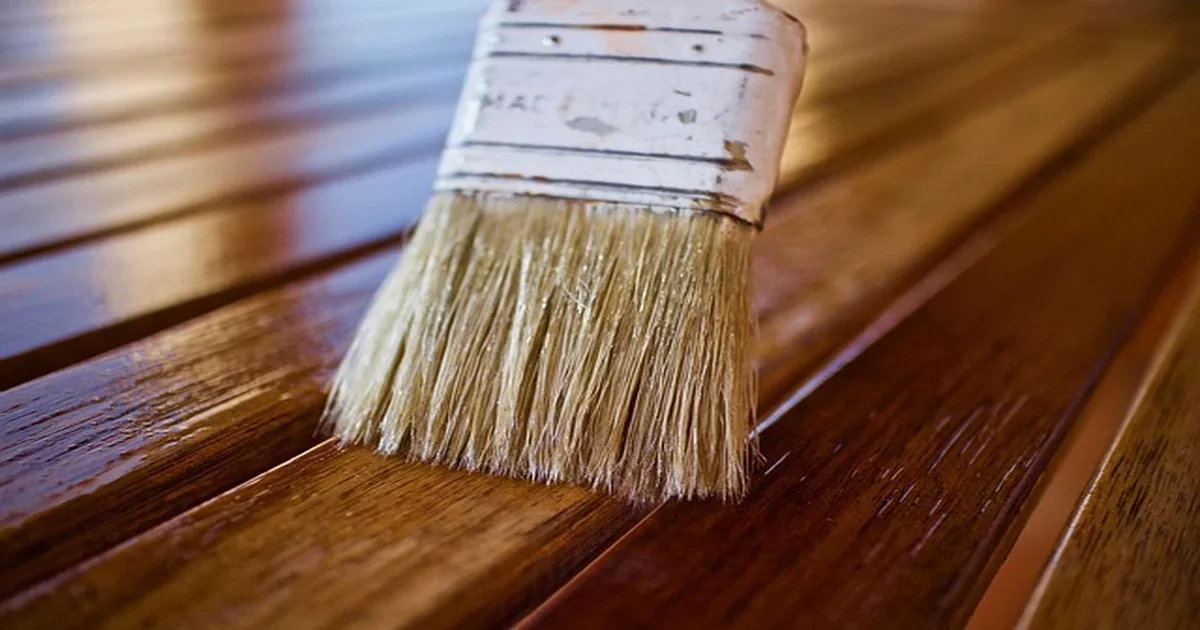
- Warm, amber tone: Deepens the natural color of the wood and enhances the grain – the look most people picture when they think “varnished wood.”
- Self-leveling: The longer open time makes brush marks less noticeable as the finish flows out while wet.
Drawbacks
- Slow dry and cure time: 24 hours between coats and up to 30 days to fully cure means a multi-coat project easily runs a full week.
- Strong odor and VOCs: Requires real ventilation during application and for a day or two afterward.
- Yellows over time: The amber tint most people like when it’s fresh keeps deepening with age and UV exposure, which can be a problem on light woods like maple or ash.
- Mineral-spirits cleanup: Brushes and spills need solvent, not soap and water.
Frequently Asked Questions
How To Tell If Polyurethane Is Oil Or Water Based?
Check the can label first. If it’s gone, dab a hidden spot with acetone or nail polish remover: it softens water-based finish but barely affects cured oil-based polyurethane. A warm amber tint and a lingering solvent smell also point to oil-based; a clear, nearly colorless finish points to water-based.
What Is The Downside Of Oil Based Polyurethane?
The biggest downsides are time and smell: it needs about 24 hours between coats and up to 30 days to fully cure, has a strong solvent odor with higher VOCs, requires mineral spirits for cleanup, and continues to yellow with age and UV exposure.
What Is The Downside Of Water-based Polyurethane?
Water-based polyurethane is less durable than oil-based, so high-traffic surfaces may need an extra coat or two for equal protection. It can also raise the wood grain during application, which usually means an extra light sanding pass after the first coat.
Is There A Water-based Polyurethane?
Yes. Water-based polyurethane is widely available, dries clear, cleans up with soap and water, and cures faster than oil-based – typically 7 to 14 days versus up to 30.
Will Oil-Based Polyurethane Darken Or Yellow With Age?
Yes, and this is one of the most common surprises. The alkyd resin continues to oxidize slowly for years after it’s fully cured, so a floor or tabletop finished with oil-based polyurethane will keep deepening in color – most noticeably on lighter woods placed near a sunny window.
Bottom line: oil-based polyurethane is a real, distinct category – an alkyd-resin varnish, not a pure oil finish – and it’s still the right call whenever warmth and toughness matter more than speed and low odor. When those priorities flip, water-based polyurethane is the better fit.
Sponsored / affiliate links. As an Amazon Associate I earn from qualifying purchases. I may earn additional commission from eligible campaigns.