How to Make Wipe-On Water-Based Polyurethane (The Right Water Ratio)
To make wipe-on water-based polyurethane, thin it with about 10 to 15 percent distilled water, not mineral spirits, stir it gently to avoid trapping air, then apply thin coats with a lint-free cloth or foam brush, working with the grain and keeping a wet edge.
Wipe-on finishes are popular because they lay down thin, even coats with almost no risk of drips, brush marks, or runs. Most wipe-on products sold in stores are simply an oil-based polyurethane thinned with mineral spirits, but that shortcut does not carry over to a water-based can. Water-based polyurethane is a different chemistry (an acrylic/urethane resin suspended in water), and it needs a different dilution rule and a different mixing mistake to avoid.
This guide covers the actual water ratio that works, why a common piece of copied advice (diluting 1:1 or even 3:1) over-thins the finish, the mixing mistake that can ruin an entire batch, and how to apply and cure it for a smooth, durable result.
What You’ll Need
Gather everything before you start mixing, since water-based polyurethane begins to skin over quickly once it’s thinned and exposed to air.
- Water-based polyurethane (satin, semi-gloss, or gloss)
- Distilled water for thinning
- A clean mixing container with a lid
- A lint-free cotton cloth or a folded foam brush for application
- 220-grit and 320-grit sandpaper for surface prep and between coats
- A tack cloth to remove sanding dust
- Nitrile gloves and eye protection
Best Premixed Water-Based Option
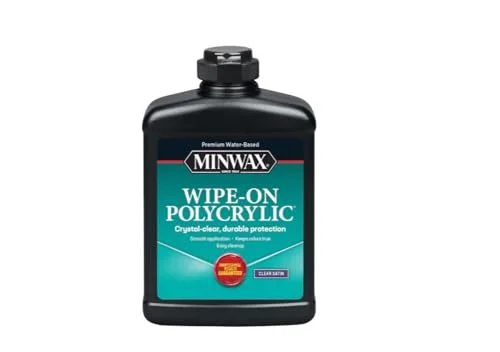 |
Minwax Wipe-On Polycrylic, Clear Satin, 1 Pint – $19.98 Polycrylic is Minwax’s water-based clear protective finish, sold pre-thinned for wiping, so you can skip the mixing step and the guesswork in this guide entirely.
|
The Right Water Ratio (Not What Most Guides Say)
A lot of wipe-on-poly instructions online, including tables that get copy-pasted from one site to the next, tell you to mix equal parts water and polyurethane, or even up to three parts poly to one part water. That advice was written for oil-based finishes thinned with mineral spirits, and it over-thins a water-based product. Water-based polyurethane is already much thinner straight from the can than oil-based poly, so it doesn’t need aggressive dilution to wipe on smoothly.
Start with roughly 10 percent water by volume (about 1 to 1.5 tablespoons of water per cup of polyurethane), and go no higher than about 15 to 20 percent for a very thin final wipe coat. Diluting further than that weakens the film build, so you’ll need more coats than the two or three most projects call for, and you increase the risk of streaking as the thinner mixture dries unevenly. Use distilled water rather than tap or well water; the minerals in hard water can cloud a clear finish over time.
Always test your mix on a scrap piece of the same wood first. If it drags or leaves brush-like texture when wiped, add a little more water in small increments; if it runs or pools, you’ve thinned it too far.
The Mistake That Ruins Water-Based Wipe-On Poly
Never thin water-based polyurethane with mineral spirits, paint thinner, or naphtha. This mistake happens because oil-based wipe-on poly is traditionally thinned with mineral spirits, and it’s easy to assume the same solvent works for any “wipe-on poly” project. It doesn’t. Water-based polyurethane is a water-carried emulsion, not a solvent-based product, and mineral spirits is non-polar, meaning it doesn’t mix into it at all. Adding it will break the emulsion instead of thinning it, causing the finish to curdle, separate, or clump into unusable globs in the can.
If any of that mixture makes it onto the wood before you notice, expect adhesion failure, a permanently cloudy or streaky film, and in some cases a finish that never fully cures. The fix is simple: water is the only thinner a water-based polyurethane will accept. If you already have a can of oil-based wipe-on poly, that’s a separate product with its own (mineral-spirits) dilution rules, and the two shouldn’t be mixed or substituted for each other.
Preparing the Surface
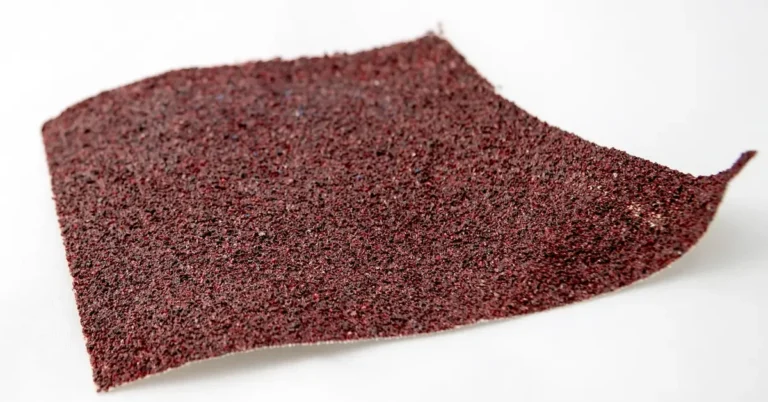
Sand bare wood up through 220-grit, working with the grain, then wipe away dust with a tack cloth rather than a dry rag, which can leave lint behind. If you’re refinishing a piece with an existing finish, make sure it’s fully stripped or scuff-sanded and clean of wax, silicone furniture polish, or grease; any of those will cause the water-based finish to bead up and fisheye instead of laying flat. Let the surface dry completely if it was cleaned with water or a degreaser before you start applying finish.
How to Apply Wipe-On Water-Based Polyurethane
- Stir your thinned mixture gently, without whipping air into it, and let it rest for a few minutes so any bubbles rise out.
- Fold a lint-free cotton cloth into a pad, or use a foam brush, and dip it into the mixture, saturating it without dripping.
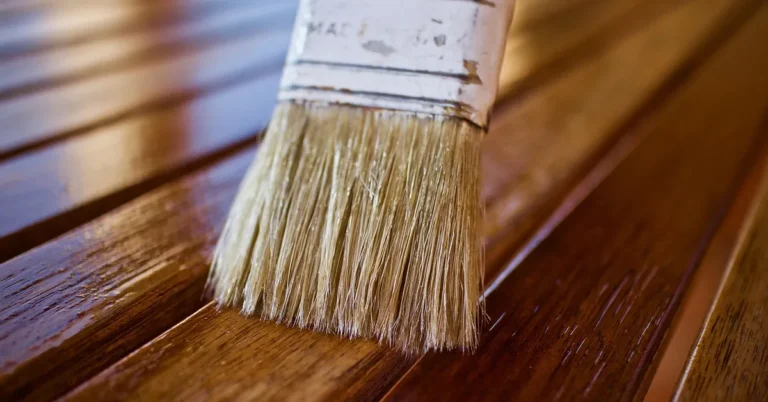
- Wipe onto the wood in long strokes that follow the grain, working from one end of the piece to the other.
- Keep a wet edge, overlapping each pass slightly into the one before it, so you don’t lay fresh finish over a spot that’s already begun to set up.
- Use light pressure; you’re depositing a thin film, not scrubbing the surface. Wipe off any obvious puddle or pooled excess immediately.
- Let the coat dry per the manufacturer’s label (typically an hour or two for a thin wipe coat), then scuff-sand lightly with 320-grit before the next coat.
Most projects need three to four thin wipe-on coats to build enough film for real protection, since each coat is thinner than a single brushed or sprayed coat would be.
Drying, Recoat, and Cure Times
A thin, diluted wipe-on coat of water-based polyurethane typically feels dry to the touch within 30 to 60 minutes and is usually ready for a light scuff-sand and another coat within 2 hours, though humidity and temperature change that window. Always check your specific product’s label instead of assuming, since formulas vary. “Dry” is not the same as “cured”: the finish will keep hardening for a couple of weeks after the last coat, so it’s a good idea to avoid heavy use, hot dishes, or rubber mat contact on the surface until then, even though it will feel solid well before that point.
Common Mistakes and Troubleshooting
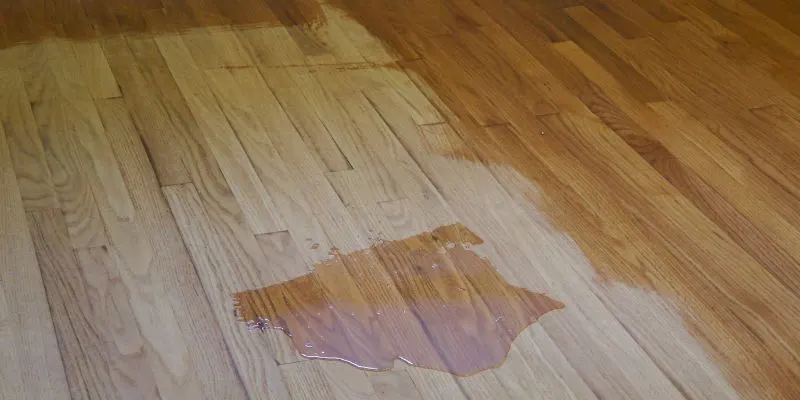
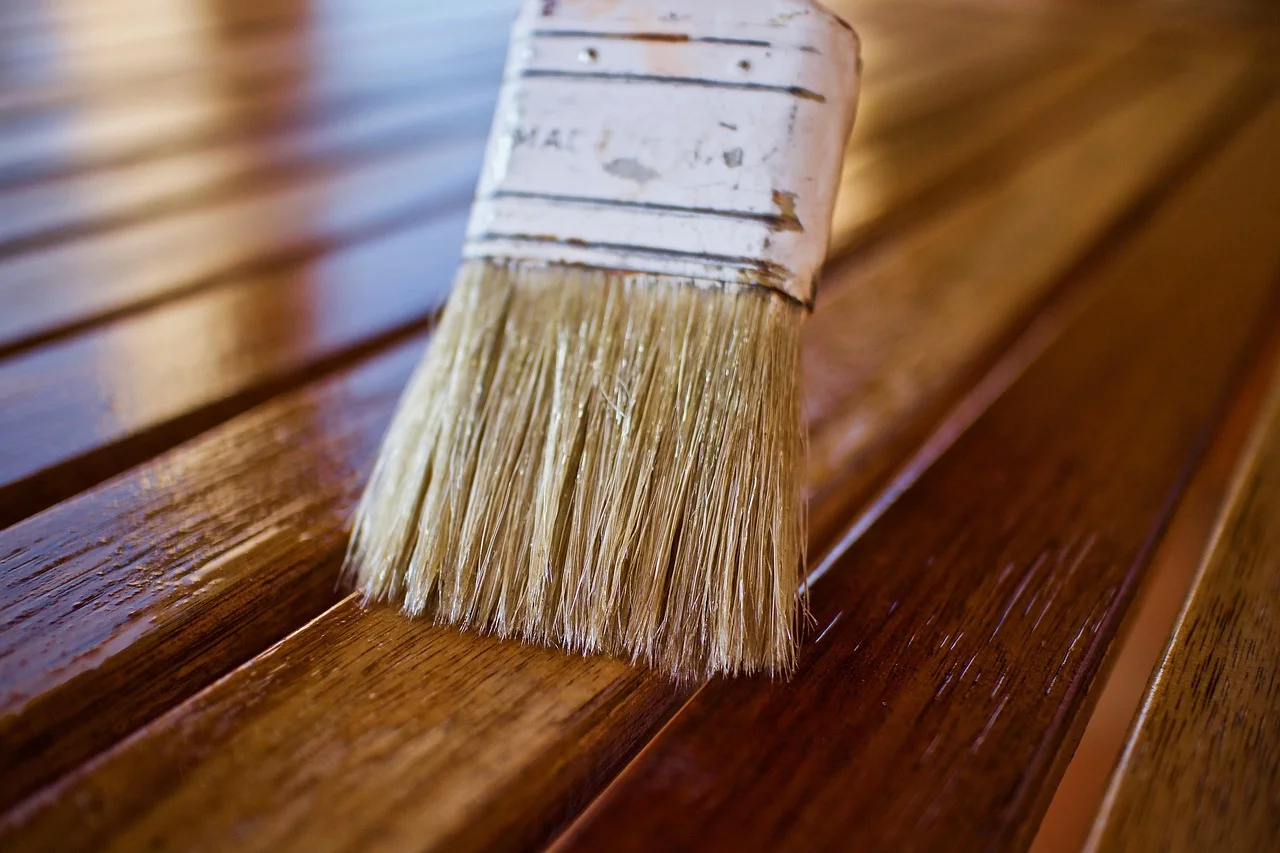
Pooling and sticky spots almost always come from leaving excess finish sitting on the surface instead of wiping it out thin, as in the photo above. If you see this happening, go back over the spot immediately with a dry section of your cloth to pull up the extra before it starts to set.
Persistent tackiness is usually high humidity, low temperature, or a coat applied too thick despite thinning. Improve airflow, use a dehumidifier if needed, and thin the next coat slightly more.
Streaks or a cloudy film point to one of three causes: tap water used instead of distilled water, dust or old wax left on the surface before you started, or (see above) mineral spirits contamination. Sand the affected area back, clean thoroughly, and reapply with a fresh, correctly thinned batch.
Bubbles come from stirring too aggressively or wiping too fast. Mix gently, let the mixture rest before you start, and use a light, even wiping motion rather than scrubbing.
Wipe-On vs. Brush vs. Roller
Wiping on a thinned finish gives you the thinnest, most drip-resistant coats and the least visible texture, which makes it a good match for detailed furniture, turned pieces, and small projects where a brush mark would stand out. It’s also slower per coat and needs more coats to build the same protection as brushing or rolling full-strength product. If you’re finishing a larger flat surface like a tabletop or a floor and want faster coverage without switching to a wipe-on method, our guide on the best roller for water-based polyurethane covers which roller material and nap length to use instead.
Frequently Asked Questions
What’s the right ratio for wipe-on water-based polyurethane?
Start with about 10 percent distilled water by volume, roughly 1 to 1.5 tablespoons per cup of polyurethane, and go no higher than 15 to 20 percent. Water-based poly is already thin from the can, so ratios like 1:1 or 3:1 that get copied from oil-based instructions over-thin it and weaken the finish.
Can I thin water-based polyurethane with mineral spirits?
No. Mineral spirits is a solvent for oil-based finishes and won’t mix into a water-based one. Adding it breaks the emulsion instead of thinning it, causing curdling, adhesion failure, or a cloudy, streaky film. Only water, preferably distilled, should ever be used to thin a water-based polyurethane.
How long does wipe-on water-based polyurethane take to dry between coats?
A thin wipe-on coat usually feels dry within 30 to 60 minutes and is ready for a light sanding and the next coat within about 2 hours, though this varies by product, humidity, and temperature. Full cure takes longer, typically a couple of weeks, even after the surface feels hard.
Can I use a roller instead of wiping it on?
Yes, a synthetic foam or microfiber roller works well for larger flat surfaces where wiping on coat after coat would be slow. See our guide on the best roller for water-based polyurethane for the material and nap length to use.
Bottom Line
Thin water-based polyurethane with distilled water only, starting around 10 percent and never reaching for mineral spirits, and you’ll get smooth, drip-free wipe-on coats. Apply thin, keep a wet edge, and give it three to four coats with a light scuff-sand between each for a durable, professional-looking finish.
Sponsored / affiliate links. As an Amazon Associate I earn from qualifying purchases. I may earn additional commission from eligible campaigns.