Can I Apply Polyurethane With a Rag? (Thinning Ratio)
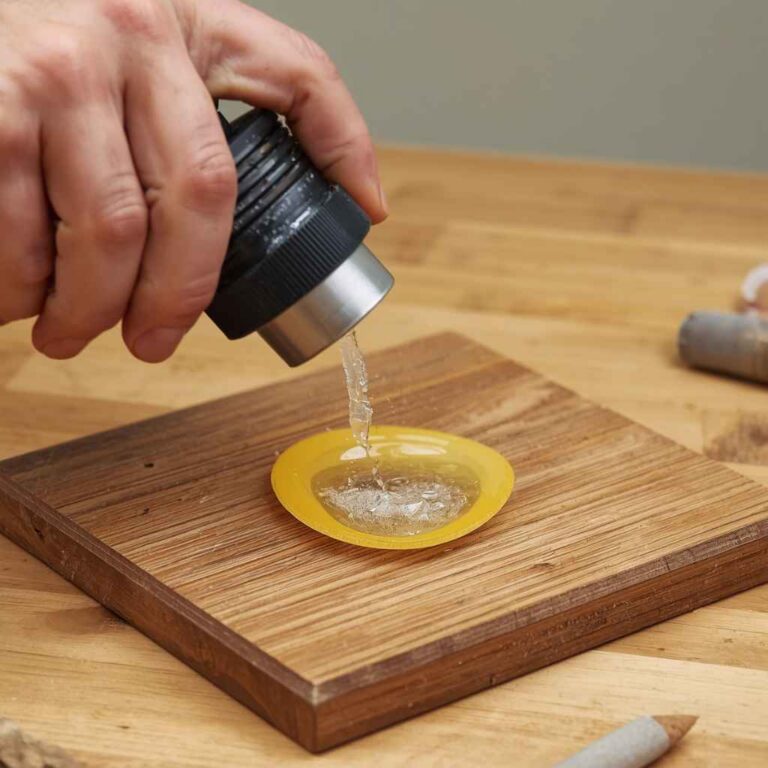
Yes, but only if the polyurethane is thin enough to wipe evenly — full-strength oil-based poly straight from the can is usually too thick for a rag on a large flat surface. Thin it 1:1 with mineral spirits for the first coat (2:1 or 3:1 for later coats), or buy a pre-thinned wipe-on product and skip the mixing. This guide covers the actual dilution ratios, the rag material that won’t leave lint, and the coat count difference between wiping and brushing.
Our Pick: Pre-Thinned Wipe-On Poly
SKIP THE MIXING – ALREADY THINNED
 |
Minwax Oil-Based Wipe-On Polyurethane, Satin, 1 Pint – $19.99 Pre-thinned to the right viscosity for rag application — no mixing mineral spirits yourself, no guessing the ratio. Wipes on in thin, even coats and dries to handle in 2-4 hours.
|
As an Amazon Associate we earn from qualifying purchases.
Why Full-Strength Polyurethane Needs Thinning First
Polyurethane straight from the can is formulated for brush application, which lays down a thicker film per coat than a rag can control. Wipe full-strength poly on with a rag and it drags, leaves streaks, and pools in corners because the rag can’t spread a thick liquid evenly across a large surface the way bristles can.
| Coat | Dilution with mineral spirits |
|---|---|
| First coat | 1:1 (50% poly, 50% mineral spirits) |
| Second coat and later | 2:1 or 3:1 (poly:mineral spirits) |
| Pre-thinned wipe-on product | No mixing — already at wipe-on viscosity |
Water-based polyurethane is the exception — it’s already thin enough for most rag application without diluting, though a very heavy water-based formula can still benefit from a small amount of water to thin it.
Choosing a Rag That Won’t Ruin the Finish
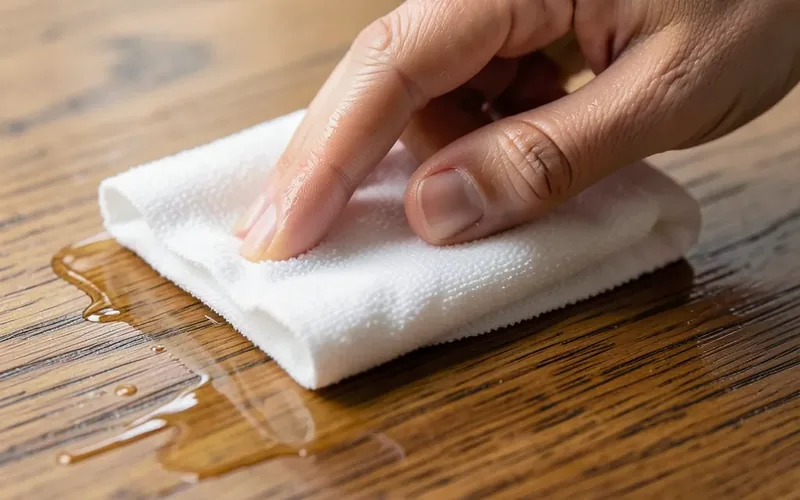
The rag matters almost as much as the dilution ratio — a lint-shedding rag embeds fibers directly into a wet finish that then cure in place.
- Best: lint-free cotton (an old, well-washed cotton t-shirt) or microfiber.
- Workable but riskier: new cotton rags — wash and dry them once first to shed loose fibers before using on a finish.
- Avoid: paper towels (shed fibers, leave a textured pattern) and terry cloth (too much loose lint).
- Always: fold the rag into a flat pad rather than balling it up, so you get a smooth, even contact surface.
Step-by-Step: Applying Thinned Polyurethane With a Rag
- Sand the surface (220 grit), then wipe away dust with a tack cloth.
- Mix the first coat 1:1 with mineral spirits (skip this step with a pre-thinned wipe-on product).
- Fold a lint-free rag into a flat pad and soak it with the thinned finish.
- Wipe on in long, overlapping strokes with the wood grain — keep the rag wet enough that it glides, not drags.
- Wipe off any excess pooling in corners or seams within a few minutes.
- Let dry fully (check the label — oil-based typically needs 4-6 hours between coats, water-based 2-3 hours).
- Sand lightly with 220-grit between every coat, then repeat with a 2:1 or 3:1 dilution for coats 2 onward.
- Apply 5-6 total coats for wipe-on poly, versus the 2-3 coats a brushed full-strength poly needs for the same film thickness.
Rag vs. Brush: What Actually Changes
| Rag (thinned) | Brush (full strength) | |
|---|---|---|
| Coats needed | 5-6 | 2-3 |
| Brush strokes/streaks visible | Rare — thin film self-levels | Possible with a low-quality brush or heavy hand |
| Best for | Flat surfaces, tabletops, floors | Vertical surfaces, edges, corners, carved detail |
| Cleanup | Rag disposal (see safety note below) | Brush cleaning with mineral spirits or water |
Common Mistakes
- Skipping the thinning step entirely: full-strength poly on a rag drags and streaks — this is the single most common reason people say “rag application didn’t work for me.”
- Using a lint-shedding rag: embedded fibers show up as bumps in the cured finish and require sanding out.
- Stopping at 2-3 coats: because each wipe-on coat is thinner, 2-3 coats leaves noticeably less film protection than the same count with brushed full-strength poly.
Safety Note: Disposing of Poly-Soaked Rags
Oil-based polyurethane cures through an exothermic oxidation reaction, and a balled-up, oil-soaked rag can generate enough heat to spontaneously combust as it dries. Lay used rags flat outside to dry completely, or submerge them in a metal container of water, before throwing them away — never leave a wadded oily rag in a trash can or pile.
Frequently Asked Questions
Can I use a rag to apply polyurethane without thinning it?
Not well — full-strength oil-based poly is usually too thick for a rag and will drag or streak on a large surface. Cut the first coat 50/50 with mineral spirits, or buy a pre-thinned wipe-on product and skip mixing altogether. Water-based polyurethane is the exception; it’s already thin enough to wipe on as-is in most cases.
What type of rag is best for polyurethane?
Lint-free cotton (a well-washed old t-shirt) or microfiber works best. Avoid paper towels and terry cloth, both of which shed fibers into the wet finish.
How many coats of wipe-on polyurethane do I need?
Plan on 5-6 thin coats to match the protection of 2-3 brushed coats of full-strength polyurethane, since each wiped coat lays down less film thickness.
How long does polyurethane take to dry between coats?
Oil-based typically needs 4-6 hours between coats; water-based dries faster, usually 2-3 hours. Always check the specific product label, since formulas vary, and let the final coat cure several days before heavy use.
Conclusion
A rag works well for polyurethane once the finish is thinned to the right viscosity — 1:1 with mineral spirits for the first coat, or a pre-thinned wipe-on product if you’d rather skip mixing. Use a lint-free rag, plan on more coats than brushing needs, and dry oily rags flat before disposal to avoid a fire risk.
Sponsored / affiliate links. As an Amazon Associate I earn from qualifying purchases. I may earn additional commission from eligible campaigns.