What is the Best Wood for Butcher Block Countertops: Expert Picks
Are you planning to upgrade your kitchen with stunning butcher block countertops? Choosing the right type of wood is crucial for both beauty and functionality.
But with so many options available, how do you decide which wood is the best for your space? You’re not alone in this quest. Many homeowners are on the hunt for the perfect blend of durability, aesthetics, and cost-effectiveness. The answer might surprise you, and it can make all the difference in your kitchen’s look and feel.
Keep reading to discover the secrets to selecting the ideal wood that will transform your countertops into a masterpiece. Make your choice with confidence and enjoy the satisfaction of a kitchen that’s not only functional but also a reflection of your style.
Credit: www.phillipsforestproducts.com
Popular Wood Choices
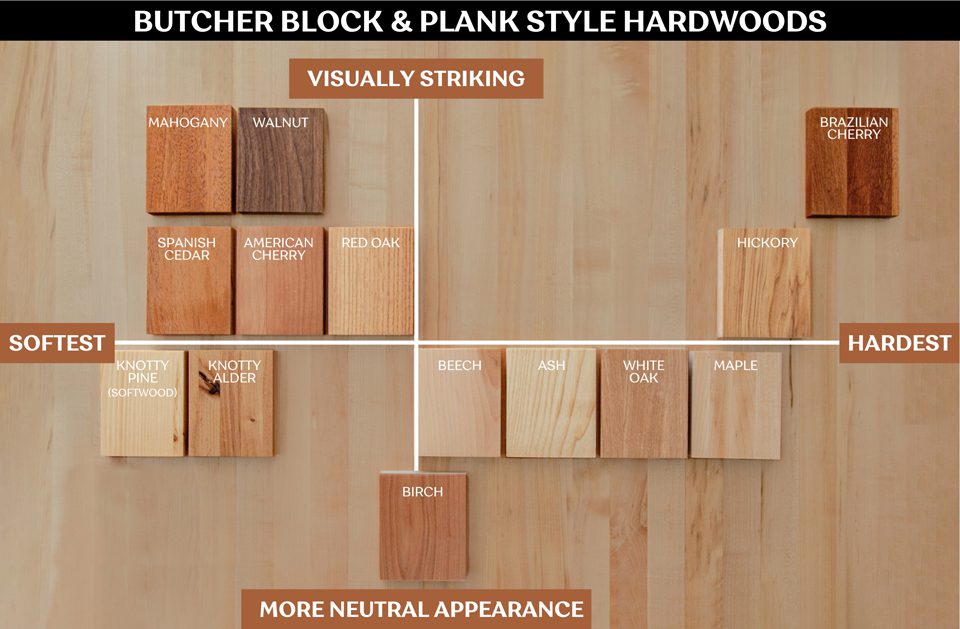
Maple is a popular choice for butcher block countertops. It is very strong and durable. The wood has a light color which looks clean and fresh. Many people like its simple look. Maple is also easy to clean and maintain. This makes it a good option for busy kitchens.
Cherry wood has a rich, warm color. It adds a cozy feel to kitchens. Over time, the color can darken, which many find beautiful. Cherry is softer than maple but still strong. Its smooth texture makes it pleasant to touch. Many choose cherry for its unique color and feel.
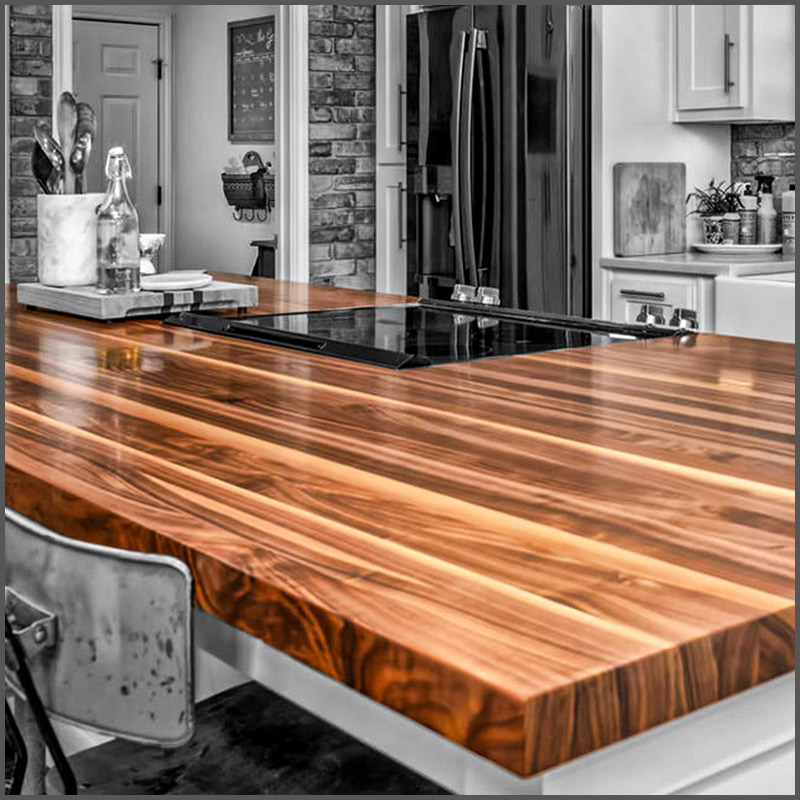
Walnut is a dark and elegant wood. It brings a touch of luxury to spaces. The wood is hard and resists scratches well. Walnut has a unique grain pattern. This pattern makes each piece look special. Though more costly, it adds great value to kitchens.
Credit: hardwoodreflections.com
Durability Factors
Maple, walnut, and cherry offer top durability for butcher block countertops. These woods resist scratches and dents well. They also age beautifully, adding charm and warmth to any kitchen space.
Density And Hardness
Hardwood is often chosen for countertops. It is dense and strong. Maple and oak are top picks. They have high density and hardness. This means they last longer. They can hold heavy items. They resist damage from knives. Softwoods are less durable. They can dent easily. Hardwoods cost more. But they are worth it. They last for years.
Resistance To Scratches
Scratches can ruin countertops. Hardwoods like walnut resist scratches well. They are tough. Small marks may appear. But they are not deep. Softer woods scratch easily. They need more care. Hardwoods can be sanded. This removes marks. The surface looks new again. Regular oiling helps. It keeps the wood smooth. It protects from scratches.
Aesthetic Appeal
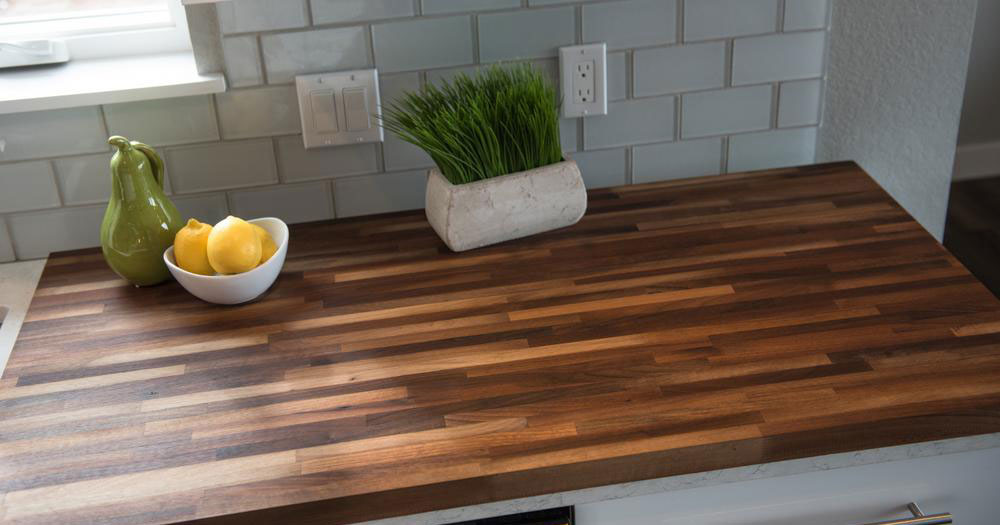
Wood color varies from light to dark. Maple wood is light and bright. Walnut is dark and rich. Cherry wood has a warm glow. Choose what fits your kitchen style. Light colors make rooms look bigger. Dark wood adds a cozy feel.
Grain patterns can be straight or wavy. Maple has a smooth and even grain. Oak wood has a bold and strong grain. Cherry wood shows a fine and soft grain. Each pattern gives a unique look. Straight grains are simple and clean. Wavy grains add depth and interest.
Maintenance Needs
Choosing the right wood for butcher block countertops is essential for maintenance. Maple and walnut offer durability and resist scratches. Regular oiling keeps them looking fresh.
Sealing And Finishing
Wood countertops need sealing. This keeps them safe from water. Sealing helps to stop stains. Finishing the wood makes it look nice. It feels smooth and shiny. Use oil or wax for finishing. Apply it every few months. This keeps the wood strong. It lasts longer. Sealing and finishing are very important.
Regular Care
Regular care keeps countertops clean and bright. Wipe them daily with a damp cloth. Dry them well after cleaning. Use mild soap if needed. Avoid harsh cleaners. They damage the surface. Do not cut directly on the wood. Use a cutting board always. This prevents scratches. These simple steps help maintain beauty.
Environmental Impact
Choosing the right wood for butcher block countertops affects environmental impact. Maple is durable and sustainable, with fewer chemicals used in its processing. Walnut offers a rich appearance but demands careful sourcing to ensure eco-friendly harvesting practices.
Sustainability
Sustainabilityis very important when choosing wood. Some trees grow back fast. They are better for the earth. Bamboo is one such option. It grows quickly and is strong. Maple and oak are other good choices. They last long and look nice. These woods come from well-managed forests. This helps keep our planet green.
Look for wood with a certification. This shows it was cut down responsibly. The Forest Stewardship Council (FSC) is one such group. They give a seal of approval. It is like a green thumbs-up. Choosing certified wood is a good step. It makes the earth happy.

Credit: www.foreverjointtops.com
Cost Considerations
Budget-friendly optionsmake a big difference. Softwoods like pine and birch are cheaper. They cost less than hardwoods. This makes them great for saving money. But they might not last as long. Hardwoods like oak or maple are more expensive. Yet, they are stronger and last longer. You get what you pay for with these choices.
Investment valuematters too. Spending more on quality wood can save money later. Less need for repairs or replacements. Hardwood countertops add value to homes. They look beautiful and feel strong. A good choice for those who can spend a bit more. It is all about balancing cost with quality.
Expert Recommendations
Mapleis often praised by experts for countertops. It is durable and beautiful. Many kitchens use maple wood. Oakis another popular choice. It is strong and has a rich texture. Oak can handle daily wear and tear. Cherrywood adds warmth to any kitchen. It has a deep color that people love.
In many homes, butcher blocks are practical. They are used for cutting and prepping food. Restaurants also use these countertops. They need surfaces that last long. Wood helps keep knives sharp. It is softer than other materials. Families enjoy the natural look of wood. It fits with many styles and designs.
Frequently Asked Questions
What Is The Best Wood For Butcher Block Counters?
Maple is the best wood for butcher block counters. It offers durability, resistance to scratches, and a smooth finish. Oak and walnut are also popular choices due to their strength and aesthetic appeal. Ensure regular maintenance to keep the wood in excellent condition.
What Is The Rule Of 7 Butcher Block?
The rule of 7 for butcher blocks advises applying seven coats of mineral oil. This ensures optimal wood protection and longevity. Regular maintenance includes reapplying oil monthly to prevent drying and cracking. This practice enhances the block’s durability and maintains its natural beauty.
What Is The Most Durable Finish For Butcher Block Countertops?
Polyurethane is the most durable finish for butcher block countertops. It provides a strong, water-resistant barrier. This finish protects against scratches and stains, making it ideal for high-use areas. Regular maintenance can further extend its durability and appearance.
What Should You Not Use On A Butcher Block?
Avoid using harsh chemicals, bleach, and abrasive cleaners on a butcher block. They can damage the wood surface. Use mineral oil or food-safe sealants for maintenance and cleaning. These keep the butcher block in good condition and extend its lifespan.
Conclusion
Choosing the right wood for butcher block countertops is crucial. Maple, walnut, and oak are popular options. Each offers unique benefits. Maple is durable and light. Walnut adds elegance and warmth. Oak provides strength and charm. Consider your kitchen style and needs.
Maintenance and budget also play a role. A well-chosen wood enhances both function and beauty. It can transform your kitchen space. Remember to research and compare options. This ensures you make the best choice. Your perfect butcher block is out there.
It just needs the right wood.