What is the Difference between White And Yellow Beeswax: Key Insights
Have you ever wondered why beeswax comes in different colors? Perhaps you’ve noticed that some beeswax is white while other is yellow, and you’re curious about the difference.
You’re not alone! Understanding the distinction between white and yellow beeswax can help you make informed choices, whether you’re crafting candles, making cosmetics, or just exploring natural products. By the end of this article, you’ll have a clear picture of how these two types of beeswax differ and how they can affect your projects.
Get ready to dive into the fascinating world of beeswax and discover which type is best suited for your needs.
Origins Of Beeswax
Bees make wax in their bodies. They use it to build their homes. This wax is called beeswax. It starts as clear. Then it gets yellow from pollen and honey. Yellow beeswax is the natural color. It smells sweet like honey. White beeswax is cleaned by filters. It loses its color. It does not smell like honey.
There are two main types of beeswax: yellow and white. Yellow beeswax is the raw form. It is used in candles and lotions. White beeswax is clean and pure. It is used for creams and lip balms. Both types come from bees. But they have different uses.
Color Variations
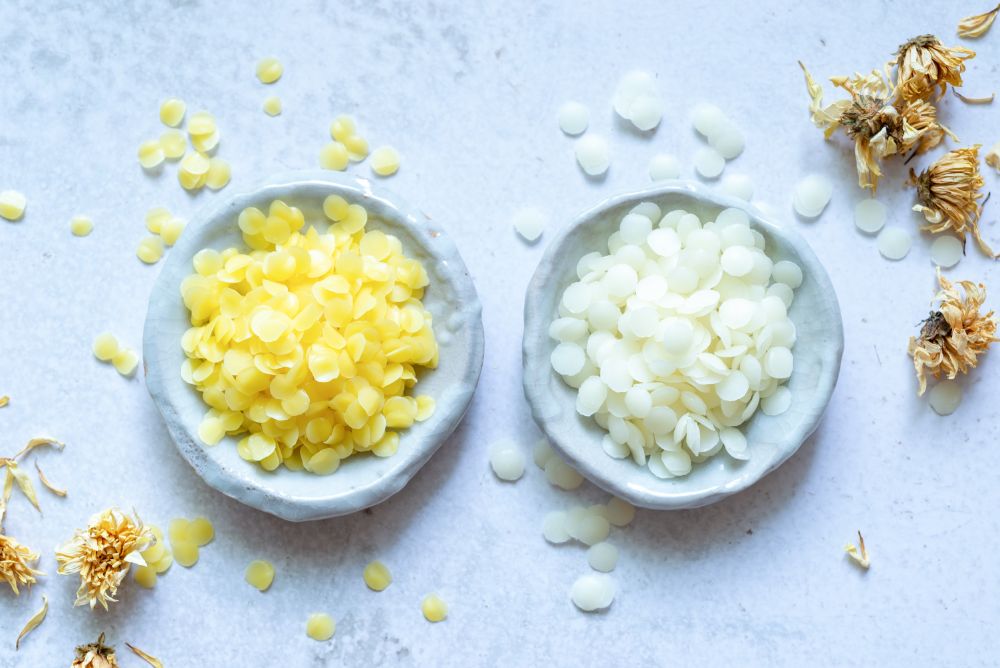
Beeswax color depends on flowers bees visit. Different flowers give different colors. Pollen and nectar types also change the wax color. The location and climate affect bee habits. This can lead to color changes. The wax becomes yellow when bees collect more pollen oils. White beeswaxgets its color through filtration. This removes impurities and results in a lighter shade.
Yellow beeswax has natural pigments. These come from the plants bees visit. This wax is unfiltered and retains its natural color. White beeswax loses pigments through a cleaning process. It is often used in cosmetics. The natural color can vary between batches. Sometimes, yellow beeswax can look dark. This depends on the blend of pollen and nectar.
White Beeswax Characteristics
White beeswax gets its color from a special process. This process removes colors and impurities. Filtration is key in this method. The wax passes through activated carbon. This step helps make the wax pale and pure. Sometimes sunlight also helps in bleaching. The result is soft and clean wax. This method keeps the wax’s natural properties intact.
White beeswax is used in many products. It is often found in cosmetics. It helps make creams and lotions smooth. People also use it in candles. These candles burn clean and have no strong smell. You can find white beeswax in lip balms too. It keeps lips soft and moisturized. Many people like it for homemade projects.
Yellow Beeswax Characteristics
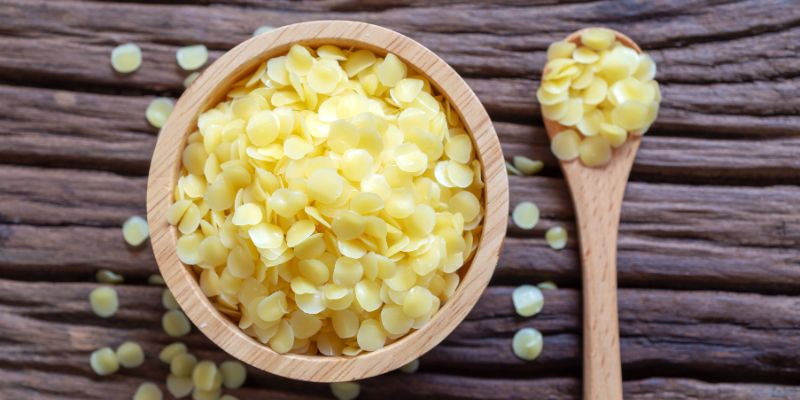
Yellow beeswax is a waxy substancemade by honeybees. It comes from the honeycomb of the bee hive. Its color is naturally yellow, rich, and golden. This color comes from the pollenand nectarof flowers. People love its sweet and mild honey scent.
Yellow beeswax is used in many products. It is great for making candlesthat burn brightly. Many soaps and creams have yellow beeswax. It makes them soft and smooth. Yellow beeswax is also used in lip balms. It helps lips stay soft and moist. Artisans use it in polishesto shine wood and leather. It’s a natural and useful ingredient.
Chemical Composition
Beeswax is made by bees. It has two main components. These are esters and acids. Esters help the wax to be firm. Acids keep the wax soft. White and yellow beeswax have the same components. Yet, they differ in color. Yellow beeswax is natural. It keeps its color from pollen. White beeswax is filtered. This removes the yellow shade.
The color change does not affect quality. Both types are good for skin. They can be used in creams and candles. Yellow beeswax smells sweet. White beeswax has no smell. This makes it better for perfumes. Both types are safe to use. They are good for different needs.
Benefits Of Beeswax
Beeswax is good for the skin. It helps to keep skin soft and moisturized. Beeswax is a natural barrier that protects the skin. It is also used in many lotions and creams. Beeswax has no chemicals, so it is safe for sensitive skin. It can also help with small cuts and scrapes. Beeswax helps to make skin smooth and shiny.
Beeswax is eco-friendly. It is a natural product, made by bees. Beeswax does not harm the planet. It can be used again and again. Beeswax is also safe for animals. It is a good choice for people who care about the environment. Beeswax helps to keep the earth clean and green.
Choosing The Right Beeswax
Selecting beeswax depends on what you need it for. White beeswax is often preferred for cosmetic products. It has a clean look and is easy to color. Yellow beeswax is more natural and keeps its original scent. This makes it great for candles and polishes. Both types have unique benefits. Think about what is important for your project.
Consider how you will use the beeswax. For skincare, white beeswax is ideal. It blends well with other ingredients. For crafts, yellow beeswax may be better. It has a strong hold. Quality and purity matter too. Check for any additives. A good choice can make a big difference.
Credit: www.theplantguru.com
Market And Price Differences
White beeswax is filtered to remove impurities, resulting in a lighter color. Yellow beeswax retains natural pollen, offering a richer hue. Both types serve various uses, with slight price differences due to their processing methods and applications in products.
Cost Implications
White beeswax often costs more than yellow beeswax. This is because it is processed more. People use white beeswax for cosmetics and skincare. Yellow beeswax is natural and less refined. It is used in candles and crafts. The price difference is due to these uses. White beeswax requires more work to produce. That’s why it costs more.
Consumer Preferences
People choose beeswax based on their needs. White beeswax is popular for beauty products. It is clean and pure. Yellow beeswax is chosen for crafts. It keeps its natural honey scent. Each type has its own fans. Some like the natural look of yellow beeswax. Others prefer the refined look of white beeswax. Different uses make each type special.
Frequently Asked Questions
What Are The Main Uses Of White Beeswax?
White beeswax is often used in cosmetics and skincare products. It’s favored for its hypoallergenic and moisturizing properties. Additionally, it is used in candle making, as it burns cleanly. Its natural scent and color make it ideal for crafting lotions, lip balms, and other beauty products.
How Is Yellow Beeswax Different From White?
Yellow beeswax is natural and unprocessed, retaining its natural impurities. It has a distinct honey scent and yellow color. In contrast, white beeswax is filtered or bleached to remove impurities. This gives it a neutral color and scent, making it versatile for various applications.
Is White Beeswax Better For Skincare?
White beeswax is often preferred for skincare due to its purity. It is less likely to cause allergic reactions. Its neutral color and scent make it ideal for crafting lotions and creams. Its moisturizing properties help protect and soothe the skin.
Can Yellow Beeswax Be Used For Candles?
Yes, yellow beeswax is excellent for candle making. It burns cleanly and has a natural honey scent. Its natural impurities provide a warm, rich color. Yellow beeswax candles are environmentally friendly and produce minimal smoke, making them a sustainable choice.
Conclusion
Choosing between white and yellow beeswax depends on personal needs. White beeswax is refined, often used in cosmetics. Yellow beeswax is natural, retaining its scent. Both offer unique benefits for different applications. Consider what suits your project best. White beeswax provides neutral color and scent.
Yellow beeswax offers natural fragrance and color. Both types are versatile and useful. Understanding their differences can guide your choice. Explore and experiment. Find what works for you.