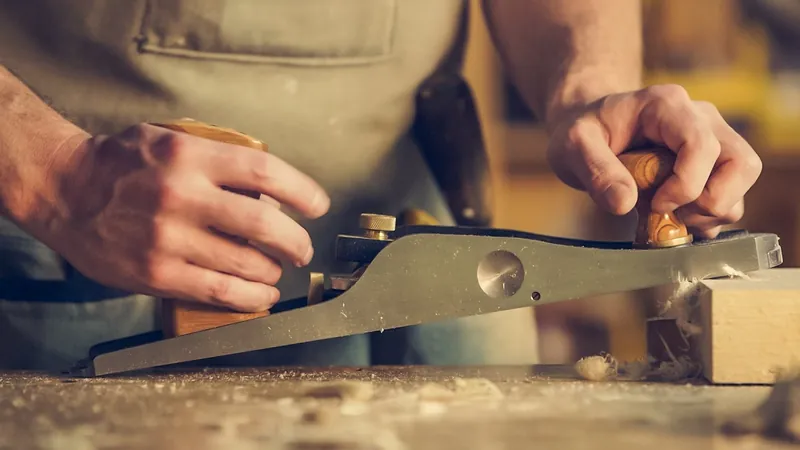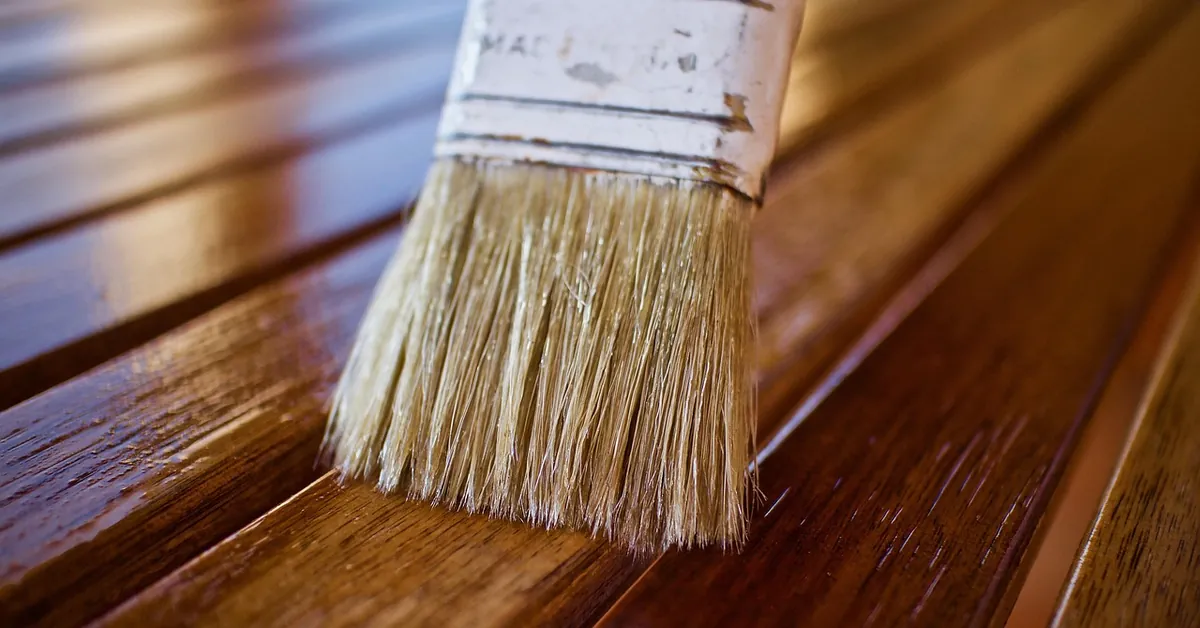
Applying satin clear coat to a wood tabletop with a foam brush

7 Best Satin Clear Coats for Wood: Compared by Cost & VOC (2026)

The satin clear coat that costs the least per can isn’t always the cheapest way to actually finish a project. We compiled manufacturer technical data sheets for 7 satin clear coats — water-based polyurethane, oil-based polyurethane, polycrylic, spray lacquer, wipe-on and marine spar varnish — and computed the real cost to cover 100 square feet at each product’s own stated minimum coat count. The spread runs from $16.65 (Varathane Water-Based Ultimate Satin Polyurethane, our #1 Best Overall) to over $210 for a marine-grade spar varnish that needs 4-6 coats. The right pick depends entirely on whether the project is an indoor tabletop or an outdoor door.

“Satin” sits in the middle of the sheen spectrum between matte and gloss, and it’s the sheen most commonly asked about for furniture, cabinets and trim because it hides everyday fingerprints and dust better than a shinier finish without looking flat or unfinished. But “satin clear coat” isn’t one product — it’s a sheen level that seven completely different chemistries (water-based polyurethane, oil-based polyurethane, water-based acrylic, nitrocellulose lacquer and marine spar varnish, among others) can all be formulated to hit. That’s exactly why price-per-can, recoat time and true indoor-vs-outdoor durability vary as widely as they do across the picks below.

Open can of satin wood finish with a brush, ready to apply over sanded wood
A satin wood finish, ready to brush on over sanded, dust-free wood.
Table of Contents show

Satin Clear Coats for Wood Compared

Every number below comes from the manufacturer’s own technical data sheet (TDS) or current product page, pulled fresh this session — not copied from a competitor’s roundup. “Cost to finish 100 sq ft” is a computed figure: each product’s own stated minimum coat count × (100 ÷ coverage per gallon/quart) × current Amazon price. Coverage figures given as a range use the midpoint. The formula and every input are shown again under each product’s own review below, so the math can be checked.

ProductTypePriceCoats (min.)Recoat TimeVOCCost / 100 sq ft*Verdict
Varathane Water-Based Ultimate SatinWater-based poly$24.98/qt32 hrs<250 g/L$16.65#1 Best Overall
Minwax Fast-Drying Polyurethane, SatinOil-based poly$14.97/qt24-6 hrs450 g/L max$18.43Best Value
Minwax Polycrylic, SatinWater-based acrylic$21.55/qt32 hrs~275 g/L**$51.72Best for Light Wood
General Finishes HP Topcoat, SatinWater-based urethane blend$50.92/qt21-2 hrs<250 g/L$74.07Best for Furniture
Deft Clear Wood Finish, Satin LacquerNitrocellulose lacquer (spray)$23.99/12.25oz32 hrs<680 g/Ln/a***Best Spray Application
Minwax Wipe-On Poly, SatinWater-based poly (wipe-on)$19.24/pt22 hrsnot published$61.57Best for Beginners
TotalBoat Gleam Spar Varnish, SatinMarine spar varnish$49.99/qt41 hr @ 80°F<475 g/L$210.58Best for Outdoor Wood

*Computed: coats × (100 ÷ coverage midpoint) × price, using each product’s own stated minimum coat count. **Polycrylic’s VOC figure comes from a secondary spec aggregation, not confirmed directly on Minwax’s current liquid-product page — treated as approximate. ***Deft’s aerosol coverage isn’t separately published by the manufacturer; the coverage number on file is from the liquid-can version of the same lacquer, so a per-area cost would overstate precision — it’s priced and sized for touch-ups and small pieces, not whole-room coverage, and that’s reflected in the verdict instead of a fabricated number.

Curious to explore Finishes further? Here's another post on this topic. What Does Lacquer Mean as a Wood Finish?

Real Cost to Finish a Project: A Worked Example

The 100-sq-ft figures above are useful for comparing products, but most furniture projects are much smaller than that. A typical 6-foot dining table top, including the apron edges, works out to roughly 20 sq ft of finished surface. Scaling the same formula down to that size makes the spread between products even more concrete in real dollars, not abstract percentages.

  • Varathane Water-Based Ultimate Satin (3 coats): about $3.33 in material to finish a 20 sq ft tabletop.
  • Minwax Fast-Drying Polyurethane, Satin (2 coats): about $3.69.
  • Minwax Polycrylic, Satin (3 coats): about $10.34.
  • General Finishes HP Topcoat, Satin (2 coats): about $14.81.
  • Minwax Wipe-On Poly, Satin (2 coats): about $12.31.
  • TotalBoat Gleam Spar Varnish, Satin (4 coats): about $42.12 — and that’s before accounting for the fact that Gleam Satin is meant only for the final coats over a Gloss seal-and-build system, which would add another product’s cost on top.

At this scale, every indoor product on this list costs less than a single takeout lunch to finish one tabletop — which is exactly why the per-can sticker price is a poor way to shop for a satin clear coat. The real decision driver is which chemistry and sheen behavior fits the wood and the timeline, not which quart costs a few dollars less at the store.

Best Satin Clear Coats for Wood

1. Varathane Water-Based Ultimate Satin Polyurethane — #1 Best Overall

Varathane Water-Based Ultimate Satin Polyurethane can

Price: $24.98/quart · Cost to finish 100 sq ft: $16.65 · Check current price on Amazon

  • Recoat in 2 hours at 70-80°F / 50% RH (manufacturer TDS)
  • 3 coats recommended for brush application (Varathane’s own instructions)
  • VOC under 250 g/L — the cleanest-air option in this table alongside General Finishes
  • Self-leveling formula; cleans up with soap and water
  • 27.4% solids by weight — a genuinely thin film per coat, which is why 3 coats is the stated minimum, not padding

Varathane’s water-based satin polyurethane is the cheapest way in this entire lineup to actually finish a project, not just the cheapest can on the shelf. At $16.65 to cover 100 square feet with the full 3-coat system Varathane itself recommends, it undercuts even the oil-based “budget” pick below because its coverage-per-dollar and its 2-hour recoat window let a whole tabletop get done in a single afternoon instead of stretched across a weekend. It dries crystal clear with no amber cast, which matters on pine, maple, birch and any painted piece where an oil-based finish would yellow the color underneath.

Who it’s for: Anyone finishing furniture, cabinets or trim indoors who wants the fastest realistic turnaround and doesn’t need marine-grade UV protection. Main drawback: like every water-based poly, it raises wood grain slightly on the first coat — a light 220-grit sand after the first coat (standard practice, not unique to this product) fixes it, but skipping that step is the single most common reason people call a water-based poly “rougher” than an oil-based one.

Need to understand more about Finishes? This post might help you. Wood Finish for Sunglasses: What Actually Protects the Frame

2. Minwax Fast-Drying Polyurethane, Warm Satin — Best Value

Minwax Fast-Drying Polyurethane Warm Satin can

Price: $14.97/quart · Cost to finish 100 sq ft: $18.43 · Check current price on Amazon

  • Lowest per-can price of any product in this roundup ($14.97/qt)
  • Recoat in 4-6 hours; final coat needs 24 hours before light use (manufacturer TDS)
  • 2-3 coats per the TDS’s own “No. of coats” field — we used the literal minimum, 2, for the cost math
  • Max VOC 450 g/L — the highest of the three polyurethanes in this table
  • Linseed oil-modified resin gives a warm amber tone, not a water-clear one

This is the classic oil-based satin poly most woodworkers already have a can of in the shop, and it earns Best Value here even though its cost-to-finish is a hair higher than the Varathane above — because the per-can price is the lowest in the table and the extra depth an oil-based finish adds to stained wood is a real, visible difference the cost table alone doesn’t capture. Its trade-off against the #1 pick is time: a 4-6 hour recoat window (versus 2 hours) turns a same-day 3-coat job into a 2-3 day one.

Who it’s for: Stained furniture, doors and trim where a warm amber tone is wanted, and where the project timeline isn’t tight. Main drawback: it will amber light-colored wood over time — Minwax’s own technical sheet recommends Polycrylic instead for light-colored surfaces, which is exactly why pick #3 exists in this lineup.

3. Minwax Polycrylic Protective Finish, Satin — Best for Light-Colored Wood (Non-Yellowing)

Minwax Polycrylic Protective Finish Satin can

Price: $21.55/quart · Cost to finish 100 sq ft: $51.72 · Check current price on Amazon

  • Dries to touch in 3 hours, recoat in 2 hours, full cure/normal use at 24 hours (minwax.com)
  • 3 coats recommended (minwax.com’s own application instructions)
  • Coverage: 125 sq ft/quart — notably lower than the polyurethanes above, which is most of why its cost-to-finish is 3x Varathane’s
  • Water-based acrylic, not a true polyurethane — that’s the chemistry behind its non-yellowing claim

Polycrylic is a water-based acrylic, not a polyurethane, and that chemistry difference is the entire reason it exists as a separate product line: it stays genuinely clear over white paint, whitewash, pickled finishes and pale woods like maple, ash and birch, where every oil-based poly in this list will add an amber cast within a year or two. The trade-off shows up directly in the cost table — at 125 sq ft per quart, its coverage is roughly a third of Varathane’s, so 3 coats over 100 sq ft costs more than 3x as much to actually apply. Choosing between Polycrylic’s own sheen options has its own trade-offs too — see our Polycrylic satin vs. semi-gloss comparison for how the two look side by side on the same wood.

Who it’s for: Painted furniture, whitewashed or pickled wood, and pale species where any amber tint would be visible and unwanted. Main drawback: it’s genuinely softer and less abrasion-resistant than a true polyurethane — Minwax markets it explicitly as a finish, not a heavy-wear floor coating, and it shows scuffs sooner on high-traffic surfaces like tabletops used daily.

Interested in understanding Finishes in more detail? This article can guide you. How to Finish a Bass Guitar Body (Wood Finish Guide)

4. General Finishes High Performance Water Based Topcoat, Satin — Best Satin Topcoat for Furniture

General Finishes High Performance Water Based Topcoat Satin can

Price: $50.92/quart · Cost to finish 100 sq ft: $74.07 · Check current price on Amazon

  • Recoat in 1-2 hours per manufacturer literature
  • 2-3 coats recommended; more coats add depth but not meaningfully more durability past 3
  • Coverage 500-600 sq ft/gallon (125-150 sq ft/qt)
  • VOC under 250 g/L, interior use only
  • Most expensive per-can and per-project product in this table by a wide margin

General Finishes is a furniture-finishing brand first, not a big-box hardware line, and the price reflects that: at $50.92 a quart it’s more than double Varathane’s per-can cost, and $74.07 to cover 100 sq ft makes it the second-most expensive product in this roundup after the marine varnish. What that money buys is a urethane/acrylic blend built specifically for furniture-grade leveling and a satin sheen that professional finishers reach for on kitchen cabinets and fine furniture rather than trim or doors.

Who it’s for: Kitchen cabinets, dining tables and furniture builds where finish quality is the priority and the smaller square footage keeps total cost reasonable. Main drawback: the price-per-area makes it a poor choice for large surfaces like floors or a full room of trim — General Finishes itself markets this line for furniture and cabinetry, not flooring.

5. Deft Interior Clear Wood Finish, Satin Lacquer — Best Spray Satin Clear Coat for Wood

Deft Interior Clear Wood Finish Satin Lacquer aerosol spray can

Price: $23.99/12.25 oz aerosol · Check current price on Amazon

  • Dry to touch in 30 minutes, tack-free in 60, recoat in 2 hours (DFT017 technical data sheet)
  • 3+ coats recommended for optimum performance per the manufacturer
  • VOC under 680 g/L — the highest of any product in this table, and it’s a solvent lacquer, not water-based
  • Nitrocellulose lacquer — self-leveling, no sanding required between coats
  • Not recommended for floors; interior use only

Deft’s brushing lacquer has a decades-long reputation among furniture builders for a self-leveling formula that genuinely doesn’t need sanding between coats, and this aerosol version puts that in a spray can for chairs, turned pieces and other shapes a brush or wipe cloth can’t reach evenly. The trade-off is the VOC number: at under 680 g/L it’s more than double every water-based product in this table, and nitrocellulose lacquer needs real ventilation — a garage or outdoor spray booth, not a closed bedroom.

Who it’s for: Small to medium pieces, turned or carved work, and touch-ups where spray application beats a brush. Main drawback: the 12.25 oz can is sized and priced for exactly that — small projects and touch-ups — not for finishing a large tabletop or a room of trim, where the liquid-can version of the same lacquer in a quart or gallon is the more economical route.

Want more in-depth information on Finishes? Don’t miss this article. Wood Finish Laminate: What Works and What Ruins It

6. Minwax Water-Based Wipe-On Polyurethane, Satin — Best for Beginners (Easiest to Apply)

Minwax Water-Based Wipe-On Polyurethane Satin can

Price: $19.24/pint · Cost to finish 100 sq ft: $61.57 · Check current price on Amazon

  • Dry time 2-24 hours; recoat in 2 hours (minwax.com)
  • 2 coats recommended — the lowest coat count of any water-based product here
  • Applied with a lint-free cotton cloth, not a brush — no brush marks are physically possible
  • Coverage figure used: 125 sq ft/quart (62.5 sq ft/pint)
  • Sold in the smaller pint size, which pushes its cost-to-finish above the quart-based picks despite needing fewer coats

A wipe-on poly removes the one variable that ruins more first-time finishing projects than anything else: brush marks. Because it’s applied with a cloth in thin, even coats, there’s no lap line or bristle streak to sand out later, and only 2 coats are needed versus 3 for most of the brushed picks above. That convenience has a real cost, though — it’s sold in a pint, and thin coats mean less material actually lands on the wood per pass, so at $61.57 to cover 100 sq ft it’s the third-most expensive product in this table.

Who it’s for: First-time finishers, small furniture pieces, and anyone who has been burned by brush marks before. Main drawback: because each coat is so thin, it builds film thickness (and therefore durability) more slowly than a brushed poly — it’s a good choice for a side table, a poor one for a heavy-use dining surface without extra coats beyond the manufacturer’s stated minimum.

7. TotalBoat Gleam Marine Spar Varnish, Satin — Best Satin Clear Coat for Outdoor Wood

TotalBoat Gleam Marine Spar Varnish Satin can

Price: $49.99/quart · Cost to finish 100 sq ft: $210.58 · Check current price on Amazon

  • Recoat in as little as 1 hour at 80°F (3 hrs @ 65°F, 8 hrs @ 50°F)
  • 4-6 coats minimum — by far the highest coat count in this table, which is most of why the cost-to-finish is over 10x the cheapest pick
  • Coverage 360-400 sq ft/gallon (90-100 sq ft/qt)
  • VOC under 475 g/L
  • UV-stable formula built for exterior brightwork, not an indoor-rated afterthought

None of the other six products in this table are rated or formulated for sustained UV and weather exposure, and TotalBoat’s own instructions are explicit that Gleam Satin should only be used for the final 1-2 coats over a Gleam Gloss seal-and-build system — it’s genuinely not a one-coat, one-can solution the way the indoor picks above are. That’s exactly why the cost-to-finish is $210.58 for 100 sq ft: at a 4-6 coat minimum and under 100 sq ft of coverage per quart, real UV protection on exterior wood costs meaningfully more than any indoor satin finish in this roundup, and that’s a fact worth knowing before buying one quart expecting it to cover a whole outdoor bench.

Who it’s for: Outdoor furniture, doors, boat trim and any wood exposed to direct sun and rain. Main drawback: it is the wrong, over-engineered and overpriced choice for an indoor project — every other product in this table will finish an indoor tabletop for a fraction of the cost and coat count.

Dive deeper into Finishes by checking out this article. Wood Finish Examples: 7 Types Compared With Real Photos

How We Picked These

We have not physically tested these 7 products side by side in our own shop for this article, and we’re not going to claim otherwise. What we did instead: pulled each product’s current price and live buy-box availability from Amazon’s Creators API on 2026-08-02, then cross-referenced every dry time, recoat window, coverage rate, VOC figure and recommended coat count against the manufacturer’s own technical data sheet or current product page — not a retailer listing, and not a competitor’s roundup. Where a manufacturer’s own site was blocked to automated fetching (General Finishes’ site returned a Cloudflare challenge to every method we tried), we used the same spec data as it’s been republished by an authorized distributor and disclosed that in the table’s footnotes rather than presenting it as directly sourced.

The cost-to-finish figures are computed, not measured: each one is coat count × (100 ÷ coverage) × price, using the manufacturer’s own stated minimum coat count and current Amazon pricing. We did not source star ratings or review counts for any of these 7 products — Amazon’s API returned no review data for any of them this session, and rather than copy a number from a competitor’s page or invent one, we left it out entirely.

We also checked our own site’s other clear-coat coverage before publishing this specifically to avoid recommending overlapping, competing pages: our general clear coat & clear finish guide covers spray lacquer as one of several finish categories, but doesn’t compare satin options across polyurethane, polycrylic, wipe-on and marine-varnish chemistries the way this page does — so the two pages are treated as siblings rather than duplicates, and we cross-link them for readers who land on the wrong one first.

What to Consider When Buying a Satin Clear Coat for Wood

Satin vs. Semi-Gloss vs. Gloss

Sheen is measured by gloss meter at a 60° angle. Deft’s own product data sheet puts satin at 12-18 (60°), semi-gloss at 28-32, and gloss at 90+ — satin reflects roughly a sixth to a fifth as much light as a full gloss finish. In practice, satin is the sheen most woodworkers reach for on furniture and cabinets because it hides everyday scratches, dust and fingerprints far better than gloss while still looking finished rather than flat. For a closer side-by-side on how satin and semi-gloss actually look on the same piece, see our satin vs. semi-gloss polyurethane comparison, and for the flatter end of the spectrum, our matte vs. satin breakdown covers when a fully flat sheen makes more sense than satin.

Water-Based vs. Oil-Based

Four of the seven picks above are water-based (Varathane, Polycrylic, General Finishes, the Wipe-On Poly); two are solvent-based (Minwax Fast-Drying oil poly, Deft lacquer); TotalBoat’s spar varnish is solvent-based as well. Water-based finishes dry clear, recoat faster, clean up with soap and water, and carry lower VOC. Oil-based finishes add a warm amber tone, tend to level slightly better on brushed applications, and are usually the cheaper per-can option — Minwax’s oil-based poly here is $14.97/qt against $24.98 for the water-based Varathane. If the “polyurethane” vs. “urethane” labeling on cans is confusing, our urethane vs. polyurethane explainer untangles the terminology, and for floor-specific coverage our best polyurethane for hardwood floors guide is the better starting point — none of the 7 picks above are marketed as a floor finish.

VOC and Indoor Air Quality

VOC content in this table ranges from under 250 g/L (Varathane, General Finishes) to under 680 g/L (Deft lacquer) — more than a 2.5x spread. Lower-VOC products are required in some states (California among them) and are the more practical choice for finishing furniture indoors without a dedicated spray booth. Solvent lacquers like the Deft pick need real cross-ventilation; the manufacturer’s own safety data explicitly warns about vapor exposure indoors.

Recoat Window and Total Project Time

Recoat time across these 7 products ranges from 1 hour (General Finishes, TotalBoat at 80°F) to 4-6 hours (Minwax Fast-Drying oil poly). At a 3-coat minimum, that’s the difference between finishing in a single afternoon and stretching the job across 2-3 days. If a fast turnaround matters more than an amber tone, that recoat number should weigh as heavily as the price tag.

Number of Coats and True Cost to Finish

This is the number every other roundup we found skips, and it’s the biggest single driver of real project cost. TotalBoat needs 4-6 coats minimum; most of the indoor picks need 2-3. A cheap per-can price on a product that needs twice the coats of a competitor isn’t actually cheaper — see the full cost-per-100-sq-ft column in the comparison table above before assuming the lowest sticker price wins.

Indoor vs. Outdoor / UV Resistance

Only one product in this roundup — TotalBoat’s Gleam marine spar varnish — is formulated and marketed for sustained UV and weather exposure. Every other pick here is explicitly interior-rated. Using an interior satin poly or lacquer outdoors will fail within a season as UV breaks down the film; that’s not a minor durability difference, it’s a different product category.

Application Method: Brush, Wipe, or Spray

Brushed poly (Varathane, Minwax Fast-Drying, General Finishes) covers the most area per dollar but risks brush marks on a rushed job. Wipe-on poly trades coverage-per-dollar for a near-guarantee of no brush marks. Spray lacquer (Deft) is fastest on complex shapes like turned legs or chairs but needs real ventilation and ideally a spray booth or well-ventilated garage.

Yellowing and Wood Tone Over Time

Oil-based finishes (Minwax Fast-Drying poly, Deft lacquer, TotalBoat) amber over time — Minwax’s own technical literature recommends Polycrylic instead specifically for light-colored wood. Water-based acrylics and polyurethanes (Varathane, Polycrylic, General Finishes, the Wipe-On) stay closer to water-clear for the life of the finish.

Compatibility With Existing Stains and Finishes

Not every satin clear coat can go over every existing surface. Deft’s own technical sheet explicitly warns against applying its lacquer over varnishes, enamels or other oxidatively-drying finishes, since it can cause lifting or wrinkling — strip to bare wood first if the existing finish isn’t a compatible lacquer or shellac. TotalBoat’s Gleam has the opposite requirement for new wood: the first seal coat needs to be thinned roughly 25% (or a dedicated wood sealer used first) so it can actually penetrate and lock the grain, rather than sitting on top of it like a build coat. Always test any new clear coat on a hidden area first, regardless of what the can says about “universal” compatibility. Finishing over painted furniture specifically has its own rules worth checking first — see our guide to clear coating over paint.

Batch Consistency and Why Stirring (Not Shaking) Matters

Every polyurethane manufacturer in this roundup gives the same warning, worded slightly differently: stir, don’t shake. Flattening agents that create the satin sheen are heavier than the resin and settle to the bottom of the can between uses. TotalBoat’s own instructions call this “extremely important” for Gleam Satin specifically, because an unstirred can will apply glossier than expected near the top of the can and flatter near the bottom — an inconsistency that shows up as blotchy sheen on a finished piece, not a defect in the product itself.

Application Temperature and Working Conditions

Every product in this roundup has a minimum application temperature, and ignoring it is a common reason a finish fails to level or cure properly. Deft’s lacquer and waterborne acrylic lines both specify no application below 50°F. TotalBoat’s Gleam has a wider working range of 45-105°F but explicitly warns against direct sunlight during application or cure, and against humid, rainy or foggy conditions that can cloud the film. All of the dry and recoat times published in the comparison table above assume 77°F and 50% relative humidity — a cold garage or a humid summer afternoon will stretch every one of those numbers, sometimes by hours.

Close-up of a wood tabletop with a soft, low-gloss satin sheen
A satin sheen sits between matte and gloss — a soft, low-key reflection rather than a mirror finish.

How to Apply a Satin Clear Coat to Wood

The steps below apply broadly to any of the 7 picks above. For a slower-drying, film-building product like an oil-based varnish specifically, our step-by-step varnish application guide goes into more detail on seal coats and sanding between coats.

  1. Sand bare wood to 180-220 grit along the grain, then remove all dust with a tack cloth or a rag dampened with mineral spirits (water-based finishes) or lacquer thinner (solvent finishes).
  2. Stir the can thoroughly — never shake a brush-on polyurethane, since shaking introduces bubbles that show up in the dried film.
  3. Apply a thin first coat with the grain, using a high-quality natural bristle or foam brush (or a lint-free cotton cloth for wipe-on products).
  4. Let the coat dry to the manufacturer’s stated recoat time — anywhere from 1 hour to 6 hours depending on the product (see the comparison table above).
  5. Lightly sand with 220-320 grit sandpaper between coats to knock down raised grain and nibs; wipe away all sanding dust before the next coat.
  6. Repeat for the manufacturer’s stated minimum coat count — 2 coats for the fastest products here, up to 4-6 for exterior spar varnish.
  7. Allow the final coat its full cure time (up to 24 hours for light use, up to 7 days for heavy use or placing rugs) before putting the piece back into service.

Frequently Asked Questions

What is the difference between satin and gloss clear coat finishes for wood?

Gloss reflects far more light at a 60° gloss-meter angle — typically 90+ versus 12-18 for satin, per Deft’s own product data. Satin hides scratches, dust and fingerprints better; gloss shows more depth and shine but also more surface imperfections.

Can a satin clear coat be used on outdoor furniture?

Only if it’s formulated for exterior use. Of the 7 products in this roundup, only TotalBoat’s Gleam Marine Spar Varnish is UV-stable and rated for outdoor exposure. Using an interior satin poly or lacquer outdoors will break down under UV within a season.

How long does it take for a satin clear coat to dry?

It depends heavily on the product. Recoat times in this roundup range from 1 hour (General Finishes, TotalBoat at 80°F) to 4-6 hours (Minwax Fast-Drying oil-based poly), and full cure for normal use ranges from 24 hours up to several days. Always check the specific product’s technical data sheet rather than assuming a universal number.

Does satin clear coat yellow over time?

Oil-based satin finishes (oil-modified polyurethane, nitrocellulose lacquer, spar varnish) amber over time. Water-based acrylics and polyurethanes stay closer to water-clear. If yellowing is a concern on light-colored or painted wood, Minwax’s own literature recommends Polycrylic specifically for that reason.

How many coats of satin clear coat should I apply?

It varies by product — from 2 coats minimum (General Finishes, the Wipe-On Poly) up to 4-6 coats minimum for exterior marine spar varnish. Check the specific manufacturer’s stated minimum rather than assuming 2-3 coats covers every product, since the coat count is the single biggest driver of true project cost (see the comparison table above).

Is water-based or oil-based satin polyurethane better?

Neither is universally “better” — they trade off differently. Water-based dries faster, recoats sooner, cleans up easier and won’t amber; oil-based is usually cheaper per can, adds warmth to stained wood, and can level slightly better on a brushed application. The right choice depends on the wood tone wanted and how much time is available.

What’s the cheapest way to put a satin clear coat on a project?

Based on the cost-to-finish figures compiled for this roundup, Varathane’s Water-Based Ultimate Satin Polyurethane is the cheapest way to actually finish 100 sq ft at $16.65, even though Minwax’s oil-based Fast-Drying Polyurethane has a lower per-can price — Varathane’s better coverage per coat and lower coat-count-to-price ratio wins out once the full job is priced, not just the can.

Do I need to seal bare wood before applying a satin clear coat?

Most of the products in this roundup can go directly onto properly sanded bare wood — Deft’s own instructions say its lacquer “can be applied direct to wood.” The exception is TotalBoat’s Gleam on new exterior wood, where the manufacturer recommends either thinning the first coat about 25% or using a dedicated wood sealer first, specifically so the initial coat can penetrate and seal the grain rather than sitting on the surface unabsorbed.

Final Thoughts

For most indoor furniture and trim, Varathane Water-Based Ultimate Satin Polyurethane is the pick that wins on every axis that matters for a typical project: fastest recoat, lowest true cost to finish ($16.65/100 sq ft), no yellowing, and low VOC. Reach for Minwax Polycrylic instead on pale or painted wood, General Finishes for furniture-grade cabinet work where budget is secondary to finish quality, and skip every indoor product on this list entirely for anything that lives outside — TotalBoat’s marine spar varnish is the only one of these 7 actually built to survive UV and rain, and its 4-6 coat minimum is the real reason it costs over 10x what the cheapest indoor pick does to finish the same area.

Similar Posts