
What is TPI Saw Blade: Unleash Cutting Precision!
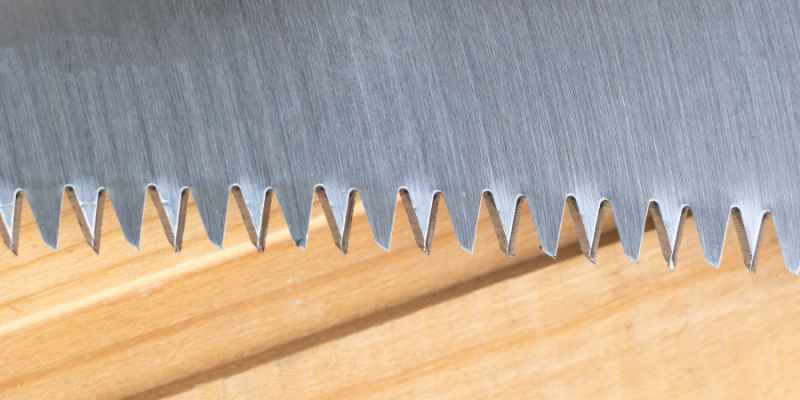
A TPI saw blade, or teeth per inch blade, refers to the number of teeth on the blade per inch of length. Higher TPI values mean finer cuts, while lower values are suited for faster, rougher cuts.
TPI saw blades play a crucial role in woodworking and metalworking. They determine the quality and speed of cuts, making them essential for different projects. Selecting the right TPI can significantly impact your work efficiency. For example, a blade with a low TPI is ideal for cutting thicker materials quickly, while a high TPI blade excels at precision cuts in thinner materials.
Understanding TPI helps users choose the most effective blade for their specific tasks, enhancing overall project outcomes. Familiarity with TPI can elevate your craftsmanship.
The Essence Of TPI In Saw Blades
Tpi stands for Teeth Per Inch. It measures the number of teeth on a saw blade.
A higher Tpi means more teeth in a shorter space. This leads to a smoother cut.
On the other hand, a lower Tpi allows for faster cuts. It works better for thicker materials.
Choosing the right Tpi is key for your project. It affects speed and finish quality.
| Tpi Range | Best Use |
|---|---|
| 4-6 | Fast cuts in thick materials |
| 10-14 | General purpose cutting |
| 18-24 | Smooth cuts in thin materials |
Different Types Of TPI Saw Blades
Fine-tooth blades are great for cutting thin materials. They provide a smooth finish and reduce splintering. This makes them ideal for woodworking and fine detail work.
Coarse-tooth blades are best for cutting thicker materials. They remove material quickly and are perfect for rough cuts. Use these blades for demolition or cutting large pieces of wood.
Assessing TPI For Various Materials
Choosing the right TPI is vital for cutting wood. A lower TPI, around 6-10, works well for softwoods. For hardwoods, select a medium TPI of 10-14. This helps achieve a smooth cut.
For metals, a higher TPI of 14-32 is recommended. This ensures clean cuts and reduces the risk of breakage. Consider the metal type when selecting TPI.
Plastics require a TPI between 10-20. The right TPI helps prevent melting during cutting. Choose a TPI based on the specific plastic type.
The Science Behind TPI And Cutting Precision
The TPI (teeth per inch) of a saw blade plays a crucial role in cutting. A higher TPI means more teeth. This allows for smoother cuts and finer details. However, it can also lead to slower cutting speeds.
The kerf is the width of the cut made by the blade. A blade with high TPI usually has a narrower kerf. This minimizes wasted material during the cutting process.
Different materials require different TPI levels. For wood, a lower TPI provides faster cuts. For metal, a higher TPI ensures precision and clean edges.
Enhancing Saw Performance With The Right TPI
TPI stands for teeth per inch and is key for saw blades. It affects both speed and finish of cuts. A higher TPI means a smoother cut but slower speed. For rough cuts, a lower TPI is better. This balances speed and finish based on the job.
Balancing TPI helps reduce blade wear. A blade with too high TPI may clog easily. Conversely, a blade with too low TPI can wear out fast. Choosing the right TPI extends blade life and improves performance.
| TPI Range | Best Use | Finish Quality |
|---|---|---|
| 3-5 | Rough Cuts | Coarse |
| 6-10 | General Purpose | Medium |
| 11+ | Smooth Cuts | Fine |
TPI Selection Tips For Professional Results
Selecting the right TPI (teeth per inch) is key for professional results. The material thickness and hardness play a major role in TPI selection. Thicker materials need a lower TPI. Softer materials work well with a higher TPI.
For intricate cuts, adjust the TPI accordingly. A higher TPI is best for fine details. This helps avoid jagged edges and ensures smooth finishes. Always match the TPI to the type of cut needed for the job.
Maintenance Tips For TPI Saw Blades
Keep your TPI saw blades clean for better performance. Use a soft brush to remove dust and debris. Wipe the blade with a cloth soaked in soapy water. Rinse it well and dry completely before storing.
Store blades in a dry place. Use a blade guard or a protective case to avoid damage. Hang them on a wall or store in a drawer for easy access.
Sharpening the blade is important for longevity. Use a file or a sharpening tool designed for saw blades. Follow the manufacturer’s instructions for the best results.
Check the blade regularly for wear. Replace any dull or damaged blades immediately. This ensures safety and efficiency while working.
Future Of Cutting: Innovations In TPI Saw Blades
The world of TPI saw blades is changing fast. Emerging technologies are improving blade quality and efficiency. New materials make blades stronger and lighter. These advancements help in reducing waste and increasing performance.
Automated cutting systems are becoming popular. They use smart technology for precise cuts. This results in faster production and less downtime. Companies can now create intricate designs easily.
| Technology | Benefits |
|---|---|
| Laser Cutting | High precision and speed |
| CNC Machines | Automated and consistent cuts |
| Diamond Coating | Increased durability and lifespan |
These innovations lead to better cutting solutions. The future of TPI saw blades looks bright and efficient.
Frequently Asked Questions
What Are TPI Saw Blades Used For?
TPI saw blades are primarily used for cutting wood and other materials. The term “TPI” stands for teeth per inch, which determines the blade’s cutting efficiency. Higher TPI blades offer smoother cuts, while lower TPI blades are better for faster, rough cuts.
Selecting the right TPI is crucial for your project.
How Do I Choose The Right TPI?
Choosing the right TPI depends on the material you’re cutting. For softer materials like plywood, a higher TPI (10-14) is ideal. Conversely, for harder materials, a lower TPI (4-8) allows for faster cuts. Always consider the desired finish and type of project when making your choice.
Are TPI Saw Blades Interchangeable?
TPI saw blades are not universally interchangeable. Each blade type is designed for specific saws and applications. It’s essential to match the blade’s design and Tpi with your saw model. Using the wrong blade can lead to poor performance or damage to both the blade and the saw.
How Often Should I Replace My TPI Saw Blade?
You should replace your TPI saw blade when it becomes dull or damaged. Signs of wear include rough cuts, burning wood, or unusual vibrations during use. Regular maintenance can extend the life of your blade. Generally, replace it every few months, depending on usage frequency.
Conclusion
Choosing the right TPI saw blade can significantly impact your cutting efficiency. Understanding TPI helps you select the best blade for your project. Whether you’re cutting wood, metal, or plastic, the right blade makes all the difference. Invest time in selecting the proper TPI for optimal results in your work.