Electric Hand Saws for Cutting Trees: Types and What They’re Good For
Electric hand saws for trees — small chainsaw-style tools or pruning saws, corded or battery-powered — make quick, controlled work of branches and small trees without the weight, fumes, or maintenance of a gas saw. One thing worth being clear on upfront: these are branch and small-tree tools, not a substitute for a full-size chainsaw and proper felling technique on large, standing trees. Trying to fell a real tree with a compact electric pruning saw is exactly the kind of scope mismatch that causes accidents.
Benefits Of Electric Hand Saws
Best For Branch Pruning And Small Trees
 |
Seesii 6-Inch Cordless Mini Chainsaw, 2 Batteries – $39.99 A genuinely lightweight, one-hand electric saw sized right for the branch and small-tree work this article covers — not for felling.
|
Electric hand saws are light, easy to start (usually a trigger or button, no pull-cord), and quiet enough to use without disturbing neighbors or startling nearby pets and wildlife. Most have a safety lock or trigger guard that prevents accidental starts, and the chain or blade stops quickly once you release the trigger. They also skip gas, oil mixing, and exhaust fumes entirely — genuinely cleaner and lower-maintenance than a gas equivalent for the branch-cutting jobs they’re built for.
Types Of Electric Hand Saws For Trees
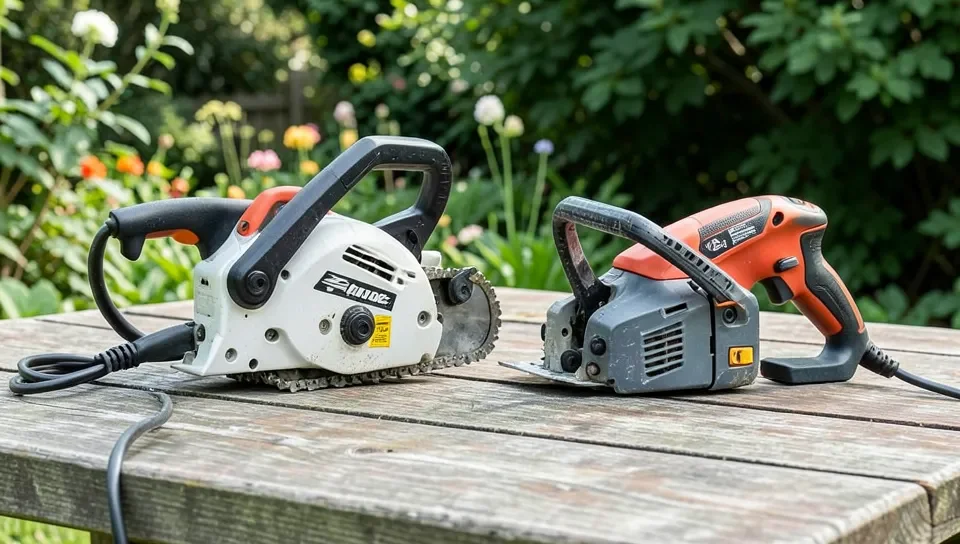
Corded saws plug into an outlet for constant, uninterrupted power — no battery to run down mid-job, and generally more consistent power for longer cuts. The tradeoff is the cord itself: it limits how far you can range from an outlet or extension cord, and it’s a real trip and cut hazard you have to manage as you work. Cordless saws run on a rechargeable battery, trading unlimited runtime for complete freedom of movement — ideal for working away from an outlet, at the cost of needing to recharge and keep an eye on remaining battery life during longer sessions.
Key Features To Consider
Motor size and adjustable speed matter for matching the tool to the job — higher speed for thicker branches, lower speed for thin, precise cuts. Blade or chain quality affects both cut quality and how often you’ll need to sharpen or replace it; a corrosion-resistant blade and an easy replacement process both save real hassle over time. If your “electric hand saw” is actually a reciprocating saw with a pruning blade rather than a dedicated chainsaw-style tool, blade choice matters even more — see our comparison of reciprocating saw blades for pruning for real TPI and length guidance by branch size. Beyond the cutting mechanism, an ergonomic grip and manageable weight reduce hand fatigue and improve control, which matters for both comfort and safety on longer jobs.
Safety Tips For Using Electric Saws
Even a small electric saw deserves real protective gear and careful technique — most injuries with these tools come from complacency, not the tool itself being dangerous.
Proper Protective Gear
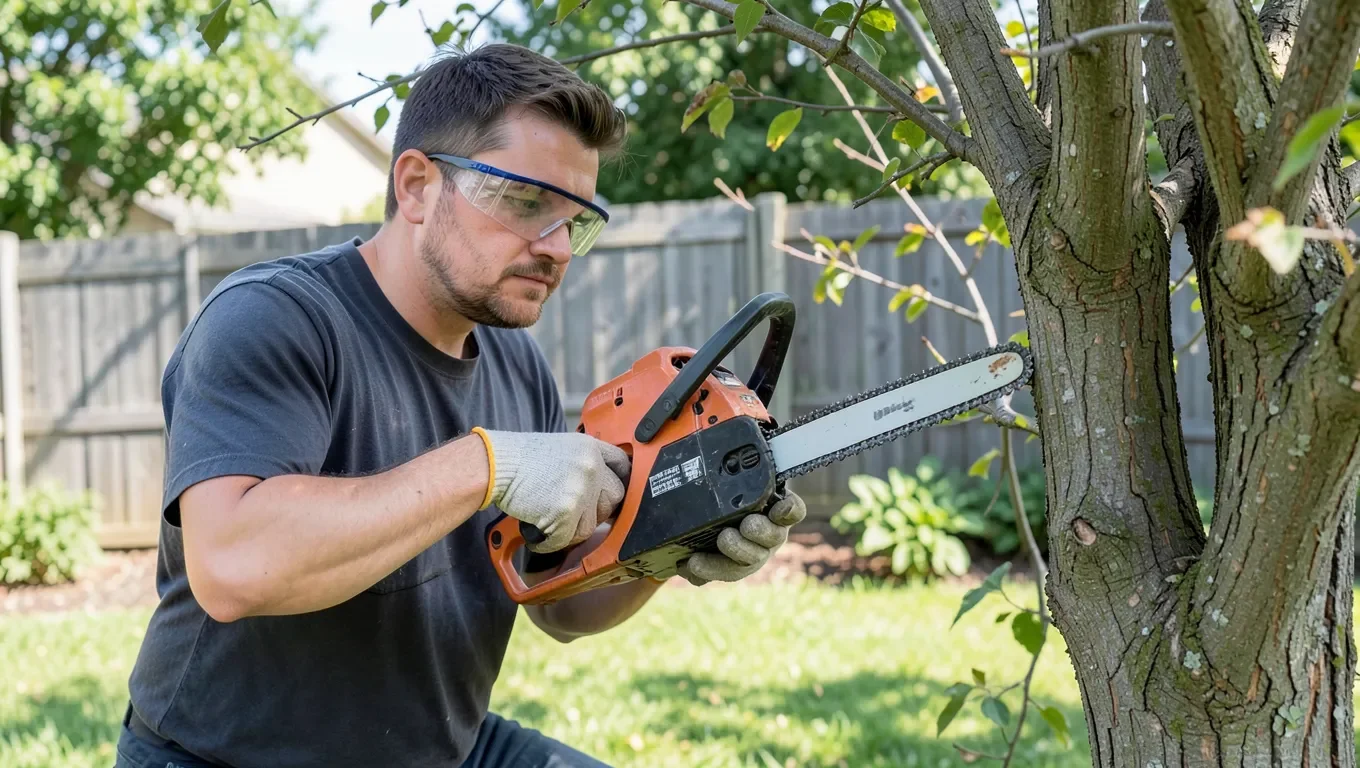
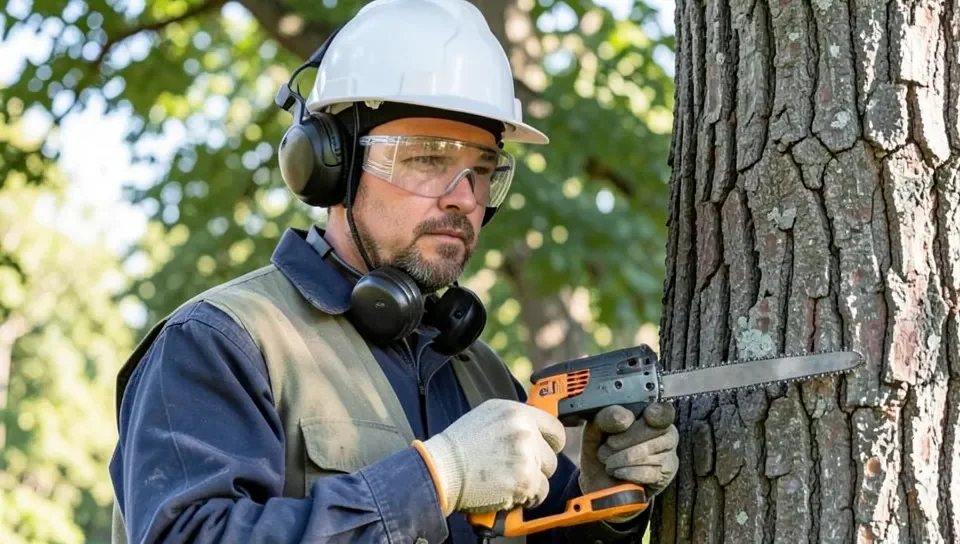
Safety glasses protect against flying wood chips, gloves guard against cuts and blisters, and ear protection matters more than people expect even on “quiet” electric tools during extended use. Sturdy footwear and long sleeves round out a sensible minimum kit for any branch-cutting session.
Safe Operating Practices
Check the saw before every use, hold it with both hands when the design allows, and never operate it while fatigued — fatigue is when small mistakes happen. Keep bystanders, kids, and pets well clear of your cutting area, and think through where a cut branch will fall before you make the cut, since even a small branch can spring back or drop unpredictably. If you’re dealing with anything beyond small branches — a real felling job, a leaning or damaged tree, anything near power lines — that’s a job for a proper chainsaw, the right technique, or a professional arborist, not a compact electric hand saw.
Maintenance And Care
Wipe the saw down and clear away dust and wood debris after every use, and lubricate moving parts per the manufacturer’s manual — too much oil just attracts more dust and grime. Sharpen the blade or chain when cuts start requiring more force than usual, and replace it outright once it’s too worn to sharpen effectively; always match the replacement to the size and type the manual specifies.
Comparing Electric To Manual Saws
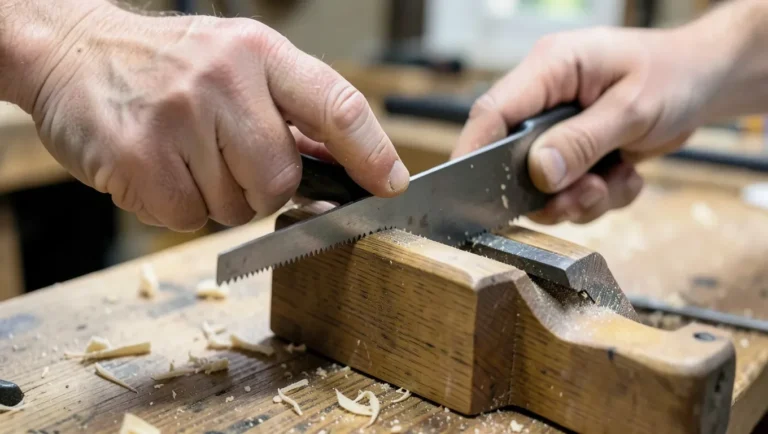
Electric saws cut faster with less physical effort and are genuinely better for repeated or larger volumes of branch work — you’re not getting tired arms halfway through a job. Manual saws cost less upfront, need no power source or charging, and are more portable in the sense that there’s never a dead battery, but they demand more physical effort and regular sharpening. For occasional light pruning, a manual saw is often the more practical, lower-maintenance choice; for regular yard work, electric earns back its cost in time and effort saved.
Tips For Efficient Tree Cutting
Plan your cuts before starting: look at the branch’s size, angle, and what it will do once it’s cut free, and clear away obstructions in your own path first. Keep clear of power lines entirely, and mark straight cut lines if precision matters for the project. Charge cordless batteries fully before starting so you’re not stopped mid-job.
Wood type and condition matter too: softwoods generally cut faster and easier than dense hardwoods, and wet or green wood cuts differently (often easier to cut, but the wood itself can be more slippery to handle) than fully dried wood. Approach dead or old branches with extra caution — they can break or drop suddenly and unpredictably compared to healthy live wood.
Frequently Asked Questions
What Is An Electric Hand Saw For Trees?
It’s a lightweight, electric-powered saw (corded or battery) designed for pruning and cutting branches and small trees — not a substitute for a full-size chainsaw on large trees. It’s efficient, easy to handle, and well-suited to small to medium branch work.
How Do You Use An Electric Hand Saw?
Make sure it’s charged or properly plugged in, hold it firmly with both hands where the design allows, position the blade against the branch, and apply steady, consistent pressure as you cut. Wear protective gear every time, even for quick jobs.
Are Electric Hand Saws Safe For Beginners?
Generally yes, for branch and small-tree work — they’re designed to be user-friendly. Read the manual first, wear protective gear every time, and stay within the tool’s actual scope (branches and small trees, not felling large trees) to keep the risk genuinely low.
How Do Electric Hand Saws Compare To Manual Saws?
Electric saws cut faster and need less physical effort, which matters most for frequent or heavier pruning work. Manual saws are cheaper, need no charging or power source, and are often the more practical choice for occasional, light use.
Conclusion
An electric hand saw is a genuinely useful tool for pruning and small-tree work — lighter, quieter, and lower-maintenance than a gas equivalent, provided you respect what it’s actually built for. Wear real protective gear, keep bystanders clear, and hand off anything beyond branch-scale work (real felling, leaning or damaged trees, anything near power lines) to a proper chainsaw and technique or a professional arborist.
Sponsored / affiliate links. As an Amazon Associate I earn from qualifying purchases. I may earn additional commission from eligible campaigns.