What is Tung Oil Made from: Discover Its Natural Origins
Tung oil is made from the seeds of the tung tree. These seeds are pressed to extract the oil.
This natural oil has a long history and is prized for its protective qualities. Tung oil has been used for centuries. Originating in China, it is known for its water-resistant properties. The oil is often used to finish wood, giving it a durable and glossy sheen.
Unlike other oils, tung oil penetrates deeply into wood, providing long-lasting protection. Its unique qualities make it a favorite among woodworkers and craftsmen. Understanding what tung oil is made from helps appreciate its benefits. This blog post will delve into the origins and uses of this remarkable oil. Let’s explore why tung oil is a top choice for wood finishing.
Credit: biloxihistoricalsociety.org
Introduction To Tung Oil
Tung oil is derived from the seeds of the tung tree. This tree is native to China and other parts of Asia. The oil has been used for centuries in various applications. It is known for its waterproofing properties.
Tung oil has a long history in China. Ancient Chinese used it to protect ships and wooden objects. Over time, it spread to other regions. Today, it is popular worldwide.
People use tung oil for finishing wood. It gives a beautiful, natural look. It is also used in paints and varnishes. The oil helps protect surfaces from water and other damage.
Source Of Tung Oil
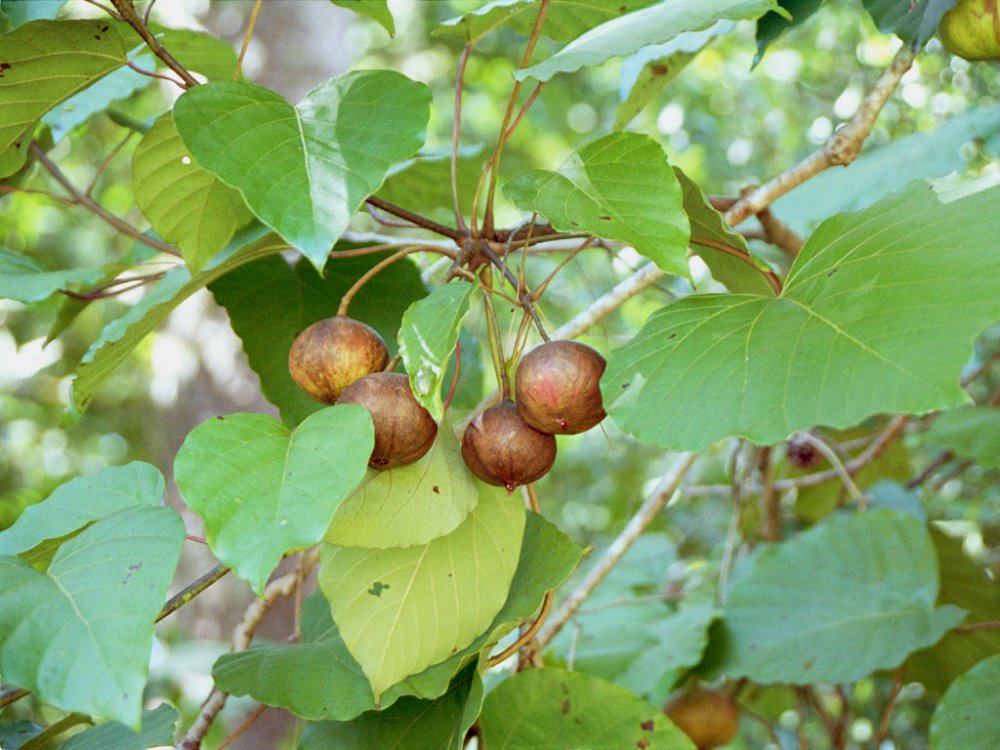
Tung oil comes from the seeds of the Tung Tree. The tree is also known as Aleurites fordii. It belongs to the spurge family, Euphorbiaceae. The tree grows fast and has broad leaves. These trees can reach heights of up to 40 feet. Tung trees produce fruit that is similar to a small peach. Inside the fruit, there are seeds. These seeds are where we get the oil.
The Tung Tree thrives in China and South America. It also grows in India and Japan. These trees need a warm climate. They prefer well-drained soil. Farmers plant them in subtropical regions. In the United States, they are found in Florida and Mississippi. These areas provide the right conditions for the tree to grow.
Harvesting Tung Nuts
Tung trees need warm weather to grow. They are usually found in tropical places. The soil must drain well. Farmers plant seeds in the ground. They water the plants often. This helps the trees grow strong. Weeds must be removed. They take nutrients from the soil. Farmers use tools to keep the area clear. Trees need space to grow. They are planted far apart.
Tung nuts are harvested by hand. Workers pick the nuts from the trees. Sometimes, they shake the trees. The nuts fall to the ground. They are collected in baskets. The nuts are then sorted. Bad ones are thrown away. Good ones are kept for oil. This process is simple but important.
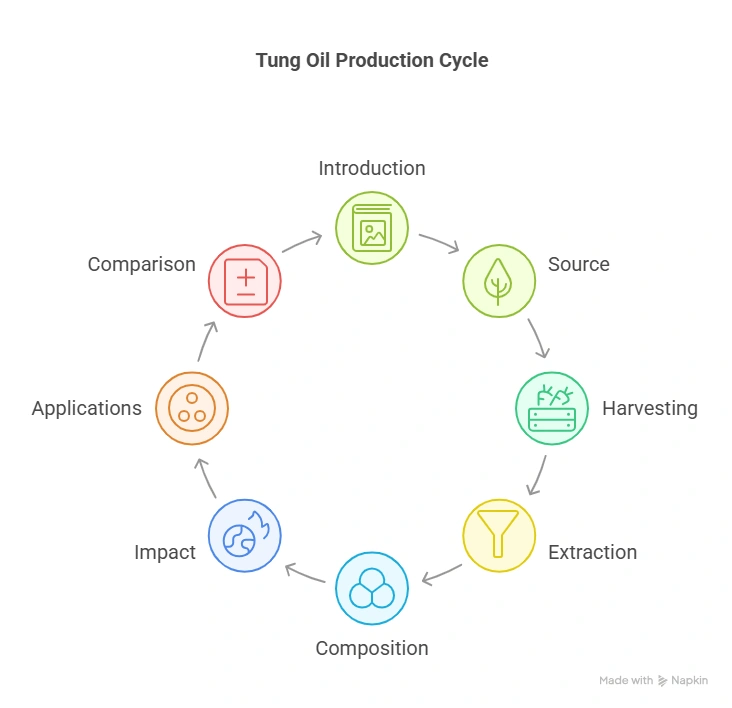
Extraction Process
Tung oil comes from the seeds of the tung tree. The seeds are collected and cleaned. Then, they are dried. This makes them ready for pressing.
There are two main pressing methods. The first method is cold pressing. Cold pressing does not use heat. It keeps the oil pure and natural.
The second method is hot pressing. Hot pressing uses heat. This helps get more oil from the seeds. But it can change the oil’s quality.
After pressing, the oil needs refining. Refinement removes impurities. This makes the oil ready for use.
First, the oil is filtered. Filtering removes solids and debris. Then, it is heated. Heating helps remove water and other unwanted substances.
Finally, the oil is packaged. It is now ready for sale. This refined oil can be used for many purposes.
Chemical Composition
Tung oil contains several important parts. The main one is eleostearic acid. This makes up most of the oil. Other acids are also there. Linoleic acid and oleic acid are examples. Each part gives tung oil its special properties.
Tung oil is known for its drying ability. It dries quickly. This makes it great for wood. It forms a hard layer. This protects the wood. It also makes it shiny. Tung oil is also water-resistant. This keeps the wood safe from water. It also stops mold from growing.
Credit: www.thisoldhouse.com
Environmental Impact
Tung oil is eco-friendly. It is made from seeds of tung trees. These trees grow fast. They need little water. This reduces water use. Tung trees are hardy. They resist pests. No need for pesticides.
Sustainability is key. Tung oil production is good for the planet. It has low carbon footprint. The process is simple. Less energy is used. Less pollution is created.
Tung oil is biodegradable. It breaks down naturally. This is safe for the environment. Using tung oil helps preserve nature. It is a smart choice for green living.
Applications In Woodworking
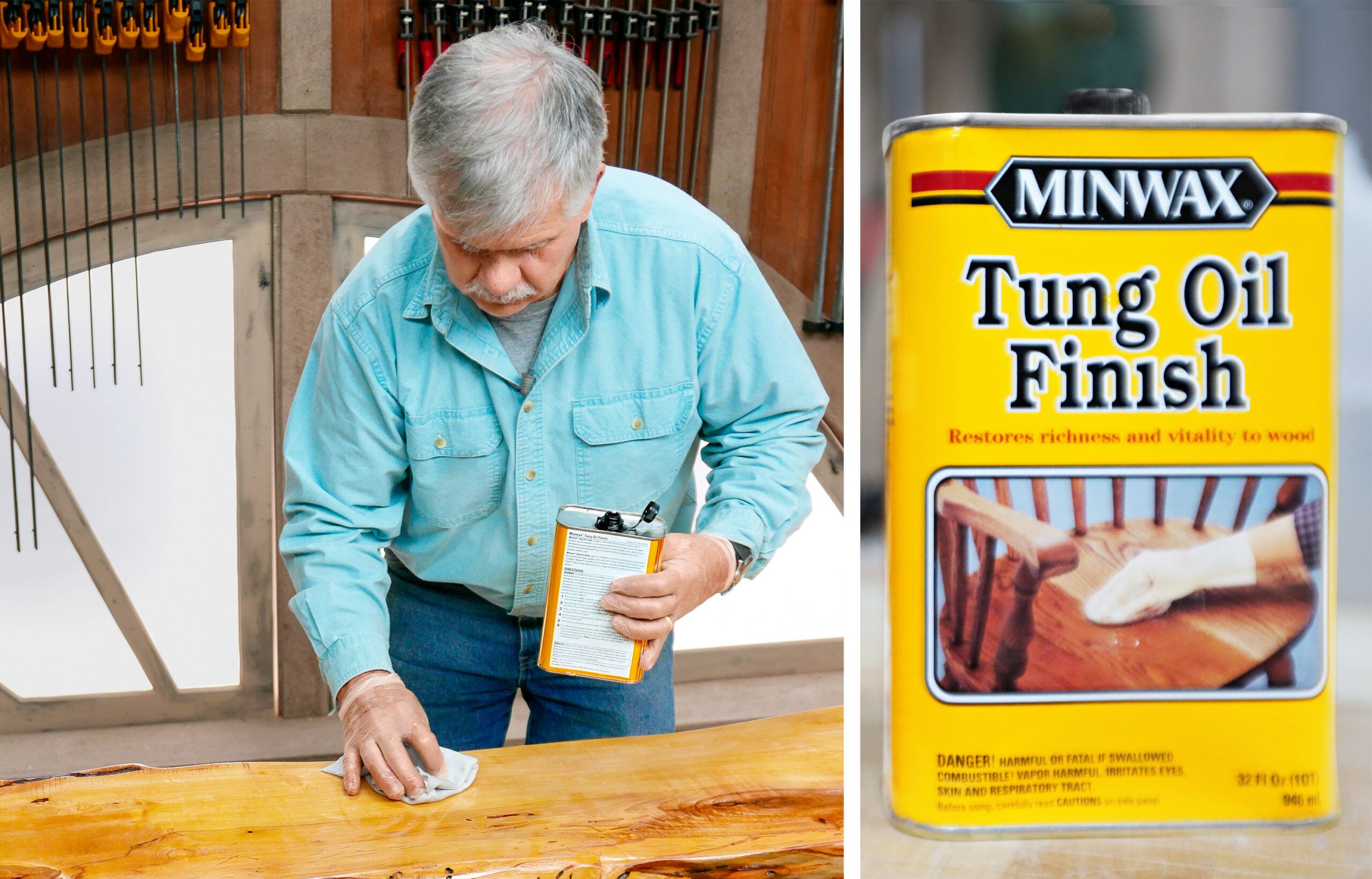
Tung oil is a natural oil used in woodworking. It provides a protective coating for wood surfaces. This oil penetrates deeply into the wood. It forms a strong barrier against water and dirt. The coating is also resistant to mold and mildew. It helps keep the wood safe and durable for a long time. Many woodworkers prefer tung oil because it enhances the wood’s natural beauty.
Tung oil improves the appearance of wood. It gives the wood a rich, warm glow. The finish is often smooth and glossy. This oil also darkens the wood over time. This change makes the wood look more elegant and aged. Many people use tung oil to restore old furniture. It brings out the original charm of the wood. Tung oil is a popular choice for both new and old wood projects.
Comparing Tung Oil With Other Oils
Linseed oil comes from flax seeds. It penetrates wood well. This oil dries slower than tung oil. It needs multiple coats. Linseed oil gives a yellowish finish. It is less water-resistant.
Danish oil is a mix. It has oil, varnish, and thinner. This oil dries quicker than tung oil. It offers a glossy finish. Danish oil is easy to apply. It is good for indoor furniture.
Frequently Asked Questions
What Are The Disadvantages Of Tung Oil?
Tung oil can be expensive. It requires multiple coats and long drying times. It may darken wood over time.
Is Tung Oil Really Food Safe?
Yes, pure tung oil is food safe. It is a natural drying oil and non-toxic once fully cured. Always ensure the product is 100% pure tung oil.
Does Tung Oil Waterproof Wood?
Yes, tung oil waterproofs wood. It penetrates deeply, providing a water-resistant finish and protecting the wood from moisture.
Is Tung Oil All Natural?
Yes, tung oil is all natural. It is derived from the seeds of the tung tree. This oil is eco-friendly and safe for various uses.
Conclusion
Tung oil is made from the seeds of the tung tree. This natural oil has many uses. It protects wood and gives a rich finish. People value it for its durability. Tung oil is also eco-friendly. It’s a great choice for various projects.
Understanding its origin helps in making informed decisions. Try tung oil for your next wood project. You will appreciate its unique benefits.