What is UFP Wood?: Unveiling Its Strengths & Uses
UFP Wood stands for “Universal Forest Products Wood”. It is a type of wood that is manufactured by Universal Forest Products, a company that specializes in wood products.
UFP Wood is a popular choice for those who are looking for a high-quality, durable wood product. It is made from high-quality materials and is designed to withstand the elements. This type of wood is commonly used in construction, furniture making, and other woodworking projects.
UFP Wood is also known for its versatility, as it can be used for a wide range of applications. Whether you are building a deck, creating a piece of furniture, or constructing a home, UFP Wood is a reliable and long-lasting option.
Introduction To UFP Wood
UFP Wood, also known as Universal Forest Products, is a versatile material used in construction projects. It offers durability and aesthetic appeal, making it a popular choice for various applications in the building industry. This sustainable option is favored for its strength and eco-friendly properties.
The Basics Of Ufp Wood
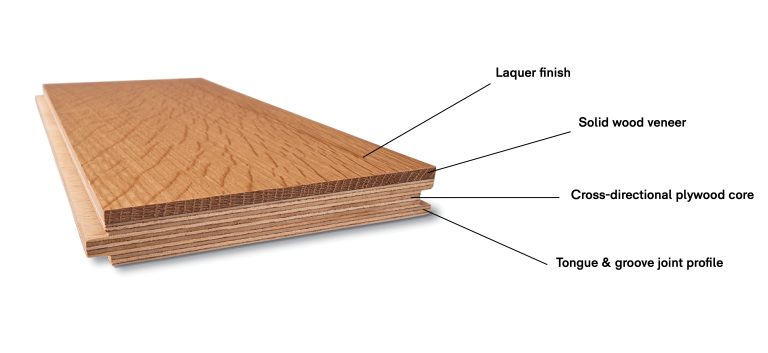
UFP Wood, also known as engineered wood or composite wood, is a type of wood product that is made from a combination of wood fibers, adhesives, and other materials. Unlike traditional solid wood, UFP Wood is designed to have enhanced durability, resistance to moisture and insects, and a consistent appearance.
One of the key benefits of UFP Wood is that it can be manufactured to specific dimensions and shapes, making it a versatile material for construction and design projects. It can be used for everything from decking and siding to furniture and decorative accents.
Popularity In Construction And Design
In recent years, UFP Wood has become increasingly popular in the construction and design industries due to its many advantages over traditional wood products. For example, UFP Wood is less susceptible to warping, cracking, and rotting, which can make it a more durable and long-lasting option for outdoor projects.
In addition, UFP Wood can be produced in a range of colors and finishes, allowing designers and builders to achieve a specific look or style. It is also a more sustainable option than traditional wood, as it is made from recycled materials and can be recycled itself.
Overall, UFP Wood is a versatile and durable material that has many benefits for construction and design projects. Its popularity is likely to continue to grow as more designers and builders recognize its advantages and incorporate it into their work.
The Making Of UFP Wood
UFP Wood, also known as Universal Forest Products, is a versatile and sustainable material used in various construction and DIY projects. It is made from carefully selected wood fibers and undergoes a precise manufacturing process to ensure durability and strength.
UFP Wood is an eco-friendly choice for both indoor and outdoor applications.
Raw Materials And Sourcing
UFP Wood is created using high-quality raw materials sourced sustainably.
The primary materials include timber logs, wood chips, and resin.
- Timber logs are sourced from responsibly managed forests.
- Wood chips are obtained from the cutting and chipping of logs.
- Resin is used as a bonding agent in the manufacturing process.
Manufacturing Process
The manufacturing of UFP Wood involves several key steps:
- Cutting: Logs are cut into smaller sections for processing.
- Chipping: Wood chips are created from the cut logs.
- Mixing: Wood chips are mixed with resin for bonding.
- Pressing: The mixture is pressed into boards under high pressure.
- Curing: Boards are cured to strengthen the bonding.
- Cutting and Finishing: Boards are cut to size and finished for market.
Unique Properties Of UFP Wood
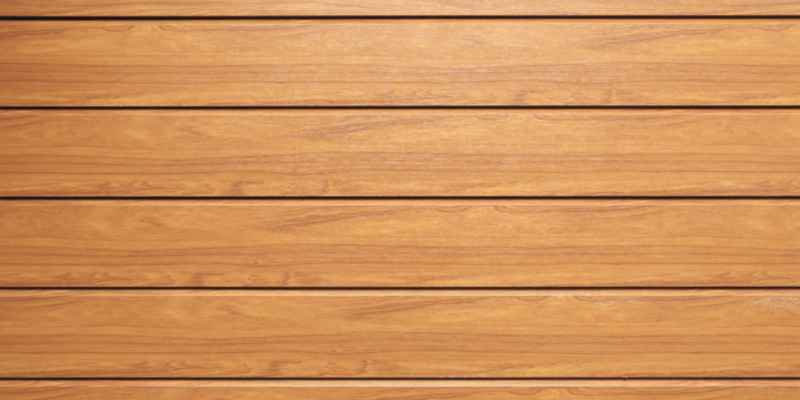
UFP Wood stands for Ultra-Fine Particle Wood, which is a unique material known for its exceptional properties. It is highly durable, lightweight, and resistant to warping, making it ideal for various applications in construction and furniture manufacturing. With its fine particles and advanced technology, UFP Wood offers unparalleled strength and versatility.
Strength And Durability
One of the unique properties of UFP wood is its exceptional strength and durability. This type of wood is engineered to be incredibly strong, making it an ideal choice for various construction and woodworking projects.
UFP wood is manufactured using a combination of natural wood fibers and synthetic materials, resulting in a product that is stronger than traditional wood. It is designed to withstand heavy loads, making it suitable for applications that require robust support and resistance to impact.
Due to its enhanced strength, UFP wood is less prone to warping, cracking, and splitting, ensuring a longer lifespan compared to regular wood. This durability makes it a cost-effective option as it reduces the need for frequent repairs or replacements.
Resistance To Elements
Another notable property of UFP wood is its exceptional resistance to various elements. This type of wood is specifically engineered to withstand harsh weather conditions, moisture, and pests, making it suitable for both indoor and outdoor applications.
UFP wood is treated with advanced preservatives and coatings that enhance its resistance to rot, decay, and insect damage. This makes it an excellent choice for outdoor decks, fences, and other structures that are exposed to moisture and pests.
Moreover, UFP wood is designed to resist fading, discoloration, and UV damage caused by prolonged exposure to sunlight. This feature ensures that the wood maintains its aesthetic appeal and structural integrity over time.
Comparing UFP Wood With Other Materials
When it comes to building materials, UFP (Universal Forest Products) wood is a popular choice due to its versatility and durability. Comparing UFP wood with other materials can provide valuable insights into its benefits and advantages.
UFP Wood Vs Traditional Lumber
UFP wood stands out in comparison to traditional lumber due to its engineered composition, which results in a more uniform and stable product. The precision engineering of UFP wood ensures consistent quality and performance, making it a reliable choice for various construction and woodworking applications.
Environmental Impact Considerations
When considering environmental impact, UFP wood offers several advantages over other materials. Its sustainable sourcing and manufacturing processes contribute to a reduced environmental footprint, making it an eco-friendly option for environmentally conscious projects.
Applications Of UFP Wood
UFP Wood, also known as ultra-fine particle wood, is a versatile material that finds numerous applications in various industries. From residential construction to commercial projects, and even creative uses in design, UFP Wood offers a range of benefits and possibilities. Let’s explore some of the key applications of UFP Wood in each of these areas.
In Residential Construction
In residential construction, UFP Wood is widely used for its durability, versatility, and cost-effectiveness. It can be employed in various aspects of building and remodeling homes, including:
- Framing: UFP Wood can be used for wall framing, roof trusses, and floor systems. Its strength and stability make it an excellent choice for supporting structures.
- Siding and Trim: UFP Wood can be used for exterior siding, trim, and fascia boards. Its aesthetic appeal and resistance to weather make it a popular choice for enhancing the exterior of residential buildings.
- Decking: UFP Wood is often used for building decks and outdoor living spaces. Its natural wood look and resistance to decay make it an ideal material for creating beautiful and long-lasting decks.
For Commercial Projects
UFP Wood is also widely utilized in commercial projects, offering a range of advantages for various applications. Some common uses of UFP Wood in commercial settings include:
- Structural Components: UFP Wood can be used for beams, columns, and other load-bearing elements in commercial buildings. Its strength and dimensional stability make it suitable for supporting heavy loads.
- Furniture and Cabinetry: UFP Wood is often used for manufacturing furniture and cabinetry in commercial spaces. Its versatility, durability, and aesthetic appeal make it an excellent choice for creating functional and visually appealing interiors.
- Interior Wall Systems: UFP Wood panels can be used for interior wall systems, providing an attractive and durable finish. They can be easily installed and offer acoustic and thermal insulation properties.
Creative Uses In Design
Besides its conventional applications, UFP Wood also offers creative possibilities in design. Designers and architects often explore unique ways to incorporate UFP Wood into their projects, such as:
- Sculptural Installations: UFP Wood can be carved, shaped, and assembled to create stunning sculptural installations in public spaces or artistic displays.
- Furniture Design: UFP Wood’s versatility allows for innovative furniture designs, ranging from sleek and modern to rustic and traditional.
- Art and Craft Projects: UFP Wood can be utilized in various art and craft projects, such as wood carving, laser cutting, and model making.
With its wide range of applications, UFP Wood continues to be a popular choice for professionals across different industries. Its strength, durability, versatility, and aesthetic appeal make it an excellent material for construction, commercial projects, and creative design.
Installation And Maintenance
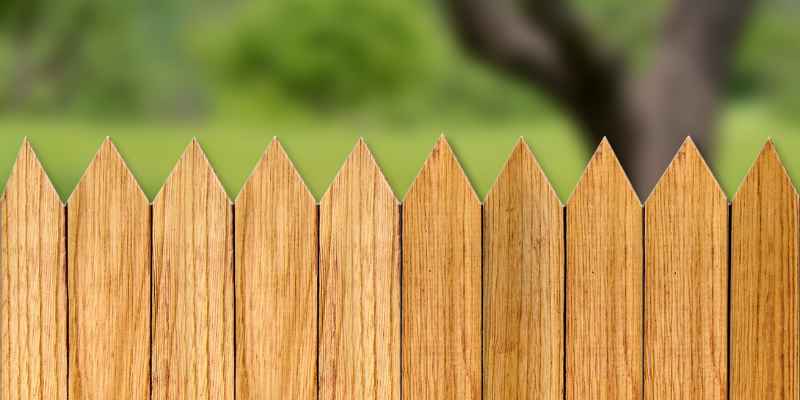
When it comes to UFP wood, proper installation and regular maintenance are key to ensuring its longevity and performance. By following best practices for installation and implementing long-term care and upkeep, you can maximize the lifespan of your UFP wood products.
Best Practices For Installation
- Prepare the installation area by ensuring it is clean and free from debris.
- Use appropriate fasteners and tools as recommended by the manufacturer.
- Follow the manufacturer’s guidelines for spacing and fastening the UFP wood.
- Consider environmental factors such as moisture and temperature during installation.
Long-term Care And Upkeep
- Regularly inspect the UFP wood for signs of wear, damage, or decay.
- Clean the wood surface as needed using mild soap and water.
- Apply a protective sealant or finish to maintain the wood’s appearance and integrity.
- Address any issues promptly to prevent further damage or deterioration.
Cost Analysis Of UFP Wood
UFP wood, also known as ultra-fine particles wood, is a material used in construction and furniture making. Its cost analysis involves evaluating expenses for sourcing, processing, and transportation. Understanding the cost dynamics of UFP wood is crucial for businesses to make informed decisions and manage budget effectively.
Initial Investment
When considering UFP wood, the initial investment is a crucial factor to analyze. This includes the cost of purchasing the wood itself and any additional materials needed for installation.
Longevity And Value Over Time
The longevity and value of UFP wood over time should be taken into account. It’s essential to evaluate how well the wood holds up and retains its value.
Case Studies
Exploring UFP Wood through real-world examples showcases its versatility and durability.
Residential Success Stories
- Enhanced curb appeal with UFP Wood siding and trim.
- Increased home value through UFP Wood deck installation.
- Transformed outdoor spaces with UFP Wood pergolas and fences.
Commercial Projects Showcase
- Revamped office exteriors using UFP Wood architectural elements.
- Constructed durable UFP Wood structures for retail spaces.
- Improved hospitality venues with UFP Wood interior accents.
The Future Of UFP Wood
Innovations In Production
New technologies enhance UFP Wood quality.
Trends In Wood Technology
Wood tech advancements shape UFP Wood industry.
Frequently Asked Questions
What Is UFP Wood?
Ufp Wood, also known as UltraFinishPrime Wood, is a premium quality wood product that has been specially treated with a unique primer coating. This coating provides enhanced durability and resistance to moisture, making it ideal for various indoor and outdoor applications.
Ufp Wood is widely used in construction, furniture, and other woodworking projects due to its exceptional strength and long-lasting performance.
Conclusion
UFP wood offers durability, versatility, and sustainability for various construction and woodworking projects. Its engineered design and eco-friendly nature make it a popular choice among builders and DIY enthusiasts. With its strength and cost-effectiveness, UFP wood is a reliable option for both residential and commercial applications.