Is a Poplar Tree a Hardwood? Botanical Classification Explained
Poplar is botanically a hardwood — it’s an angiosperm (a broad-leaf, deciduous tree) — but its Janka hardness rating of just 540 lbf makes it one of the softest woods a woodworker will ever cut, well below softwoods like Southern yellow pine (690 lbf). That contradiction confuses almost everyone who first hears it. This guide covers why the botanical label ignores actual hardness, how poplar’s 540 rating stacks up against real hardwoods and softwoods, and when to actually choose it for a project.
Why “Hardwood” Doesn’t Mean Hard
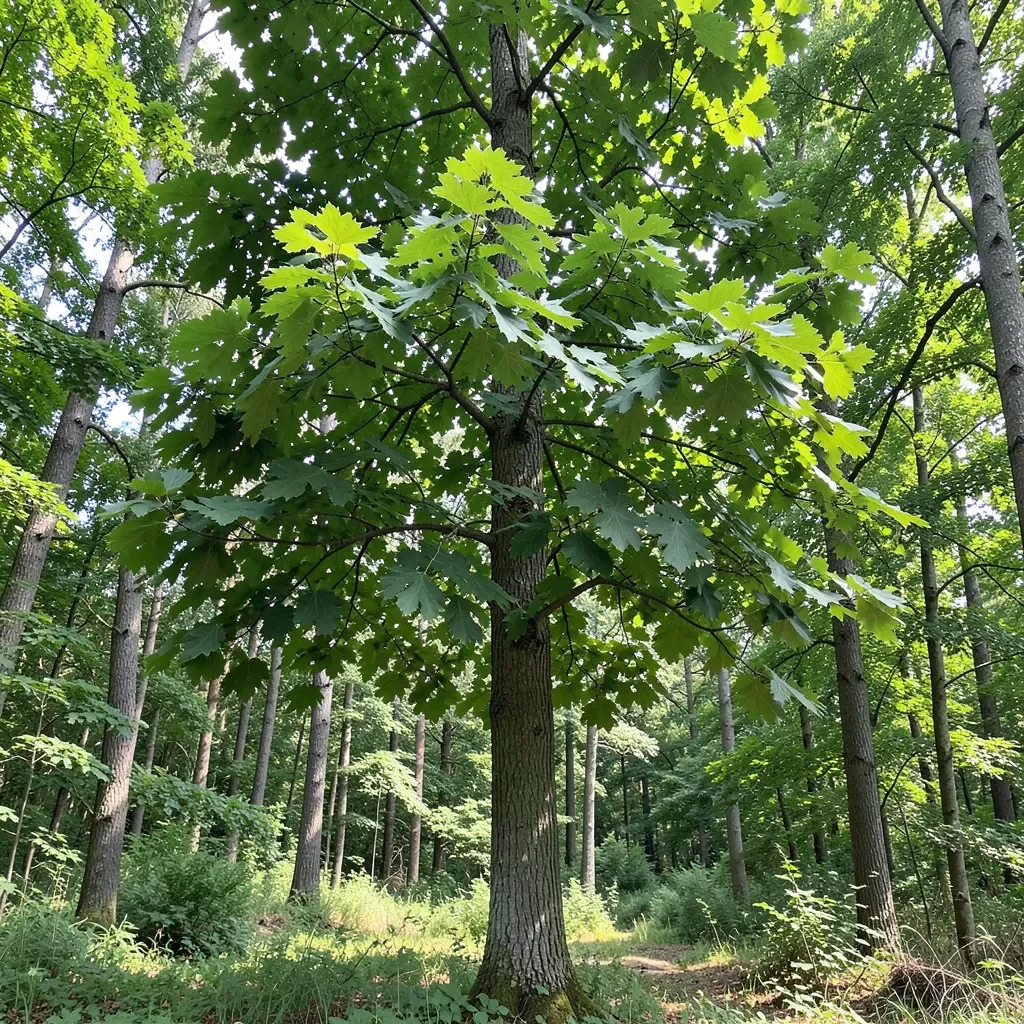
Hardwood and softwood are botanical categories, not hardness ratings. Hardwood comes from angiosperms — flowering, broad-leaved, typically deciduous trees like oak, maple, and poplar. Softwood comes from gymnosperms — usually needle-leaved, cone-bearing evergreens like pine, fir, and cedar. The split is about how the tree reproduces and what its leaves look like, not how dense or dent-resistant its wood actually is.
That’s why balsa wood — famous for being almost feather-light — is botanically classified as a hardwood, while some cedars and pines out-perform several actual hardwoods on the Janka scale. Poplar sits in exactly this gap: a genuine angiosperm, genuinely called a hardwood, and genuinely one of the softer boards you’ll find at the lumberyard.
Best Primer for Poplar’s Mineral Streaks
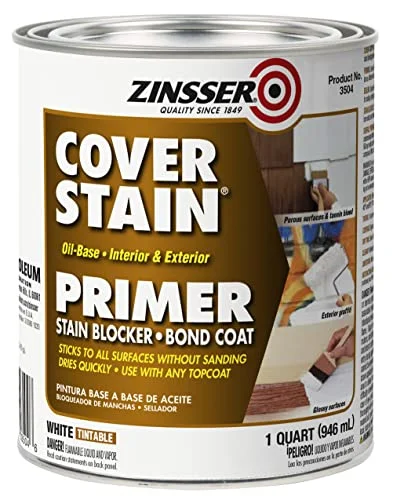 |
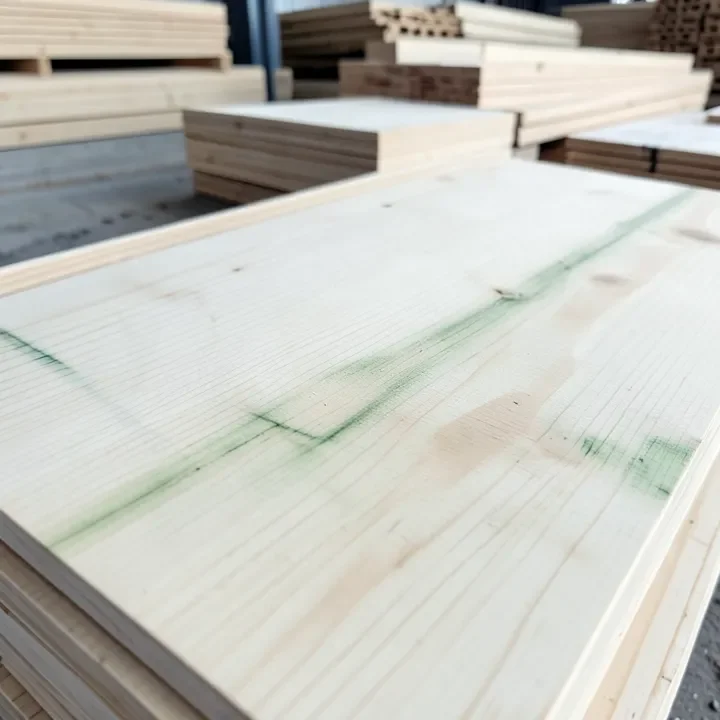
Zinsser Cover-Stain Oil-Base Stain-Blocking Primer, Quart – $18.98 Poplar often has natural green or purple mineral streaking that bleeds through most paint unless the surface is stain-blocked first — this is the primer made for exactly that.
|
Poplar’s Janka Hardness vs Real Hardwoods and Softwoods
The Janka test measures the force (in pounds) needed to embed a small steel ball halfway into a piece of wood — the higher the number, the harder the surface. Poplar’s 540 lbf rating puts it well below most hardwoods used in furniture and flooring, and even below some common softwoods.
| Species | Category | Janka Hardness (lbf) |
|---|---|---|
| Hard Maple | Hardwood | 1,450 |
| White Ash | Hardwood | 1,320 |
| Red Oak | Hardwood | 1,290 |
| Black Walnut | Hardwood | 1,010 |
| Cherry | Hardwood | 950 |
| Southern Yellow Pine | Softwood | 690 |
| Yellow Poplar | Hardwood | 540 |
| Eastern White Pine | Softwood | 380 |
| Balsa | Hardwood | ~90–100 |
📊 Poplar rates 540 lbf on the Janka scale — softer than Southern yellow pine (690 lbf), a softwood — Source: Janka Hardness Test, standard wood-hardness reference values
What Poplar Is Actually Good For
Poplar’s low hardness is a genuine advantage for certain work: it cuts, routs, and sands with far less tool wear than oak or maple, holds paint better than almost any hardwood because of its tight, even grain, and costs a fraction of what harder domestic hardwoods run per board foot. That combination is exactly why it’s the standard choice for paint-grade cabinet doors, interior trim, plywood cores, and furniture frames that will be painted rather than stained.
What it’s not good for: anything that takes daily impact or foot traffic. Poplar flooring, stair treads, or high-use tabletops will dent and scuff far faster than oak or maple in the same spot. And poplar’s biggest cosmetic issue — not its softness — is the greenish or purplish mineral streaking that runs through many boards, which is why it’s almost always painted rather than left with a clear finish.
Poplar vs Pine: Which Should You Actually Use?
This is the comparison that actually matters more than “is it a hardwood,” since poplar and pine compete directly for the same paint-grade projects. Pine (Eastern white, at 380 lbf) is softer and cheaper than poplar, with visible grain and knots that read as rustic even under paint. Poplar’s fine, uniform grain hides brush marks and sands to a glassier finish, but costs more and has that mineral-streak issue pine doesn’t. For furniture and trim that will be painted a solid color, poplar’s smoother finish usually wins; for a rustic or knotty look, pine is the cheaper, faster option.
Frequently Asked Questions
Is a Poplar Tree a Hardwood?
Yes, botanically. Poplar is an angiosperm (a broad-leaf, deciduous tree), which is the technical definition of hardwood. But its Janka hardness of 540 lbf makes it one of the softest hardwoods sold, softer than several softwoods like Southern yellow pine.
Why Is Poplar Called a Hardwood If It’s So Soft?
Because “hardwood” and “softwood” are botanical classifications based on tree reproduction and leaf type, not wood density. Hardwoods are angiosperms; softwoods are gymnosperms (cone-bearing evergreens). Poplar’s tree biology qualifies it as a hardwood even though its wood tests soft.
Is Poplar Wood Suitable for Outdoor Use?
Not without heavy protection. Poplar has no natural rot or insect resistance, so it needs a full exterior-grade primer, paint, or sealant system on every surface for outdoor projects, and even then it will hold up worse than cedar, redwood, or pressure-treated lumber.
What’s the Green or Purple Streaking in Poplar Boards?
That’s natural mineral staining from the tree absorbing minerals through its roots, not a defect or fungal issue. It doesn’t affect strength, but it does show through clear finishes, which is why poplar is almost always painted rather than stained.
Conclusion
Poplar is a real hardwood by botanical definition, but at 540 lbf on the Janka scale it’s one of the softest boards labeled that way. Use it for paint-grade furniture, trim, and cabinet doors where its smooth grain and low cost pay off, and skip it for flooring or anything that takes daily impact.