What Kind of Paint Do You Use for Water Marbling: Expert Guide
Are you intrigued by the mesmerizing swirls and patterns of water marbling but unsure about what kind of paint to use? You’re not alone.
Choosing the right paint is crucial for achieving those stunning, vibrant designs that seem to dance on water before transferring perfectly onto your canvas. Imagine the satisfaction of seeing your creative visions come to life with just the right colors and fluid movements.
You’ll discover the best types of paint for water marbling, ensuring your artistic endeavors not only meet but exceed your expectations. Dive into the details with us, and unlock the secrets to mastering this captivating art form.

Credit: www.ssww.com
Water Marbling Basics
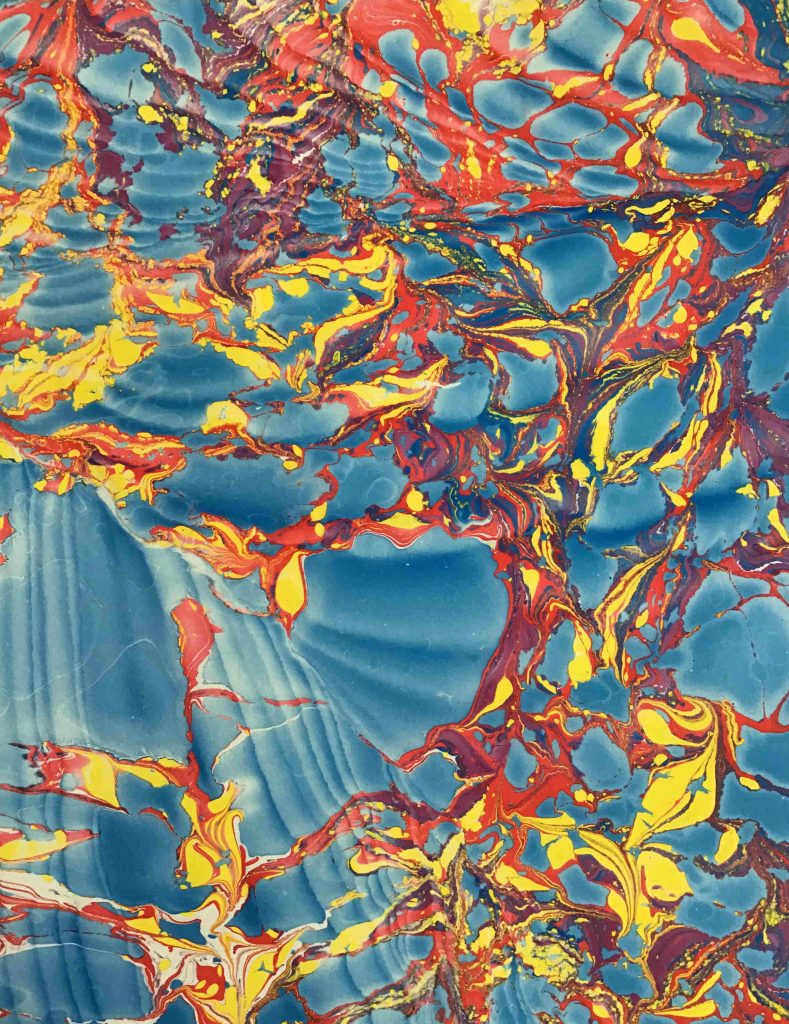
Water marbling is an ancient art. It started in Central Asia. Artists create patterns on water. Then, they transfer these patterns onto paper or fabric. This technique requires patience and precision. Each marbled piece is unique. No two designs are ever the same. It involves a simple process. Paint floats on water. Then, it forms beautiful patterns. These patterns are then captured on paper.
Several materials are needed for water marbling. Begin with a shallow tray. It holds the water and paint. Use clean water for better results. Special marbling paints are essential. They are lighter and float better. Traditional paints might sink. A comb or stick helps create patterns. Paper or fabric catches the design. Alum powder preps the paper. It helps the paint stick. Finally, have some paper towels. They help in drying and cleaning.
Types Of Paint For Water Marbling
Acrylic paints are popular for water marbling. They are easy to use. These paints come in many colors. They dry quickly and are safe. Acrylics mix well with water. Kids love their bright colors. Artists use them for bold designs.
Oil paints are another option. They have a shiny look. These paints take longer to dry. Some artists prefer oil for its rich texture. Oil paints can be tricky for beginners. They need special care and handling.
Specialized marbling paints are made for water marbling. They float well on water. These paints create beautiful patterns. They are simple to use. Artists buy them for unique designs. Specialized paints work best with marbling kits.
Choosing The Right Paint
Paint must be smooth and flow well. Thick paint does not spread nicely. Thin paint spreads too much. Medium consistency is best. It allows for beautiful designs. Acrylic paints are often chosen. They have the right texture. Water-based paints can work too. They mix well with water. Check the label before buying. Ensure it says suitable for marbling. Experiment with different brands. Each may offer unique results.
Bright colors are perfect for marbling. They make designs pop. Mix different colors for fun effects. Some paints blend easily. Others may not. Test colors before using. Ensure they create vibrant patterns. Primary colors are a safe choice. They mix to form many hues. Metallic paints add shine. They give a unique touch. Be careful when mixing. Too many colors can turn muddy. Keep designs simple but bold.
Preparing Paint For Marbling
Using the right water-to-paint ratiois important. Too much water makes the paint too thin. It won’t float well. Too little water keeps the paint thick. It won’t spread nicely. Start with equal parts water and paint. Stir well to mix. Add more water if needed. Check the paint’s flow. Adjust until it’s just right.
Marbling mediums help paint float better. They also make colors brighter. Add a small amount to each color. Mix well. Some mediums are already in liquid form. Others come as powders. Read instructions on the package. Use the right amount. This helps create beautiful patterns.
Applying Paint To Water
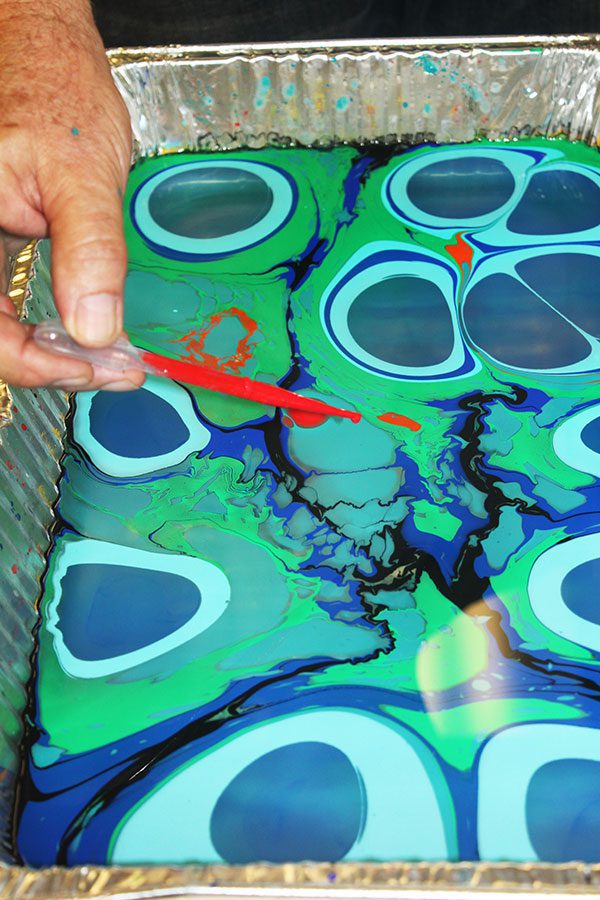
Water marbling is fun and creative. Acrylic paint works best. It’s thick and bright. Pour paint on water gently. Use different colors for beautiful patterns. Swirl them with a stick. Patterns appear like magic. Each swirl makes a unique design. Bold colors look striking on paper.
Control is key in water marbling. Use a small amount of paint first. Too much paint spreads fast. Paint should float, not sink. Thin paint spreads evenly. You can use a dropper. It helps control flow. Slow movements create neat designs. Fast movements can mix colors. Practice makes the patterns perfect.
Credit: justpaint.org
Common Challenges And Solutions
Paint sinkingis a common problem in water marbling. It often happens because the paint is too heavy or thick. To fix this, thin the paintwith water. It should be like milk. Another solution is to add a bit of surfactant. This helps paint float better.
Spreading unevenlycan also be frustrating. Sometimes the water is too cold. Warm the watera little. This can help the paint spread smoothly. Using a clean trayalso helps. Dirt can make paint spread in a strange way.
Achieving Desired Patterns
Making pretty patterns is fun. Start by dropping paint gently. Different colors should be used. Each drop should be smaller than the last. This creates a nice ring effect. Use a toothpickor stick to swirl the paint. This forms unique designs. Be careful not to mix too much. Patterns can get messy quickly.
Expert Tips For Successful Marbling
Choosing the right paint is key for water marbling. Acrylic paints work well. They float on water nicely. Oil paints can also be used. They give bright colors. Consistency matters most. Paint should be thick but not too much. Thin paints may sink. Test different brands to see results. Some paints spread better. Always use high-quality paints for best results.
Try different marbling techniques to create unique patterns. Swirling with a stick makes interesting shapes. Dropping paint in water forms circles. Comb tools create stripes. Blowing on paint can make waves. Layering colors brings depth to designs. Each technique changes the final look. Practicing helps you get better. Experiment with colors and tools. Discover what works best for you.

Credit: www.doodlecraftblog.com
Popular Projects And Uses
Acrylic paints are perfect for water marbling, offering vibrant colors and easy mixing. Artists often use these for unique patterns on paper and fabric. Many projects, like decorative items and art pieces, benefit from their versatility and rich hues.
Decorative Art Pieces
Water marbling paint creates beautiful decorative art pieces. Colors swirl and blend in unique patterns. Each piece is one-of-a-kind. Artists love using it for canvas art. It’s perfect for home decorations. People use it for wall hangings. Even small items like postcardsbecome special. The paint is also used on ceramic surfaces. Vases and bowls turn into art. Jewelry makersfind it useful too. Pendants and earrings gain unique designs. Paints are mostly acrylic-based. Some prefer using oil paints. Both work well with water marbling techniques.
Functional Applications
Water marbling isn’t just for art. It has functional uses too. Many use it for fabric design. T-shirts and scarves gain vibrant looks. The paint is used in stationery items. Notebooks and folders look amazing. It’s also seen in book covers. This makes reading fun. Paint makes gift wrappingspecial. People wrap presents with marbled paper. It adds a touch of elegance. Even furniture gets a makeover. Tables and chairslook modern and chic. Marbling is great for pottery. Cups and plates become standout pieces. It’s a creative way to make everyday items unique.
Frequently Asked Questions
What Paint Can I Use For Water Marbling?
Use acrylic paint for water marbling. It mixes well and provides vibrant colors. Ensure it’s thinned to flow easily. Quality matters for better results. Choose marbling-specific paints for enhanced effects. Avoid oil-based paints as they don’t mix well with water.
How To Mix Acrylic Paint For Water Marbling?
Mix acrylic paint with water and a marbling medium. Use equal parts for vibrant patterns. Stir gently to avoid bubbles. Adjust the consistency for desired flow. Apply onto water surface for marbling effect.
How To Do Water Marbling At Home?
Fill a container with water, add nail polish drops, and create patterns with a stick. Dip your item, remove it carefully, and let it dry.
Can Acrylic Paint Be Used As Water Paint?
Acrylic paint can mimic watercolors by diluting it with water. This creates a translucent effect. Use more water for lighter shades. Unlike true watercolors, it becomes waterproof when dry. Ideal for versatile techniques, acrylic offers flexibility and vibrant colors.
Conclusion
Choosing the right paint makes water marbling fun and successful. Acrylic paints are popular for their vibrant colors. Tempera paints offer a softer look, great for subtle designs. Oil paints are less common but can create unique effects. Always test your paint before starting.
This ensures it spreads well on water. Proper paint selection leads to beautiful marbling patterns. Experiment with different types for varied results. Enjoy the creative process and watch your designs come to life. Happy marbling!