How to Make Tacky Paint Dry on Rubber (Why It Stays Sticky)
Rubber often keeps paint tacky because it is non-porous and its plasticizers leach into the paint film, not because you did anything wrong. Thin, rubber-rated coats plus steady 55-75F airflow cure most paints in hours; thick coats, cold rooms, or the wrong formula can leave rubber sticky for days or crack it outright. This guide covers why rubber resists curing, the right paint and prep, and the exact drying window that actually works.
Quick Answer
Apply 2-3 thin coats of a rubber-rated paint (like Krylon Fusion) instead of one thick coat, dry it between 55-75F with a fan or a hairdryer on low heat held 12 inches away, and keep humidity under 60%. Most rubber-rated paints are dry to the touch inside an hour and fully cured within 24 hours if you skip thick, single-pass coats.
This guide is part of our broader paint-drying playbook — see all our paint guides for wood, plastic, and rubber projects.
What You’ll Need
Best Rubber Paint Pick
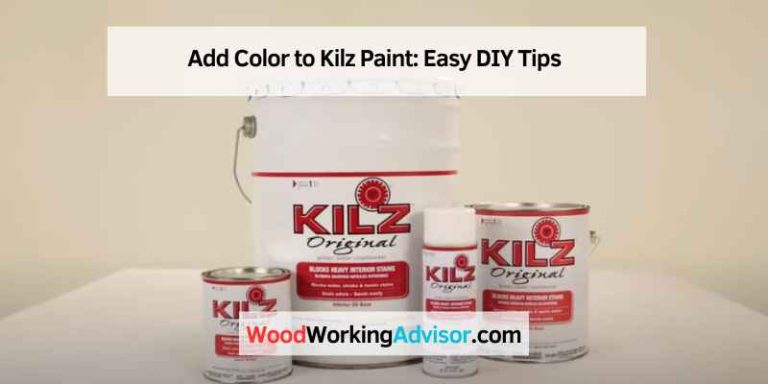
Krylon Fusion All-In-One Spray Paint, Matte Black, 12 oz
A paint-and-primer-in-one formula built to bond directly to rubber and plastic without sanding first.
- Best for: rubber mats, gaskets, tool grips, and trim that need a flexible, no-primer coat
- Why we picked it: skips the separate primer step and is rated for the 55-75F drying window this guide covers
- Main drawback: matte finish shows fingerprints more than a satin or gloss coat
Compare more rubber-paint options
 Option 1 Rust-Oleum Plastic Primer Spray
|
 Option 2 Rust-Oleum Universal All Surface, Satin Black
|
 Option 3 Mini Heat Gun for DIY Crafts and Drying Paint
|
As an Amazon Associate we earn from qualifying purchases.
- A rubber-rated paint (a plastic/rubber-specific spray paint such as Krylon Fusion All-In-One)
- Isopropyl alcohol and a lint-free cloth for cleaning the surface
- A rubber-safe primer or adhesion promoter (skip this if using a combo paint+primer formula)
- A small fan and a hairdryer or mini heat gun set to low heat
- Talcum powder or cornstarch, for stubborn tacky spots after drying
Why Rubber Keeps Paint Tacky (When Other Surfaces Don’t)
Rubber is non-porous, so paint sits on top of it instead of soaking in the way it does on bare wood. That alone slows curing. The bigger issue is chemical: most rubber compounds contain plasticizers and processing oils that continue to migrate to the surface for the life of the part, and those oils react with the solvents in standard paint, keeping the film soft. This is why an enamel or all-purpose spray paint that dries hard on wood or metal in an hour can stay gummy on rubber for days, no matter how long you wait.
A rubber-rated paint is a formula built with flexible resins and stronger bonding solvents that etch into the rubber surface and flex with it instead of sitting on top like standard enamel. That’s the difference between a coat that cures and one that stays tacky indefinitely.
📊 Rubber-rated spray paint is rated dry to the touch in about 25 minutes and dry to handle in 2 hours, with best results between 55F and 75F and humidity under 60%. — Source: Krylon Fusion All-In-One product specification
Choosing the Right Paint for Rubber
Not every paint works on rubber. Look for a paint labeled for plastic or rubber, or a flexible acrylic formula — both stay flexible instead of cracking when the rubber flexes. A combined paint-and-primer product, such as Krylon Fusion All-In-One, is worth the small price difference on rubber specifically: it removes the sanding-and-priming step that other formulas need to bond, which is one less place for a coat to go wrong. If the same project also has wood parts, check whether that spray paint works on wood too before buying two separate cans.
Before buying, check two things on the label: whether the rubber item will bend or stretch in use (pick a flexible-rated paint if so), and whether it will get wet (confirm the paint is waterproof or exterior-rated). Reading the can’s own dry-time and temperature window matters more on rubber than on any other surface, since that’s the number that decides whether you get a hard finish or a tacky one.
Preparing the Rubber Surface
A damp cloth alone often leaves behind the mold-release agents and processing oils that manufacturers use on new rubber, and those residues are a common reason paint won’t cure. Wipe the surface with isopropyl alcohol on a lint-free cloth instead — it cuts through oily residue that plain water and dish soap miss. Let the rubber dry completely; a hairdryer on low speeds this up. Dry rubber gives paint far better grip than damp rubber.
If you’re not using a combo paint+primer, apply a rubber-safe primer next and let it dry fully per the can’s instructions before painting. Skipping primer on glossy, factory-fresh rubber is one of the most common reasons a topcoat stays tacky no matter how long you wait.
How to Apply Paint So It Doesn’t Stay Tacky
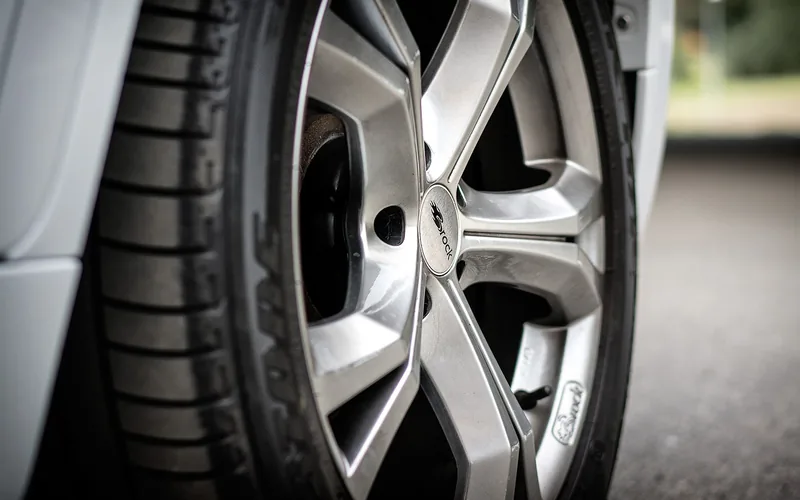
A brush gives more control on small parts and reaches tight spots evenly; spray covers large, curved rubber surfaces faster and more evenly with less risk of drips pooling in a seam. Either way, the fix for tackiness starts here: apply 2 to 3 thin coats instead of one heavy one, and let each coat dry for 30 to 60 minutes before the next. Thick, single-pass coats trap solvent underneath a skinned-over surface, and that trapped solvent is exactly what keeps a coat feeling tacky for days.
If your rubber project also involves painted wood trim nearby, the same thin-coat logic speeds up drying time on that surface too — rubber just needs it followed more strictly, since it has no pores to help pull solvent out of the film.
The Drying Window That Actually Works
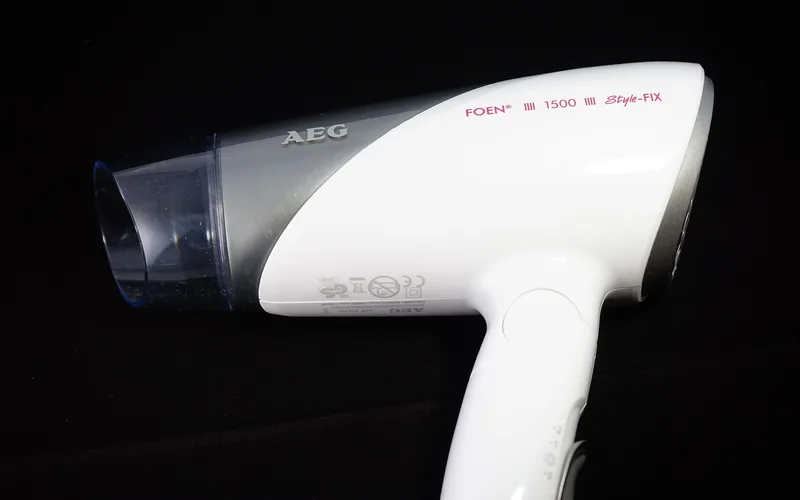
Heat speeds up curing, but rubber has a narrower safe range than wood or metal. Hold a hairdryer on its low setting at least 12 inches away and keep it moving — closer than that risks bubbling the paint or softening the rubber underneath it, especially on thin trim or gaskets. A small fan or a mini heat gun set low works the same way at a safer, steadier distance.
Good airflow matters as much as heat. Open a window, run a fan near the piece, and avoid painting in a closed room — trapped, humid air is one of the most common reasons paint stays tacky well past the can’s stated dry time. Aim for 55-75F and humidity under 60% if you can control the room; direct sunlight should be avoided, since it dries the surface layer too fast and cracks the coat while the layer underneath is still wet. Give the paint at least 24 hours before you handle the item, longer in cooler or more humid rooms.
How to Fix Paint That’s Already Tacky
If a coat is still tacky after 24 hours, dust it lightly with talcum powder or cornstarch and buff gently with a soft cloth — this absorbs surface stickiness while the coat finishes curing underneath. Improve airflow with a fan and, if the room is humid, run a dehumidifier; both address the underlying cause rather than masking it. For a stubborn coat, wiping with isopropyl alcohol before recoating can remove surface contamination that’s blocking cure, and a clear sealant coat over an otherwise-dry paint job can lock in tackiness that won’t fully release.
If it never hardens, the paint may simply be the wrong type for rubber. In our shop, the jobs that stayed tackiest longest were always ones sprayed straight onto glossy, oily rubber straight out of the package — a quick alcohol wipe and a rubber-rated paint fixed nearly every case after that. When a coat truly won’t cure, it’s usually faster to strip it and start over with the right formula than to keep waiting; the same lifting techniques used to get acrylic paint off a surface work on rubber too.
Common Mistakes That Keep Paint Tacky
- Using a paint not rated for plastic or rubber — standard enamel or wall paint has no defense against the oils rubber leaches into the film.
- Applying one thick coat instead of 2-3 thin ones — traps solvent under a skinned-over surface.
- Painting in a humid or closed room — humidity above 60% slows cure regardless of paint quality.
- Rushing the cure with direct sunlight or high heat — dries the top layer fast and cracks it while the paint underneath is still wet.
- Skipping alcohol cleaning or primer on glossy rubber — leftover mold-release oils block adhesion from the first coat.
- Using paint past its shelf life — expired spray paint often won’t cure evenly no matter what drying method you try.
Caring for Painted Rubber
Clean painted rubber with mild soap and water; harsh chemicals and solvents can lift a paint film that hasn’t fully hardened over its first few weeks. Store rubber items in a cool, dry place out of direct sunlight, since UV exposure is what causes both bare and painted rubber to crack over time. For touch-ups, clean the spot, let it dry, and apply fresh thin coats rather than one heavy patch — the same rule that prevents tackiness the first time around applies to every touch-up after it.
Frequently Asked Questions
Will tacky paint on rubber eventually dry on its own?
Yes, but it can take days instead of hours if you don’t help it along. Humidity, temperature, and the paint type all affect drying time on rubber specifically. Improve ventilation, add a fan or dehumidifier, and apply future coats thinner — a thinner coat is the single biggest factor in whether paint dries on schedule.
How do you fix sticky spray paint on rubber?
Wipe the surface gently with isopropyl alcohol on a soft cloth, then let it dry completely in a well-ventilated area. A light dusting of talcum powder or cornstarch also absorbs surface tackiness while the coat underneath keeps curing. Test any solvent on a hidden spot first to make sure it doesn’t damage the rubber.
How do you get paint to properly adhere to rubber?
Clean the rubber thoroughly with isopropyl alcohol, apply a rubber-rated primer if your paint isn’t a combo formula, then apply a flexible acrylic or rubber-specific paint in thin, even coats. Let each coat dry fully before the next, and keep the room ventilated throughout.
How do you harden tacky paint fast?
Increase airflow with a fan or open windows, and keep the room between 55F and 75F. Applying a thin layer of talcum powder to the surface can absorb surface stickiness while curing finishes underneath. Avoid adding another coat until the current one is fully dry, and use a dedicated paint hardener only as a last resort.
Why does paint stay tacky on rubber but not on wood or metal?
Rubber is non-porous, so paint sits on the surface instead of soaking in the way it does on wood. Rubber compounds also continuously leach plasticizers and processing oils to the surface, and those oils react with standard paint solvents and keep the film soft. A rubber-rated paint is formulated to resist that reaction; a general-purpose paint often isn’t.
Conclusion
Tacky paint on rubber almost always traces back to one of three things: the wrong paint, a coat applied too thick, or drying conditions outside the 55-75F, under-60%-humidity window. Clean with alcohol, prime if needed, apply 2-3 thin coats, and let airflow and moderate heat do the rest. Get those right and rubber cures as reliably as any other surface.
Sponsored / affiliate links. As an Amazon Associate I earn from qualifying purchases. I may earn additional commission from eligible campaigns.