Latex Paint vs Acrylic Paint: Key Differences Explained
Latex paint is actually a type of acrylic paint — both are water-based, and “latex” is a decades-old marketing term with no rubber content at all. The real difference is resin strength: 100% acrylic paint uses full-strength acrylic resin and typically lasts 10–12 years outdoors, while standard vinyl-acrylic “latex” lasts only 5–7 years and costs less. This guide covers the actual chemistry, a resin-by-resin comparison table, and which one to buy for your project.
Is Latex Paint the Same as Acrylic Paint?
Best 100% Acrylic Pick

Behr Marquee Exterior Paint & Primer (100% Acrylic)
One-coat 100% acrylic exterior formula, runs about $46–$49/gallon at Home Depot — rated for 10+ year exterior durability.
- Best for: exterior trim, fences, siding, wood doors
- Why we picked it: 100% acrylic resin, no separate primer coat needed on bare wood
- Main drawback: costs noticeably more than standard latex
Compare more paint project options
 Option 1 Behr Premium Plus Interior Latex
|
 Option 2 Purdy XL Dale 2″ Angled Sash Brush
|
 Option 3 FrogTape PaintBlock Painter’s Tape
|
As an Amazon Associate we earn from qualifying purchases.
Latex paint is a water-based paint that uses synthetic resin — historically vinyl-acrylic or PVA (polyvinyl acetate) — as its binder. No natural rubber latex has been used in house paint since the 1950s; the name stuck purely as marketing. Acrylic paint is also water-based, but the term specifically refers to paint made with 100% acrylic resin instead of a vinyl-acrylic blend. In other words, every “latex” paint on the shelf is already a type of acrylic paint — the real question is how much real acrylic resin it contains. Browse our full wood paints and finishes guides for more project-specific picks.
According to Sherwin-Williams’s paint technology education pages, 100% acrylic resin forms a tougher, more flexible film than vinyl-acrylic blends, which is why the two are marketed and priced differently even though both start from the same water-based, non-rubber chemistry.
100% Acrylic vs. Vinyl-Acrylic “Latex” vs. Oil-Based Paint
Here is how the three resin types actually compare on the properties that matter for a real project — not just marketing claims.
| Resin Type | Exterior Lifespan | Flexibility | Typical Cost/Gallon | Best For |
|---|---|---|---|---|
| 100% Acrylic | 10–12 years | Highest – expands/contracts with wood | $45–$55 | Exterior trim, siding, doors, decks |
| Vinyl-Acrylic “Latex” | 5–7 years | Moderate | $25–$35 | Interior walls, ceilings, low-movement surfaces |
| Oil-Based (Alkyd) | 7–10 years (chalks/yellows) | Low – brittle over time | $35–$50 | Metal railings, high-gloss trim (declining use, high VOC) |
📊 100% acrylic exterior paint lasts roughly 10–12 years versus 5–7 years for standard vinyl-acrylic latex — Source: Sherwin-Williams / industry paint technology data, 2026
When Should You Use 100% Acrylic Paint?
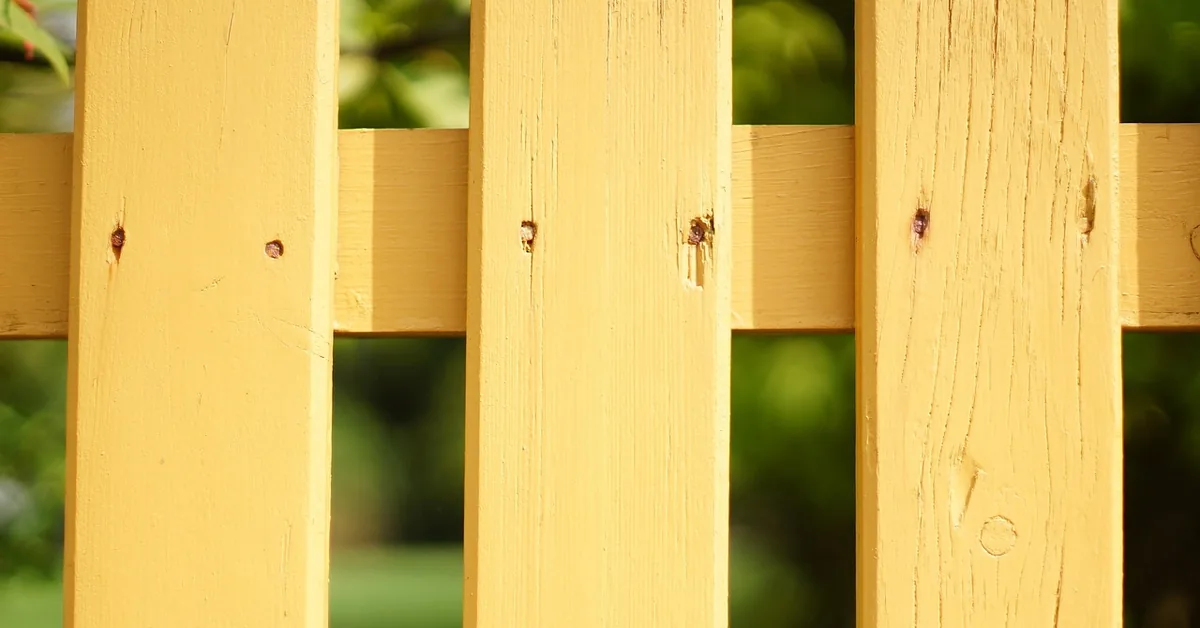
Use 100% acrylic paint on any surface that moves with temperature and humidity — exterior wood trim, siding, fences, and deck skirting. The higher acrylic content lets the film stretch instead of cracking as the wood expands and contracts across seasons, which matters even more on pressure-treated wood that continues to move as it dries out over its first year.
100% acrylic also resists UV fading and blistering better, so it’s the right call for anything that gets direct sun for most of the day. The tradeoff is cost — expect to pay roughly 30–50% more per gallon than a standard latex wall paint.
When Is Standard Latex Paint the Better Choice?
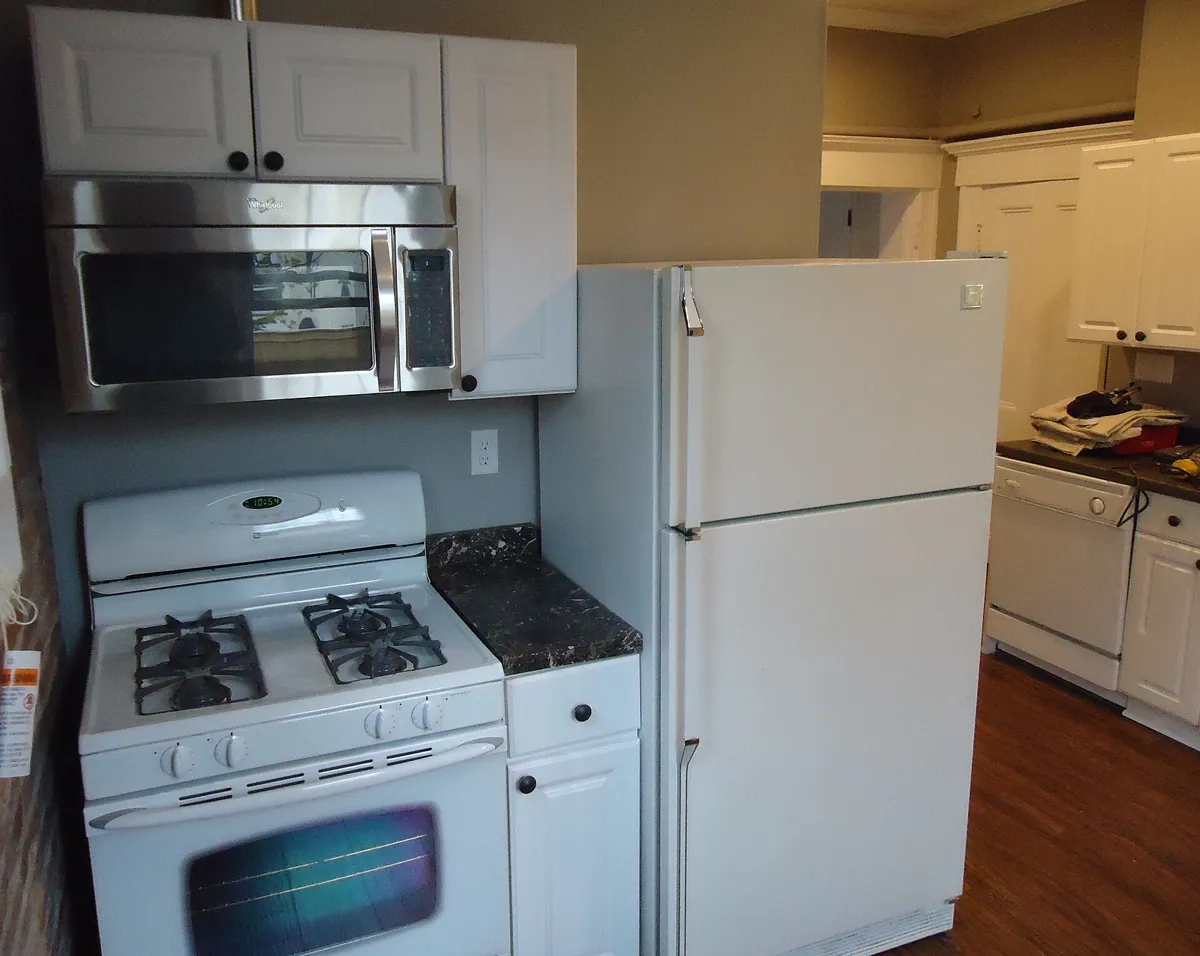
Standard vinyl-acrylic latex paint is the right call for interior walls, ceilings, and drywall — surfaces that don’t face temperature swings or direct weather. It costs less, still cleans up with soap and water, and holds up fine for 5–7 years on a wall that isn’t exposed to moisture or movement. If you’re deciding what kind of paint to use on interior wood trim versus drywall, that same rule applies — save the 100% acrylic upgrade for the surfaces that actually need it.
One caution: standard latex doesn’t bond well to bare metal or glossy surfaces without the right primer. If you’re working on painting metal with latex paint, a bonding primer is not optional. And if VOC exposure is a concern for a nursery or craft room, check whether your acrylic or latex paint is actually low-VOC before you buy — labeling varies more than most people expect.
Can You Mix Latex and Acrylic Paint?
Yes — since both are water-based, standard latex and artist-grade acrylic paint blend together without any special additives. This is mainly useful for small custom-color or craft projects, not for repainting a whole wall; if you need the full mixing ratios and drying-time effects, see our complete guide to mixing acrylic and latex paint.
Is latex paint the same as acrylic paint?
No, but they’re closely related. Latex paint is a water-based paint using vinyl-acrylic or PVA resin, while “acrylic paint” (in the house-paint sense) refers to paint made with 100% acrylic resin. Both are water-based with no rubber content — the real difference is resin quality, not chemistry family.
Which is more durable, latex or acrylic paint?
100% acrylic paint is more durable, typically lasting 10–12 years outdoors versus 5–7 years for standard vinyl-acrylic latex. The 100% acrylic resin flexes with the surface instead of cracking, which matters most on exterior wood that expands and contracts.
Is 100% acrylic paint worth the extra cost?
Yes, for exterior wood trim, siding, doors, and decks. The 30–50% price premium pays for itself in fewer repaint cycles. For interior walls that don’t face weather or movement, standard latex is durable enough and the extra cost isn’t justified.
Can you paint acrylic over latex paint?
Yes, as long as the existing latex paint is clean, dull, and free of loose material. Because both are water-based, 100% acrylic paint bonds directly over cured latex paint without a special primer in most cases — a light scuff-sand helps adhesion on glossy finishes.
Does latex paint contain real rubber latex?
No. Modern latex paint has not contained natural rubber latex since the 1950s. The name is a legacy marketing term; today’s “latex” paint is a water-based vinyl-acrylic or PVA formula, chemically closer to acrylic paint than to anything rubber-based.
Whichever resin you choose, matching it to the surface’s movement and weather exposure — not the label on the can — is what actually determines how long the paint job lasts. For most exterior wood, pay for 100% acrylic; for stable interior walls, standard latex does the job for less.
Sponsored / affiliate links. As an Amazon Associate I earn from qualifying purchases. I may earn additional commission from eligible campaigns.