What Length Nail for Baseboard: Expert Tips for Perfect Finish
What length nail for baseboard? For most baseboards, a 2-inch finish nail is ideal.
It provides a secure hold without splitting the wood. Baseboards add a finishing touch to any room. They cover the joint between the wall and the floor, giving a polished look. But installing them correctly is crucial. One common question is about the right nail length to use.
The correct nail size ensures your baseboard stays in place and looks neat. Too short, and it won’t hold well; too long, and it might damage the wall. In this blog, we’ll dive into the best nail length for baseboards, why it matters, and tips for a perfect installation. Let’s get started!
Choosing The Right Nail Length
Choosing the right nail length is key. The thickness of the baseboard matters. Also, the material of the wall is important. Use longer nails for thicker baseboards. For drywall, shorter nails can work. Wood walls need longer nails. Always check the nail size before starting.
| Nail Size | Best For |
|---|---|
| 1.5 inches | Thin baseboards |
| 2 inches | Standard baseboards |
| 2.5 inches | Thicker baseboards |
Types Of Nails For Baseboards
Finish nails are perfect for baseboards. They are strong and hold well. These nails come in various sizes. The most common size is 1.5 to 2.5 inches. They are thicker than brad nails. This makes them better for heavy baseboards. Use a nail gun for quick work.
Brad nails are thin and small. They are good for light baseboards. Sizes range from 1 to 2 inches. They are less noticeable on the surface. This makes them good for delicate work. Use them with a brad nailer for best results. Brad nails are great for small trim pieces.
Nail Gauge Importance
Nail gauge shows the thickness of the nail. Smaller numbers mean thicker nails. For example, a 15-gauge nail is thicker than an 18-gauge nail. Thicker nails are stronger but can split wood. Thinner nails are less likely to split wood. They are also less visible.
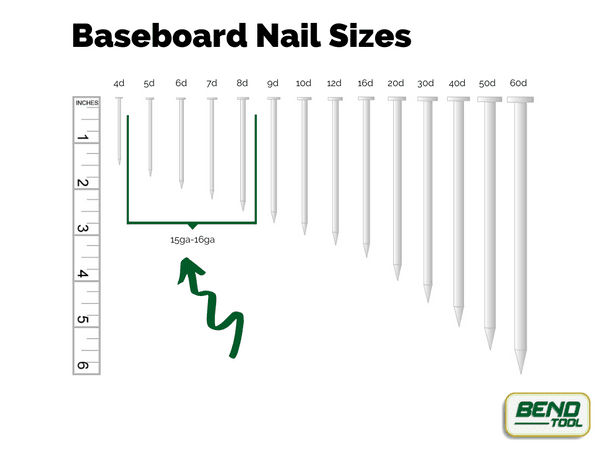
The best gauge for baseboards is usually 15 or 16-gauge nails. These nails are strong and hold the baseboards well. They are thick enough to go through the board and into the wall. Thinner nails, like 18-gauge, can be used for smaller baseboards. They cause less damage to the wood. But they may not hold as well.
Credit: calarestaurante.com
Nailing Techniques
Hand nailing is a traditional method. It requires a hammer and nails. This method needs more effort. It may also take more time. Hand nailing gives you more control. You can be precise with each nail.
Nail guns are fast and efficient. They save time and energy. Using a nail gun can be easier. But, it may need more skill. Nail guns can sometimes overdrive the nails. This can damage the wood. Choose what works best for you.
Always nail at an angle. This makes the baseboard secure. Angles help the nails hold better. Nailing straight can make the baseboard loose. Place nails every 12 to 16 inches. This keeps the baseboard in place.
Focus on corners and ends. These areas need more support. Nails should be near the edges. But not too close. This prevents the wood from splitting.
Preparing Your Baseboards
Always measure the wall length carefully. Then, transfer this measurement to your baseboard. Use a miter saw for clean cuts. Ensure you cut at a 45-degree angle for corners. Double-check measurements to avoid waste.
Pre-drilling prevents wood from splitting. Use a drill bit slightly smaller than your nail. Mark the spots for nails before drilling. This ensures even placement. Drilling should be slow and steady. Avoid pushing too hard.
Installation Process
To start, measure the length of your baseboard. Cut it to fit your wall. Use a miter saw for clean cuts. Next, find the wall studs with a stud finder. Mark them with a pencil. Position the baseboard against the wall. Make sure it is level. Nail it to the wall studs. Use 2-inch nails for the best hold. A nail gun makes this job easier. Finally, fill nail holes with wood filler. Let it dry, then sand it smooth. Paint or stain the baseboard as needed.
Do not use nails that are too short. They won’t hold the baseboard well. Avoid nails longer than 2 inches. They can damage wires in the wall. Make sure to find and mark wall studs. Nailing into drywall alone is not secure. Do not skip filling and sanding nail holes. It gives a smooth finish. Check for level before nailing. A crooked baseboard looks bad. Take your time for the best results.
Finishing Touches
Choosing the right nail length for baseboards is essential. Typically, 2-inch nails work well. They provide enough hold without splitting the wood.
Filling Nail Holes
Nail holes can look bad. Fill them to make the baseboard neat. Use a putty knife. Press wood filler into the holes. Let it dry. Sand the area smooth. This blends it with the baseboard. Now, the holes are gone.
Painting And Sealing
Paint the baseboard to match your wall. It makes the room look better. Use a good quality paint. Seal the baseboard with a clear sealant. This protects the wood. It also makes cleaning easy. Your baseboard will last longer.

Credit: www.mrgutterlimited.com
Expert Tips
Choosing the right nail length for baseboards is vital. 1.5-inch to 2-inch nails work best. Longer nails can damage walls. Shorter nails may not hold well. Brad nails are preferred. They provide a clean finish. Finish nails are also good. They are thicker and stronger.
If nails bend, choose thicker ones. If nails don’t hold, use longer ones. Ensure you hit the stud. Stud finders help locate studs. If wood splits, use smaller nails. You can also pre-drill holes. Nails popping out? Use adhesive for extra hold. Always check your work. Adjust as needed.

Credit: bendtoolco.com
Frequently Asked Questions
What Size Nails For Baseboard Installation?
For baseboard installation, use 2-inch (6d) or 2. 5-inch (8d) finishing nails. These sizes provide secure attachment.
Can I Use Brad Nails For Baseboards?
Brad nails can be used for baseboards. However, finishing nails offer better holding strength and are recommended for more secure installation.
Should I Use A Nail Gun For Baseboards?
Using a nail gun for baseboards is efficient and ensures nails are driven in accurately. It’s highly recommended.
How Many Nails Per Baseboard?
Place nails every 16 to 24 inches along the baseboard. This ensures stability and prevents gaps or movement.
Conclusion
Choosing the right nail length for baseboards is crucial. It ensures a secure fit. Typically, 2-inch nails work well. They provide adequate hold without splitting the wood. Always consider the thickness of the baseboard and wall. This ensures the nails penetrate deeply enough.
Using a nail gun can make the job easier. It offers precision and efficiency. Don’t forget to check your tools before starting. Proper preparation leads to a smooth installation. Happy nailing and enjoy your beautifully installed baseboards!