How to Keep a Wood Table From Warping (35-55% Humidity Range)
Wood tables warp when indoor humidity swings outside the 35–55% range wood needs to stay stable — not simply from age or a few hours of sun. A tabletop that repeatedly wets and dries on top develops permanent compression-set cupping no humidifier or finish can reverse. This guide covers the humidity range to hold, why finishing only the top won’t stop warping, resistant wood species, and how to flatten a table that’s already warped.
The Perils Of Wood Table Warping
Best Humidity Monitor Pick
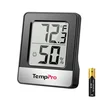
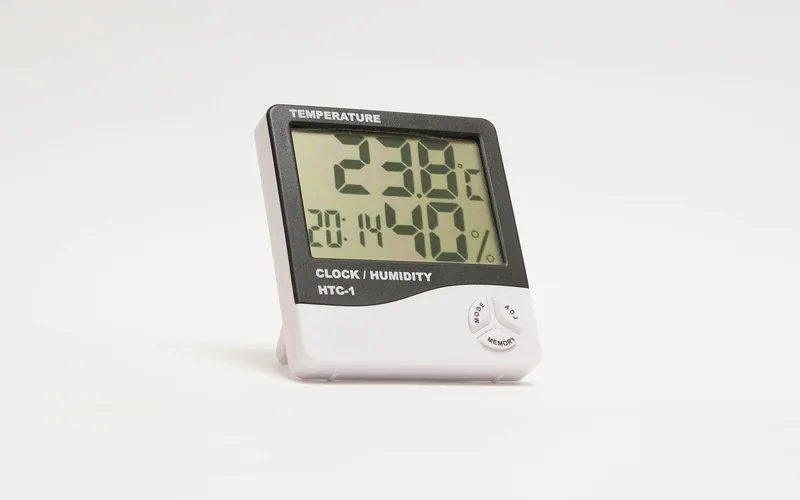
TempPro TempAir Digital Hygrometer – $9.49
Reads temperature and %RH at a glance so you can see whether your table’s room is inside the 35–55% range this guide covers, instead of guessing by feel.
- Best for: Tracking the room your table lives in day to day
- Why we picked it: Simple single-number RH readout, no app or setup needed
- Main drawback: No data logging — you have to check it manually
Compare more humidity monitor options
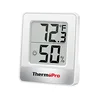 Option 1 TempPro TP49 Digital Hygrometer – $8.99
|
 Option 2 JEDEW 2-Pack Digital Hygrometer – $6.92
|
 Option 3 HT607 Backlit Humidity Meter – $36.99
|
As an Amazon Associate we earn from qualifying purchases.
Wood warping can cause serious problems for furniture. It often happens due to changes in moisture. High humidity can make wood swell. Dry conditions can cause wood to shrink. For a full breakdown of moisture-related wood problems beyond tables, see this wood care and protection guide.
Some common causes include:
- Temperature changes: Extreme heat or cold can affect wood.
- Improper storage: Storing wood in damp areas can lead to warping.
- Direct sunlight: Sunlight can dry out wood unevenly.
The effects of warping on furniture are noticeable. Warped tables may have uneven surfaces. This can make them hard to use. Guests may find it uncomfortable. Warping can also ruin the beauty of the wood. Cracks and gaps can appear over time.
What Are the Different Types of Wood Warping?
Wood warping isn’t one single defect — it takes four distinct forms, and the shape it takes usually points to the cause.
| Warp Type | What It Looks Like | Usual Cause |
|---|---|---|
| Cup | Edges curl up or down relative to the center, across the width | One face (usually the top) dries or wets faster than the other |
| Bow | The whole length curves like a canoe, top to bottom | Uneven drying along the board’s length, often from improper stacking |
| Crook | The edge curves along the length while faces stay flat | Grain runs off at an angle (juvenile wood or a knot near the edge) |
| Twist (Wind) | Corners don’t sit in the same plane — the board rocks on a flat surface | Spiral or interlocked grain reacting unevenly to moisture change |
Choosing The Right Wood
Choosing the right wood is key to preventing warping. Some wood types are more prone to warping than others. For example, softwoods like pine can easily bend and twist. Hardwoods tend to hold their shape better.
Here are some types of wood that resist warping:
- Oak: Known for its strength and durability.
- Maple: A hard wood that resists bending.
- Cherry: Has natural stability and beauty.
- Teak: Naturally oily, making it resistant to moisture.
Selecting these woods can help keep your table looking great. Always consider the climate where you live. Moisture and heat affect wood differently. Proper care and maintenance also play a role.
Preventive Measures During Wood Selection
Choosing wood with the right moisture content is very important. Wood should have a moisture content between 6% and 8%. This helps prevent warping. Always check the wood before buying it — use this wood shrinkage calculator to see how much a species will move at your local humidity before you buy.
Grain orientation also plays a big role. Vertical grain wood is less likely to warp. It stays straight and strong over time. Flat-sawn wood can bend more easily. This can lead to problems later.
| Grain Type | Warping Risk |
|---|---|
| Vertical Grain | Low |
| Flat-Sawn | High |
Climate Control In Your Home
Maintaining the right humidity levels is key for wood tables. Wood can absorb moisture from the air. This can lead to warping. Use a humidifier in dry months to add moisture. In damp months, a dehumidifier helps keep humidity low.
Temperature fluctuations can also harm wood. Keep your home’s temperature steady. Avoid placing tables near heaters or air conditioners. These can change the wood’s shape. It’s best to keep wood tables in a stable environment.
| Tips for Humidity Control | Effects of Temperature |
|---|---|
| Use a humidifier | Avoid heat sources |
| Use a dehumidifier | Keep temperature consistent |
| Check humidity regularly | Protect against drafts |
What Humidity Level Stops a Wood Table From Warping?
Indoor relative humidity between 35% and 55% RH keeps most indoor wood furniture close to its target moisture content without enough swing to cup or crack a tabletop. Below 30% RH sustained for weeks, wood loses moisture faster than it can adjust and develops shrinkage cracks. Above 60% RH sustained for more than a few days, wood swells enough to jam drawers, buckle veneer, and open glue joints at the legs. A hygrometer is the only way to know which side of that range your home is actually on — guessing by feel is not reliable.
📊 At 40–50% RH, most cabinet-grade hardwood settles near 7% moisture content — the range furniture makers target for indoor pieces. — Source: Fine Woodworking, Equilibrium Moisture Content Reference Chart
Proper Table Placement
To keep your wood table from warping, proper placement is key. Avoid placing it in direct sunlight. Sunlight can dry out the wood. This leads to cracks and warping over time.
Choose a strategic position in your room. Keep the table away from heating vents and radiators. Extreme temperatures can affect the wood. A stable environment helps maintain the table’s shape.
Using curtains or blinds can block harsh sunlight. Consider placing your table in a shaded area. This simple step can protect your furniture for years.
Sealing And Finishing Techniques
Choosing the right sealants is crucial for wood table care. Look for water-resistant options that provide strong protection. Polyurethane and epoxy sealants work well for durability. Always read the label to understand the best application methods.
For application tips, start with a clean, dry surface. Use a brush or roller for even coverage. Apply multiple thin coats instead of one thick layer. Let each coat dry completely before adding the next. This ensures better adhesion and longevity.
| Sealant Type | Benefits |
|---|---|
| Polyurethane | Durable and water-resistant |
| Epoxy | Great for heavy-duty use |
| Varnish | Good for indoor tables |
Does Finishing Both Sides of a Table Stop It From Warping?
Not on its own. It’s a common assumption that sealing the underside of a tabletop “balances” moisture exchange and stops cupping, but a finish only slows moisture movement — both faces still adjust to the room’s humidity, just more gradually. The real driver of cupping is compression-set: the exposed top face swells and shrinks repeatedly as humidity cycles, and the wood cells compress permanently rather than springing back. That’s why an unfinished workbench top can stay flatter for years than a poorly-humidity-controlled finished dining table. Finishing both sides still has real value for looks, feel, and slowing spill damage — it just isn’t the warping fix people assume it is.
According to Popular Woodworking’s editorial review of this finishing myth, finishing the underside of a tabletop has only a limited effect on warping — the humidity swings reaching the exposed top face are what actually cause the movement, not an unsealed bottom.
Regular Maintenance And Care
Regular cleaning helps keep your wood table in good shape. Use a soft cloth to remove dust. Avoid using too much water, as this can cause damage. Instead, use a damp cloth with mild soap.
Wipe spills immediately to prevent stains. Dry the area well after cleaning. Avoid harsh chemicals, as they can harm the wood finish.
Check your table regularly for signs of warping. Look for uneven surfaces or cracks. Early detection can help prevent further damage. The same routine applies to the rest of your furniture — see this wood furniture care guide for a room-by-room checklist.
Professional Help And Restoration
Professional help is important for seriously warped tables. Signs of damage include cracks and uneven surfaces. If repairs seem too complex, experts can assess the situation.
Restoration options vary based on the table’s condition. Refinishing can restore the surface shine and hide minor warping. Gluing loose joints helps keep the table stable. For more severe warping, replacement parts may be necessary. Antique and solid-wood pieces often need a gentler approach — this antique wood furniture care guide covers what to avoid.
Consider consulting a furniture restorer for a thorough evaluation. They can provide the best solutions tailored to your needs. Always prioritize quality repairs to maintain the table’s value.
Can a Warped Wood Tabletop Be Flattened?
Mild cupping can sometimes be reversed at home: lay the table upside down, lightly dampen the concave (inner) face with a wet cloth, leave the convex face dry, and weight the board flat for 24–48 hours so the damp side swells back toward level. This works only on mild, recent cupping in solid wood — it will not fix twist, crook, or warping in veneered or engineered tops. For anything beyond mild cupping, a furniture restorer can plane, re-saw and re-glue the top, or add breadboard ends to keep it flat going forward.
Frequently Asked Questions
How Can I Prevent My Wood Table From Warping?
To prevent warping, maintain a consistent humidity level in your home. Use a humidifier in dry seasons and avoid placing your table near heating vents. Regularly apply wood conditioner to protect the surface. Finally, keep the table out of direct sunlight to minimize temperature fluctuations.
What Causes Wood Tables To Warp?
Wood tables warp primarily due to changes in humidity and temperature. When wood absorbs moisture, it expands; when it dries, it contracts. This constant change can lead to uneven surfaces. Additionally, poor quality wood or improper construction can exacerbate warping issues over time.
Should I Use A Tablecloth To Protect My Wood Table?
Yes, using a tablecloth can help protect your wood table. It acts as a barrier against moisture and temperature fluctuations. A cloth also prevents scratches and stains from spills. Choose breathable fabric to avoid trapping moisture and ensure regular cleaning to maintain its protective qualities.
How Often Should I Apply Wood Conditioner?
Applying wood conditioner every three to six months is recommended. This keeps the wood hydrated and helps prevent warping. However, you may need to adjust this frequency based on your home’s humidity levels. Always follow the product instructions for best results and to ensure the wood’s longevity.
What Humidity Level Prevents Wood Table Warping?
Keep indoor relative humidity between 35% and 55% RH, ideally close to 45%. Below 30% RH the wood loses moisture faster than it can adjust and cracks; above 60% RH sustained for days it swells enough to jam joints and buckle veneer. A hygrometer is the only reliable way to confirm which side of that range a room is actually on.
Does Sealing Both Sides Of A Tabletop Stop It From Warping?
Not by itself. A finish only slows moisture exchange on the sealed side — it doesn’t stop it. The real cause of cupping is the exposed top face repeatedly wetting and drying and developing compression-set. Finishing both sides helps with looks and spill resistance, but stable indoor humidity is what actually prevents warping.
Conclusion
Keep indoor humidity in the 35–55% range, keep the table out of direct sun and off heating vents, and check it periodically for early signs of cupping. That combination — not finish alone — is what actually keeps a wood table flat for the long run.
Sponsored / affiliate links. As an Amazon Associate I earn from qualifying purchases. I may earn additional commission from eligible campaigns.