What Paint Roller Gives the Smoothest Finish on Cabinets: Expert Picks
Are you tired of spending hours painting your cabinets, only to end up with unsightly streaks and uneven textures? You’re not alone.
Achieving a smooth, professional finish on cabinets can feel like a daunting task, but it doesn’t have to be. The secret often lies in selecting the right paint roller. Imagine gliding that perfect roller over your cabinets, leaving behind nothing but a flawless, silky surface.
This article will guide you to the paint roller that will turn that vision into reality. Ready to transform your cabinets from drab to fab? Keep reading to discover the tool that will revolutionize your painting experience.
Credit: refreshliving.us
Types Of Paint Rollers
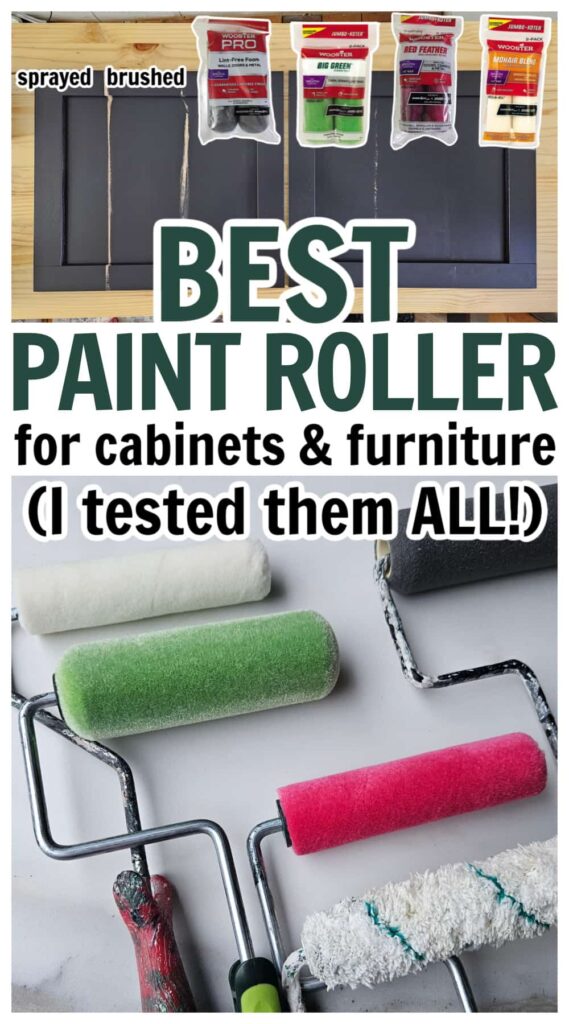
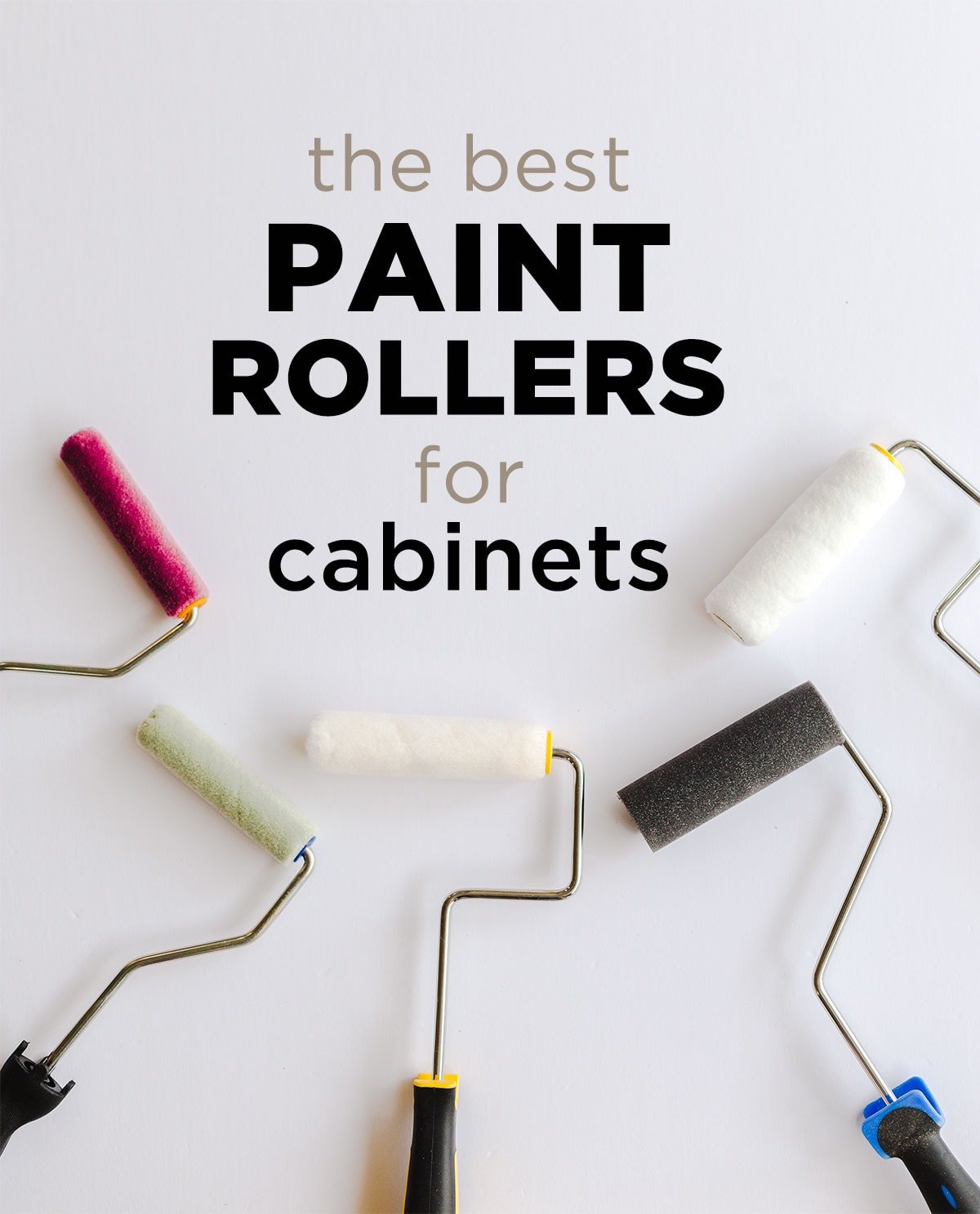
Foam rollers are great for smooth surfaces. They absorb paint well. This helps to avoid drips. Foam rollers leave a thin and even layer. Ideal for cabinets. They are lightweight. Easy to handle. Best for water-based paints. Not for heavy paints.
Microfiber rollers are durable and versatile. They provide a smooth finish. Suitable for all types of paints. They hold more paint. Less splatter. Easy to clean. Perfect for cabinets. They reach tight corners. Lightweight and efficient.
Wool rollers are natural and soft. They are absorbent. Ideal for textured surfaces. Not for cabinets. They hold a lot of paint. Good for large areas. They are heavy. Hard to control. Not recommended for smooth finishes.
Credit: refreshliving.us
Factors Affecting Smoothness
Foam rollers are great for smooth finishes. They are soft and even. Microfiber rollers hold more paint. They cover surfaces well. Wool rollers are durable but might leave texture. Choose the right material for your task.
Short nap rollers, like 1/4 inch, are best for smooth finishes. They leave less texture on cabinets. Long nap rollers can leave bumps. Use them for rough surfaces. Select nap length carefully for your project.
High-density rollers spread paint smoothly. They avoid marks and bubbles. Low-density rollers might leave paint uneven. Density affects the finish quality. Pick the right density for a smooth look.
Expert Recommendations
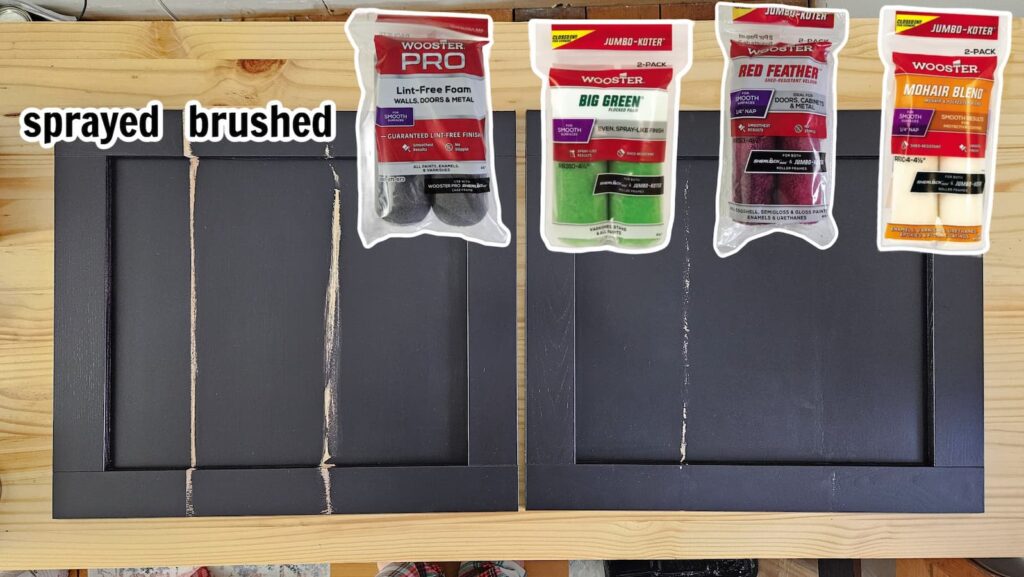
Choosing the right paint roller is key for a smooth finish. Foam rollers work best for cabinets. They don’t leave marks. They spread paint evenly. Microfiber rollers are also good. They hold more paint. They are easy to use. Both types give great results.
Different brands offer quality rollers. Wooster is popular for its foam rollers. They last long and give smooth results. Purdy offers microfiber rollers. They are durable and spread paint well. Both brands are trusted by experts. Pick one that suits your need.
A good roller can be affordable. Cheap rollers may leave marks. High-quality ones cost more but work better. Foam rollers are cheaper. Microfiber rollers are a bit pricey. Balance cost with quality. Choose wisely for the best finish.
Preparation Tips For Cabinets
Clean the cabinet surface with a soft cloth. Use mild soap and water. Make sure all dirt and grease are gone. A clean surface helps paint stick better. Dry the surface completely before moving on.
Sand the cabinet with fine-grit sandpaper. This makes the surface smooth. Sand in small, gentle circles. Make sure to remove any old paint or bumps. A smooth surface is key for a neat finish.
Apply a thin layer of primer on the cabinet. This helps the paint stick well. Use a good-quality primer for best results. Let the primer dry fully. Priming prepares the surface for the top coat.
Application Techniques
Always use even pressure when painting cabinets. This helps in getting a smooth finish. Hold the roller lightly. Roll back and forth gently. This will spread the paint evenly. Avoid pressing too hard. Hard pressure leaves marks on the surface.
Apply thin layers of paint for the best result. Let each coat dry before adding another. This helps in achieving a smooth surface. Two or three coats usually work well. More layers can sometimes make it look uneven.
Roller marks can ruin the look. Use a high-quality roller for less marks. Keep a steady hand while painting. Move the roller in straight lines. Overlapping strokes can help reduce marks. Always finish with a light touch.
Credit: www.jennasuedesign.com
Maintenance And Care
For a smooth cabinet finish, choose a high-density foam roller. These rollers create a flawless surface, minimizing brush strokes. Perfect for applying even coats on flat surfaces.
Cleaning Rollers
Clean paint rollers after each use. Use warm, soapy water for water-based paints. Use mineral spirits for oil-based paints. Rinse thoroughly to remove all paint. Let them dry completely. This keeps them in good shape.
Storing Rollers
Store rollers properly to keep them ready for next use. Wrap in plastic if they still have paint. Use a plastic bag or cling film. If clean, store them in a dry, cool place. Keep them flat or hang them. Avoid bending or squishing them.
Extending Roller Lifespan
Extend roller lifespan with proper care. Clean them well after use. Let them dry completely. Avoid leaving them in paint too long. Use them gently. Keep rollers stored correctly. This helps them last longer.
Frequently Asked Questions
What Type Of Roller Gives Smooth Cabinet Finish?
For the smoothest cabinet finish, use a high-density foam roller. It minimizes brush strokes and provides an even coating. Foam rollers are excellent for applying both latex and oil-based paints. They are ideal for achieving a sleek and professional look without much effort or hassle.
Can Microfiber Rollers Provide A Smooth Finish?
Yes, microfiber rollers can offer a smooth finish on cabinets. They are great at holding paint and reducing splatter. Their fine fibers create a uniform texture. Microfiber rollers work well with water-based paints, ensuring a smooth and consistent application for cabinetry projects.
Are Foam Rollers Better For Cabinets?
Foam rollers are often preferred for cabinets due to their smooth application. They help in achieving a flawless finish without leaving marks. Foam rollers are particularly effective with semi-gloss and gloss paints. Their design allows for easy maneuverability, ensuring a sleek, professional look on cabinet surfaces.
Why Choose High-density Foam Rollers?
High-density foam rollers are chosen for their ability to deliver a smooth finish. They reduce the appearance of brush strokes. Their texture ensures even paint distribution, making them ideal for cabinets. They work efficiently with various paint types, enhancing the overall aesthetic of your cabinetry.
Conclusion
Choosing the right paint roller is crucial for a smooth cabinet finish. Foam rollers often provide the best results. They spread paint evenly and reduce streaks. Microfiber rollers also work well. They hold more paint and cover surfaces smoothly. Always consider the roller’s nap.
A shorter nap is usually better for cabinets. This ensures a flawless look. Quality matters too. Investing in a good roller can make a big difference. Happy painting! Your cabinets will thank you for it.