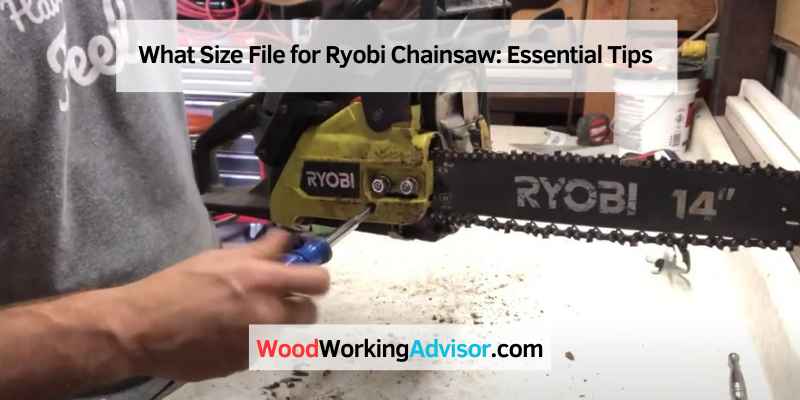
What Size File for Ryobi Chainsaw: Essential Tips
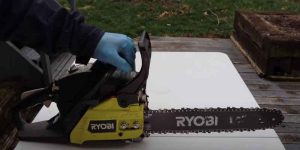
The Ryobi chainsaw requires a file size of 5/32 inches. This file size is commonly used for chainsaw chains with a pitch size of 3/8 inches.
It is important to use the correct file size to ensure proper sharpening and maintenance of the chainsaw. A chainsaw is a powerful tool that requires regular maintenance to keep it running at its best. The size of the file used for sharpening the chainsaw chain is an important factor in keeping the chainsaw in good condition.
The Ryobi chainsaw requires a file size of 5/32 inches, which is commonly used for chainsaw chains with a pitch size of 3/8 inches. Using the correct file size will ensure that the chainsaw chain is sharpened properly and will help to extend the life of the chainsaw.
Introduction To Ryobi Chainsaws
For Ryobi chainsaws, selecting the correct file size is crucial for maintaining the chain’s sharpness and performance. Using the recommended file size ensures efficient cutting and prolongs the lifespan of your Ryobi chainsaw. Be sure to consult the manufacturer’s guidelines for the appropriate file size for your specific model.
Ryobi is a well-known brand that produces high-quality chainsaws, offering a wide range of models suitable for different needs. Whether you’re a professional or a DIY enthusiast, Ryobi chainsaws are versatile and reliable tools that can help you get the job done. In this blog post, we will focus on the size of the file for Ryobi chainsaws and the common uses of these tools.
Brand Reputation
Ryobi is a brand that has been around since 1943, and over the years, it has built a reputation for producing high-quality tools that are affordable and reliable. Ryobi chainsaws are no exception, as they are designed to meet the needs of both homeowners and professionals. With their innovative features and ergonomic designs, Ryobi chainsaws are easy to use and maintain, making them a popular choice among DIY enthusiasts and professionals alike.
Common Uses
Ryobi chainsaws are versatile tools that can be used for a variety of purposes, including:
- Pruning trees and shrubs
- Cutting firewood
- Cleaning up fallen branches and debris
- Trimming hedges and bushes
With the right size of file, you can keep your Ryobi chainsaw in good working condition and ensure that it performs at its best. The size of file you need will depend on the size of the chain on your chainsaw, so it’s important to check the manufacturer’s specifications before purchasing a file.
In conclusion, Ryobi chainsaws are a popular choice among homeowners and professionals alike, thanks to their reliability, affordability, and versatility. By choosing the right size of file for your chainsaw, you can ensure that it performs at its best and lasts for years to come.
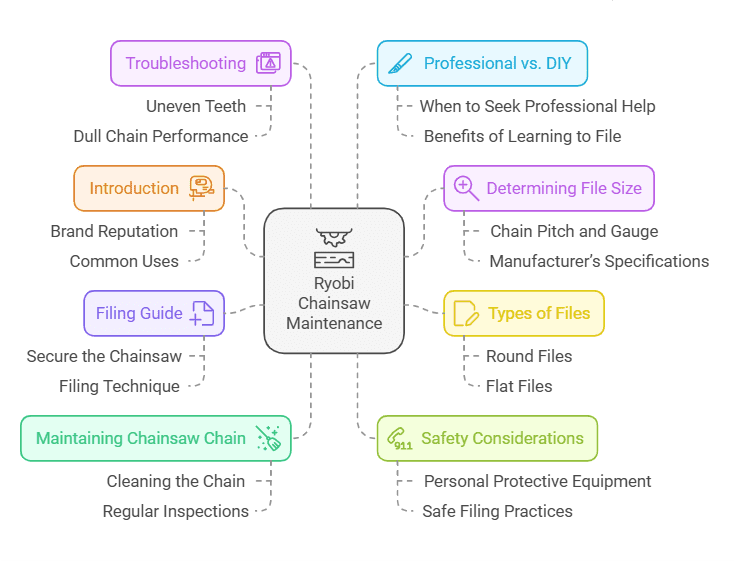
Determining The Correct File Size
When it comes to maintaining your Ryobi chainsaw, one important aspect to consider is the correct file size for sharpening the chain. Using the wrong file size can lead to inefficient cutting and potential damage to your chainsaw. In this guide, we will explore the two key factors to determine the correct file size: chain pitch and gauge, as specified by the manufacturer.
Chain Pitch And Gauge
Chain pitch and gauge are crucial measurements that determine the compatibility of a chainsaw chain with the file size. The chain pitch refers to the distance between any three consecutive rivets on the chain. It is typically measured in inches and is a key factor in selecting the appropriate file size.
The chain gauge, on the other hand, represents the thickness of the drive links on the chain. It is measured in inches as well and plays a vital role in determining the correct file size. It is essential to note that different chainsaw models may have varying chain pitch and gauge measurements, so it’s crucial to refer to the manufacturer’s specifications.
Manufacturer’s Specifications
To ensure the correct file size for your Ryobi chainsaw, it is essential to consult the manufacturer’s specifications. These specifications provide detailed information about the recommended file size for sharpening the chain. They may also include additional guidelines, such as the preferred filing angle and depth gauge settings.
Referencing the manufacturer’s specifications not only ensures you choose the correct file size but also helps maintain the optimal performance and longevity of your Ryobi chainsaw. It is important to note that using the wrong file size can lead to subpar cutting performance and potential damage to both the chain and the chainsaw.
By adhering to the chain pitch and gauge measurements specified by the manufacturer, you can confidently select the appropriate file size for sharpening your Ryobi chainsaw. Regular maintenance and proper sharpening will not only enhance the cutting efficiency but also extend the life of your chainsaw, allowing you to tackle your cutting tasks with ease and precision.
Types Of Files For Chainsaw Sharpening
Proper chainsaw maintenance includes regular sharpening to ensure optimal cutting performance. When it comes to sharpening your Ryobi chainsaw, using the right file is crucial. The two main types of files used for chainsaw sharpening are round files and flat files.
Round Files
Round files are commonly used for chainsaw sharpening as they match the contour of the chain’s teeth. These files have a cylindrical shape and are available in various diameters, typically ranging from 4mm to 8mm. The size of the round file you should use depends on the pitch of your chainsaw chain.
Before starting the sharpening process, it’s essential to determine the correct file size. Refer to your Ryobi chainsaw’s manual or the manufacturer’s recommendations to find the appropriate file size for your specific model. Using the wrong file size can lead to ineffective sharpening and potential damage to the chain.
Flat Files
Flat files, on the other hand, are used for maintaining the depth gauges or rakers on the chainsaw chain. The depth gauges control how much the chain cuts into the wood, ensuring safe and efficient cutting. Regularly filing the depth gauges helps maintain proper cutting performance and prevents kickback.
When sharpening your chainsaw, it’s important to file the depth gauges after sharpening the teeth with a round file. This ensures the teeth and depth gauges are properly aligned for optimal cutting performance. Refer to your Ryobi chainsaw’s manual or the manufacturer’s recommendations for the correct file size to use for your depth gauges.
Remember to always wear appropriate safety gear, such as gloves and protective eyewear, when sharpening your chainsaw. Additionally, make sure to follow the manufacturer’s instructions and guidelines for safe sharpening practices.
Step-by-step Guide To Filing
When it comes to maintaining your Ryobi chainsaw, proper filing is essential to keep the chain sharp and efficient. Follow this step-by-step guide to filing your chainsaw and ensure it performs at its best.
Secure The Chainsaw
To begin, secure the chainsaw in a vice to keep it stable during the filing process. This will prevent any movement and ensure a precise filing job.
Filing Technique
Ensure that you are using the correct size file for your Ryobi chainsaw. Refer to the manufacturer’s guide or the specifications on the chainsaw itself to determine the appropriate file size. Using the wrong size file can result in improper sharpening and potential damage to the chain. Once you have the correct file size, follow these steps:
- Position the file on the tooth with the correct filing angle.
- Apply even pressure as you push the file across the tooth.
- File each tooth the same number of times to maintain uniformity.
Remember to wear protective gloves and eyewear while filing to ensure safety.
Maintaining Your Chainsaw Chain
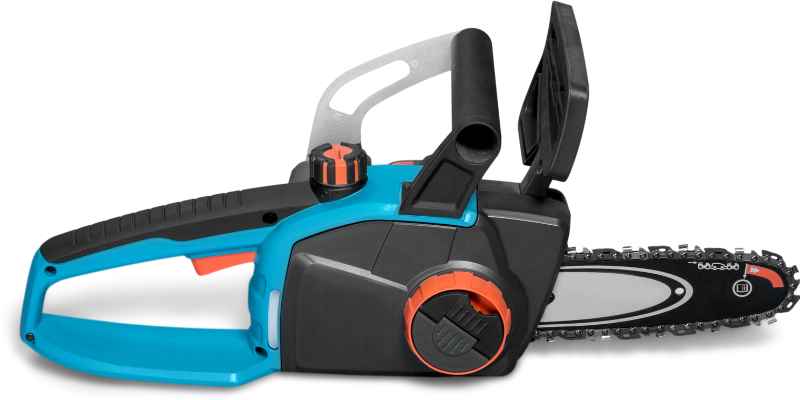
Proper maintenance of your chainsaw chain is crucial to keep it running smoothly and ensure optimal performance. By regularly cleaning and inspecting your chain, you can extend its lifespan and minimize the risk of accidents or malfunctions. Here are some essential steps to help you maintain your chainsaw chain:
Cleaning The Chain
Regularly cleaning your chainsaw chain is essential to remove dirt, debris, and built-up sawdust. This helps to prevent clogging and maintain the chain’s cutting efficiency. Follow these steps to clean your chainsaw chain:
- Start by wearing protective gloves to avoid any injuries.
- Use a stiff brush or a specialized chain cleaning tool to remove any debris or sawdust from the chain.
- Apply a suitable chain cleaning solvent or lubricant to dissolve any stubborn dirt or grime.
- Gently scrub the chain with the brush or cleaning tool to ensure thorough cleaning.
- Wipe off any excess solvent or lubricant from the chain using a clean cloth.
- Allow the chain to air dry before reassembling it onto the chainsaw.
Regular Inspections
Regular inspections of your chainsaw chain are vital to identify any signs of wear, damage, or tension issues. By conducting routine inspections, you can address potential problems early on and prevent further damage. Follow these steps to inspect your chainsaw chain:
- Ensure the chainsaw is turned off and disconnected from any power source.
- Visually inspect the chain for any signs of damage such as broken or missing teeth.
- Check for proper tension by gently pulling the chain away from the guide bar. It should have a slight amount of play without being too loose or too tight.
- Inspect the chain’s lubrication level and ensure it is adequately lubricated to prevent overheating.
- If you notice any issues during the inspection, address them promptly by tightening, replacing, or lubricating the chain as needed.
By following these maintenance practices and regularly cleaning and inspecting your chainsaw chain, you can ensure its longevity and reliability. Remember, proper maintenance not only enhances the chainsaw’s performance but also prioritizes your safety while using it.
Safety Considerations
Safety considerations are paramount when it comes to using a Ryobi chainsaw for filing. By adhering to proper safety measures, you can ensure a secure and efficient filing process. This section will cover the essential safety considerations, including personal protective equipment and safe filing practices.
Personal Protective Equipment
Wearing the appropriate personal protective equipment (PPE) is crucial when filing with a Ryobi chainsaw. The following PPE items are necessary:
- Safety goggles: Protect your eyes from wood chips and debris.
- Ear protection: Shield your ears from the noise of the chainsaw.
- Gloves: Ensure a firm grip and protect your hands from cuts.
- Safety helmet: Guard your head against potential impact.
- Steel-toed boots: Shield your feet from falling objects.
Safe Filing Practices
When filing with a Ryobi chainsaw, it’s essential to follow safe practices to prevent accidents and injuries. Here are some safe filing practices to keep in mind:
- Secure work area: Ensure a stable and clutter-free environment for filing.
- Proper technique: Use the correct filing technique to maintain control and precision.
- Regular breaks: Take breaks to avoid fatigue and maintain focus during filing.
- Clear communication: Communicate with others in the vicinity to ensure safety and coordination.
Troubleshooting Common Filing Issues
Having trouble determining the correct file size for your Ryobi chainsaw? It’s important to troubleshoot common filing issues to ensure the right fit. Understanding the correct file size can help maintain your chainsaw’s cutting efficiency and prolong its lifespan.
Uneven Teeth
Uneven teeth can cause chainsaw performance problems. To fix this, ensure consistent filing pressure.
Dull Chain Performance
Dull chains reduce cutting efficiency. Use proper file size for sharpening.
Professional Vs. DIY Sharpening
Choosing between professional sharpening services and DIY sharpening for your Ryobi chainsaw? Wondering what size file to use? We’ve got you covered! Discover the best file size to keep your chainsaw blades sharp and efficient, ensuring optimal performance for all your cutting needs.
Say goodbye to dull blades and hello to precision cutting with the right file size for your Ryobi chainsaw.
When To Seek Professional Help
Benefits Of Learning To File
Professional vs. DIY Sharpening
Sharpening your Ryobi chainsaw chain can be done professionally or as a DIY project. When to seek professional help depends on your experience and the condition of your chain.
When To Seek Professional Help
Benefits Of Learning To File
Sharpening your chainsaw chain yourself can save time and money. Learning to file gives you control over the process and ensures your chain is always sharp for optimal performance.
– Cost-effective maintenance
– Increased chain lifespan
– Improved cutting efficiency
Additional Resources And Tools
Explore these additional resources and tools to enhance your experience with your Ryobi chainsaw.
Recommended Products
- Bar and Chain Oil
- Replacement Chains
- Protective Gear: Gloves, Goggles, and Ear Protection
- Sharpening Kit
- Carrying Case
Online Tutorials
- How to Properly Maintain Your Ryobi Chainsaw
- Step-by-Step Guide for Chain Replacement
- Tips for Safe Chainsaw Operation
- Common Troubleshooting Techniques
Frequently Asked Questions
What Is The Recommended File Size For A Ryobi Chainsaw?
For optimal performance, use a 3/8 inch pitch chain with 0. 050 gauge for Ryobi chainsaws. This size ensures smooth operation and efficient cutting power.
How Do I Determine The Correct File Size For My Ryobi Chainsaw?
To find the right file size, check the chain specifications on your Ryobi chainsaw manual. Match the pitch and gauge measurements for the best results.
Can Using The Wrong File Size Damage My Ryobi Chainsaw?
Yes, using an incorrect file size can lead to poor cutting performance, premature wear on the chain, and potential damage to the chainsaw components. Always use the recommended file size.
Where Can I Purchase The Correct File Size For My Ryobi Chainsaw?
You can buy the appropriate file size for your Ryobi chainsaw at authorized Ryobi dealers, hardware stores, or online retailers specializing in chainsaw accessories.
Conclusion
Choosing the right file size for your Ryobi chainsaw is crucial for maintaining its cutting performance. By understanding the specifications of your chainsaw and the type of wood you’ll be cutting, you can select the appropriate file size to keep your chainsaw sharp and efficient.
Don’t overlook this important aspect of chainsaw maintenance.